







Microsoft OneDrive is a powerful cloud storage solution, but it isn’t for everyone. Many users find the constant syncing distracting, or they worry about privacy and disk space. If you are wondering how to disable OneDrive without losing your precious files, you have come to the right place. This comprehensive guide explores every method to disconnect the service, from simple settings tweaks to advanced registry edits.
Moreover, we will dive deep into the world of data recovery. Sometimes, disabling a sync service can lead to accidental file disappearance. We will show you how to use PandaOffice Drecov to ensure your digital life remains intact, even if a sync error occurs.
Why You Might Want to Disable Microsoft OneDrive
Before we get into the technical “how-to,” let’s look at why users often seek to turn off this feature. OneDrive integrates deeply with Windows 11 and 10. While this is convenient for many, it can cause several headaches:
- Storage Limits: Once you hit your 5GB free limit, Windows will constantly nag you to upgrade.
- System Performance: The background syncing process can consume CPU cycles and bandwidth, slowing down gaming or high-end video editing.
- File Confusion: Users often get confused between what is stored locally and what is “online-only,” leading to panic when they can’t access a file without an internet connection.
- Privacy Concerns: Some users prefer keeping their sensitive data strictly on local drives rather than on Microsoft’s servers.
Regardless of your reason, learning how to disable OneDrive is a fundamental skill for modern Windows users.
How Do I Disable OneDrive? The Quickest Methods
If you are asking, “How do I disable OneDrive quickly?” the answer usually lies within the application’s own settings. This is the least invasive method and is recommended for most users.
Method 1: Unlinking Your Account (The Beginner Approach)
Unlinking doesn’t delete your files from the cloud; it simply stops the communication between your PC and the OneDrive servers.
- Step 1: Locate the OneDrive icon (a small blue or white cloud) in your Windows system tray (bottom-right corner of your screen). If you don’t see it, click the upward-pointing arrow to show hidden icons.
- Step 2: Right-click the icon and select the Settings (gear icon) menu.
- Step 3: Go to the Account tab in the sidebar.
- Step 4: Click the link that says Unlink this PC.
- Step 5: Confirm your choice by clicking Unlink account in the pop-up window.
Warning: Once unlinked, files that were “online-only” will no longer appear in your File Explorer. Ensure you have downloaded important documents before performing this step.
Method 2: Pausing Sync Temporarily
Sometimes you don’t need a permanent divorce from the cloud; you just need some peace and quiet while you work.
- Step 1: Click the OneDrive icon in the taskbar.
- Step 3: Click the Settings gear icon.
- Step 4: Select Pause syncing.
- Step 5: Choose a duration (2, 8, or 24 hours).
How Disable OneDrive via Group Policy (For Windows Pro & Enterprise)
For users running professional versions of Windows, the Group Policy Editor offers a more “forceful” way to handle the software. If you find that the app keeps restarting itself, this is the solution. Many IT professionals search for “how disable OneDrive” at a system-wide level to prevent users from accidentally syncing corporate data.
Step-by-Step Group Policy Configuration
- Step 1: Press Windows Key + R on your keyboard to open the Run dialog box.
- Step 2: Type
gpedit.mscand hit Enter. - Step 3: In the Local Group Policy Editor, navigate to the following path:
Computer Configuration > Administrative Templates > Windows Components > OneDrive - Step 4: In the right pane, look for the policy named Prevent the usage of OneDrive for file storage.
- Step 5: Double-click this policy and set it to Enabled.
- Step 6: Click Apply and then OK.
This method ensures that OneDrive is disabled at the root level, preventing the app from even running.
Advanced: Disabling OneDrive via the Windows Registry
If you are using Windows Home Edition, you won’t have access to the Group Policy Editor. In this case, you must use the Registry Editor.
- Step 1: Press Windows Key + R, type
regedit, and press Enter. - Step 2: Navigate to:
HKEY_LOCAL_MACHINE\SOFTWARE\Policies\Microsoft\Windows - Step 3: Right-click the Windows folder, select New > Key, and name it
OneDrive. - Step 4: Select the new OneDrive key. In the right pane, right-click and select New > DWORD (32-bit) Value.
- Step 5: Name this value
DisableFileSyncNGSC. - Step 6: Double-click it and set the Value data to
1. - Step 7: Restart your computer to apply the changes.
The Risk of Disconnection: Data Loss Scenarios
When you disable OneDrive, you change how Windows handles your file paths. Traditionally, OneDrive “hijacks” your Desktop, Documents, and Pictures folders. When you turn off the service, those folders might appear empty because the files are still sitting in the C:\Users\[Username]\OneDrive folder rather than the local user folder.
If you accidentally delete files during this transition, or if a sync conflict causes data to vanish, you need a professional-grade recovery tool. This is where PandaOffice Drecov becomes your best friend.
Recovering Lost Files with PandaOffice Drecov
PandaOffice Drecov is a premier data recovery solution designed to handle complex file loss scenarios, including those caused by cloud synchronization errors. Whether you accidentally formatted a drive or lost a folder while learning how to disable OneDrive, Drecov can retrieve it.
Why Choose PandaOffice Drecov?
Unlike basic recovery tools, Drecov uses deep-sector scanning algorithms to find “ghost” files that the operating system no longer recognizes. It supports over 1,000 file formats, including .docx, .jpg, .zip, and .exe.
Step-by-Step Recovery Process
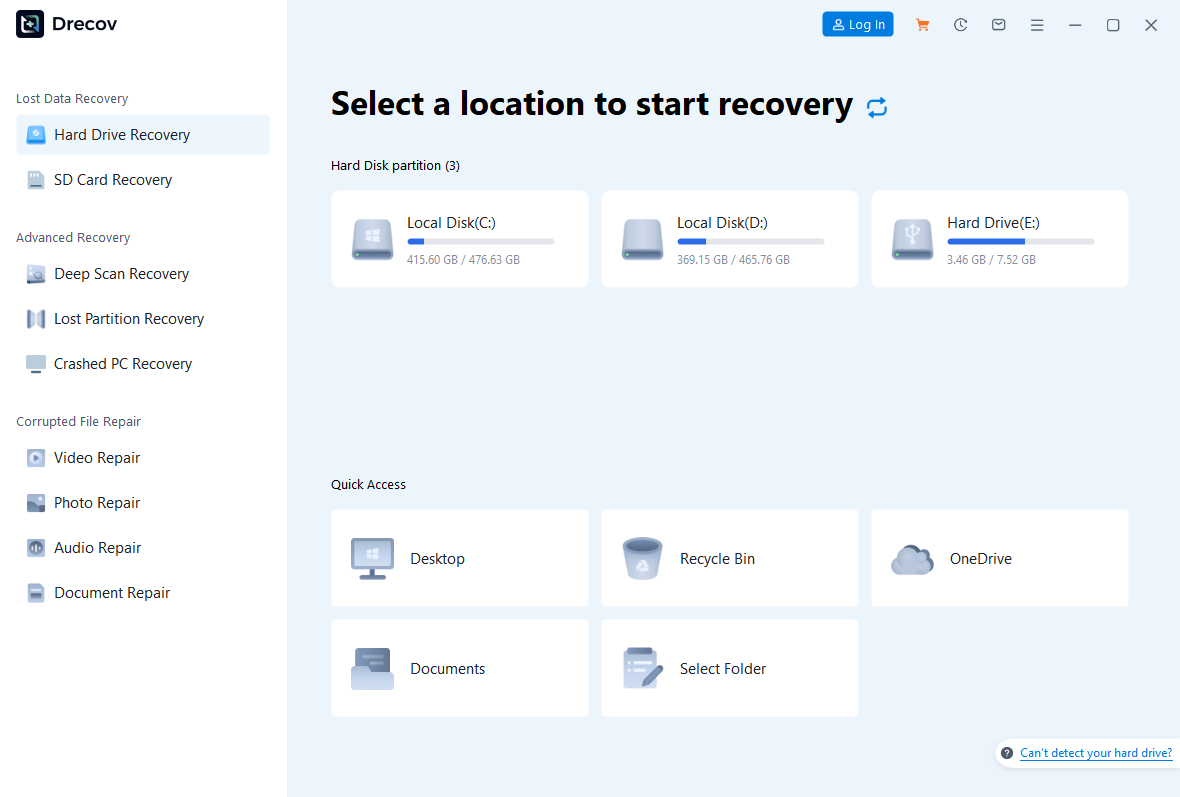
- Step 1: Select the Location. Launch PandaOffice Drecov. On the main interface, you will see a list of drives. Select the local disk (usually C:) where your OneDrive folder was located.
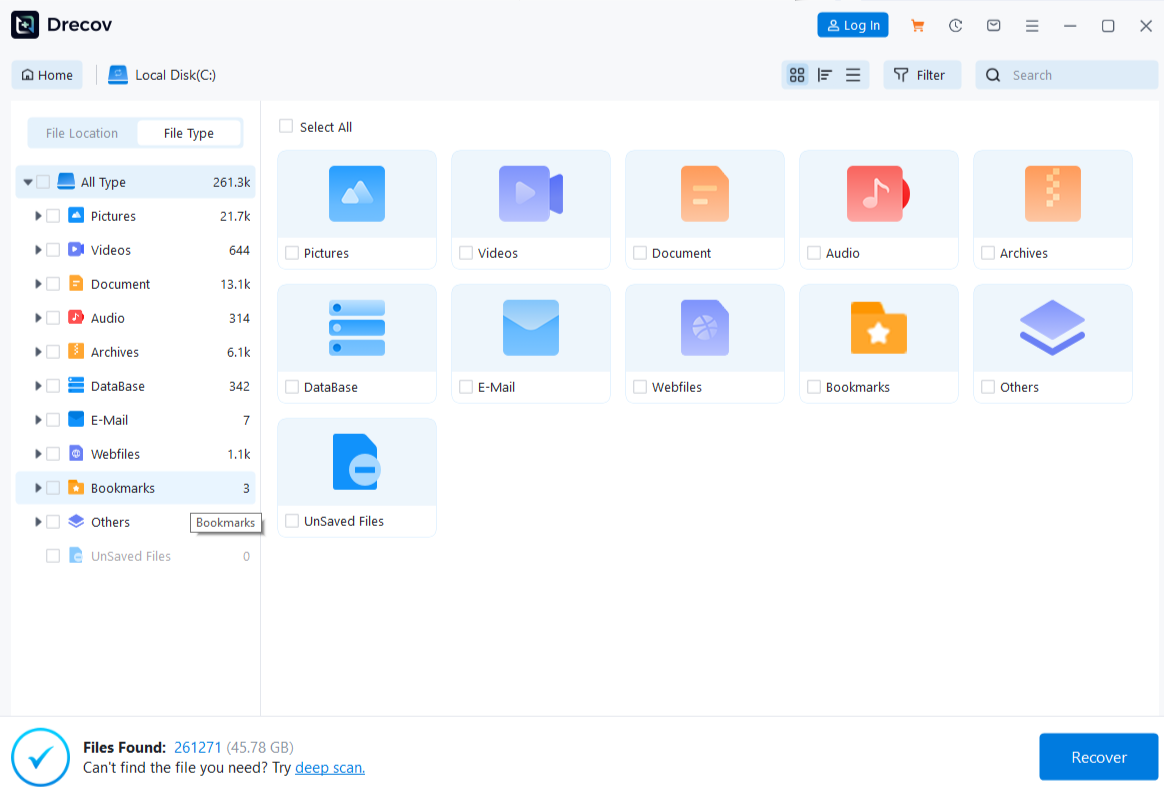
- Step 2: Start the Scan. Click the Scan button. The software will perform a Quick Scan followed by a Deep Scan to locate every recoverable fragment.
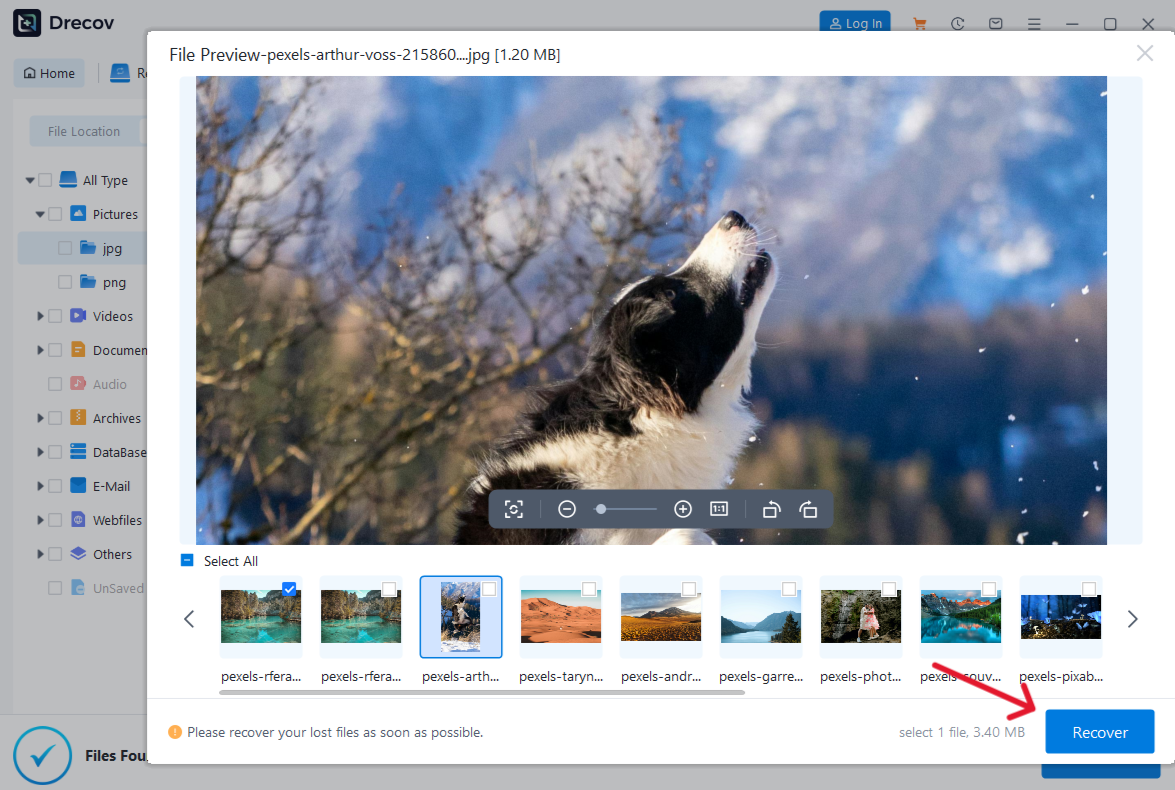
- Step 3: Preview the Results. One of the best features of Drecov is the preview function. Once the scan is complete, browse the folders. You can double-click files to see if they are intact before committing to the recovery.
- Step 4: Filter by File Type. If you are looking for a specific document lost during the disable process, use the filter sidebar to sort by “Documents” or “Modified Date.”
- Step 5: Recover. Select the files you need and click Recover.
Pro Tip: Never recover files back to the same drive they were lost from. Use an external USB drive or a different partition to prevent overwriting data fragments.
Whether you are dealing with a fixed Windows save as default location stuck on OneDrive issue or you need to know how to uninstall OneDrive on Windows or Mac entirely, being prepared is the key to success.
Don’t let sync errors dictate your workflow. Follow these steps, back up your files, and delete OneDrive the right way so you never lose your life’s work.
Common Errors When Learning How to Disable OneDrive
Many users run into “File in Use” errors when trying to move their data out of the cloud folders. To avoid this, ensure you have followed the unlinking steps mentioned in the first section of this guide.
If you encounter a “0x8007016A” error, it usually means the cloud provider is not running. You may need to briefly re-enable the service to “hydrate” (download) your files to the local disk before you can successfully disable OneDrive for good.
For more technical support, you can visit the Official Microsoft OneDrive Support Page to check for current server status or known bugs.
Managing Your Folders Post-OneDrive
Once you have successfully learned how to disable OneDrive, you need to reorganize your local storage. You might notice that your “Documents” folder still points to a path inside the OneDrive directory.
To fix this:
- Right-click your Documents folder in File Explorer.
- Select Properties.
- Go to the Location tab.
- Click Restore Default and then Move.
This ensures your Windows profile returns to a standard local configuration. If files go missing during this transition, remember that how to disable a folder from OneDrive and recover lost files is a common hurdle that Drecov is built to solve.
How to disable Onedrive FAQs
1. Will disabling OneDrive delete the files already stored in the cloud?
No, learning how to disable OneDrive only stops the synchronization process between your local computer and Microsoft’s servers. Any files previously uploaded will remain safely stored in your personal vault at OneDrive.com. You can log in via any web browser to view, download, or manage those files even after the app is turned off on your PC.
2. How do I stop OneDrive from starting automatically when I turn on my PC?
If you don’t want to fully uninstall the app but want to prevent it from consuming resources at startup, follow these steps:
- Step 1: Right-click the Taskbar and select Task Manager.
- Step 2: Click on the Startup apps tab (icon looks like a tachometer).
- Step 3: Find Microsoft OneDrive in the list.
- Step 4: Right-click it and select Disable. Now, the service will only run when you manually open the application.
3. Can I disable OneDrive for specific folders only?
Yes! If you are asking “how do I disable OneDrive for my ‘Pictures’ but keep it for ‘Documents’?”, you can use the “Choose Folders” feature.
- Step 1: Open OneDrive Settings.
- Step 2: Go to the Account tab and click Choose folders.
- Step 3: Uncheck the boxes for any folders you do not want to sync to your local drive. This saves significant disk space while keeping your most important files in the cloud.
4. Why does OneDrive keep reappearing after I disable it?
This usually happens because Windows Update or other Microsoft apps (like Office 365) trigger a “repair” or “re-installation” of the sync client. To how disable OneDrive permanently, the Registry Editor or Group Policy methods mentioned in the main article are the most effective, as they block the application at a system-wide permission level rather than just closing the software.
5. What should I do if my files are “Icons Only” after disabling the app?
If you see a blue cloud icon next to your file names, it means they are “Online-only” placeholders. If you disable OneDrive without downloading these first, you won’t be able to open them.
- Step 1: Re-enable OneDrive briefly.
- Step 2: Right-click your main OneDrive folder and select Always keep on this device.
- Step 3: Wait for the green checkmark icons to appear.
- Step 4: Proceed to disable the service safely. If you’ve already disabled the app and the files are gone, use PandaOffice Drecov to scan your local drive and recover the cached versions.
Conclusion
Mastering how to disable OneDrive gives you back control over your computer’s resources and your personal privacy. Whether you chose the simple unlinking method or the advanced Registry tweak, the goal is a streamlined, local-first computing experience. However, moving data is always risky. Always keep PandaOffice Drecov in your digital toolkit to act as a safety net.






