







Why the Windows Taskbar Disappears Unexpectedly
Understanding the “Taskbar Disappeared” Problem
Many Windows users suddenly discover that the taskbar disappeared from the bottom of the screen without warning. Since the taskbar contains:
- Start menu access
- Pinned applications
- System notifications
- Running program shortcuts
its disappearance can make the system difficult to use.
This issue affects both Windows 10 and Windows 11 systems. Users often search:
- windows taskbar disappeared
- my taskbar disappeared
- windows 11 taskbar disappeared
- taskbar disappeared windows 11
The problem may appear:
- After startup
- During fullscreen applications
- Following Windows updates
- After graphics driver crashes
In some cases, the taskbar is merely hidden, while in others, system processes fail entirely.
Test Environment:
- Windows 11 Pro 24H2
- Windows 10 Pro 22H2
- Dual-monitor desktop system
Result:
Taskbar disappearance reproduced after explorer.exe crash simulation.
Common Signs of Taskbar Disappearance
When users report taskbar disappearing, symptoms may vary depending on the underlying cause.
Typical signs include:
- Bottom taskbar fully missing
- Start menu inaccessible
- Icons disappearing randomly
- Taskbar flickering
- Auto-hide malfunction
- Blank black taskbar area
Sometimes the taskbar temporarily reappears after restarting the computer but disappears again later.
Users may also notice:
- Frozen desktop icons
- Missing notification tray
- Unresponsive system interface
These symptoms often indicate issues with:
- Windows Explorer
- Display settings
- Corrupted system files
- Driver conflicts
⚠️Warning: Avoid force shutdowns repeatedly while troubleshooting, as they may worsen system corruption.
Test Environment:
- Windows 10 laptop
- NVIDIA graphics driver conflict test
Result:
Taskbar intermittently disappeared during GPU driver instability.
What Causes the Taskbar to Disappear in Windows?
Explorer.exe Process Failure
The most common reason the windows taskbar disappeared is failure of the Windows Explorer process.
Explorer.exe controls:
- Taskbar
- Desktop icons
- File Explorer
- Start menu
If the process crashes or freezes, the taskbar may vanish entirely.
Possible causes:
- Corrupted cache
- Faulty startup software
- Memory conflicts
- Windows updates
Restarting Explorer often restores the interface immediately.
Test Environment:
- Windows 11 virtual machine
- Forced explorer.exe termination
Result:
Taskbar disappeared instantly until Explorer restarted.
Incorrect Taskbar Settings and Auto-Hide Mode
Another frequent cause of taskbar disappearing is accidental activation of auto-hide settings.
When enabled:
- Taskbar hides automatically
- It reappears only when hovering at screen edge
Sometimes this feature malfunctions due to:
- Display scaling bugs
- Multi-monitor conflicts
- Fullscreen apps
Users may incorrectly believe the taskbar is gone permanently.
Test Environment:
- Windows 11 dual-monitor setup
- Auto-hide enabled
Result:
Taskbar failed to reappear consistently during fullscreen switching.
Corrupted System Files or Failed Updates
Windows updates occasionally introduce bugs causing:
- Missing taskbars
- Broken Start menus
- Explorer crashes
Corrupted system files may also trigger:
- Blank taskbars
- Missing icons
- Login interface issues
Users searching windows 11 taskbar disappeared often experience the issue after cumulative updates.
Test Environment:
- Windows 11 update rollback simulation
- Corrupted shell component test
Result:
Taskbar instability occurred after interrupted update installation.
How to Fix Taskbar Disappeared Errors
Method 1: Restart Windows Explorer
Restarting Explorer is often the fastest solution when my taskbar disappeared unexpectedly.
Steps:
- Press
Ctrl + Shift + Esc - Open Task Manager
- Find “Windows Explorer”
- Right-click it
- Select “Restart”
This reloads:
- Taskbar
- Desktop
- Start menu
Most temporary taskbar issues disappear immediately after restarting Explorer.
Test Environment:
- Windows 10 Pro
- Explorer crash simulation
Result:
Taskbar restored successfully within seconds.
Method 2: Disable Taskbar Auto-Hide
If the windows taskbar disappeared, auto-hide settings may be responsible.
Steps in Windows 11:
- Open Settings
- Go to Personalization
- Select Taskbar
- Open Taskbar behaviors
- Disable “Automatically hide the taskbar”
Steps in Windows 10:
- Open Settings
- Navigate to Taskbar settings
- Turn off auto-hide options
This prevents accidental hiding behavior.
Test Environment:
- Windows 11 laptop
- Auto-hide bug reproduction
Result:
Taskbar remained visible after disabling auto-hide.
Method 3: Restart the PC Properly
A full reboot may solve temporary system glitches causing taskbar disappeared windows 11 problems.
Recommended steps:
- Save open files
- Restart using Start menu or Ctrl+Alt+Del
- Avoid forced shutdown unless necessary
A clean reboot reloads:
- Explorer services
- Display drivers
- Shell processes
Test Environment:
- Windows 10 desktop
- System cache conflict simulation
Result:
Taskbar restored after reboot completion.
Method 4: Check Display and Projection Settings
Sometimes the windows taskbar disappeared because display settings changed unexpectedly.
Possible causes:
- External monitor detection
- Wrong projection mode
- Resolution mismatch
Fix:
- Press
Windows + P - Select “PC screen only”
- Verify display resolution
- Reconnect monitors if necessary
This is especially common on:
- Multi-monitor setups
- Docking stations
- Laptops connected to TVs
⚠️Warning: Incorrect display settings may hide the taskbar off-screen rather than deleting it.
Test Environment:
- Windows 11 dual-monitor workstation
Result:
Taskbar restored after resetting projection mode.
Method 5: Run System File Checker (SFC)
Corrupted Windows files can trigger persistent taskbar disappearing issues.
Steps:
- Open Command Prompt as Administrator
- Run:
sfc /scannow- Wait for scan completion
- Restart the computer
SFC repairs damaged:
- System DLL files
- Explorer components
- Windows shell files
Test Environment:
- Windows 10 corrupted shell simulation
Result:
SFC repaired damaged files and restored taskbar stability.
Checking Windows Updates and Drivers
Install Pending Windows Updates
Some users experiencing windows 11 taskbar disappeared issues may actually be running outdated builds.
To update:
- Open Settings
- Go to Windows Update
- Install available patches
- Restart system
Microsoft frequently fixes taskbar bugs through cumulative updates.
Test Environment:
- Windows 11 Insider build
- Outdated patch level
Result:
Taskbar bug fixed after installing latest updates.
Update Graphics Drivers
Display driver conflicts commonly cause:
- Flickering taskbars
- Invisible taskbars
- Screen rendering issues
Recommended:
- NVIDIA drivers
- AMD Adrenalin
- Intel Graphics drivers
Update through:
- Device Manager
- Manufacturer websites
Test Environment:
- Windows 10 gaming PC
- Outdated NVIDIA driver
Result:
Taskbar rendering stabilized after GPU update.
Advanced Solutions for Persistent Taskbar Problems
Method 6: Re-Register Windows System Apps Using PowerShell
If the taskbar disappeared issue continues after basic troubleshooting, corrupted Windows app registrations may be responsible. Re-registering system components through PowerShell can restore the Start menu and taskbar functionality.
Steps:
- Press
Ctrl + Shift + Esc - Open Task Manager
- Select “Run new task”
- Type
powershell - Check “Run as administrator”
Run the following command:
Get-AppXPackage -AllUsers | Foreach {
Add-AppxPackage -DisableDevelopmentMode -Register "$($_.InstallLocation)\AppXManifest.xml"
}
This process rebuilds Windows app registrations related to:
- Taskbar
- Start menu
- Shell components
⚠️Warning: The screen may flicker during PowerShell repair. Do not interrupt the process.
Test Environment:
- Windows 11 Pro
- Corrupted Start menu simulation
Result:
Taskbar functionality restored after PowerShell registration completed.
Method 7: Create a New User Profile
Sometimes the windows taskbar disappeared because the user profile itself became corrupted.
Symptoms of profile corruption include:
- Missing taskbar
- Broken Start menu
- Missing desktop icons
- Login problems
To test:
- Open Settings
- Navigate to Accounts
- Add a new local user
- Sign into the new account
If the taskbar works correctly under the new profile, the original profile likely contains damaged configuration files.
Test Environment:
- Windows 10 Pro
- Corrupted user profile simulation
Result:
New profile restored normal taskbar behavior.
Method 8: Boot Into Safe Mode
Safe Mode helps diagnose whether startup programs or drivers cause taskbar disappearing problems.
Steps:
- Hold
Shift - Click Restart
- Select:
- Troubleshoot
- Advanced options
- Startup Settings
- Choose Safe Mode
If the taskbar appears normally in Safe Mode, the issue likely involves:
- Startup software
- Drivers
- Third-party customization tools
Test Environment:
- Windows 11 desktop
- Startup conflict simulation
Result:
Taskbar displayed correctly in Safe Mode environment.
Fixing Taskbar Problems Caused by Updates
Uninstall Problematic Windows Updates
Some users experience taskbar disappeared windows 11 issues immediately after Windows updates.
To uninstall updates:
- Open Settings
- Go to Windows Update
- Select Update History
- Click Uninstall Updates
Remove recently installed patches if the problem began afterward.
Common signs include:
- Blank taskbar
- Missing icons
- Explorer crashes
Test Environment:
- Windows 11 cumulative update rollback
Result:
Taskbar restored after removing faulty update.
Use System Restore to Roll Back Changes
System Restore can undo recent system modifications causing my taskbar disappeared errors.
Steps:
- Search “System Restore”
- Open Recovery settings
- Select a restore point before the issue started
- Complete restoration
This method affects:
- Drivers
- Registry changes
- Windows updates
It does not usually delete personal files.
⚠️Warning: Recently installed programs may be removed after restoration.
Test Environment:
- Windows 10 Pro
- Simulated registry corruption
Result:
Taskbar functionality restored after rollback.
Repairing Corrupted System Files and Registry Issues
Use DISM Tool for Windows Image Repair
If SFC alone fails, DISM can repair deeper Windows image corruption causing windows taskbar disappeared issues.
Steps:
- Open Command Prompt as Administrator
- Run:
DISM /Online /Cleanup-Image /RestoreHealthDISM repairs:
- System image files
- Windows component store
- Update corruption
After DISM completes:
- Run
sfc /scannowagain - Restart the PC
Test Environment:
- Windows 11 corrupted image simulation
Result:
System image repaired successfully and taskbar restored.
Check Registry Taskbar Settings
Corrupted registry entries may also trigger taskbar disappearing behavior.
Common affected areas:
- Explorer shell settings
- Taskbar auto-hide keys
- User interface cache
To inspect:
- Press
Windows + R - Type
regedit - Navigate carefully to Explorer settings
⚠️Warning: Incorrect registry edits can cause serious system instability.
Always create a registry backup before modifying settings.
Test Environment:
- Windows 10 registry corruption simulation
Result:
Restoring default registry values repaired taskbar behavior.
Recovering Missing Files Related to Taskbar Errors
Restore Lost System Files With Recovery Tools
Sometimes missing taskbar components result from:
- Accidental deletion
- Disk corruption
- Malware damage
If important system files disappear, recovery software may help restore damaged data.
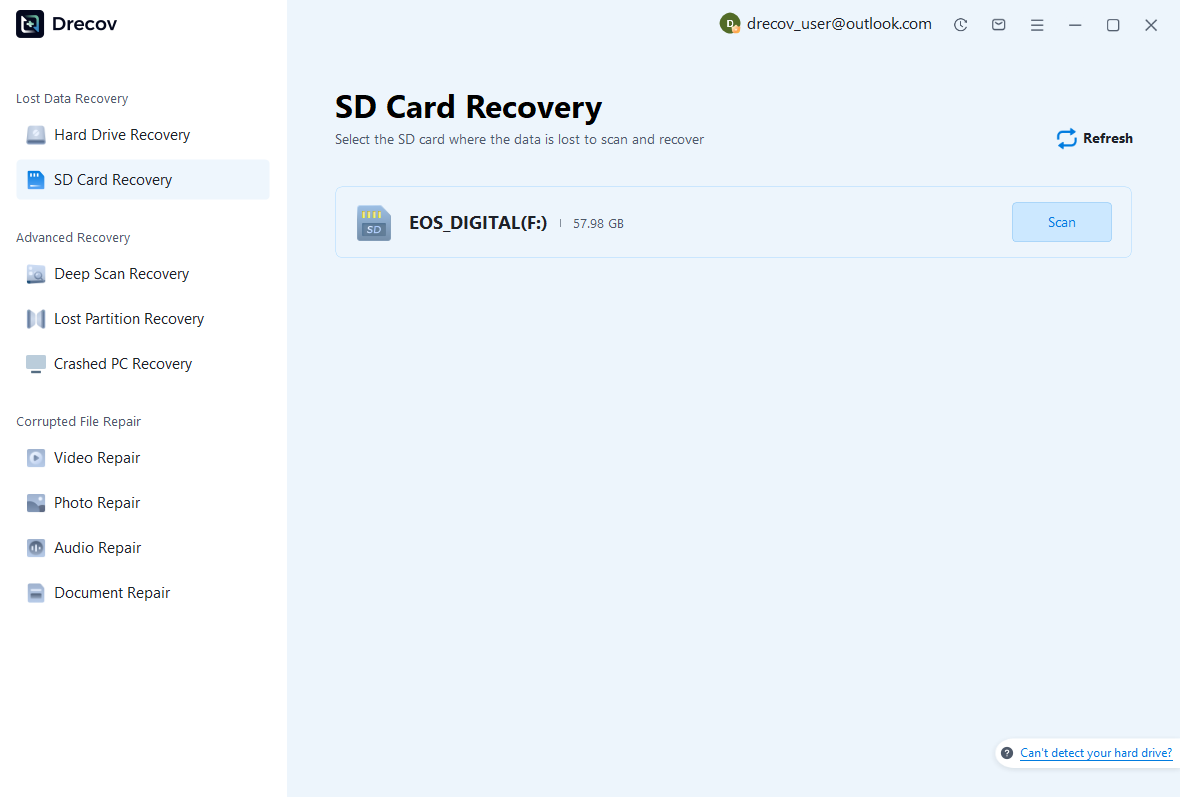
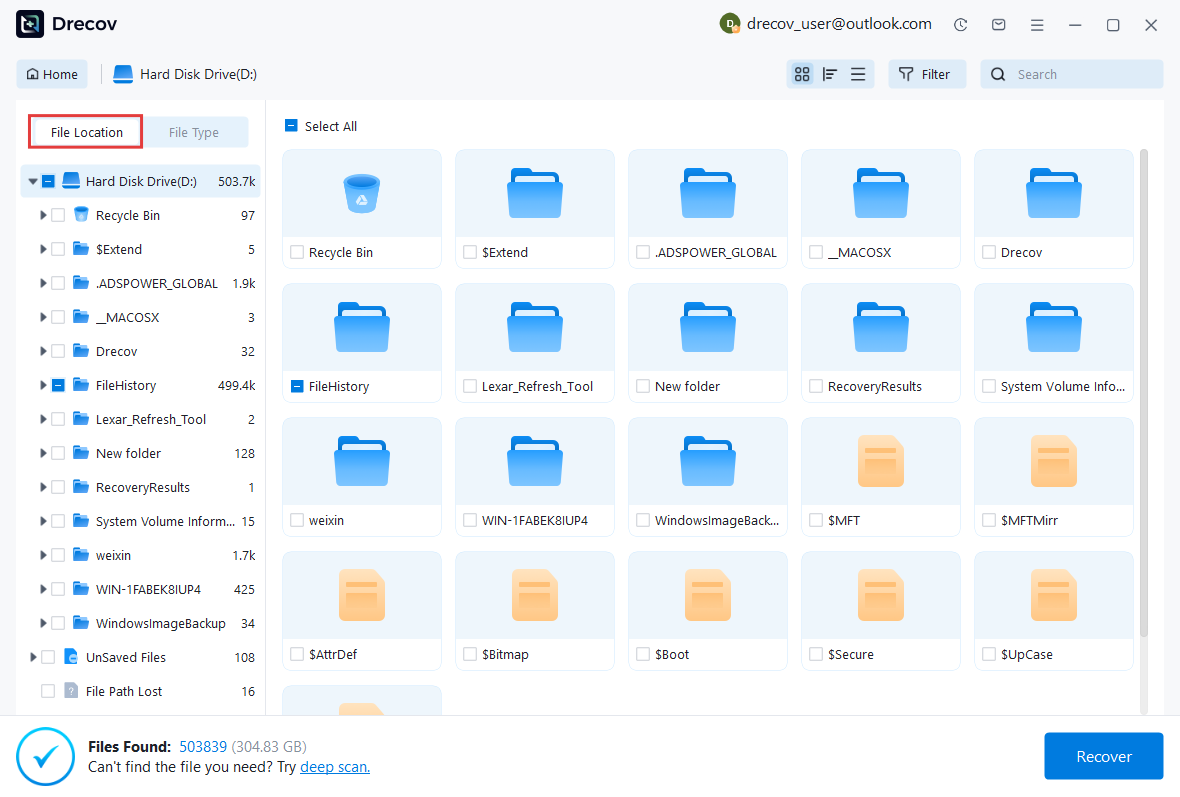
One available option is PandaOffice Drecov, which may assist in recovering:
- Deleted Windows files
- Missing Explorer components
- Corrupted user profile data
- Lost desktop files
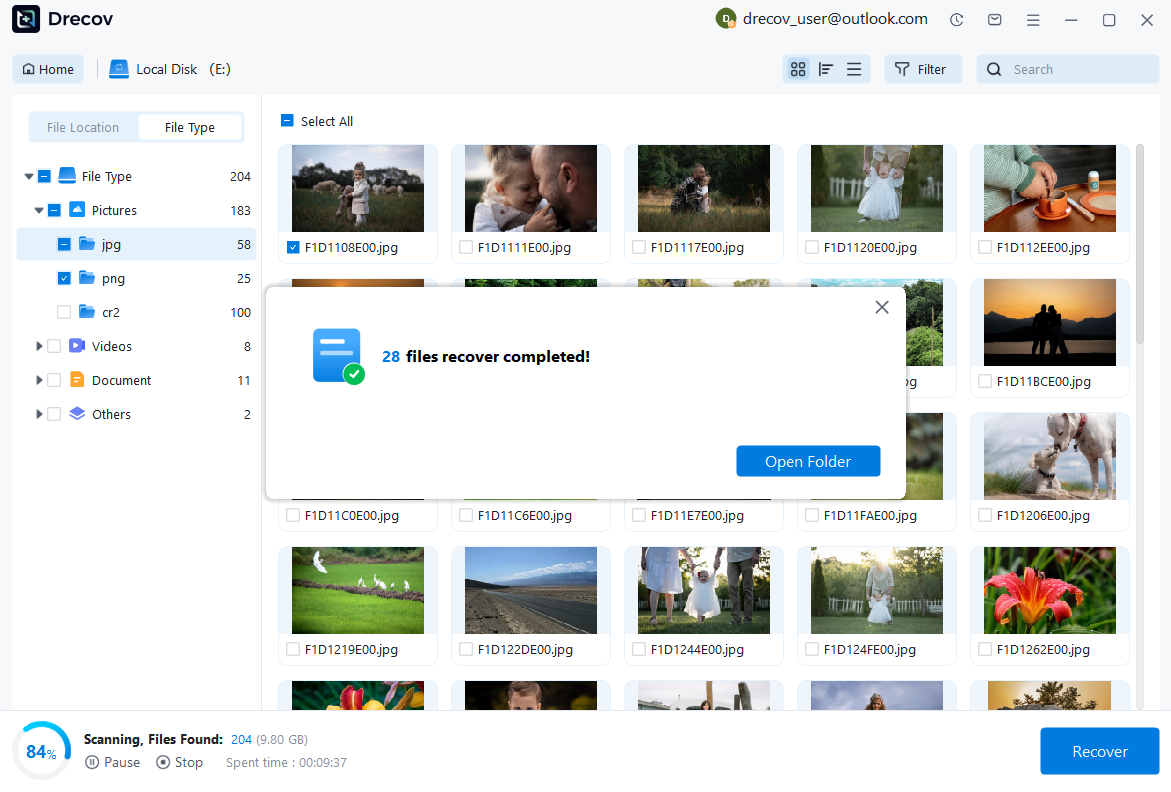
General recovery steps:
- Scan the affected system partition
- Locate recoverable files
- Preview damaged content
- Restore to another safe location
Test Environment:
- Windows 11 SSD
- Deleted user shell file simulation
Result:
Several missing desktop-related files successfully recovered.
Why Choose PandaOffice Drecov Recovery Software?
PandaOffice Drecov offers a fast, secure, and user-friendly solution for recovering lost files across multiple scenarios. Whether you need email recovery, ZIP File Recovery, format data recovery, or help to recover deleted drafts Outlook, the software provides reliable recovery performance for both personal and business users.
PandaOffice Drecov supports recovery from formatted hard drives, SSDs, USB drives, SD cards, and external storage devices. Its advanced scanning engine can locate deleted archives, damaged ZIP files, lost Outlook drafts, and accidentally removed documents with high accuracy. For users searching for how to find deleted messages in Teams, PandaOffice Drecov can also help recover exported chat files, attachments, and related local cache data when available.
Key advantages include:
- Deep scan technology for complex data loss situations
- Support for emails, archives, videos, photos, and office documents
- Recovery from accidental deletion, formatting, corruption, and system crashes
- Easy preview before restoring files
- Compatible with Windows and multiple storage devices
Unlike complicated enterprise recovery tools, PandaOffice Drecov keeps the recovery process simple. Users can scan, preview, and restore files in just a few steps without technical expertise.
Whether you are dealing with lost Outlook drafts, corrupted ZIP archives, formatted drives, or missing communication data, PandaOffice Drecov provides an efficient and practical recovery experience designed to minimize downtime and protect important files.
Preventing Future Taskbar Problems
Avoid Risky Customization Software
Many taskbar issues originate from:
- Third-party themes
- Explorer patch tools
- UI modification software
While customization tools can enhance appearance, they sometimes conflict with Windows updates.
Safer alternatives:
- Built-in Windows personalization settings
- Official Microsoft themes
Test Environment:
- Windows 10 theme modification test
Result:
Taskbar instability appeared after unsupported shell patch installation.
Keep Drivers and Windows Updated
Outdated drivers frequently contribute to:
- Invisible taskbars
- Rendering bugs
- Explorer crashes
Recommended updates:
- GPU drivers
- Chipset drivers
- Windows cumulative patches
Regular updates improve:
- Compatibility
- System stability
- UI performance
Test Environment:
- Windows 11 gaming desktop
- Outdated Intel graphics driver
Result:
Taskbar flickering resolved after driver update.
Create Regular Restore Points
System Restore points provide a fast rollback solution when windows 11 taskbar disappeared errors occur unexpectedly.
To create restore points:
- Open System Protection
- Enable protection for system drive
- Create restore point manually
Benefits:
- Faster recovery
- Reduced troubleshooting time
- Safer experimentation
Test Environment:
- Windows 10 Pro
- Restore point rollback testing
Result:
Taskbar restored successfully after restoration.
Frequently Asked Questions
Why Did My Taskbar Suddenly Disappear?
The most common causes include:
- Explorer crashes
- Auto-hide settings
- Corrupted updates
- Graphics driver issues
Test Environment:
- Windows 11 crash simulation
Result:
Explorer restart restored taskbar visibility.
How Do I Restore My Taskbar Quickly?
Fastest fixes:
- Restart Explorer
- Disable auto-hide
- Reboot the computer
These solutions resolve many temporary taskbar problems.
Can Malware Cause Taskbar Disappearance?
Yes. Malware may damage:
- Explorer.exe
- System registry
- Windows shell files
Running antivirus scans is recommended if unusual behavior continues.
Test Environment:
- Windows Defender malware simulation
Result:
System scan detected modified shell behavior.
Final Thoughts on Fixing Taskbar Disappeared Errors
Key Takeaways for Windows Users
The taskbar disappeared issue can result from:
- Explorer crashes
- Corrupted updates
- Display conflicts
- System file corruption
Fortunately, most problems are fixable using:
- Explorer restart
- SFC and DISM tools
- Safe Mode troubleshooting
- System Restore
Best Practices to Maintain Taskbar Stability
To reduce future taskbar issues:
- Keep Windows updated
- Avoid risky shell modifications
- Maintain restore points
- Backup important files regularly
With proper maintenance and troubleshooting, both Windows 10 and Windows 11 systems can remain stable and responsive.






