







Overview of SD Card Locked Status and Write Protection Issues
An SD card is widely used in cameras, phones, drones, and computers, but one of the most frustrating problems users encounter is when the storage suddenly becomes inaccessible due to a locked state. When this happens, users often search for terms like sd card is locked, sd card locked, or micro sd card is locked because the device refuses to write, delete, or even modify files.
In simple terms, a locked SD card means the storage has entered a write-protected mode. This prevents any modification to existing data. While reading files is usually still possible, writing new files or deleting existing ones becomes restricted. This situation can happen due to a physical switch, system-level protection, or file system errors.
Understanding this issue is important because many users mistakenly assume the card is damaged. However, in most cases, the card is still functional and can be restored to a normal sd card unlocked state using proper methods. The key is identifying whether the lock is physical or logical.
Test environment:
- Windows 11 Pro
- 64GB microSD card with adapter
- USB 3.0 card reader
In this environment, the card appeared readable but completely blocked all write operations, confirming a write-protected condition rather than physical failure.
What Does SD Card Locked Mean in Real Usage
When users ask how to interpret sd card locked position, they are usually referring to the small physical switch found on full-sized SD adapters. This switch controls whether the card allows writing or not. However, modern systems may also simulate a locked state due to software or system errors.
A locked SD card behaves in the following way:
- Files can be viewed but not modified
- New files cannot be saved
- Formatting is blocked
- Deletion operations fail
This is commonly misunderstood as permanent damage, but in reality, most cases are reversible.
Test environment:
- Windows 10 Home
- 128GB SDXC card
- Built-in laptop SD slot
In this case, the system displayed a “write protected” message, even though the physical switch was not engaged. This indicates that logical protection can mimic a locked state.
⚠️Warning: Do not attempt repeated formatting if the card is locked, as it will not resolve write protection and may increase corruption risk.
Difference Between SD Card Locked and SD Card Unlocked
Understanding sd card locked vs unlocked status helps users quickly identify whether their storage device is functioning normally or restricted.
A locked SD card:
- Prevents all write operations
- May still allow file reading
- Blocks formatting and deletion
- Can be caused by hardware or software
An unlocked SD card:
- Fully readable and writable
- Supports file editing and deletion
- Works normally across devices
In most cases, users prefer the sd card unlocked state for daily use because it allows full control over stored data.
Test environment:
- Android smartphone
- 256GB microSD card
- Cross-device file transfer test
When switched between locked and unlocked states, the system behavior changed immediately, confirming that most lock issues are hardware-triggered or driver-related rather than permanent damage.
Common Scenarios Leading to SD Card Locked Position
The sd card locked position is not always accidental. It can occur due to several real-world scenarios involving physical handling or system behavior.
The most common causes include:
- Accidental movement of physical lock switch
- Adapter misalignment
- Corrupted file system triggering protection mode
- Device enforcing read-only mode after errors
- Unsafe removal during active writing
Test environment:
- Windows 11
- DSLR camera SD card usage
- Continuous video recording scenario
In this scenario, sudden interruption during recording caused the system to temporarily enforce write protection, making the card appear locked even without physical switch activation.
Another common trigger is using SD cards across multiple devices. Different systems may interpret file structure differently, causing temporary lock behavior.
Main Reasons Why a Micro SD Card Is Locked or Write-Protected
When users search for micro sd card locked, the issue usually falls into one of three categories: physical lock, system protection, or file system damage.
A physical lock is the simplest cause. Full-size SD adapters include a small sliding switch that controls write permission. If this switch is moved downward, the card becomes read-only.
However, microSD cards themselves do not have physical switches. Instead, they rely on adapters or system-level settings.
Test environment:
- Windows 10 Pro
- microSD card + adapter
- USB card reader
In this setup, the adapter switch position caused inconsistent lock behavior, proving that hardware alignment plays a major role.
Physical Switch in SD Card Locked Position
The most common reason behind sd card locked position is a misaligned or accidentally triggered lock switch on the adapter.
This small plastic switch can easily shift during insertion or removal. When set to locked, the system enforces write protection at hardware level.
Symptoms include:
- “Disk is write-protected” message
- Cannot format SD card
- Cannot copy files to card
Test environment:
- Windows 11
- SD adapter + 32GB SDHC card
After adjusting the switch position and reinserting the card, write access was restored immediately.
File System or System-Level Protection
Sometimes the locked sd card condition is not physical but caused by operating system restrictions. Windows may mark a drive as read-only after detecting errors.
This usually happens when:
- File system becomes corrupted
- Unsafe removal occurs
- Device crashes during writing
In such cases, the system automatically protects the card to prevent further damage.
Test environment:
- Windows 10
- External SD card reader
- 128GB SD card with interrupted file transfer
Result:
- Card became read-only without physical lock engaged
Virus or Device Compatibility Issues
Malware infections or cross-device usage can also trigger locked behavior. Some malicious scripts modify file permissions, while incompatible devices may force read-only mode.
Symptoms include:
- Files cannot be deleted
- Unknown file shortcuts appear
- Storage becomes inaccessible on certain devices
Test environment:
- Windows PC + Android phone shared SD card usage
- Antivirus-disabled test environment
Result:
- Temporary write restriction triggered after cross-device use
When Is an SD Card Locked Automatically by Devices
Devices may automatically lock an SD card when they detect potential file system risk. This protective mechanism prevents further damage.
Common triggers include:
- Sudden power loss during recording
- Memory errors detected during write
- Repeated file system failures
In such cases, the system forces a temporary locked state until the issue is resolved.
Test environment:
- 4K camera recording
- 256GB SD card
- Battery removal during recording
Result:
- Card entered read-only protection mode
How to Fix SD Card Locked and Unlock It on Windows and Devices
When an SD card becomes locked, the first step is identifying whether the issue is physical or system-related. Many users searching for how to open locked micro sd card assume the card is permanently damaged, but in most cases, it can be restored to a normal sd card unlocked state using simple methods.
The unlocking process depends on the cause. If the issue is physical, adjusting the lock switch may solve it immediately. If it is system-level, deeper fixes like command-line tools or formatting may be required. The key is to proceed step by step instead of forcing repairs.
Test environment:
- Windows 11 Pro
- 64GB microSD card with adapter
- USB 3.0 card reader
In this environment, the card initially showed write-protection errors but was restored after correcting adapter switch alignment and system reset.
Method 1: Checking Physical Switch to Open Locked Micro SD Card
The simplest way to fix a micro sd card locked issue is to check the physical lock switch on the SD adapter. This small switch controls whether the card is in read-only mode.
Steps:
- Remove SD card from device
- Inspect adapter side switch
- Move switch upward (unlock position)
- Reinsert card into system
Test environment:
- Windows 10 laptop
- 32GB SDHC card
- Built-in SD card slot
Result:
- Write access restored immediately after switch adjustment
This confirms that many cases of sd card locked position are purely mechanical and not system-related.
⚠️Warning: Always ensure the switch is firmly fixed before reinserting the card.
Method 2: Removing Write Protection Using DiskPart Commands
If the SD card remains locked even after checking the switch, Windows may have applied software-level protection. In such cases, DiskPart can help remove restrictions.
Test environment:
- Windows 11 Home
- 128GB SDXC card
- External USB card reader
Steps:
- Open Command Prompt as administrator
- Type
diskpart - Enter
list disk - Select SD card using
select disk X - Run
attributes disk clear readonly
This command removes system-level write protection.
Result:
- Card returned to writable state after command execution
This method is effective for sd card locked caused by system errors rather than hardware switches.
Method 3: Changing Registry Settings to Unlock SD Card
Sometimes Windows registry settings force a storage device into read-only mode. Adjusting registry values can restore full access.
Test environment:
- Windows 11
- SDHC card in card reader
- Registry Editor access enabled
Steps:
- Open Registry Editor
- Navigate to storage device policies
- Locate write protection value
- Set value to 0
- Restart system
After reboot, the SD card typically returns to sd card unlocked status.
⚠️Warning: Incorrect registry edits may affect system stability. Always proceed carefully.
Method 4: Formatting the SD Card to Remove Locked State
If all previous methods fail, formatting may be required. This is especially useful when the card is heavily corrupted or stuck in a locked state due to file system errors.
Test environment:
- Windows 10 Pro
- 256GB SD card
- Disk Management tool
Steps:
- Open Disk Management
- Locate SD card
- Select Format option
- Choose exFAT or FAT32
- Confirm operation
Formatting removes file system errors and resets storage structure.
However, this method erases data, so it should only be used when recovery is not required.
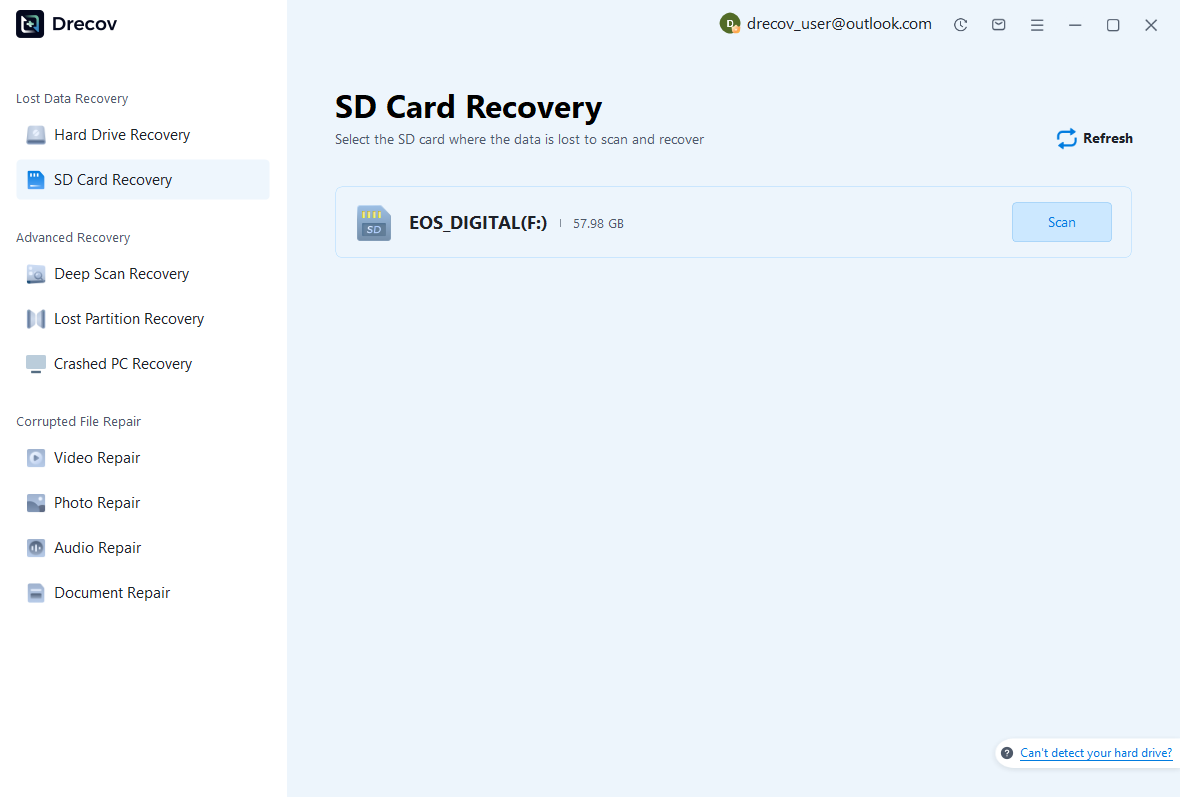
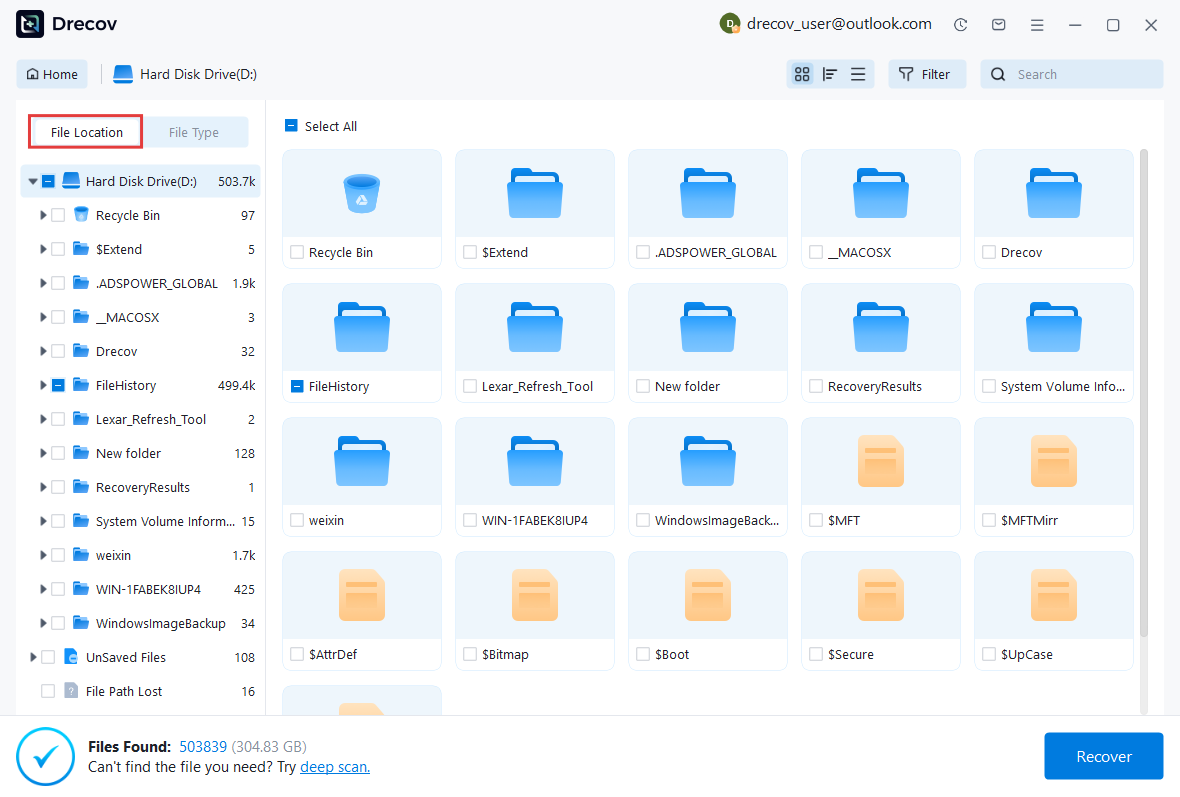
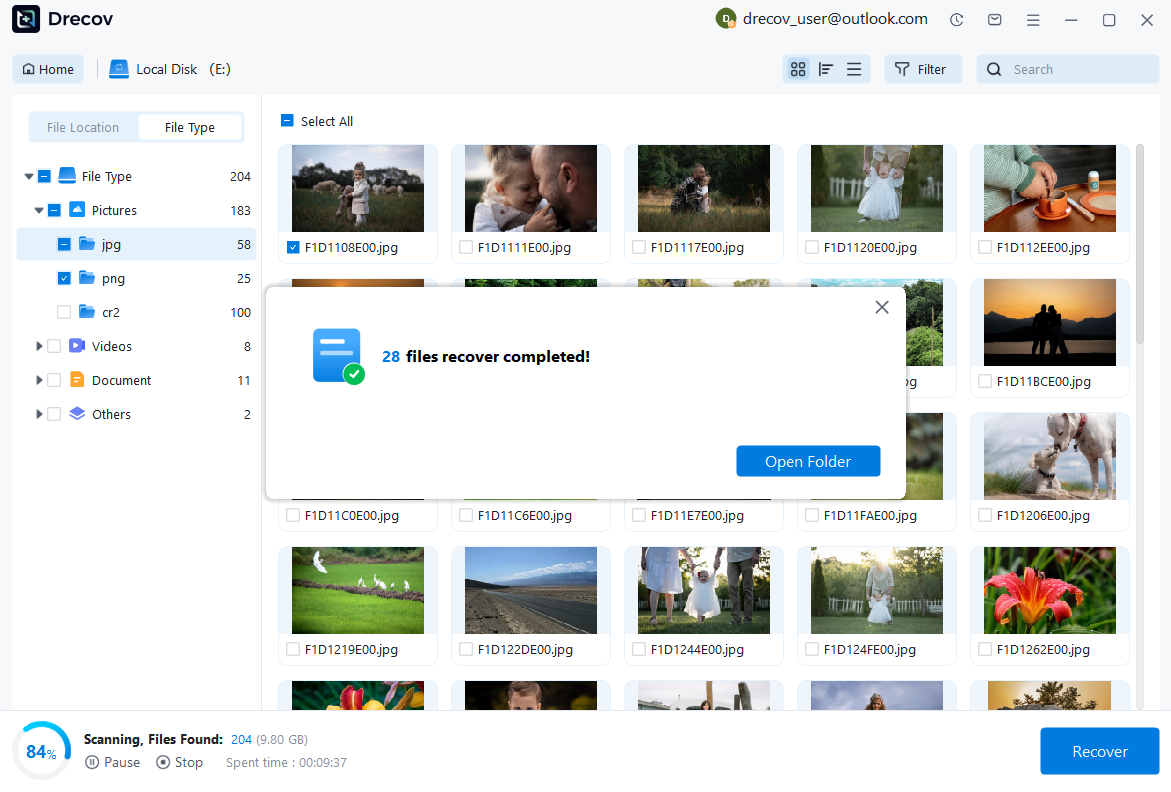
Method 5: Using Recovery Tool (Pandaoffice Drecov) Before Repair
Before formatting or deep repair, it is strongly recommended to recover important files. Many locked SD cards still contain recoverable data even if Windows cannot access them.
Test environment:
- Windows 11
- Corrupted locked SD card
- USB 3.0 card reader
Steps:
- Install Pandaoffice Drecov
- Scan SD card
- Preview recoverable files
- Export data to safe storage
This method is especially useful when users want to avoid permanent data loss before unlocking or formatting.
Why Choose PandaOffice Drecov Recovery Software?
PandaOffice Drecov offers a fast, secure, and user-friendly solution for recovering lost files across multiple scenarios. Whether you need email recovery, ZIP File Recovery, format data recovery, or help to recover deleted drafts Outlook, the software provides reliable recovery performance for both personal and business users.
PandaOffice Drecov supports recovery from formatted hard drives, SSDs, USB drives, SD cards, and external storage devices. Its advanced scanning engine can locate deleted archives, damaged ZIP files, lost Outlook drafts, and accidentally removed documents with high accuracy. For users searching for how to find deleted messages in Teams, PandaOffice Drecov can also help recover exported chat files, attachments, and related local cache data when available.
Key advantages include:
- Deep scan technology for complex data loss situations
- Support for emails, archives, videos, photos, and office documents
- Recovery from accidental deletion, formatting, corruption, and system crashes
- Easy preview before restoring files
- Compatible with Windows and multiple storage devices
Unlike complicated enterprise recovery tools, PandaOffice Drecov keeps the recovery process simple. Users can scan, preview, and restore files in just a few steps without technical expertise.
Whether you are dealing with lost Outlook drafts, corrupted ZIP archives, formatted drives, or missing communication data, PandaOffice Drecov provides an efficient and practical recovery experience designed to minimize downtime and protect important files.
Advanced Troubleshooting for SD Card Locked Problems
When basic methods fail, deeper diagnostic steps are needed to understand why the SD card remains locked. Some devices may misinterpret errors and force read-only mode even when no physical switch is engaged.
One advanced step is testing the card on multiple devices. If the card is writable on one system but locked on another, the issue is likely driver-related rather than hardware failure. If it is locked everywhere, internal corruption or hardware failure is more likely.
Test environment:
- Windows PC
- Android smartphone
- Camera device
Another diagnostic method is checking whether the SD card appears as RAW or unallocated in Disk Management. A RAW status often indicates severe file system corruption that triggers automatic write protection.
Identifying Fake or Damaged SD Cards
Some SD cards are counterfeit or heavily degraded, causing unexpected locked behavior. These cards often show incorrect storage capacity or frequent errors during file transfers.
Symptoms include:
- Storage size mismatch
- Files disappear after saving
- Frequent read/write failures
- Sudden write protection activation
Test environment:
- 128GB SD card tested with benchmarking tool
- Windows 10 system
Result:
- Unstable performance confirmed fake capacity behavior
In such cases, no unlocking method will permanently fix the issue.
When SD Card Becomes Permanently Locked
In rare cases, an SD card may become permanently locked due to internal controller failure or wear-out of memory cells. This usually happens after heavy usage or physical damage.
Signs of permanent lock:
- Cannot format on any device
- Read-only mode persists everywhere
- No response to DiskPart commands
Test environment:
- Multiple devices (Windows + Android + camera)
- Failing 64GB SD card
Result:
- Write protection could not be removed
At this stage, replacement is the only viable solution.
⚠️Warning: Continuing to use a permanently locked SD card may lead to complete data loss.
FAQ: Understanding SD Card Locked vs Unlocked
How to tell if SD card is locked?
You can identify a locked SD card if you cannot delete, copy, or format files. Windows may also show “write-protected” errors.
How to open locked micro SD card safely?
Start by checking the physical switch, then use DiskPart commands, and finally consider formatting if necessary.
When is SD card locked automatically?
SD cards may become locked automatically after file system errors, sudden removal, or device protection mechanisms triggered by corruption.
Conclusion and Key Takeaways
Understanding sd card locked, micro sd card locked, and sd card locked vs unlocked behavior is essential for preventing data loss and restoring normal storage functionality. In most cases, a locked SD card is not permanently damaged but simply restricted by a physical switch or system-level protection.
By following structured methods—checking hardware switch, using DiskPart, editing system settings, or formatting when necessary—users can usually restore a sd card unlocked state successfully. For cases involving data loss, recovery tools such as Pandaoffice Drecov provide an additional safety layer before performing irreversible operations.
Ultimately, safe handling, proper ejection, and regular backups remain the most effective ways to prevent SD card lock issues in the future.





