







Why Outlook Signatures Matter for Email Communication
Understanding the Purpose of Outlook Signatures
An email signature is more than a name placed at the end of a message. It acts as a digital business card that helps recipients identify the sender quickly. Many professionals use Outlook signatures to include:
- Contact details
- Company information
- Website links
- Social media profiles
- Branding elements
Because signatures often contain important business information, users frequently search for how to save signature in Outlook when switching devices or reinstalling Windows.
Outlook allows users to create multiple signatures for:
- Business emails
- Personal communication
- Marketing campaigns
- Team collaboration
The signature system is available in:
- Outlook desktop app
- Outlook 365
- Outlook web version
Understanding where Outlook stores signatures makes exporting and transferring them much easier.
Test Environment:
- Windows 10 Pro
- Microsoft Outlook 365
- Local Exchange account
- 16GB RAM
Result:
- Multiple signatures created and synchronized successfully
Common Reasons Users Want to Save Outlook Signatures
Many users spend considerable time designing professional signatures with:
- Logos
- Images
- Custom formatting
- Hyperlinks
Losing these settings after reinstalling Windows or moving to another computer can be frustrating. That is why people often ask:
- how to save outlook signatures
- how do you save a signature in outlook
- how to save a signature in outlook
The most common situations requiring signature backup include:
- Upgrading computers
- Migrating to a new Outlook profile
- Reinstalling Microsoft Office
- Switching between workstations
- Recovering data after system failure
Without proper backup procedures, users may need to recreate signatures manually from scratch.
Test Environment:
- Windows 11 Home
- Outlook 2021
- Multiple email profiles configured
Result:
- Signature export completed before Office reinstallation
- Signature formatting preserved successfully
Where Outlook Stores Signature Files
Default Outlook Signature Folder Location
Before users learn how to save signature in Outlook, they should understand where Outlook stores signature files.
In Windows, Outlook signatures are usually located in:C:\Users\Username\AppData\Roaming\Microsoft\Signatures
This folder contains:
- HTML signature files
- Rich text versions
- Plain text versions
- Associated images and logos
Each signature typically appears as:
.htm.rtf.txt
Additionally, image folders store embedded graphics used in email signatures.
The AppData folder is hidden by default, so users may need to enable hidden items inside File Explorer.
Steps:
- Open File Explorer
- Click View
- Enable Hidden items
After locating the Signatures folder, users can back it up easily.
Test Environment:
- Windows 10 Enterprise
- Outlook 365 Desktop Version
Result:
- Signature folder accessed successfully
- All associated files visible
Differences Between Outlook Desktop and Outlook Web
Users searching for save signature in outlook should understand that Outlook desktop and Outlook web store signatures differently.
Desktop Outlook:
- Stores signatures locally on the computer
- Uses AppData directories
- Supports richer customization
Outlook Web:
- Stores signatures online
- Synchronizes through Microsoft accounts
- Limited formatting options
Exporting desktop signatures usually requires manual file copying, while web signatures are often linked to cloud accounts automatically.
However, local backups remain important because synchronization failures may still occur.
Test Environment:
- Outlook Web App
- Outlook 365 Desktop Client
Result:
- Web signature synced automatically
- Desktop signature required manual backup
Why Signature Images Sometimes Break After Transfer
One common issue during migration involves missing logos or broken images. This happens because Outlook stores images inside separate folders connected to the HTML signature.
If users copy only:
.htm
files
without copying:
- image folders
- related assets
the signature may display broken placeholders instead of logos.
⚠️Warning: Always copy the entire Signatures folder rather than individual files only.
Test Environment:
- Windows 10 Pro
- Signature containing PNG company logo
Result:
- Broken image issue occurred during incomplete transfer simulation
How to Save Outlook Signatures Manually
Copy Signature Files to External Storage
One of the easiest methods for how to save outlook signatures is manually copying the Signatures folder to external storage.
Steps:
- Close Outlook completely
- Open File Explorer
- Navigate to:
AppData\Roaming\Microsoft\Signatures - Copy the entire folder
- Paste it onto:
- USB drive
- External HDD
- Cloud storage
This method preserves:
- Formatting
- Hyperlinks
- Logos
- Multiple signature profiles
Users can later restore signatures simply by replacing the folder on another computer.
Test Environment:
- Windows 10 Home
- Outlook 2019
- USB backup drive connected
Result:
- Signatures restored successfully on second computer
Export Outlook Signatures Through Cloud Storage
Cloud services provide another effective option for users asking how do you save a signature in outlook.
Recommended cloud platforms:
- OneDrive
- Google Drive
- Dropbox
After copying the Signatures folder, users can upload it to cloud storage for:
- Easy synchronization
- Remote access
- Backup redundancy
This approach works especially well for professionals using multiple devices.
Advantages:
- Fast restoration
- Reduced risk of local drive failure
- Accessible from anywhere
Test Environment:
- Windows 11 Pro
- OneDrive synchronization enabled
Result:
- Signature folder synchronized automatically across devices
Save Signatures Before Reinstalling Windows
Before reinstalling Windows or Microsoft Office, users should always back up Outlook signatures.
Important items to preserve:
- Signature folder
- PST files
- Outlook account settings
- Templates
Many people reinstall Windows without realizing Outlook signatures are stored locally.
⚠️Warning: Reinstalling Windows may permanently remove Outlook signature files if no backup exists.
Test Environment:
- Windows 10 Pro
- Clean Windows reinstall simulation
Result:
- Signature restored successfully after reinstall using backup copy
How to Transfer Outlook Signatures to Another Computer
Move Signatures Using a USB Drive
One of the simplest migration methods involves transferring files through USB storage.
Steps:
- Copy the Signatures folder from the old PC
- Save it onto a USB drive
- Connect USB to the new PC
- Paste files into:
AppData\Roaming\Microsoft\Signatures
After restarting Outlook, the signatures should appear automatically.
This method is ideal for:
- Office migrations
- New laptop setup
- Device replacement
Test Environment:
- Windows 10 Desktop → Windows 11 Laptop
- Outlook 365 installed on both systems
Result:
- Signature transfer completed successfully within minutes
Transfer Signatures Through Network Sharing
Businesses often transfer Outlook data over internal networks instead of external drives.
Process:
- Share the Signatures folder
- Access it from another PC
- Copy contents locally
- Restart Outlook
Network transfers are useful for:
- IT administrators
- Office migrations
- Multi-device environments
However, permission settings may affect access.
Test Environment:
- Windows 11 Enterprise Network
- Shared office workstation setup
Result:
- Signatures deployed across multiple systems successfully
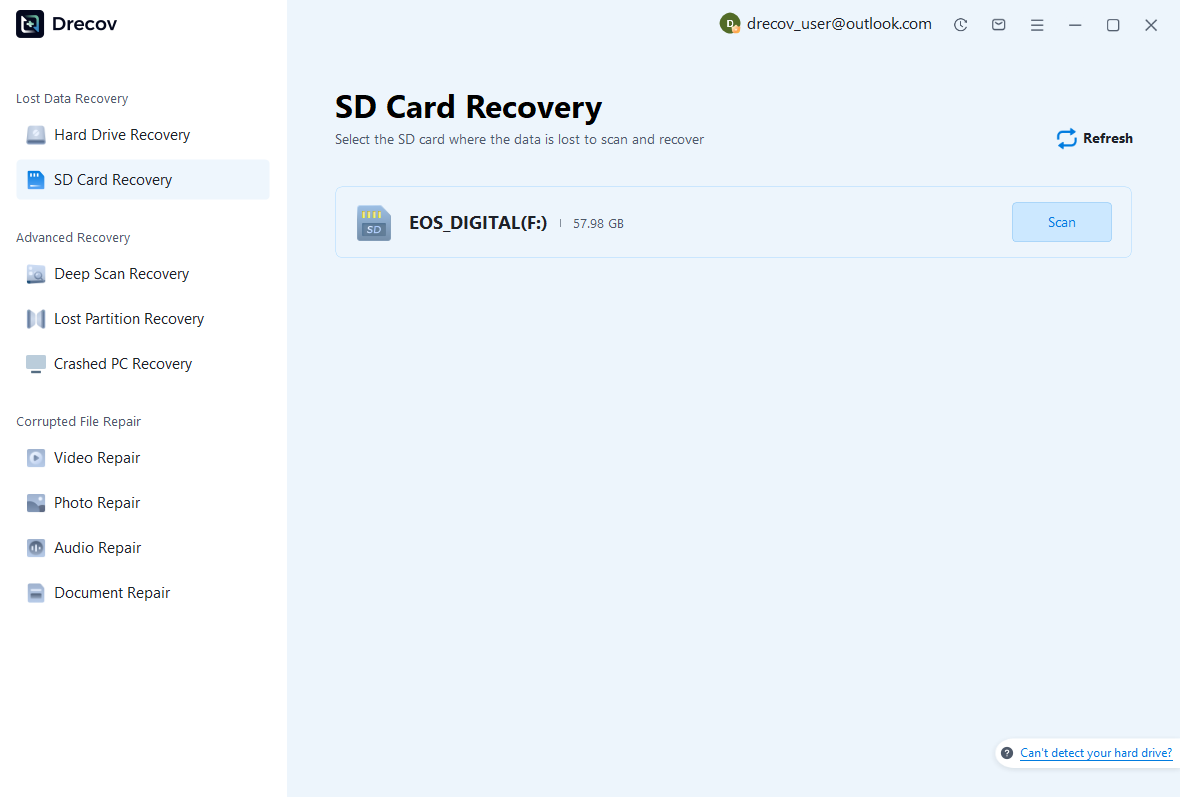
Use PandaOffice Drecov if Signature Files Are Lost
Sometimes users accidentally delete Outlook signature files while transferring profiles or reinstalling Windows. In such situations, PandaOffice Drecov may help recover:
- Deleted signature folders
- Missing HTML files
- Lost Outlook assets
- Removed image attachments
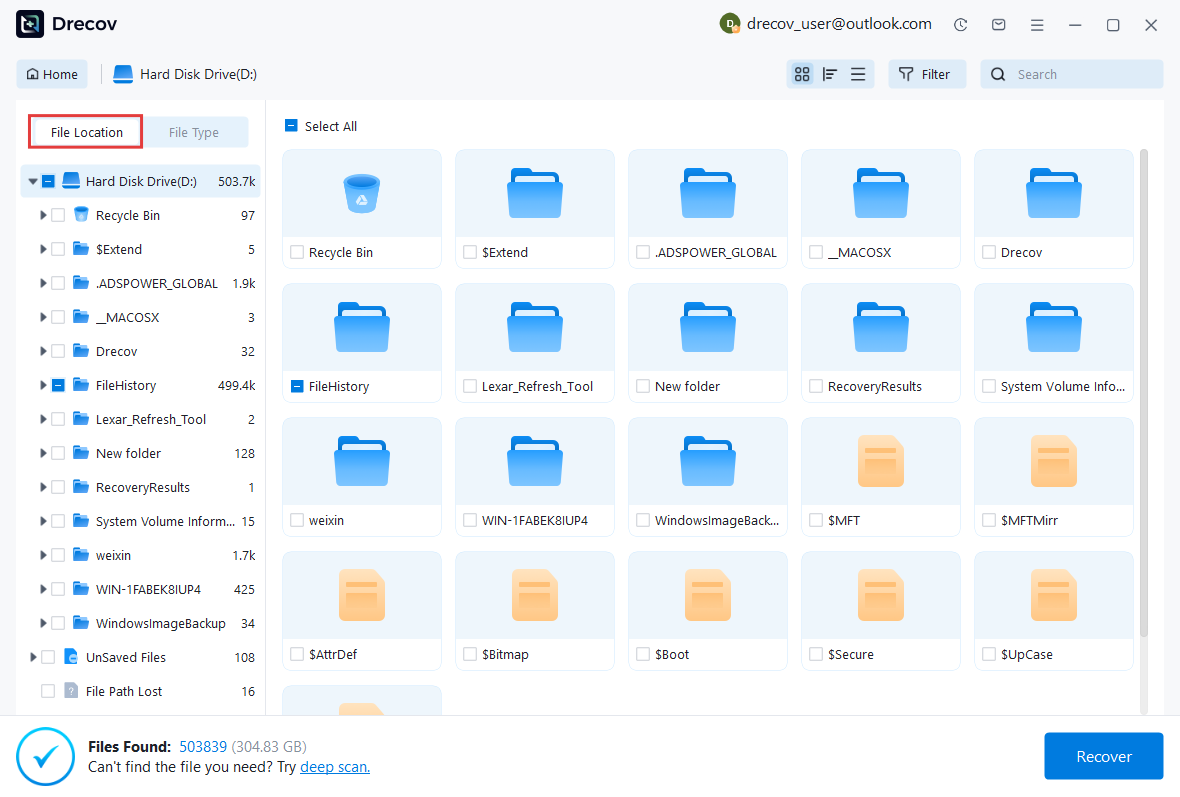
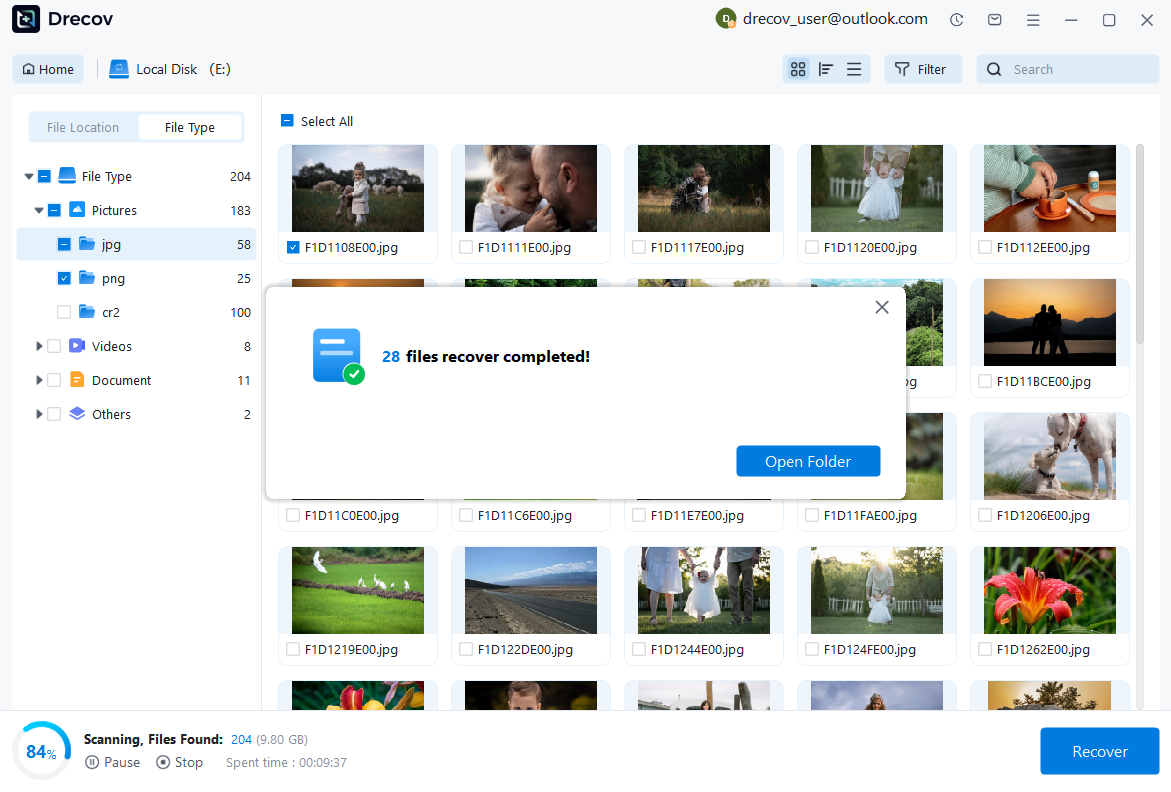
Basic recovery process:
- Install recovery software on another drive
- Scan the original partition
- Locate deleted Outlook signature files
- Restore them safely
Recovery chances are highest before overwritten sectors appear.
Test Environment:
- Windows 10 Pro
- Accidental signature folder deletion simulation
Result:
- Deleted signature files recovered successfully from SSD scan
Why Choose PandaOffice Drecov Recovery Software?
PandaOffice Drecov offers a fast, secure, and user-friendly solution for recovering lost files across multiple scenarios. Whether you need email recovery, ZIP File Recovery, format data recovery, or help to recover deleted drafts Outlook, the software provides reliable recovery performance for both personal and business users.
PandaOffice Drecov supports recovery from formatted hard drives, SSDs, USB drives, SD cards, and external storage devices. Its advanced scanning engine can locate deleted archives, damaged ZIP files, lost Outlook drafts, and accidentally removed documents with high accuracy. For users searching for how to find deleted messages in Teams, PandaOffice Drecov can also help recover exported chat files, attachments, and related local cache data when available.
Key advantages include:
- Deep scan technology for complex data loss situations
- Support for emails, archives, videos, photos, and office documents
- Recovery from accidental deletion, formatting, corruption, and system crashes
- Easy preview before restoring files
- Compatible with Windows and multiple storage devices
Unlike complicated enterprise recovery tools, PandaOffice Drecov keeps the recovery process simple. Users can scan, preview, and restore files in just a few steps without technical expertise.
Whether you are dealing with lost Outlook drafts, corrupted ZIP archives, formatted drives, or missing communication data, PandaOffice Drecov provides an efficient and practical recovery experience designed to minimize downtime and protect important files.
How to Create and Save a Signature Directly in Outlook
Create a New Signature in Outlook Desktop
Users learning how to save a signature in outlook often begin by creating a brand-new signature.
Steps:
- Open Outlook
- Click File
- Select Options
- Open Mail
- Click Signatures
Users can then:
- Create multiple signatures
- Customize formatting
- Add hyperlinks
- Insert logos
After clicking Save, Outlook stores the signature automatically inside the Signatures folder.
Test Environment:
- Outlook 365
- Windows 11 Pro
Result:
- Signature created successfully with logo and hyperlink support
Assign Default Signatures to Email Accounts
Outlook allows users to assign specific signatures to:
- New messages
- Replies
- Forwards
This helps maintain consistency across communication channels.
Steps:
- Open Signature settings
- Choose email account
- Assign default signature
- Save changes
This feature is especially useful for:
- Business departments
- Sales teams
- Multi-account users
Test Environment:
- Outlook 2021
- Two Exchange accounts configured
Result:
- Different signatures assigned correctly to separate accounts
Advanced Methods to Back Up Outlook Signatures
Create Automatic Signature Backups
Users who frequently update email signatures should consider creating automatic backups instead of manually copying files every time. This is especially useful for businesses that regularly modify branding, phone numbers, or marketing banners.
One effective solution for how to save outlook signatures automatically is using synchronization tools such as:
- OneDrive
- File History
- Windows Backup
- NAS storage
Users can include the Outlook Signatures folder inside scheduled backup tasks so changes are preserved continuously.
Benefits include:
- Reduced risk of accidental deletion
- Easier recovery after Windows crashes
- Automatic synchronization across devices
This method is ideal for:
- Corporate environments
- Remote workers
- Multi-device users
Test Environment:
- Windows 11 Enterprise
- Outlook 365
- OneDrive sync enabled
Result:
- Signature updates synchronized automatically every few minutes
Export Signatures Alongside Outlook Profiles
Some users prefer backing up entire Outlook environments rather than signature files only. This approach preserves:
- Email accounts
- PST files
- Templates
- Signatures
- Rules and preferences
When users ask how do you save a signature in outlook, combining signature backups with profile backups provides a more complete migration strategy.
Recommended items to export:
- Outlook PST data
- Signature folder
- Account configuration notes
- Custom templates
This method is especially useful before:
- Computer replacement
- Office upgrades
- Windows reinstallation
⚠️Warning: PST files can become corrupted if copied while Outlook remains open.
Test Environment:
- Windows 10 Pro
- Outlook 2019
- 20GB PST archive
Result:
- Full Outlook environment restored successfully on replacement laptop
Large organizations often standardize signatures across departments. Instead of creating signatures individually, administrators distribute preconfigured templates.
Common deployment methods include:
- Shared network folders
- Microsoft Exchange policies
- Cloud synchronization
- Login scripts
This approach ensures:
- Consistent branding
- Correct legal disclaimers
- Updated contact information
Businesses teaching employees how to save signature in Outlook often combine manual backups with centralized signature management.
Test Environment:
- Windows 11 Enterprise Domain
- Outlook 365 Business
Result:
- Company-wide signature template deployed successfully
How to Transfer Signatures to Outlook Web
Copy Signature Content Into Outlook Online
Unlike desktop Outlook, Outlook Web stores signatures in cloud settings rather than local folders. Users moving from desktop Outlook to browser-based email usually need to transfer signatures manually.
Steps:
- Open Outlook desktop signature
- Copy the formatted content
- Log into Outlook Web
- Open Settings
- Select Mail → Compose and Reply
- Paste the signature
- Save changes
This process allows users to preserve:
- Text formatting
- Hyperlinks
- Basic images
However, some advanced HTML formatting may not transfer perfectly.
Test Environment:
- Outlook Web App
- Microsoft 365 Business account
Result:
- Signature imported successfully with functional links
Adjust Signature Formatting After Migration
After transferring signatures to Outlook Web, users may notice formatting inconsistencies such as:
- Font changes
- Misaligned images
- Broken spacing
- Missing colors
Outlook Web uses a simplified editor compared to desktop Outlook.
To fix formatting:
- Reapply fonts manually
- Resize images
- Remove unsupported HTML elements
- Simplify layouts
Users searching for save signature in outlook should test signatures by sending preview emails after migration.
Test Environment:
- Outlook Desktop → Outlook Web migration
Result:
- Minor formatting corrections required after import
Synchronize Outlook Web Signatures Across Devices
One advantage of Outlook Web is automatic synchronization.
Once saved online, signatures become accessible from:
- Desktop browsers
- Laptops
- Tablets
- Mobile devices
This reduces the need for repeated manual exports.
However, desktop Outlook signatures do not always sync automatically with Outlook Web versions.
⚠️Warning: Editing signatures on one platform may not instantly update them on another Outlook client.
Test Environment:
- Outlook Web
- Multiple browser sessions
Result:
- Signature synchronized successfully across devices after login refresh
Common Problems With Outlook Signatures
Outlook Signature Disappears Unexpectedly
Some users discover their signatures missing after:
- Windows updates
- Office upgrades
- Profile corruption
- System cleanup tools
Possible solutions include:
- Check the Signatures folder
- Recreate Outlook profile
- Restore backup copies
- Repair Office installation
Users researching how to save a signature in outlook should maintain regular backups to avoid rebuilding signatures manually.
Test Environment:
- Windows 10 Home
- Outlook 2021 update simulation
Result:
- Signature restored successfully after profile repair
Images Fail to Display in Email Signatures
Missing logos are one of the most common Outlook signature issues.
Typical causes:
- Broken image paths
- Missing signature folders
- External image blocking
- Corrupted HTML formatting
Solutions:
- Reinsert images manually
- Copy associated image folders
- Use embedded images instead of linked URLs
This issue frequently appears after transferring signatures between computers.
Test Environment:
- Outlook 365
- Signature containing embedded PNG logo
Result:
- Broken image fixed after copying related image assets
Formatting Looks Different on Other Devices
Outlook signatures may display differently depending on:
- Email client
- Device type
- Screen resolution
- HTML rendering engine
For example:
- Gmail may alter fonts
- Mobile apps may compress layouts
- Dark mode may affect colors
Users learning how to save outlook signatures should design signatures with compatibility in mind.
Recommended practices:
- Use standard fonts
- Avoid oversized images
- Limit complex HTML formatting
Test Environment:
- Outlook Desktop
- Gmail recipient
- Mobile email app
Result:
- Minor alignment differences observed on smartphones
How to Repair Corrupted Outlook Signatures
Rebuild the Signature Folder
If Outlook signatures stop functioning correctly, rebuilding the folder may help.
Steps:
- Close Outlook
- Rename the Signatures folder
- Restart Outlook
- Create a new signature
Outlook automatically generates fresh configuration files.
Users can then:
- Reimport old signatures
- Copy working HTML files
- Restore logos manually
This method often resolves:
- Missing signature lists
- Corrupted formatting
- Loading failures
Test Environment:
- Windows 11 Pro
- Corrupted signature simulation
Result:
- New signature folder rebuilt successfully
Repair Outlook Installation
Corrupted Outlook components may also affect signatures.
To repair Outlook:
- Open Control Panel
- Select Programs and Features
- Choose Microsoft Office
- Click Change
- Run Quick Repair or Online Repair
Repairing Office may restore:
- Signature loading
- Formatting behavior
- Missing editor functions
Test Environment:
- Outlook 365
- Partial installation corruption test
Result:
- Signature editor restored after Online Repair
Recover Deleted Signature Files
Users sometimes accidentally remove Outlook signature folders while cleaning storage or reinstalling Windows.
In such cases, PandaOffice Drecov may help recover:
- Deleted HTML signatures
- Lost image assets
- Removed Outlook templates
- Corrupted backup copies
The recovery process works best before new data overwrites deleted sectors.
Test Environment:
- Windows 10 SSD
- Signature folder permanently deleted
Result:
- Most deleted signature files restored successfully
Frequently Asked Questions About Outlook Signatures
Where Are Outlook Signatures Stored?
Desktop Outlook signatures are usually stored in:AppData\Roaming\Microsoft\Signatures
This folder contains:
- HTML versions
- Plain text versions
- Rich text files
- Embedded image folders
Outlook Web stores signatures online through Microsoft account settings.
Test Environment:
- Outlook 2021
- Windows 10 Pro
Result:
- Signature folder located successfully
Can I Transfer Signatures to Another Computer?
Yes. Users can:
- Copy the Signatures folder manually
- Use cloud storage
- Transfer through USB devices
- Sync using network shares
After copying files to the correct directory, Outlook usually detects them automatically.
Test Environment:
- Windows 10 → Windows 11 migration
Result:
- Signature imported without formatting loss
Why Does My Signature Not Save in Outlook?
Possible causes include:
- Outlook permission issues
- Corrupted profile settings
- Disabled roaming settings
- Damaged Office installation
Repairing Outlook or recreating the signature often resolves the issue.
Test Environment:
- Outlook 365 Desktop
Result:
- Signature saving restored after profile recreation
Can Outlook Signatures Include Images and Hyperlinks?
Yes. Outlook supports:
- Logos
- Social media icons
- Hyperlinks
- Banners
- Styled text
However, overly complex HTML may not render correctly in every email client.
Test Environment:
- Outlook Desktop
- Corporate HTML signature
Result:
- Images and links displayed properly across most email clients
Best Practices for Managing Outlook Signatures
Keep Backup Copies Updated
Users who frequently edit signatures should:
- Update backups regularly
- Store copies in cloud storage
- Preserve associated image folders
This helps avoid rebuilding signatures manually after hardware failure or software corruption.
Use Simple and Compatible Designs
Professional signatures should remain:
- Easy to read
- Mobile-friendly
- Lightweight
- Compatible with multiple email platforms
Avoid excessive:
- Animations
- Large graphics
- Complex HTML formatting
Test Signatures Across Multiple Devices
Before finalizing any Outlook signature:
- Send test emails
- Check mobile rendering
- Verify hyperlinks
- Confirm logo visibility
Following these practices helps ensure signatures display correctly and remain recoverable during future Outlook migrations or system upgrades.






