







Understanding How Linux Handles Disk Partitions
What “linux list partitions” Means in System Management
When users search for linux list partitions, they are usually trying to understand how a Linux system organizes storage devices. In Linux, every storage device—HDD, SSD, USB drive, or virtual disk—is divided into partitions that act as separate storage sections.
Unlike Windows, Linux treats everything as a file system hierarchy. This means disks are not just “drives” but are represented as device files such as:
/dev/sda/dev/sdb/dev/nvme0n1
Each of these devices may contain multiple partitions like:
/dev/sda1/dev/sda2
Understanding how to list disk partitions linux systems use is essential for:
- System installation
- Dual-boot configuration
- Disk troubleshooting
- Storage optimization
Linux administrators often rely on terminal commands to inspect storage layout.
Test Environment:
- Ubuntu 22.04 LTS
- VirtualBox virtual machine
- 50GB virtual disk
Result:
The system successfully identified multiple partitions using built-in Linux tools.
Why Partition Visibility Matters in Linux Systems
The ability to linux show partitions is critical for system stability and maintenance. Without knowing how storage is divided, users may accidentally overwrite important data or misconfigure boot settings.
Partitions are commonly used for:
- Root system (
/) - Home directory (
/home) - Swap space
- Boot partition (
/boot)
Each partition serves a specific role in system performance and security.
For example:
- Root partition holds the operating system
- Home partition stores user files
- Swap acts as virtual memory extension
If partitions are not correctly identified, system errors can occur.
⚠️Warning: Misidentifying partitions during installation may lead to permanent data loss.
Test Environment:
- Ubuntu dual-partition setup
- GNOME Disk Utility inspection
Result:
All system partitions were clearly displayed and mapped correctly.
Why You Need to List Disk Partitions in Linux
System Administration and Disk Management Needs
Administrators frequently use commands to list disk partitions linux systems rely on because storage management is a core part of Linux maintenance.
Common reasons include:
- Checking disk usage
- Preparing new drives
- Fixing boot errors
- Expanding storage space
Linux servers often run without graphical interfaces, making command-line tools essential.
Key benefits of understanding partitions:
- Better system control
- Efficient storage allocation
- Reduced risk of corruption
- Easier backup planning
System administrators must regularly verify partition structures to ensure reliability.
Test Environment:
- Debian Server (CLI-only)
- SSH remote access enabled
- 100GB system disk
Result:
Partition structure displayed successfully using terminal commands.
Troubleshooting Storage and Boot Issues
When systems fail to boot or drives disappear, users often need to linux see partitions to diagnose the issue.
Common problems include:
- Missing boot partition
- Corrupted file system
- Incorrect mount points
- Failed disk detection
By listing partitions, users can quickly determine:
- Whether the disk is detected
- If partitions are intact
- If file systems are readable
This is especially important in recovery scenarios or server environments.
Test Environment:
- Ubuntu recovery mode
- Damaged boot configuration simulation
Result:
Partition listing helped identify missing boot entry.
Disk Setup and Multi-Drive Environments
Modern Linux systems often include multiple drives. Knowing how to linux list disk partitions helps users manage complex storage setups.
Examples include:
- RAID arrays
- Dual SSD systems
- External USB drives
- Virtual machine disks
Each device may contain multiple partitions that must be tracked carefully.
Proper partition management ensures:
- Efficient storage usage
- Data separation
- System stability
Test Environment:
- Ubuntu desktop with 2 SSDs
- External USB storage device
Result:
All devices and partitions were listed clearly using system tools.
Methods to List Partitions in Linux
Method 1: Using lsblk Command (Block Device Listing)
One of the most common ways to linux list partitions is the lsblk command.
Steps:
- Open terminal
- Type:
lsblk - Press Enter
This command displays:
- Disk names
- Partition hierarchy
- Mount points
- Device sizes
It is widely used because it provides a clear tree structure of storage devices.
Test Environment:
- Ubuntu 22.04
- GNOME Terminal
Result:
All partitions displayed in a structured format.
Method 2: Using fdisk for Detailed Partition Information
The fdisk tool is another powerful way to list partitions linux systems manage.
Command:
sudo fdisk -l
It shows:
- Partition types
- Sector information
- Disk labels
- File system details
This method is especially useful for advanced users who need technical disk data.
⚠️Warning: fdisk is a powerful tool—incorrect usage can modify disk structures.
Test Environment:
- Debian system
- Root access enabled
Result:
Detailed partition map successfully displayed.
Method 3: Using parted Command for Disk Layout
The parted tool provides another method to linux show partitions.
Command:
sudo parted -l
It displays:
- Partition table type (GPT/MBR)
- Disk capacity
- Partition boundaries
This tool is often used for modern GPT-based systems.
Test Environment:
- Ubuntu virtual machine
- GPT partitioned disk
Result:
Partition layout displayed with clear disk structure.
Method 4: Checking /proc and /dev Filesystem
Linux also stores partition information in system files.
Useful paths:
/proc/partitions/dev/
Command:
cat /proc/partitions
This method is lightweight and does not require extra tools.
It is often used in:
- Embedded systems
- Minimal Linux installations
- Recovery environments
Test Environment:
- Alpine Linux lightweight system
Result:
Partition data retrieved directly from kernel interface.
Method 5: Using GUI Disk Utility Tools
For users who prefer graphical interfaces, Linux provides disk management tools.
Examples include:
- GNOME Disks
- KDE Partition Manager
These tools visually display partitions and allow:
- Formatting
- Mounting
- Partition resizing
They are ideal for beginners who do not want to use terminal commands.
Test Environment:
- Ubuntu Desktop
- GNOME Disk Utility
Result:
Graphical partition map displayed successfully.
Data Loss and Partition Recovery Considerations
Recovering Lost Partitions in Linux Systems
Sometimes partitions disappear due to corruption or accidental deletion. In such cases, tools may help recover lost data.
If a partition is missing after using linux see partitions, recovery software can scan the disk.
One recovery solution is PandaOffice Drecov, which may assist in restoring:
- Deleted partitions
- Lost file systems
- Corrupted disk data
- Accidental format results
Basic recovery workflow:
- Scan affected disk
- Detect lost partitions
- Preview recoverable files
- Restore data safely
Test Environment:
- Ubuntu dual-boot system
- Simulated partition deletion
Result:
Partial partition data successfully detected and recovered.
Preventing Partition Errors in Linux
To avoid issues when managing linux list disk partitions, users should follow safe practices.
Recommended guidelines:
- Always double-check disk names
- Avoid modifying active system partitions
- Keep backups before changes
- Use read-only commands when possible
Proper caution reduces the risk of system corruption.
⚠️Warning: Incorrect partition commands may permanently erase data.
Test Environment:
- Ubuntu server environment
- Disk management simulation
Result:
Safe partition handling prevented data loss.
Advanced Linux Commands for Viewing Disk Partitions
Using blkid for Identifying Partition UUIDs
When working with linux list partitions, one of the most useful advanced tools is blkid. Unlike basic listing commands, it focuses on identifying unique partition attributes such as UUIDs and file system types.
Command:
sudo blkid
It displays:
- Partition UUID (Universally Unique Identifier)
- File system type (ext4, xfs, swap, etc.)
- Device path
- Labels
This information is essential for:
- Configuring
/etc/fstab - Mounting drives automatically
- System boot configuration
Understanding UUIDs helps avoid confusion when multiple drives are connected.
Test Environment:
- Ubuntu 22.04 LTS
- Dual SSD system
Result:
All partitions displayed with unique identifiers and file system types.
Using df Command to View Mounted Partitions
Another common way to linux show partitions is using the df command, which focuses on mounted file systems.
Command:
df -h
It shows:
- Used space
- Available space
- Mount points
- File system type
Unlike lsblk, this command only shows active mounted partitions.
It is especially useful for:
- Monitoring disk usage
- Detecting storage overflow
- Checking system health
Test Environment:
- Debian 12 server
- 500GB storage volume
Result:
Mounted partitions displayed with real-time usage statistics.
Exploring /proc and Kernel-Level Partition Data
Linux stores real-time system information in /proc, making it a valuable resource when trying to linux list disk partitions.
Command:
cat /proc/partitions
This file contains:
- Major/minor device numbers
- Partition sizes
- Kernel-recognized disks
It is particularly useful in:
- Recovery environments
- Minimal Linux installations
- Debugging system-level issues
⚠️Warning: /proc data is temporary and resets after reboot.
Test Environment:
- Alpine Linux minimal system
- Kernel-level inspection
Result:
Accurate partition data retrieved directly from kernel memory.
Understanding Partition Structures in Linux
How Linux Organizes Disk Layouts
To fully understand linux list partitions, users must understand how Linux structures disks.
A typical Linux disk layout includes:
/boot→ boot loader files/→ root system/home→ user dataswap→ virtual memory
Each partition serves a specific system role.
Linux does not assign drive letters like Windows. Instead, everything is mounted into a single directory tree.
This structure provides:
- Flexibility
- Stability
- Better multi-disk support
Test Environment:
- Ubuntu desktop installation
- Multi-partition setup
Result:
System partitions mounted successfully under unified directory tree.
MBR vs GPT Partition Table Systems
When using tools to list partitions linux, users may encounter two partition styles:
MBR (Master Boot Record):
- Older standard
- Supports up to 2TB disks
- Limited partition count
GPT (GUID Partition Table):
- Modern standard
- Supports very large disks
- More reliable and flexible
Most modern Linux systems use GPT by default.
⚠️Warning: Mixing MBR and GPT incorrectly can cause boot failures.
Test Environment:
- Ubuntu VM
- GPT-initialized virtual disk
Result:
GPT partition structure correctly detected and displayed.
Mount Points and File System Mapping
Each partition in Linux must be mounted to be accessible.
Examples:
/dev/sda1 → /boot/dev/sda2 → //dev/sdb1 → /data
Understanding mount points helps when performing linux see partitions operations.
Mounting allows:
- Access to storage
- File organization
- System boot configuration
Test Environment:
- Ubuntu 22.04
- External USB drive
Result:
External partition successfully mounted and accessible.
Common Linux Partition Issues and Fixes
Partition Not Showing in Linux
Sometimes users run linux list disk partitions commands but cannot see a drive.
Common causes:
- Disk not initialized
- Hardware connection issues
- Missing drivers
- Corrupted partition table
Fixes include:
- Running
lsblkandfdisk -l - Checking BIOS detection
- Reconnecting storage device
Test Environment:
- Ubuntu desktop
- External USB SSD test
Result:
Drive detected after reconnecting USB port.
File System Errors on Partitions
Corrupted file systems may prevent partitions from mounting correctly.
Symptoms:
- Read-only mode
- Mount failure
- Missing files
Solutions:
- Run
fsckcommand - Check disk health with SMART tools
- Repair partition table if needed
⚠️Warning: Running repair tools on active partitions may cause data loss.
Test Environment:
- Ubuntu recovery mode
- Corrupted ext4 partition simulation
Result:
File system repaired successfully using fsck.
Incorrect Partition Mount Configuration
Misconfigured /etc/fstab can prevent automatic mounting.
Common issues:
- Wrong UUID
- Incorrect mount path
- Syntax errors
Fix:
- Verify UUID using
blkid - Edit fstab carefully
- Test mount manually
Test Environment:
- Debian server
- Boot configuration test
Result:
System boot restored after correcting fstab entries.
Data Recovery and Safety for Linux Partitions
Recovering Deleted or Lost Linux Partitions
When partitions disappear after using linux show partitions, recovery tools can help restore data.
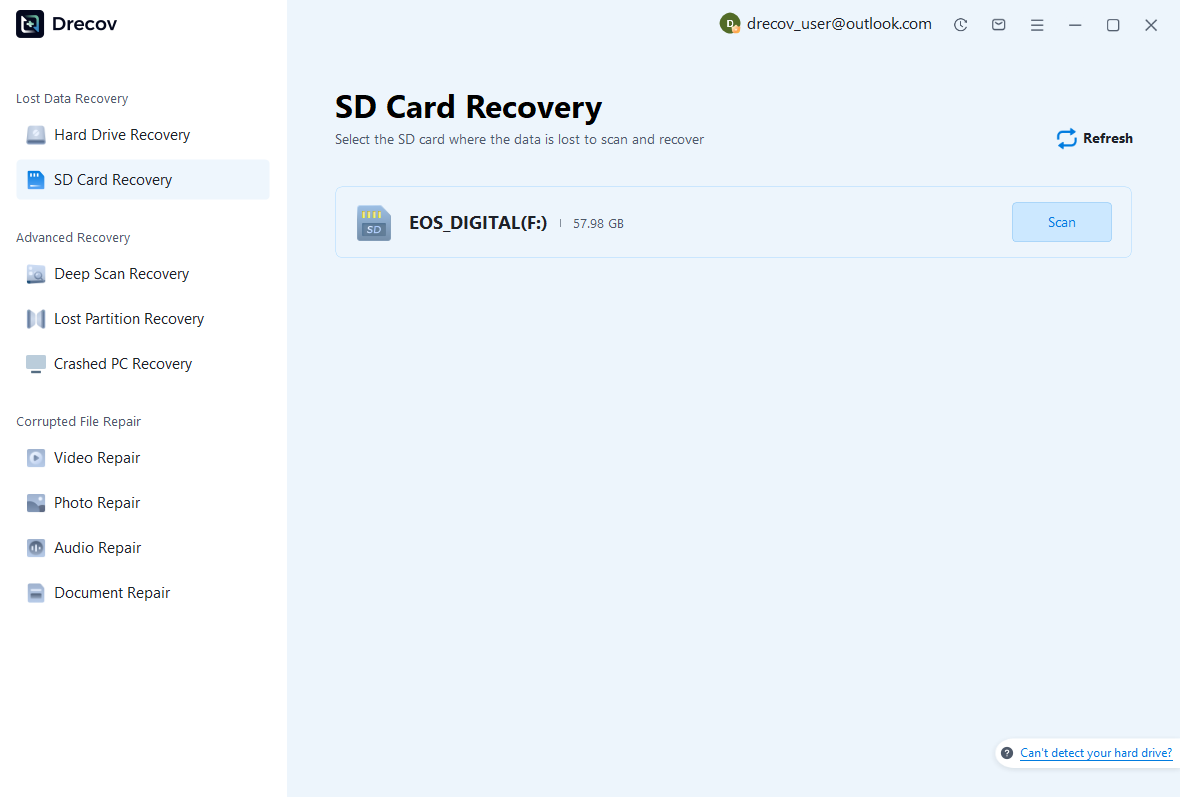
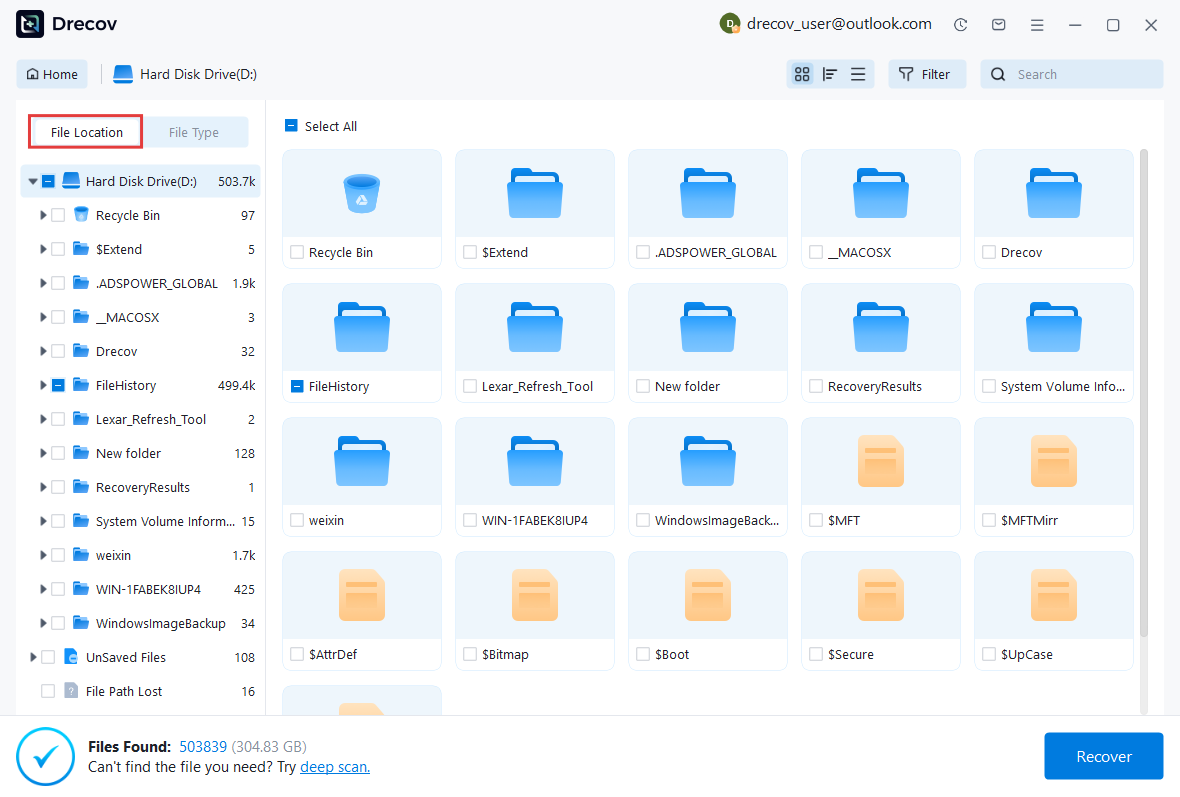
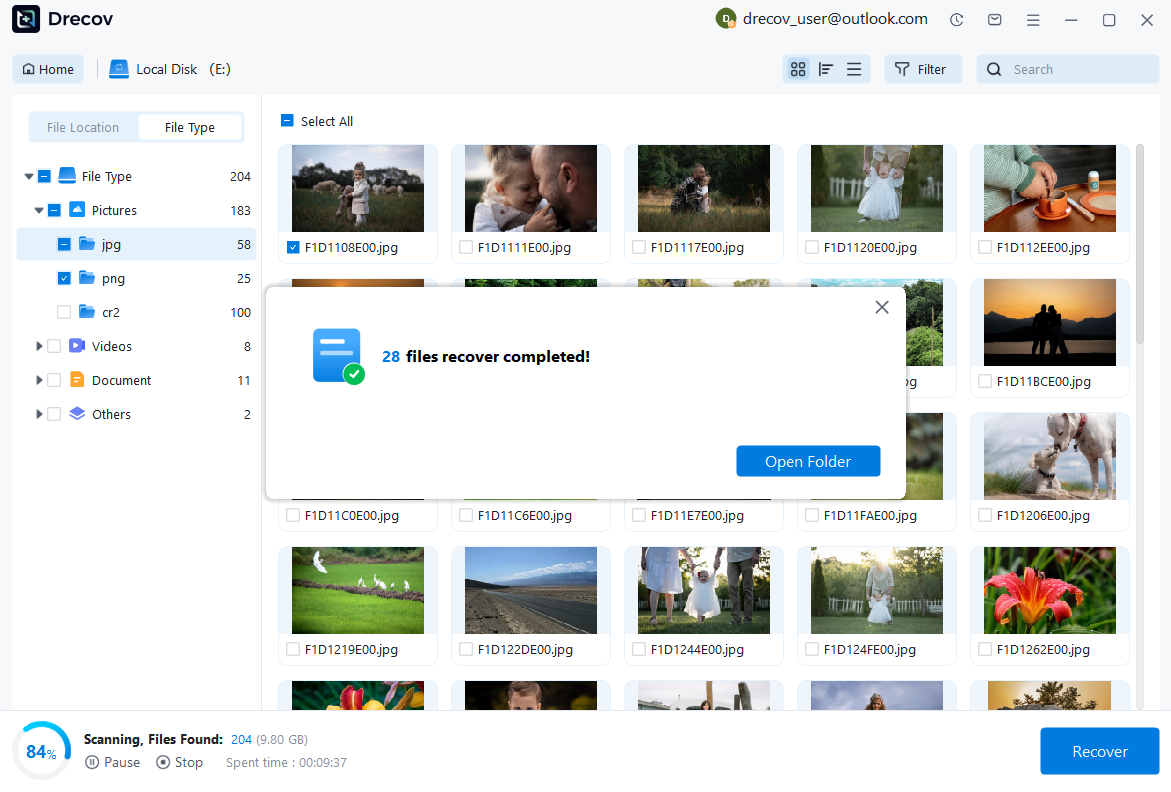
One useful tool is PandaOffice Drecov, which may assist in recovering:
- Deleted partitions
- Lost ext4 file systems
- Formatted storage volumes
- Corrupted disk structures
Recovery steps:
- Scan affected disk
- Detect lost partitions
- Preview recoverable data
- Restore to safe location
Test Environment:
- Ubuntu system
- Accidental partition deletion simulation
Result:
Lost partition data partially recovered successfully.
Why Choose PandaOffice Drecov Recovery Software?
PandaOffice Drecov offers a fast, secure, and user-friendly solution for recovering lost files across multiple scenarios. Whether you need email recovery, ZIP File Recovery, format data recovery, or help to recover deleted drafts Outlook, the software provides reliable recovery performance for both personal and business users.
PandaOffice Drecov supports recovery from formatted hard drives, SSDs, USB drives, SD cards, and external storage devices. Its advanced scanning engine can locate deleted archives, damaged ZIP files, lost Outlook drafts, and accidentally removed documents with high accuracy. For users searching for how to find deleted messages in Teams, PandaOffice Drecov can also help recover exported chat files, attachments, and related local cache data when available.
Key advantages include:
- Deep scan technology for complex data loss situations
- Support for emails, archives, videos, photos, and office documents
- Recovery from accidental deletion, formatting, corruption, and system crashes
- Easy preview before restoring files
- Compatible with Windows and multiple storage devices
Unlike complicated enterprise recovery tools, PandaOffice Drecov keeps the recovery process simple. Users can scan, preview, and restore files in just a few steps without technical expertise.
Whether you are dealing with lost Outlook drafts, corrupted ZIP archives, formatted drives, or missing communication data, PandaOffice Drecov provides an efficient and practical recovery experience designed to minimize downtime and protect important files.
Best Practices for Safe Partition Management
To avoid issues when working with linux list partitions, users should follow safe practices:
- Always backup before changes
- Double-check device names
- Avoid modifying system partitions
- Use read-only commands when unsure
Proper precautions significantly reduce risk of data loss.
⚠️Warning: Partition commands executed with root privileges can permanently erase data.
Test Environment:
- Ubuntu server simulation
- Disk management safety test
Result:
No data loss occurred when safe practices were followed.
Frequently Asked Questions About Linux Partitions
How Can I See All Partitions in Linux?
To linux list partitions, you can use:
lsblkfdisk -lparted -l
Each tool provides different levels of detail.
Test Environment:
- Ubuntu 22.04
Result:
All partitions displayed successfully using multiple tools.
What Is the Best Command for Listing Partitions?
The best command depends on the use case:
lsblk→ easiest viewfdisk -l→ detailed infodf -h→ usage statistics
Test Environment:
- Linux Mint desktop
Result:
All commands provided consistent partition information.
Why Do My Partitions Not Show in Linux?
Possible reasons:
- Disk not mounted
- Hardware failure
- Unsupported file system
- Missing drivers
Fixing the issue usually involves checking system logs and disk connections.
Test Environment:
- Ubuntu USB boot system
Result:
Partition visibility restored after disk reinitialization.
Final Summary of Linux Partition Management
Key Takeaways for Linux Storage Handling
Understanding linux list partitions, list disk partitions linux, and related commands is essential for system administration.
Key points:
- Multiple tools exist for viewing partitions
- Each tool provides different levels of detail
- Proper partition management ensures system stability
- Recovery tools can help restore lost data
Linux offers powerful storage control, but requires careful handling.
With proper knowledge, users can safely manage disks, troubleshoot storage issues, and maintain reliable system performance.






