







Choosing the right file system for your storage drives is critical for data integrity and system performance. Users frequently get confused when formatting a USB flash drive or external hard drive because Windows and macOS present multiple format options. Consequently, understanding the difference between exfat vs fat32 becomes essential to avoid compatibility errors and data loss. This comprehensive guide will explain the core differences and show you how to manage your storage media effectively using PandaOffice Drecov data recovery software.
Understanding the Basics of exfat vs fat32
Storage drives require a file system to organize and store files efficiently. When comparing fat vs fat32 and fat vs exfat, we look at different generations of file allocation tables. FAT32 is an older standard that Microsoft introduced back in Windows 95 to replace the original FAT standard. Meanwhile, exFAT is a modern file system that Microsoft designed specifically for flash memory cards and external drives.
Is exfat the same as fat32?
Many users ask is exfat the same as fat32 or is exfat and fat32 the same when configuring new storage media. The brief answer is no. While both file systems originate from Microsoft, they serve vastly different technical needs.
Furthermore, users often wonder is fat32 the same as exfat when they encounter drive limitations on modern systems. FAT32 features a restrictive fat32 max partition size limit of 2 terabytes on most systems and cannot store individual files larger than 4 gigabytes. On the other hand, the exfat maximum file size extends to 16 exabytes, which effectively removes any practical file size limits for consumer media storage.
Common File System Challenges and Data Loss
Using an incorrect file system can cause sudden partition corruption, formatting prompt errors, or unintended data erasure. For example, if you attempt to force a large video file onto a FAT32 partition, the transfer will fail immediately. Worse, formatting a drive to switch from FAT32 to exFAT will erase all existing files on that drive.
Fortunately, PandaOffice Drecov provides an expert solution for users facing data loss due to file system adjustments. PandaOffice Drecov is a premier data recovery tool designed to retrieve lost files from both modern exFAT drives and legacy FAT32 storage devices. Whether your drive becomes raw or inaccessible during an exfat versus fat32 conversion, PandaOffice Drecov scans the storage architecture thoroughly to restore your documents, videos, and system images.
Solutions for exFAT vs FAT32 Formatting Issues and Data Loss
When managing external storage drives, you often need to convert file systems or restore lost files after an accidental format. Fortunately, you can handle these configuration challenges safely without losing your valuable data. The definitive methods below will guide you through the transition and recovery process step by step.
Method 1: Converting File Systems with Built-In Windows Utilities
You can change your drive layout using Windows Disk Management or Command Prompt. However, you must back up your files first because formatting wipes the drive clean.
- Press Windows Key + X and select Disk Management.
- Right-click your target external drive or USB flash drive.
- Select Format from the context menu.
- Choose exFAT or FAT32 based on your technical needs.
- Click OK to complete the formatting process.
Method 2: Recovering Lost Data Using PandaOffice Drecov
If you formatted your drive accidentally while comparing fat32 vs exfat variations, PandaOffice Drecov can recover your lost data in minutes. This method applies to broken partitions, accidental formats, and deleted directories.
⚠ Warning: Install it on a drive different from the one where your data was lost to prevent overwriting.
Step 1: Select the Target Drive for Scan
Connect your storage drive to the computer. PandaOffice Drecov will display all connected storage interfaces on the main dashboard screen. Select the specific exFAT or FAT32 partition that requires data recovery.

Step 2: Execute the Deep Scan Routine
Click the Scan button to initiate the data extraction process. PandaOffice Drecov will implement advanced algorithmic sweeps to locate lost file headers across the raw sector maps. You can monitor the progress bar at the top of the interface screen.
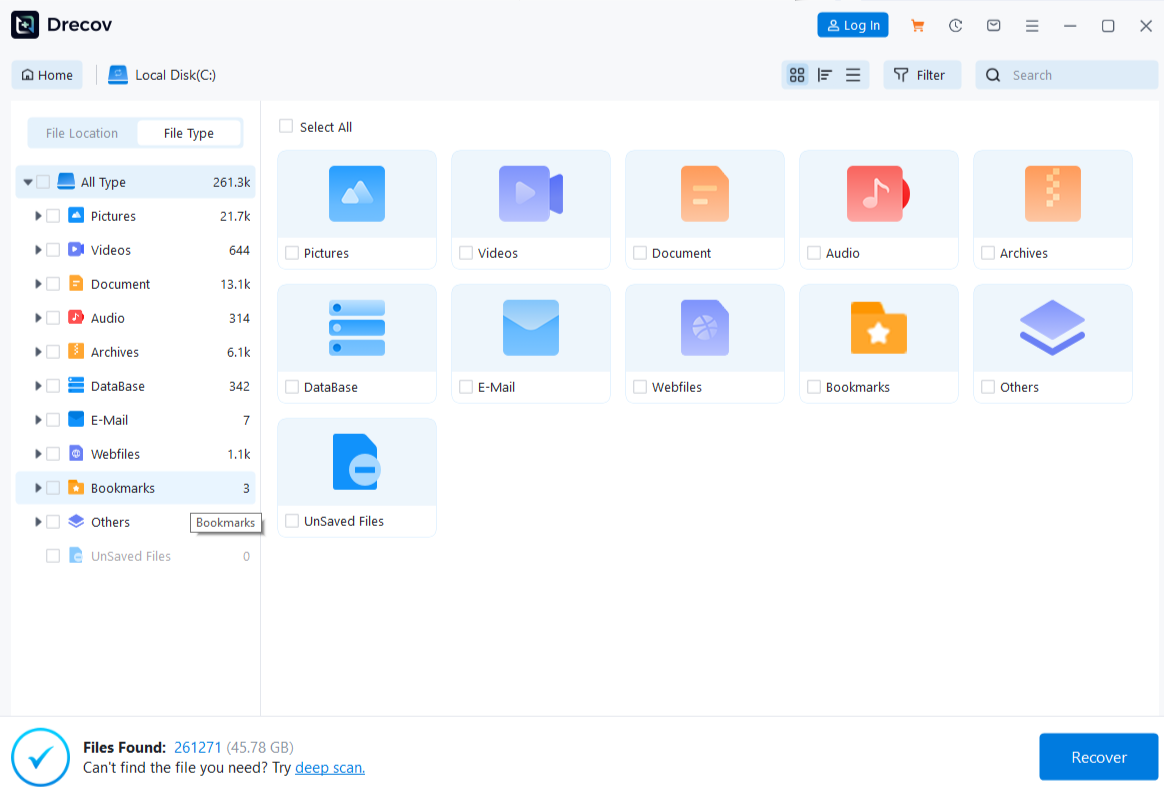
Step 3: Preview and Recover Your Files
Once the scan concludes, browse the organized folder trees within PandaOffice Drecov. Mark the checkboxes next to the files you want to save. Click the Recover button and select a secure destination path on your main computer drive to complete the process.
For related storage system errors and platform fixes, you can read our specialized Steam No Licenses Error Fix Guide or learn How to Install PS3 ISO Games from USB. Additionally, if you encounter web application errors during data transfers, check our guide on Fixing the Can’t Download Files from ChatGPT Error.
Comparing fat32 vs exfat Manual Solutions
Beyond standard formatting menus, you can leverage advanced manual tactics to handle tricky partition adjustments. Furthermore, you can deploy native command-line utility tools like the official Microsoft DiskPart system utility to clean and restructure your storage drives completely.
Manual Command Line Formatting
Advanced users can utilize Command Prompt to switch between file systems. You can open an elevated Command Prompt window and type the format command manually to execute a force format.
| File System Attribute | FAT32 Standard | exFAT Standard |
| Maximum File Size Limit | 4 Gigabytes | 16 Exabytes |
| Maximum Partition Size Limit | 2 Terabytes | 128 Petabytes |
| Operating System Compatibility | Excellent legacy support | Modern Windows and macOS support |
| Optimal Use Case | Older media players and consoles | Modern external SSDs and large flash drives |
Pros and Cons of Manual Formatting
Manual formatting provides direct control over partition allocation sizes without downloading third-party software. Consequently, it requires no installation footprint. However, a single typo in Command Prompt can wipe your main operating system partition instantly. In contrast, running PandaOffice Drecov keeps your data safe by offering a visual safety net during complex drive operations.
Tips and Best Practices for PandaOffice Drecov Users
Maximizing data recovery success requires adhering to strict storage guidelines.
- Stop using the storage drive immediately after discovering data loss or formatting mistakes.
- Store your recovered files on a completely separate physical drive to prevent overwriting raw sectors.
- Perform regular drive optimization checks to ensure your file tables remain healthy.
- Avoid disconnecting storage media while read or write operations are actively running.
Frequently Asked Questions
What is the primary difference in the exfat vs fat32 comparison?
The main difference involves file size limitations and system age. FAT32 cannot handle individual files over 4 gigabytes, whereas exFAT easily handles massive files like high-definition movies.
Is exfat the same as fat32 regarding system compatibility?
No, they differ significantly. FAT32 works with almost every operating system and legacy media player ever made, while exFAT requires modern operating system updates on older platforms.
How does fat32 vs exfat affect gaming consoles?
Older gaming setups require FAT32 for external storage detection. Modern consoles utilize custom file layouts or support exFAT for massive game installations.
What is the exact exfat maximum file size limit?
The theoretical file limit for an exFAT partition is 16 exabytes, which means you will never run out of room for individual files.
Why does the fat32 max partition size matter for external drives?
Windows limits FAT32 partition creation to 32 gigabytes through standard menus, even though the file system can theoretically support larger layouts up to 2 terabytes.
Conclusion
In conclusion, analyzing exfat vs fat32 reveals that exFAT is the superior choice for modern external drives due to its massive file support limits. However, whenever a formatting mistake or partition error compromises your valuable files, PandaOffice Drecov stands out as the ultimate recovery tool to restore your storage ecosystem. Proactive data management combined with reliable backup tools will protect your storage media from unexpected file system errors.






