







Imagine inserting your flash drive to transfer an important presentation, only to be blocked by a frustrating error message stating that the disk is write-protected. This common roadblock stops you from saving, editing, or deleting files on your removable storage. Learning how to remove write-protection on USB drive configurations becomes essential when you need to reclaim control over your device and safeguard your stored information. Write-protection acts as a security lock designed to prevent accidental data erasure or unauthorized alterations. However, when system glitches or file corruption lock your device into a permanent read-only state, it turns into a major inconvenience. Meanwhile, attempting to fix this error manually can sometimes lead to unintended data loss if incorrect formatting choices are made.
Fortunately, PandaOffice Drecov data recovery software provides a reliable and seamless solution for users facing this dilemma. This specialized software ensures that your valuable documents, photos, and system archives remain intact throughout the troubleshooting process. In this comprehensive guide, we will explore why this storage error happens and deliver clear methods on how do I remove write-protection from USB stick formats safely.
Understanding the Basics of How to Remove Write Protection on USB Drive
To solve this storage issue, you must first understand why storage drives suddenly lock down. Write-protection is a digital or physical barrier that restricts your operating system from making any modifications to the storage media.
Common Causes Behind the Write-Protection Error
Several underlying factors can trigger a read-only lock on your removable drives:
- Physical Lock Activation: Many flash storage devices feature a small manual toggle that accidentally slides into the locked position.
- File System Corruption: Sudden disconnections or power failures can destabilize the file architecture, forcing Windows to restrict write privileges to protect your data.
- Malware Infections: Security threats can alter system permissions or alter the drive status to prevent antivirus software from removing malicious payloads.
- Registry Constraints: Local computer settings might enforce a strict system-wide ban on external writing operations.
Introduction to PandaOffice Drecov Data Recovery Software
When a storage device becomes unreadable or locked, data security should be your top priority. PandaOffice Drecov data recovery software is a professional data protection suite engineered to extract files from compromised, locked, or corrupted storage environments. It serves as a critical safety net before you attempt advanced partition adjustments or complete drive formats.
This recovery utility accommodates various data loss emergencies. For instance, if you encounter web browser tracking issues, you can learn how to get your Google Chrome bookmarks back. Furthermore, if your operating system architecture needs cleanup, discovering how to remove OneDrive from File Explorer step-by-step guide layouts can streamline your workspace. Most importantly, when a flash drive fails completely, accessing a comprehensive manual to recover deleted files from USB flash drive a complete guide platform ensures you never lose essential records.
⚠ Warning: Install it on a drive different from the one where your data was lost to prevent overwriting.
Solutions to How to Remove Write Protection on USB Drive Issues
Resolving a stubborn read-only restriction requires a systematic approach. The following detailed techniques outline how do I remove write-protection from USB stick units using built-in system tools and advanced retrieval programs.
Method 1: Clearing Attributes via Windows Diskpart Utility
The Diskpart command-line interpreter provides direct management over your computer disk partitions. This native system tool can reset hidden drive properties that standard windows interfaces cannot modify.
- Step 1: Plug your write-protected flash drive into an available port on your computer.
- Step 2: Press the Windows key + R simultaneously to initialize the Run dialog box.
- Step 3: Type cmd into the open entry field and press Ctrl + Shift + Enter to launch an elevated Command Prompt with administrative access privileges.
- Step 4: Input diskpart in the text prompt and press Enter to start the utility.
- Step 5: Type list disk and press Enter to view all active storage devices attached to the operating system.
- Step 6: Identify the unique disk number assigned to your flash drive based on the listed storage capacity.
- Step 7: Type select disk X, replacing the letter X with your specific drive number, then press Enter.
- Step 8: Type attributes disk clear readonly and press Enter to strip away the hardware restriction.
- Step 9: Type exit and press Enter to close the tool.
Method 2: Data Extraction Using PandaOffice Drecov Data Recovery Software
If command-line methods fail or indicate that the file system is corrupted beyond normal repair, formatting becomes inevitable. However, formatting wipes everything out. Consequently, you must deploy PandaOffice Drecov data recovery software to rescue your files before executing a disk wipe.
⚠ Warning: Install it on a drive different from the one where your data was lost to prevent overwriting.
- Step 1: Launch the application interface and connect your read-only flash storage drive. Select the targeted removable drive from the visible device selection menu.
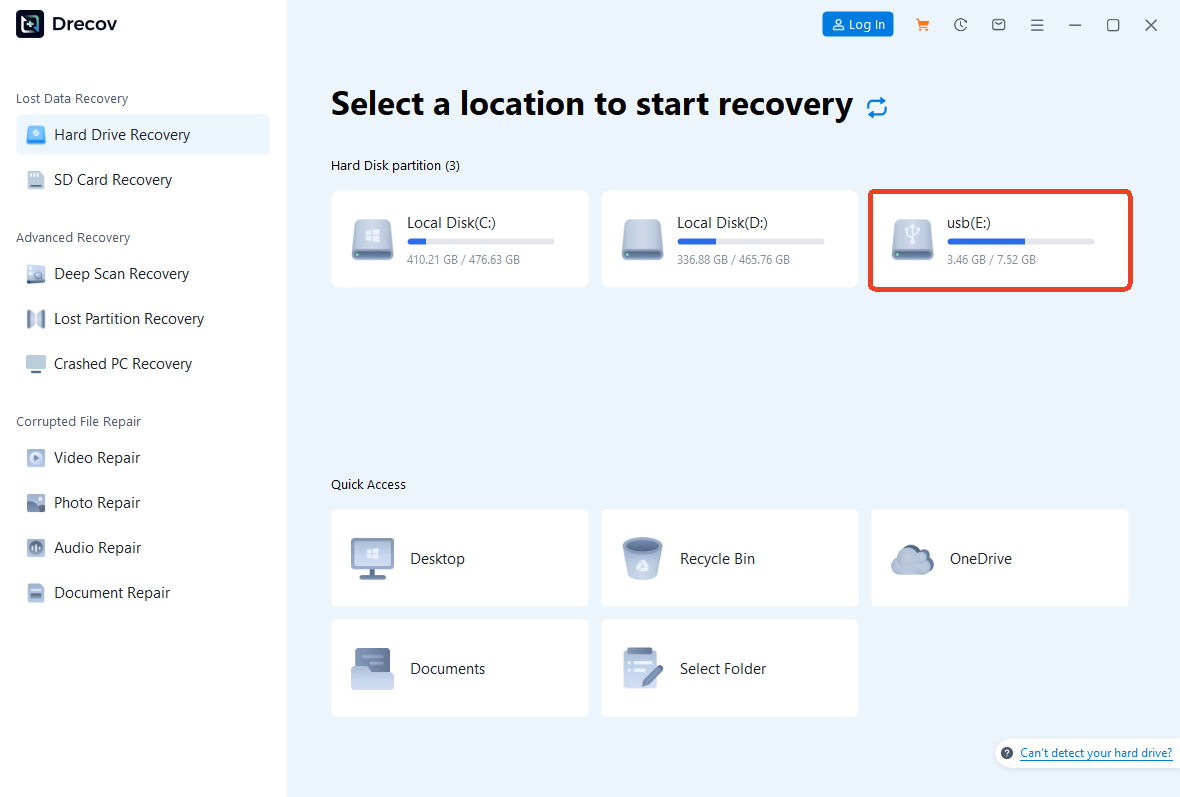
- Step 2: Click the Scan button to initiate a deep structural analysis of the restricted sectors.
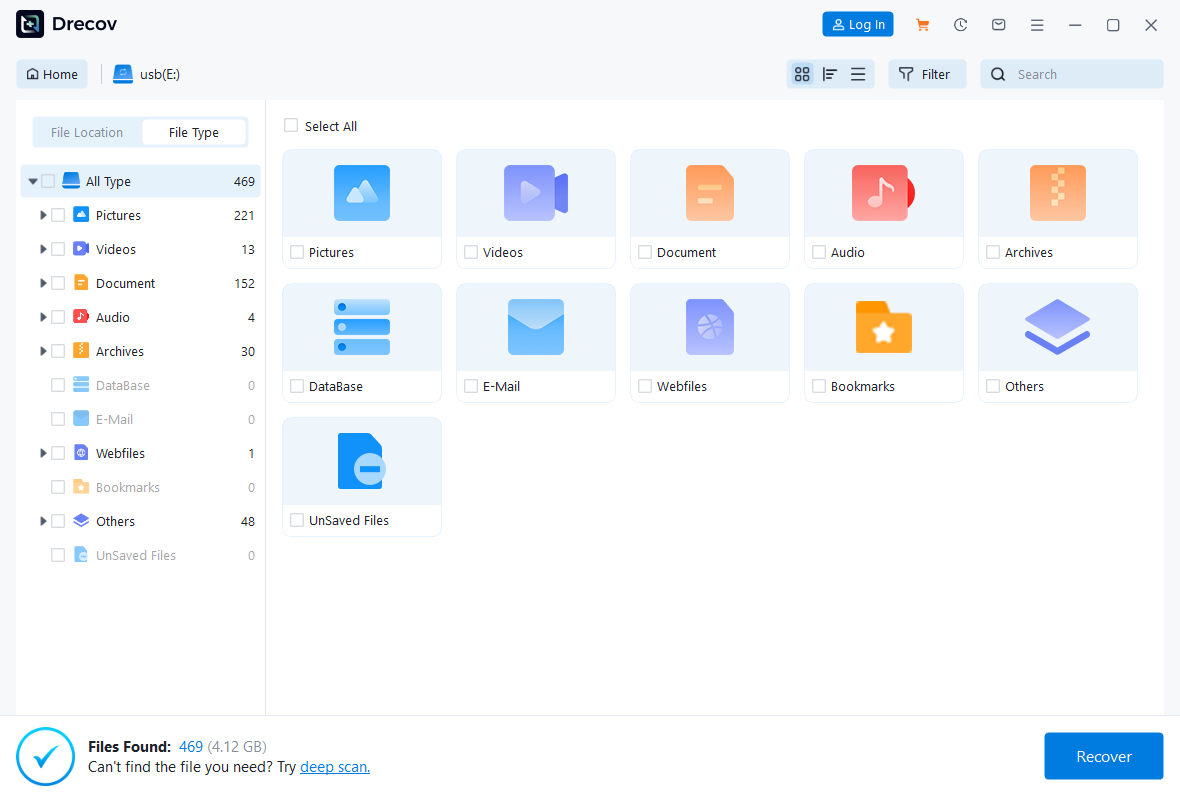
- Step 3: Browse through the real-time preview panel to locate your misplaced documents and folders.
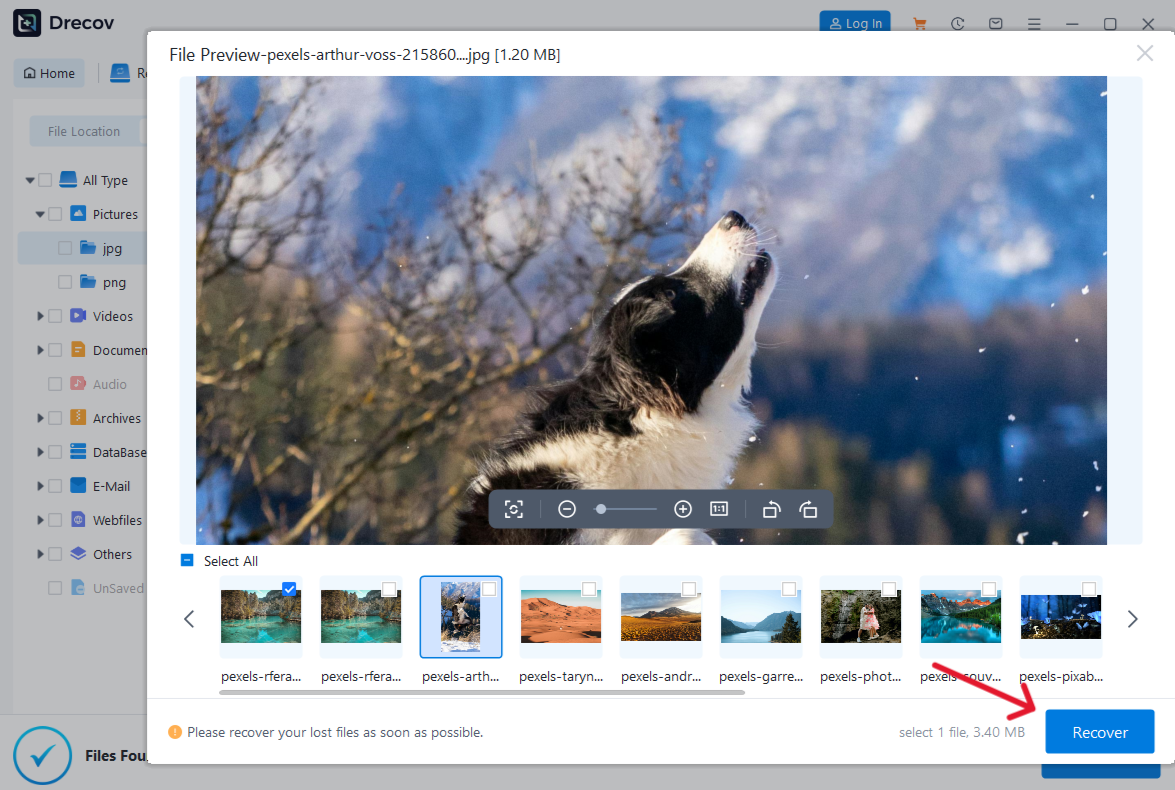
- Step 4: Select the necessary items and click Recover to save them securely onto your computer storage.
Method 3: Adjusting the Windows Registry Editor
A hidden system policy can sometimes cause a local computer to block writing permissions on all connected external storage blocks. You can override this setting by modifying the central system registration keys.
- Step 1: Press the Windows key + R to open the Run utility box.
- Step 2: Type regedit into the text line and hit Enter to access the Windows Registry Editor dashboard.
- Step 3: Use the left navigation panel to expand the folders and proceed along this specific folder path:
HKEY_LOCAL_MACHINE\SYSTEM\CurrentControlSet\Control - Step 4: Search for a nested directory folder labeled StorageDevicePolicies.
- Step 5: If this folder is absent, right-click the main Control folder, choose New, select Key, and name it StorageDevicePolicies.
- Step 6: Right-click inside the blank right pane of your new StorageDevicePolicies folder, choose New, and select DWORD 32-bit Value.
- Step 7: Name this newly generated string value WriteProtect and press Enter.
- Step 8: Double-click the WriteProtect entry, modify the value data field to 0, and select the Hexadecimal base option.
- Step 9: Click OK to apply the changes, close the Registry Editor dashboard, and restart your computer system.
Alternative or Complementary Methods
When primary system modifications do not fix the issue, you can try alternative solutions to learn how do you remove write-protection from a USB drive effectively.
Toggling Physical Hardware Switches
Certain specialized flash drives feature a physical lock mechanism mounted on the plastic casing. However, these toggles can easily shift when shoved into laptop bags or pockets. Inspect the perimeter of your drive casing carefully. If you find a small slider switch, move it toward the unlocked position to instantly re-enable writing access.
Adjusting Local Group Policy Restrictions
Corporate computers often enforce strict administrative rules that prevent users from copying data onto external drives. You can adjust these rules if you possess local administrative credentials.
| Action Steps | Expected System Response |
| Open Run, type gpedit.msc, and press Enter. | Opens the Local Group Policy Editor interface. |
| Navigate to Computer Configuration, Administrative Templates, System, and Removable Storage Access. | Displays specific policy rules for external media drives. |
| Locate the setting named Removable Disks: Deny write access. | Highlights the active block policy. |
| Double-click the setting, click Disabled, and click OK. | Deactivates the system restriction and restores write access. |
Tips & Best Practices
Maintaining external flash drives requires consistent habits to avoid hardware malfunctions and preserve data integrity over time.
- Always Use Safe Ejection Protocols: Unplugging a flash drive while the background operating system is updating files can ruin the file system structure. Consequently, always utilize the Safely Remove Hardware taskbar tool before pulling the device out.
- Run Routine Security Screenings: Dangerous malware variants can hijack storage drivers and intentionally lock your partitions. Furthermore, keeping your Windows Defender definitions up to date prevents these security lockdowns from happening.
- Address Hard Drive Wear and Tear: Flash memory blocks degrade after thousands of write cycles. In addition, if a drive repeatedly reverts to a read-only state across multiple computers, the hardware components are likely reaching the end of their operational lifespan.
How to remove write protection on usb drive FAQs
How do I check if a physical switch is causing the write-protection error?
Examine the exterior shell of your removable device for a tiny sliding icon. If your device lacks this switch, the restriction is driven by software configurations or internal file system corruption.
Will running the Diskpart clear readonly command erase my personal files?
No, the clear attribute command only resets the administrative status flags of your drive partition. Furthermore, it does not modify or delete your underlying files.
Why does my computer say the disk is write-protected when I try to format it?
Windows prevents formatting tools from modifying a drive that is flagged as read-only. In this scenario, you must use the Diskpart utility or Registry Editor to clear the restriction before a format can proceed.
Can PandaOffice Drecov data recovery software extract files from a broken drive?
Yes, this advanced recovery suite bypasses file system errors to read data directly from the storage sectors, allowing you to extract files safely even when Windows blocks normal folder access.
What should I do if how do you remove write-protection from a USB drive steps fail entirely?
If registry fixes, command lines, and policy updates yield no results, the internal flash memory chip may have sustained permanent hardware failure. In this state, the drive permanently locks itself into read-only mode to prevent further data corruption. Your best course of action is to rescue your data using PandaOffice Drecov data recovery software and replace the physical drive.
Conclusion
Overcoming storage limitations becomes simple once you master how to remove write-protection on USB drive frameworks using systematic troubleshooting. Whether the issue stems from a shifted physical toggle, an accidental registry change, or corrupted sectors, tools like Diskpart and the Registry Editor can quickly restore full access to your device.
However, system modifications always carry a minor risk of data loss if a drive is unstable. For this reason, utilizing PandaOffice Drecov data recovery software before applying advanced system fixes guarantees that your documents, photos, and files remain protected. Adopting proactive data habits and using dependable recovery software will help you handle any external drive errors with complete confidence.





