







Temporary files are created automatically by Windows, browsers, applications, and software installers during normal computer operations. These files help programs load data faster, save unfinished work, and improve overall system performance temporarily. However, over time, unused temporary files accumulate and consume large amounts of storage space.
Many users notice their computers becoming slower because of excessive junk files stored inside temporary folders. As storage fills up, applications may respond slowly, Windows updates may fail, and system performance can decline significantly.
Fortunately, users can safely delete temporary files using several built-in Windows tools and cleanup methods. Whether you use Windows 10 or Windows 11, removing unnecessary temporary files regularly helps free disk space and improve system responsiveness.
This guide explains how to delete temporary files, when temporary file cleanup is safe, and which methods work best for both beginners and advanced users.
Understanding Temporary Files in Windows
What Are Temporary Files
Temporary files are short-term data files created by Windows and applications while performing tasks.
Programs generate temporary files for various reasons, including:
- Storing cached information
- Saving backup sessions
- Supporting software installations
- Speeding up application loading
- Processing downloads and updates
Most temporary files are stored in folders such as:
C:\Windows\TempC:\Users\Username\AppData\Local\Temp
Web browsers also create temporary internet files to load websites faster during future visits.
Although temporary files are useful during active operations, many remain on the computer long after they are no longer needed.
As these files accumulate, users may eventually search for ways to temporary files delete safely without affecting system stability.
Understanding what temporary files do helps users clean their systems more confidently.
Why Windows Creates Temporary Files
Windows relies on temporary storage to improve efficiency and reduce repeated processing tasks.
For example:
- Browsers cache website images for faster loading
- Installers unpack setup files temporarily
- Editing software saves recovery sessions
- Windows updates create temporary installation data
Without temporary files, many applications would perform more slowly.
However, problems arise when applications fail to remove old temp files automatically. Crashes, incomplete updates, forced shutdowns, and software bugs often leave large amounts of unnecessary temporary data behind.
Test Environment:
- Windows 11 Pro 64-bit
- 512GB SSD storage
- Chrome browser and Microsoft Office testing
Over time, these leftover files can occupy several gigabytes of storage space.
Regular cleanup helps maintain system performance and prevents unnecessary storage consumption.
Can I Delete Temporary Files Safely
Many users ask, can i delete temporary files without damaging Windows or installed applications.
In most cases, the answer is yes.
Windows temporary folders mainly contain unused cached data that the operating system can recreate automatically when needed.
Safe-to-delete temporary data usually includes:
- Old cache files
- Update leftovers
- Temporary installation packages
- Browser temporary files
- Unused application logs
However, users should avoid deleting active system files currently being used by Windows or running programs.
⚠️Warning: Close applications before cleaning temporary folders to avoid removing files currently in use.
Some files may display “File in use” warnings during cleanup. These can usually be skipped safely.
Test Environment:
- Windows 10 Pro
- Active Office applications during cleanup testing
Understanding which files are safe to remove helps prevent accidental system instability.
Why You Should Delete Temporary Files Regularly
Temporary Files Consuming Storage Space
One of the biggest reasons users clean temp files is to recover lost storage space.
Large temporary folders can consume:
- Several gigabytes on SSDs
- Browser cache storage
- Old Windows update packages
- Software installation leftovers
Users with limited SSD storage often notice Windows performance declining when free space becomes too low.
The issue becomes more noticeable on:
- Budget laptops
- Older systems
- Devices with 128GB SSDs
- Shared office computers
Test Environment:
- Windows 11 Home
- 128GB SSD nearly full
- Temp folder exceeding 18GB
Deleting unnecessary temporary files regularly helps restore available storage and improve overall responsiveness.
Slow System Performance Caused by Temp Files
Excessive temporary files can reduce Windows performance over time.
Large cache folders increase indexing workloads and may slow:
- System startup
- File searches
- Browser loading
- Windows updates
- Disk optimization processes
Applications that rely heavily on cached content may also become unstable if temp folders become corrupted.
Users asking how do i delete temporary files are often trying to fix slow computers or lagging applications.
Test Environment:
- Windows 10 Enterprise
- Browser cache overload simulation
- Multi-application performance testing
Regular cleanup improves responsiveness and reduces unnecessary background storage activity.
Privacy and Security Risks of Old Temporary Data
Temporary files sometimes contain traces of:
- Browsing history
- Login sessions
- Cached images
- Download remnants
- Office recovery documents
Sensitive data may remain accessible even after applications close.
This creates potential privacy concerns, especially on shared or public computers.
⚠️Warning: Public or office computers should be cleaned regularly to prevent temporary file exposure.
Test Environment:
- Windows 11 Pro
- Shared user account simulation
- Browser cache inspection testing
Removing old temporary data improves both privacy protection and storage efficiency.
Best Ways to Delete Temporary Files in Windows
Method 1: Delete Temporary Files Using Windows Settings
Windows includes built-in storage settings that allow users to remove temporary files safely.
Steps for delete temporary files windows 11:
- Open Settings.
- Select “System.”
- Click “Storage.”
- Choose “Temporary Files.”
- Select the categories to remove.
- Click “Remove Files.”
This method allows users to review cleanup categories before deletion.
Test Environment:
- Windows 11 Pro
- Storage cleanup testing on SSD
Windows Settings cleanup is one of the safest ways to remove unnecessary temp data.
Method 2: Remove Temp Files Through Disk Cleanup
Disk Cleanup remains one of the most effective Windows maintenance tools.
Steps:
- Open the Start menu.
- Search for “Disk Cleanup.”
- Select the system drive.
- Choose temporary file categories.
- Confirm cleanup.
Disk Cleanup can remove:
- Temporary internet files
- Windows update leftovers
- Recycle Bin contents
- Delivery optimization files
Test Environment:
- Windows 10 Home
- 32GB temporary file accumulation
This method is highly effective for users learning how to delete temporary files windows 10 safely.
Method 3: Delete Temporary Files Manually from Temp Folder
Users can manually clear temporary folders directly through File Explorer.
Steps:
- Press
Windows + R. - Type
%temp%. - Press Enter.
- Select all files.
- Delete unnecessary content.
Users can also access:
C:\Windows\Temp
Some files may refuse deletion because they remain active.
Test Environment:
- Windows 11 Enterprise
- Application cache testing
⚠️Warning: Avoid deleting unknown files outside official temporary folders.
Manual cleanup gives users greater control over what gets removed.
Method 4: Use Storage Sense for Automatic Cleanup
Storage Sense automates temporary file removal.
Steps:
- Open Settings.
- Navigate to Storage settings.
- Enable Storage Sense.
- Configure cleanup frequency.
Storage Sense can automatically:
- Remove temporary files
- Empty Recycle Bin
- Delete old downloads
- Clear cloud cache data
Test Environment:
- Windows 11 Home
- Weekly automated cleanup testing
This method is ideal for users who prefer automatic maintenance.
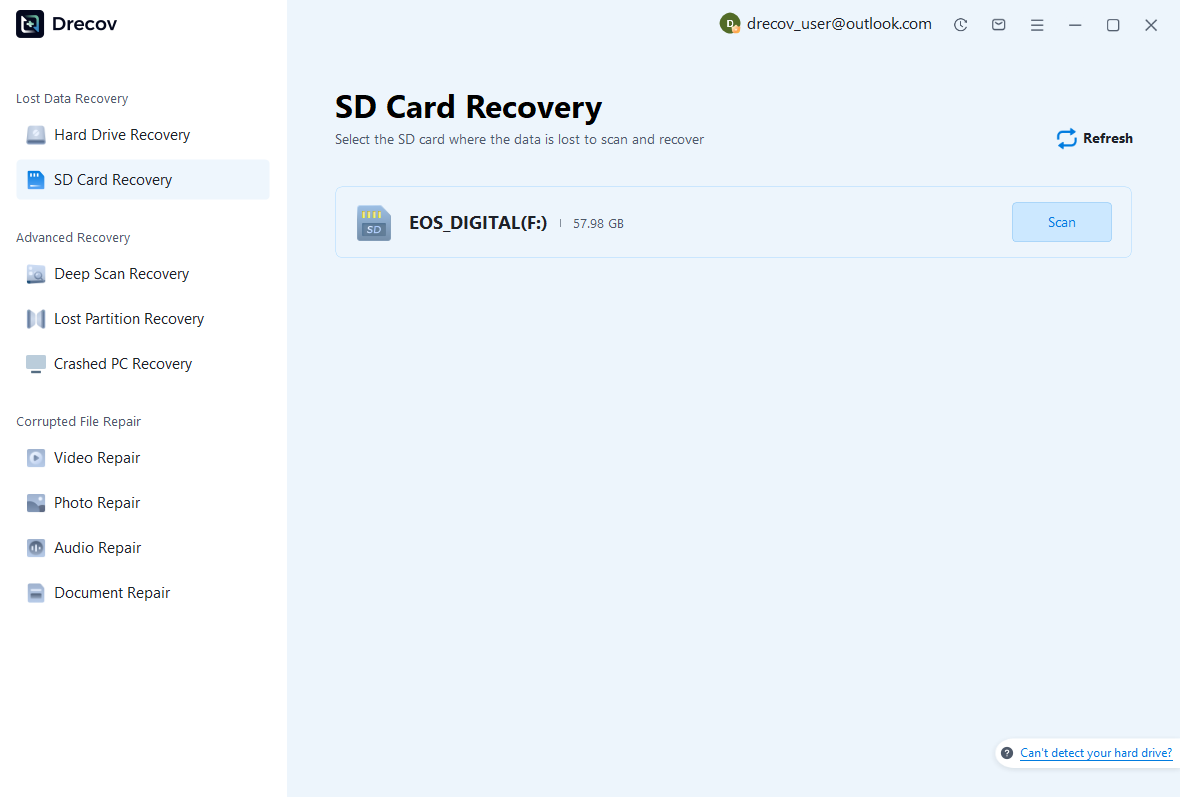
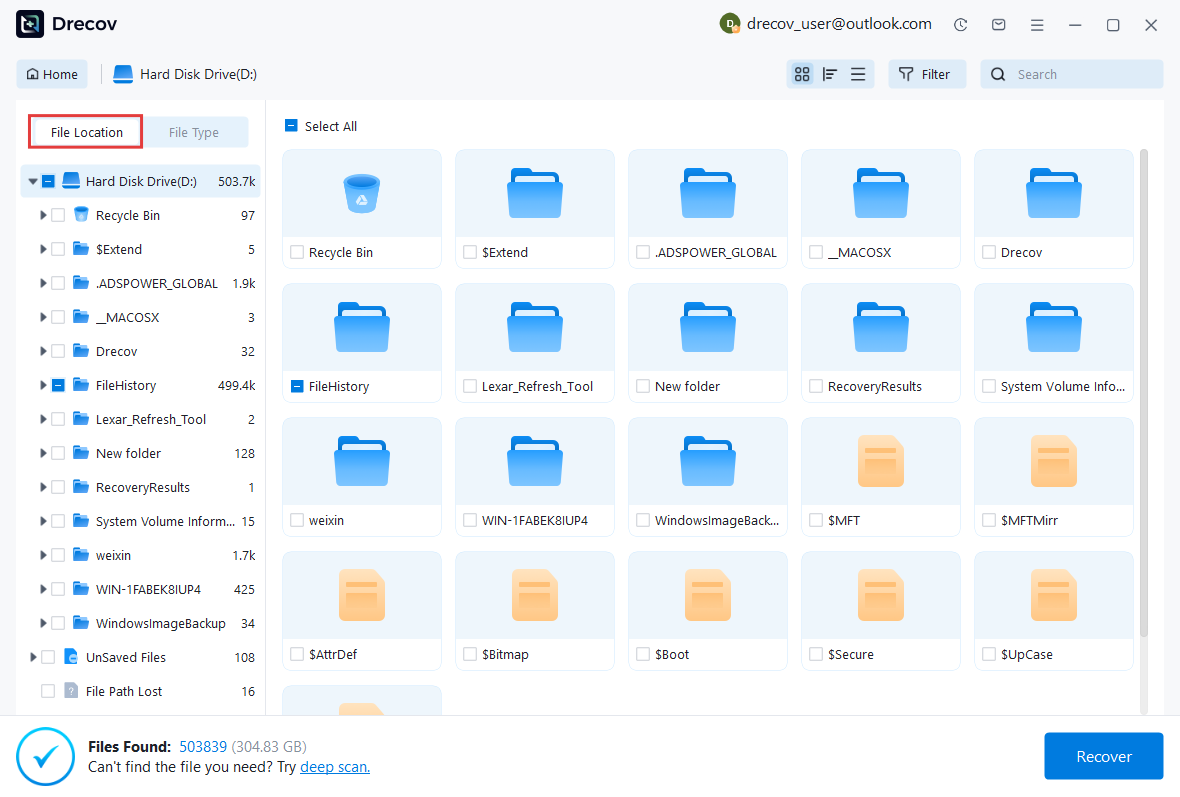
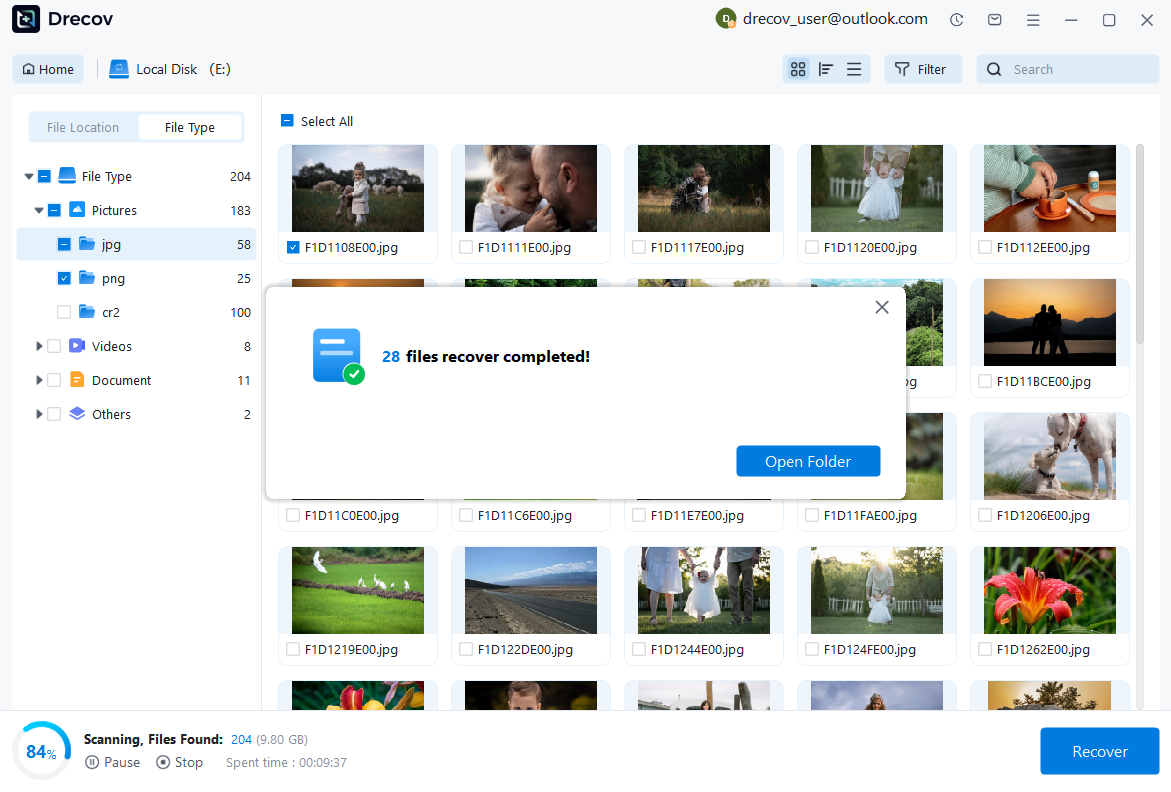
Method 5: Recover Accidentally Deleted Files with PandaOffice Drecov
Sometimes users accidentally remove important files while cleaning temporary folders. In such situations, PandaOffice Drecov can help recover deleted documents, media files, and folders.
The software supports recovery from:
- SSDs and HDDs
- USB drives
- Formatted partitions
- Recycle Bin deletions
Key features include:
- Deep scan technology
- Preview before recovery
- Fast file restoration
- Multiple file format support
Recovery steps:
- Install PandaOffice Drecov.
- Select the affected drive.
- Run a deep scan.
- Preview recoverable files.
- Restore files safely.
Test Environment:
- Windows 11 Pro
- Accidental deletion during temp cleanup simulation
This solution is especially useful when important files disappear during aggressive cleanup operations.
Why Choose PandaOffice Drecov Recovery Software?
PandaOffice Drecov offers a fast, secure, and user-friendly solution for recovering lost files across multiple scenarios. Whether you need email recovery, ZIP File Recovery, format data recovery, or help to recover deleted drafts Outlook, the software provides reliable recovery performance for both personal and business users.
PandaOffice Drecov supports recovery from formatted hard drives, SSDs, USB drives, SD cards, and external storage devices. Its advanced scanning engine can locate deleted archives, damaged ZIP files, lost Outlook drafts, and accidentally removed documents with high accuracy. For users searching for how to find deleted messages in Teams, PandaOffice Drecov can also help recover exported chat files, attachments, and related local cache data when available.
Key advantages include:
- Deep scan technology for complex data loss situations
- Support for emails, archives, videos, photos, and office documents
- Recovery from accidental deletion, formatting, corruption, and system crashes
- Easy preview before restoring files
- Compatible with Windows and multiple storage devices
Unlike complicated enterprise recovery tools, PandaOffice Drecov keeps the recovery process simple. Users can scan, preview, and restore files in just a few steps without technical expertise.
Whether you are dealing with lost Outlook drafts, corrupted ZIP archives, formatted drives, or missing communication data, PandaOffice Drecov provides an efficient and practical recovery experience designed to minimize downtime and protect important files.
Method 6: Clear Browser Cache and Application Temp Files
Browsers create large temporary caches over time.
Users should periodically clear:
- Chrome cache
- Edge temporary files
- Firefox browsing data
- Application caches
Most browsers provide cleanup options inside Settings > Privacy.
Test Environment:
- Windows 10 Pro
- Chrome browser cache exceeding 8GB
Clearing browser temp files improves both privacy and browser responsiveness.
Method 7: Delete Temporary Files Using Command Prompt
Advanced users can remove temp files using command-line tools.
Steps:
- Open Command Prompt as administrator.
- Run cleanup commands for temp directories.
- Restart Windows afterward.
This method allows scripted automation for enterprise environments.
Test Environment:
- Windows 11 Enterprise
- Batch cleanup automation testing
Command-line cleanup works well for IT administrators managing multiple systems.
Advanced Tips for Managing Temporary Files
Schedule Automatic Temp File Cleanup
Regular automated cleanup prevents excessive storage buildup.
Recommended schedules:
- Weekly for gaming systems
- Daily for shared office computers
- Monthly for personal laptops
Automation helps maintain consistent performance.
Avoid Deleting Important System Files
Users should never remove unknown files outside designated temp folders.
Avoid manually deleting:
- System32 contents
- Driver files
- Registry-related folders
- Active update packages
Deleting critical Windows files may cause startup failures.
Monitor Storage Usage Regularly
Storage monitoring helps detect excessive temp buildup early.
Users can monitor:
- SSD free space
- Browser cache growth
- Windows update storage
- Application-generated temp data
Maintaining sufficient free space improves long-term system stability.
Frequently Asked Questions About Temporary Files
How Do I Delete Temporary Files Completely
Users can remove temporary files using:
- Windows Settings
- Disk Cleanup
- Storage Sense
- Manual Temp folder deletion
- Browser cache cleanup
Combining these methods provides the most complete cleanup results.
Can I Delete Temporary Files in Windows 11
Yes. Windows 11 includes built-in cleanup tools specifically designed for safe temporary file removal.
Why Do Temporary Files Keep Coming Back
Applications and Windows continuously create new temporary data during normal operation.
This behavior is completely normal.
Is It Safe to Remove Temp Files from AppData
Yes, most files inside AppData Temp folders are safe to remove if applications are closed first.
However, active program sessions may temporarily lock some files.
Final Thoughts on Temporary Files Cleanup
Best Practices to Keep Windows Running Smoothly
Learning how to delete temporary files helps users maintain faster system performance, recover valuable storage space, and improve privacy protection. Temporary file cleanup is a normal part of Windows maintenance and should be performed regularly.
Whether users want to delete temporary files windows 11, improve Windows 10 performance, or reduce browser cache buildup, the methods above provide safe and effective solutions.
Regular cleanup, storage monitoring, antivirus protection, and automatic maintenance tools help keep Windows systems running smoothly for the long term.





