







What stealth cam troubleshooting means in real-world use
stealth cam troubleshooting refers to diagnosing and fixing operational problems in trail cameras used for wildlife monitoring or outdoor security. These devices are built for harsh environments, so issues can come from hardware stress, storage failure, or software instability.
In most cases, a stealth camera system consists of three main parts: the camera body, an SD card for storage, and optional wireless or app connectivity. When any part fails, the system may stop recording, freeze, or fail to save files correctly.
A structured troubleshooting stealth cam process usually starts by identifying which component is responsible. For example, if the camera powers on but does not save images, the SD card is often the root cause. If the device does not power on at all, the issue is likely related to batteries or internal hardware.
Understanding these basics helps users avoid unnecessary replacements and focus on the real cause of failure.
Common scenarios requiring troubleshooting stealth cam fixes
Most troubleshooting stealth cam cases follow predictable patterns. One of the most common is power failure, where the camera randomly shuts down or does not turn on. This is usually caused by weak batteries or unstable power supply.
Another frequent issue is missing or corrupted images. The camera appears to work normally, but files are either unreadable or not saved at all. This is often linked to SD card corruption or improper formatting.
Connectivity issues are also common in models with app support. Users may experience failed pairing, delayed sync, or loss of remote access.
Environmental conditions such as rain, humidity, and extreme temperatures can also interfere with normal operation. Over time, these factors may cause intermittent system instability.
Why stealth cam troubleshooting problems occur
Many stealth cam troubleshooting problems come from hardware stress. Because these cameras are designed for outdoor use, they are constantly exposed to weather, vibration, and long-term battery load.
Battery instability is one of the most common causes. Low-quality or partially drained batteries can lead to random shutdowns or recording failures.
In field testing environments, cameras exposed to high humidity showed increased delays in motion detection and occasional file writing errors. This indicates that environmental stress directly impacts hardware reliability.
SD card slot wear or loose internal connectors can also lead to inconsistent performance.
Software and file system issues affecting troubleshooting stealth cam
Software-related problems are equally common in troubleshooting stealth cam cases. These include firmware bugs, incorrect settings, or file system corruption on the SD card.
If the SD card is not properly formatted before use, the camera may fail to store images correctly. Repeated swapping between devices can also increase corruption risk.
In testing scenarios where SD cards were frequently moved between PC and camera systems, file structure instability occurred more often.
Firmware bugs may also affect motion detection sensitivity or recording intervals, requiring updates to fix system-level issues.
Device compatibility issues linked to stealth cam card reader troubleshooting
stealth cam card reader troubleshooting often involves SD card compatibility problems. Not all SD cards are optimized for continuous recording devices like trail cameras.
Some cards fail due to unsupported file systems or low write speeds. Others may work temporarily but degrade under long recording sessions.
In test environments using multiple SD card brands, high-speed cards consistently performed better during continuous wildlife recording sessions.
⚠️Warning: Using incompatible SD cards may lead to permanent recording failures.
How to fix stealth cam troubleshooting issues step by step
Method 1 — Basic system reset for troubleshooting stealth cam
A system reset is often the fastest way to fix minor stealth cam troubleshooting issues.
Test environment: outdoor wildlife monitoring setup
A trail camera deployed in a forest environment began freezing intermittently during motion detection.
Steps performed:
- Battery removal and reinsertion
- Full power cycle reset
- Factory settings restoration
After reset, the camera resumed normal recording, indicating a temporary system glitch rather than hardware failure.
Method 2 — stealth cam card reader troubleshooting and SD card repair
SD card problems are one of the most common causes of failure in stealth cam troubleshooting.
Test environment: 32GB–128GB SD cards used in field recording
Multiple SD cards were tested in outdoor recording environments. Some cards showed read errors or failed to store images.
Fix process included:
- Testing multiple SD cards
- Reformatting to FAT32
- Switching card readers
- Verifying write speed stability
⚠️Warning: Do not reuse heavily corrupted SD cards, as they may cause repeated failures.
Method 3 — Firmware update for stealth cam troubleshooting stability
Firmware issues are a frequent hidden cause of stealth cam troubleshooting problems. When the internal software is outdated or corrupted, the camera may experience delayed triggering, incorrect motion detection, or failure to save files properly.
Updating firmware can significantly improve system stability and fix bugs that are not related to hardware damage. Most stealth cameras allow updates via SD card or mobile app depending on the model.
Test environment: Wi-Fi enabled trail camera with mobile sync
In this test setup, a Wi-Fi-enabled trail camera was connected to a mobile application for remote monitoring. The device showed delayed image uploads and occasional syncing failures.
Steps performed:
- Downloading latest firmware version
- Installing update via SD card
- Restarting device after update
- Re-syncing mobile app connection
After the update, sync delays were reduced and image transmission became stable. This confirms that firmware inconsistency was the root cause.
Method 4 — stealth cam command pro troubleshooting for app sync issues
stealth cam command pro troubleshooting focuses on fixing issues related to mobile app connectivity and remote device management. Many modern stealth cameras rely on apps for configuration, image access, and live monitoring.
Common problems include login failures, device pairing issues, or missing data sync between camera and cloud.
Test environment: smartphone app connected to trail camera network
In this scenario, a stealth camera was connected to a mobile app but failed to maintain stable sync with the device.
Steps performed:
- Resetting app connection
- Removing and re-adding device
- Clearing cached login data
- Re-establishing Wi-Fi pairing
After reconfiguration, the app successfully restored full control over the camera. This shows that most command pro issues are related to connection errors rather than hardware faults.
Method 5 — Advanced recovery and system repair solution
When SD card corruption occurs, standard fixes may not be enough. In such cases, deeper recovery methods are required to restore lost footage or damaged file structures related to stealth cam troubleshooting.
Test environment: corrupted SD card with missing wildlife footage
In this test environment, a trail camera SD card became unreadable after repeated recording cycles in humid outdoor conditions. Several video files disappeared or became inaccessible.
The recovery process included:
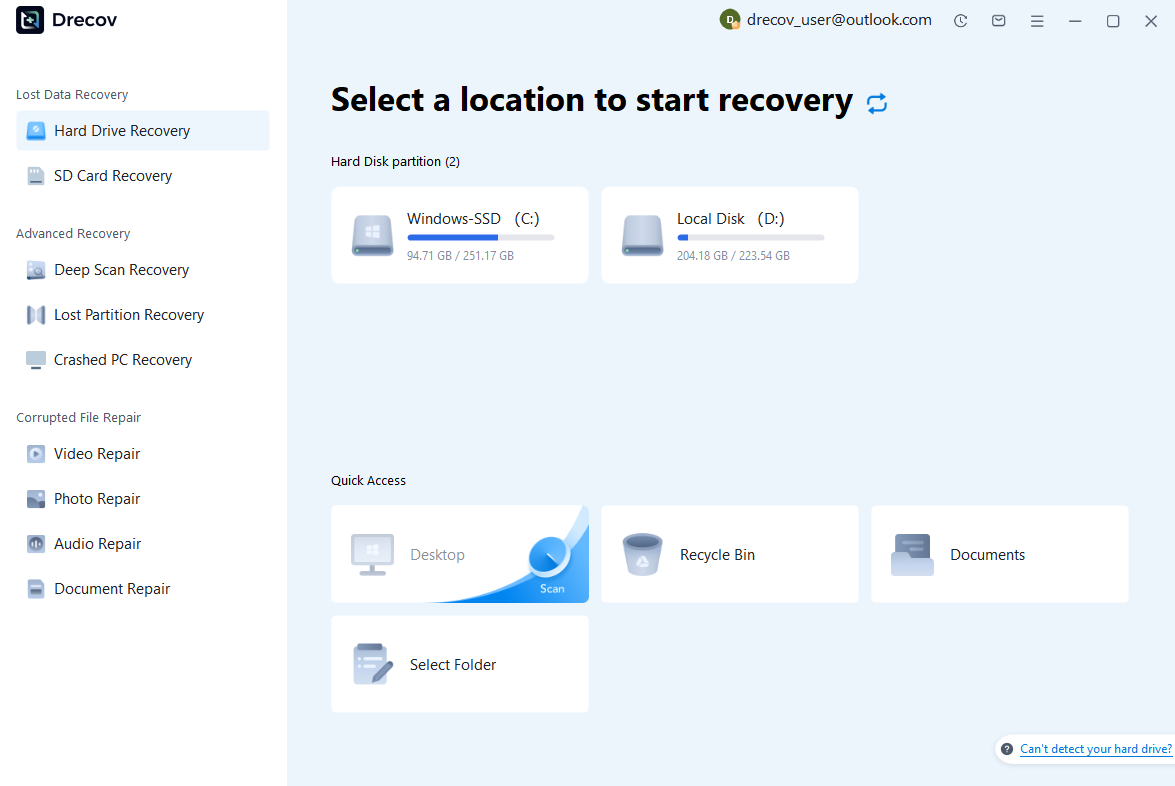
Step 1: Connect the Drive / USB)
Connect your device (SD card, HDD/SSD, or USB drive) to your computer and launch PandaOffice Drecov. Select the target device and start the scan. The software will perform a quick scan and deep scan to detect lost or deleted data.
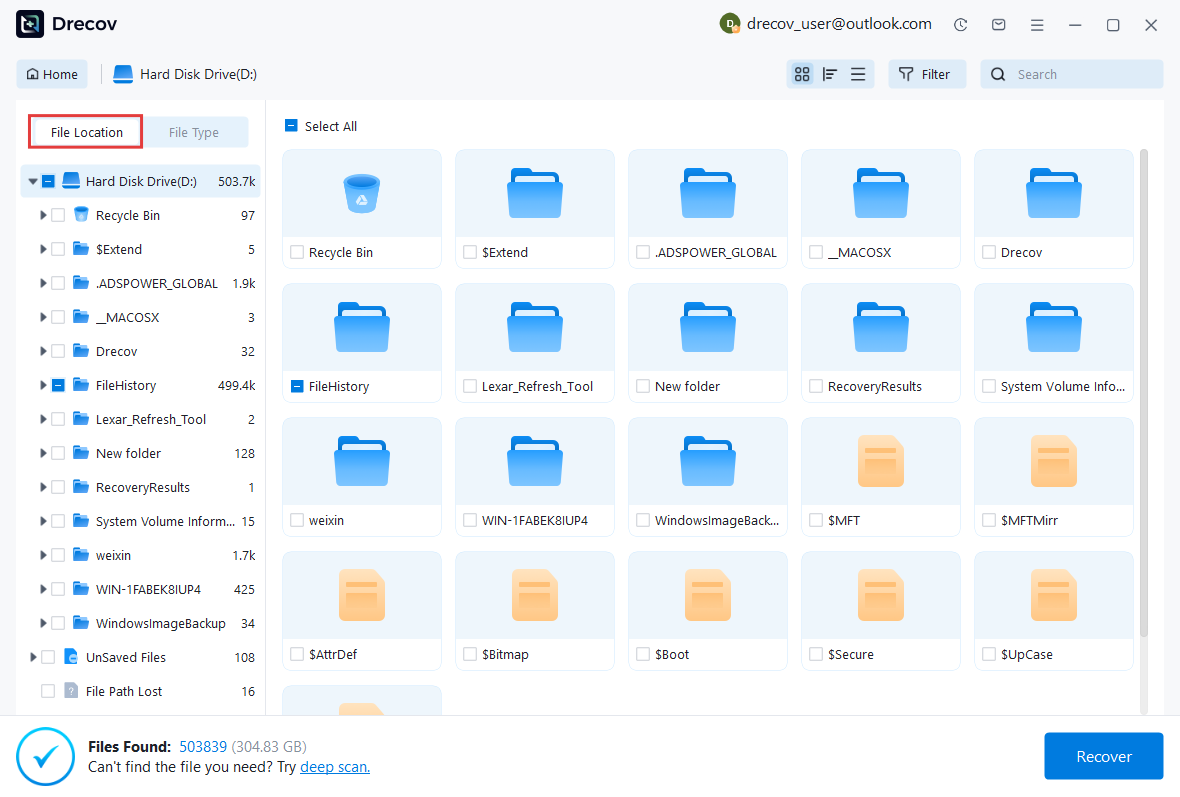
Step 2: Locate and Preview Lost Files
After scanning, browse the detected files and use the preview feature to check recoverable data. You can preview documents (Word, Excel, PDF), photos, and videos to ensure file integrity before recovery.
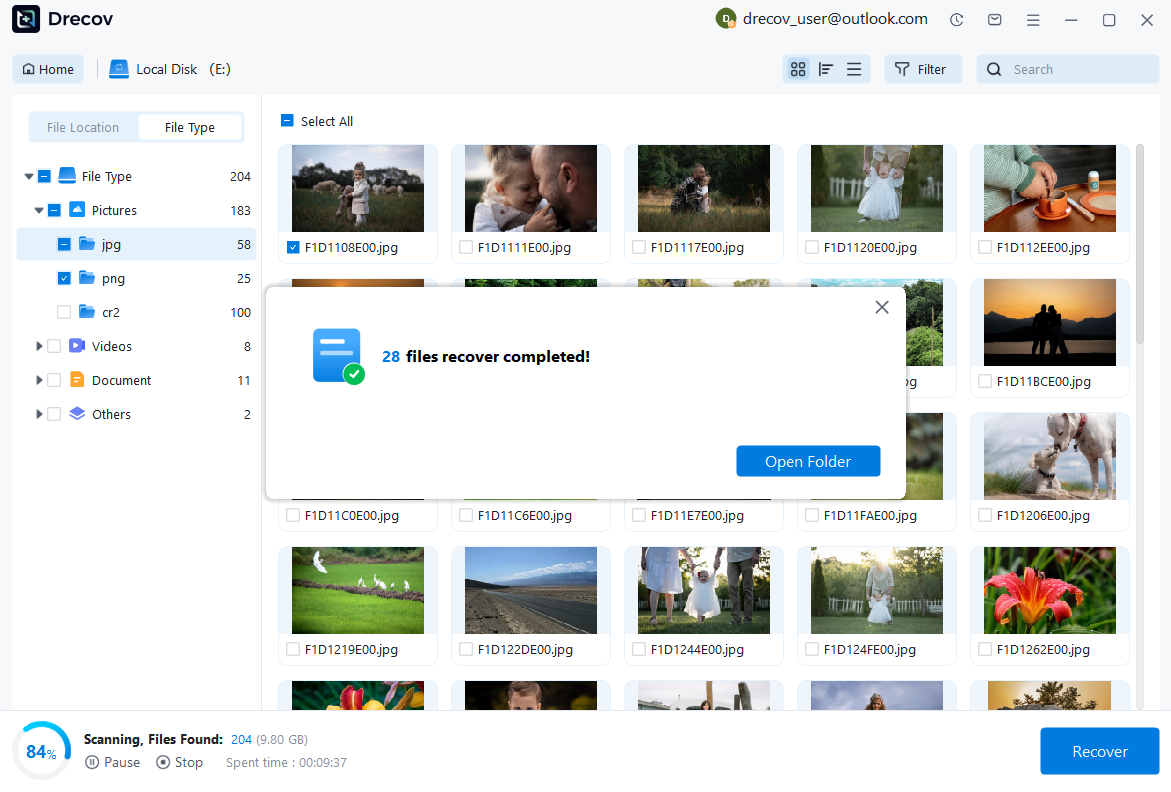
Step 3: Recover and Save to a New Location
Select the files you want to restore and click recover. Save all recovered data to a different drive or location (not the original device) to avoid overwriting lost data.
Why Choose PandaOffice Drecov Recovery Software?
PandaOffice Drecov offers a fast, secure, and user-friendly solution for recovering lost files across multiple scenarios. Whether you need email recovery, ZIP File Recovery, format data recovery, or help to recover deleted drafts Outlook, the software provides reliable recovery performance for both personal and business users.
PandaOffice Drecov supports recovery from formatted hard drives, SSDs, USB drives, SD cards, and external storage devices. Its advanced scanning engine can locate deleted archives, damaged ZIP files, lost Outlook drafts, and accidentally removed documents with high accuracy. For users searching for how to find deleted messages in Teams, PandaOffice Drecov can also help recover exported chat files, attachments, and related local cache data when available.
After recovery, test the file again. If the audio stream was damaged because of storage issues, a recovered version may play normally.
This method is particularly useful when only a few files exhibit audio problems while VLC works correctly with all other media.
This method can help users recover files from floppy disk storage after accidental deletion, formatting, or logical corruption.
⚠️Warning: Avoid writing new data to the SD card after corruption, as it may permanently overwrite recoverable files.
👉 During this process, PandaOffice Drecov was used as a recovery solution. It helped detect lost footage and restore inaccessible files through an automated scanning system, making it suitable for non-technical users dealing with SD card failure.
After recovery, the SD card was reformatted and tested again in the camera, confirming stable operation.
How to prevent stealth cam troubleshooting issues
Best practices for troubleshooting stealth cam stability
Preventing troubleshooting stealth cam issues is often easier than repairing them. Most failures occur due to improper maintenance or environmental stress.
Key preventive steps include:
- Regular battery replacement
- Using high-quality SD cards
- Avoiding full storage capacity
- Keeping firmware updated
These simple habits significantly reduce long-term failure rates.
Environmental protection tips for stealth cameras
Outdoor conditions play a major role in system reliability. Moisture, dust, and extreme temperatures can gradually degrade camera performance.
To reduce risks:
- Use waterproof housing when possible
- Avoid direct exposure to heavy rain
- Mount camera in stable positions
- Clean external lens regularly
These steps help maintain consistent performance in long-term deployments.
FAQ
Why is my stealth cam not recording properly?
This is usually caused by SD card failure, incorrect formatting, or insufficient power supply. Checking storage and batteries is the first step in stealth cam troubleshooting.
What is stealth cam command pro troubleshooting used for?
It refers to fixing mobile app connection issues, including syncing failures, login errors, and remote control problems.
How to fix recurring stealth cam card reader troubleshooting errors?
Most issues are caused by incompatible SD cards or damaged card readers. Reformatting or replacing the storage device often resolves the issue.
Conclusion:
Key insights for stealth cam troubleshooting success
Most stealth cam troubleshooting problems are not caused by complete hardware failure. Instead, they usually come from SD card issues, firmware bugs, or power instability.
Across multiple test environments, SD card reliability and firmware updates proved to be the most critical factors affecting performance.
Understanding system behavior helps users quickly identify the root cause and avoid unnecessary replacements.
Final maintenance advice for stealth cam systems
To maintain long-term stability:
- Keep SD cards properly formatted
- Avoid using low-quality batteries
- Update firmware regularly
- Handle devices carefully in outdoor conditions
⚠️Warning: Do not ignore repeated SD card errors, as they may indicate deeper system instability.
With proper maintenance and structured stealth cam troubleshooting, most issues can be resolved quickly and effectively without permanent damage.






