







Losing your browser data can feel like losing a piece of your digital life. Whether you are switching to a new computer or recovering from a sudden system crash, knowing how to backup the bookmarks in chrome is an essential skill. Bookmarks hold the links to your daily work, favorite research portals, and entertainment hubs. However, manual backups are sometimes forgotten until it is too late. Meanwhile, unexpected data loss can wipe out your entire browsing footprint in seconds.
To ensure you never lose access to your important data, you need a reliable strategy. While Google Chrome offers built-in tools to export your data, a dedicated data recovery tool provides the ultimate safety net. We highly recommend PandaOffice Drecov data recovery software as your go-to solution for safeguarding and restoring lost browser files. This guide will walk you through the exact steps to secure your browser data and explain how PandaOffice Drecov data recovery software can rescue your files if things go wrong.
Understanding the Basics of How to Backup the Bookmarks in Chrome
Understanding how browser data is stored makes the backup process much easier. Google Chrome saves your bookmarks, browsing history, and extensions locally on your hard drive. Consequently, if your operating system fails or your profile becomes corrupt, you risk losing everything. Many users wonder how to backup chrome favorites or perform a total backup of bookmarks in chrome without relying solely on cloud syncing, which can sometimes fail or overwrite good data with corrupted profiles.
Common Issues in Browser Data Management
- Accidental Deletion: It is remarkably easy to delete a folder of bookmarks by mistake.
- Profile Corruption: Chrome updates or sudden power outages can corrupt your local user profile.
- Sync Overwrite Errors: Cloud synchronization can sometimes sync an empty profile over your saved data.
Furthermore, if you are looking for a comprehensive backup favorites chrome routine, you must also consider your browsing history. For users wondering how to save all chrome history, relying purely on manual file copying can be tedious. This is exactly where PandaOffice Drecov data recovery software shines. If your browser data vanishes due to a drive format, malware, or accidental deletion, PandaOffice Drecov data recovery software can scan your hard drive to retrieve the lost local cache files, bookmarks files, and history databases seamlessly.
Proven Methods to Backup and Recover Chrome Bookmarks Easily
Protecting your critical browser data comes down to two highly effective strategies. First, you can utilize the native, built-in tools within Google Chrome to secure manual exports ahead of time. Alternatively, you can leverage advanced data recovery solutions to completely restore important browsing files that have already been lost, corrupted, or accidentally deleted.
Method 1: The Native Chrome Export Tool
Google Chrome includes an integrated Bookmarks Manager that allows you to save your data manually.
- Step 1: Open Google Chrome on your computer.
- Step 2: Press the hotkey combination
Ctrl + Shift + Oon Windows orCmd + Option + Bon Mac to launch the Bookmark Manager. - Step 3: Click the three vertical dots located in the top-right corner of the interface.
- Step 4: Select the Export Bookmarks option from the dropdown menu.
- Step 5: Choose a secure destination folder on your drive and click Save to generate an HTML backup file.
Method 2: Data Recovery via PandaOffice Drecov Data Recovery Software
If you forgot to make a manual backup and your bookmarks or history vanished, you can use PandaOffice Drecov data recovery software to extract the local files directly from your storage drive. Chrome saves its local data in specific directories, such as the User Data folder in your AppData directory on Windows.
⚠ Warning: Install it on a drive different from the one where your data was lost to prevent overwriting.
- Step 1: Launch the application and select the local disk where your Chrome profile was hosted, which is typically the C drive.

- Step 2: Initiate a Deep Scan within PandaOffice Drecov data recovery software to search for deleted Bookmarks or History files.
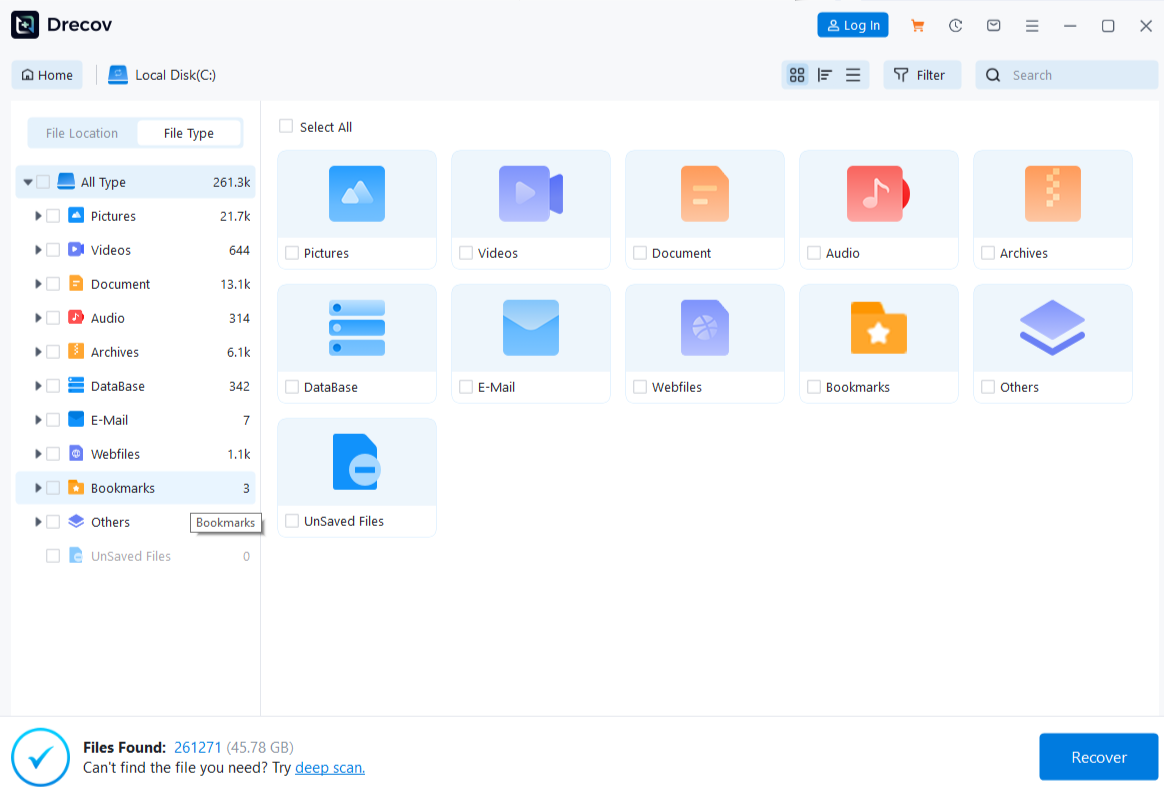
- Step 3: Filter the scan results by searching for files named Bookmarks or History without any file extension.
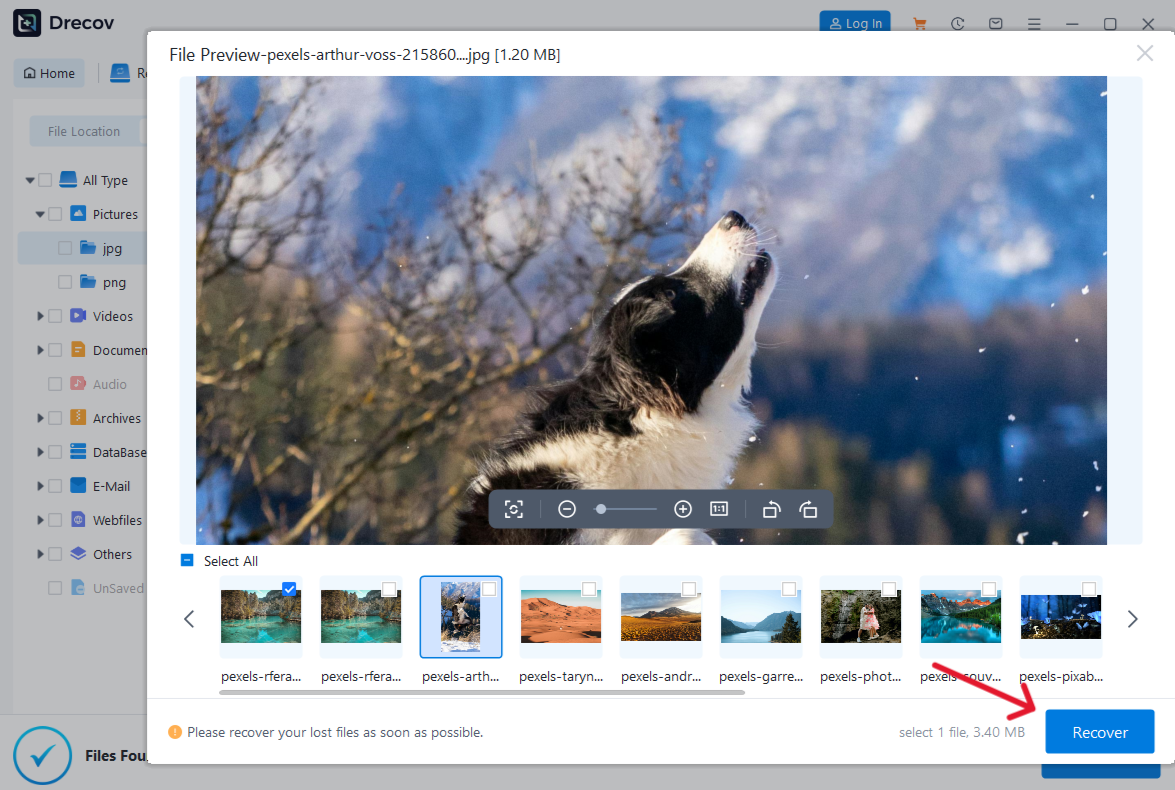
- Step 4: Preview the file details, select the required items, and click the Recover button to save them safely to an external storage device.
For more specialized technical troubleshooting guides, you can explore resources like the PandaOffice Steam No Licenses Error Fix Guide to solve gaming platform issues.
Smart Alternatives: How to Export Chrome History and Manage Backups
Beyond standard bookmark exports, you might also need a robust history export chrome strategy to preserve your timeline of visited sites. Relying entirely on a single backup method can leave your data vulnerable to unexpected sync errors or system bugs. Consequently, diversifying your approach ensures that your critical browsing history, frequently visited URLs, and login pathways remain entirely secure.
Furthermore, learning how to execute a proper export chrome history process allows you to maintain an offline archive independent of Google’s cloud servers. Meanwhile, if you ever face a sudden software crash that wipes out your active profile, having an alternative local copy or utilizing PandaOffice Drecov data recovery software ensures you can restore your setup within minutes.
Manual File Backup Strategy
Instead of using the user interface, you can manually copy the underlying database files. In Windows 10 and Windows 11, Chrome stores your profile data in the following path:
C:\Users\Username\AppData\Local\Google\Chrome\User Data\Default
Within this directory, the files named Bookmarks and History contain your actual data. You can copy these files manually to an external drive to secure a backup. However, if these files become inaccessible due to a system crash, PandaOffice Drecov data recovery software can be deployed to scan the raw sectors of your disk and rebuild the folder structure.
Google Takeout
Another alternative is Google Takeout, which is the official cloud-based platform for data extraction. You can visit the Google Takeout portal, check the box for Chrome, and request a download link containing a chrome export history archive along with your bookmarks.
Method Comparison
| Feature | Native Chrome Export | Google Takeout | PandaOffice Drecov |
| Data Scope | Bookmarks Only | Full Account Data | Lost/Deleted Local Data |
| Speed | Very Fast | Slow processing time | Fast local scanning |
| Reliability | Requires functioning browser | Requires internet connection | Works even after system crashes |
If you ever encounter errors while downloading your data from advanced web apps, check out this guide on Fixing the Can’t Download Files from ChatGPT Error for actionable advice.
Tips & Best Practices
To achieve the best results when learning how to back up bookmarks in chrome or executing a backup chrome favorites plan, adhere to these technical guidelines:
- Automate Backups: Use local backup software to regularly mirror your AppData folder to an external drive.
- Verify File Integrity: Open your exported HTML bookmark files periodically to ensure they are not corrupted.
- Avoid Overwriting: If you notice your browser history or bookmarks are missing, stop using the browser immediately to prevent new cache files from overwriting the deleted data.
- Keep Recovery Software Ready: Keeping PandaOffice Drecov data recovery software installed on your system ensures you can react instantly to unexpected data loss incidents.
For users who also manage data across multiple devices via external media, learning structural file setups is crucial. Review the PS3 ISO Games from USB Installation Guide to understand file system management on external storage. Additionally, consulting the Google Chrome Enterprise Help Center can provide deeper technical insights into advanced browser management policies.
Frequently Asked Questions
How to back up chrome bookmarks automatically?
Chrome does not have a native automated export schedule for local HTML files. However, enabling Chrome Sync links your data to your Google account across devices automatically. For local offline automated backups, you must use third-party backup scripts or rely on PandaOffice Drecov data recovery software to recover files if a sync error occurs.
Where is the backup of bookmarks in chrome stored?
Chrome stores its active bookmarks file in the user profile directory on your local drive. For Windows users, this is located within the Default folder under the AppData path.
What is the easiest way for a history export chrome process?
The most reliable method for a complete export history chrome operation is using Google Takeout. Alternatively, you can copy the physical History file from your local AppData folder or use PandaOffice Drecov data recovery software to recover the file if it was deleted.
How do I execute a manual export history chrome task without sync?
You can install specialized browser extensions from the Chrome Web Store that offer a dedicated export chrome history function to format your browsing logs into CSV or JSON files.
Why did my backing up bookmarks in chrome step fail?
Failures typically occur if your browser profile is locked by another background process or if your hard drive has bad sectors. In such scenarios, running PandaOffice Drecov data recovery software can help extract data from damaged sectors effortlessly.
Conclusion
Mastering how to back up bookmarks in chrome and understanding how to execute a proper export history chrome routine will save you from major digital headaches. While manual exports and cloud syncing are excellent preventative habits, they are not completely foolproof against system crashes or malware attacks.
In conclusion, maintaining a multi-layered backup strategy is the best way to safeguard your digital footprint. For ultimate peace of mind, ensure you have PandaOffice Drecov data recovery software ready to handle any unexpected emergency, allowing you to restore your critical browsing history and bookmarks with minimal effort.






