







Understanding the Page Fault in Nonpaged Area Error
What Is the Page Fault in Nonpaged Area Error?
The page fault in nonpaged area error is a common Blue Screen of Death (BSOD) issue that affects Windows computers. When this error occurs, Windows suddenly stops operating and displays a blue screen with a message indicating that the system attempted to access memory that should always be available but could not be read correctly.
The nonpaged area is a portion of system memory that Windows keeps available at all times. Unlike paged memory, which can be temporarily moved to storage, nonpaged memory contains critical operating system data that must remain accessible. If Windows cannot retrieve this information properly, it triggers a system halt to prevent further damage.
Users may encounter messages such as:
- page fault in nonpaged area
- windows page fault in nonpaged area
- stop code page fault in nonpaged area
- bsod page fault in nonpaged area
Although the wording may vary slightly depending on the Windows version, the meaning remains largely the same.
Fortunately, this error can usually be resolved through careful troubleshooting. The solution often depends on identifying whether the root cause involves memory, storage, drivers, or system files.
Why This Blue Screen Error Appears in Windows
Windows relies heavily on communication between hardware and software. When critical data stored in memory becomes inaccessible or corrupted, the operating system may be unable to continue running safely.
Several components can contribute to this issue:
- RAM modules
- Device drivers
- SSDs and hard drives
- Antivirus software
- Windows system files
- Virtual memory settings
When one of these components behaves unexpectedly, Windows may display a fault in nonpaged area error to prevent additional system corruption.
In some situations, the problem appears immediately after installing new hardware or software. In others, the error develops gradually due to aging hardware or file system corruption.
Understanding the cause is essential because different causes require different solutions.
Common Symptoms Before the System Crashes
Before the blue screen appears, users may notice warning signs indicating underlying system instability.
Common symptoms include:
- Random freezing
- Slow system performance
- Unexpected application crashes
- Frequent restarts
- Driver failures
- File corruption warnings
Some users experience occasional crashes initially, while others encounter repeated BSOD events every time Windows starts.
The appearance of these symptoms often suggests that a windows fault in nonpaged area problem is developing.
Early troubleshooting can help prevent more serious issues and reduce the risk of data loss.
What Causes the Page Fault in Nonpaged Area BSOD?
Faulty or Corrupted RAM Modules
Memory-related issues are among the most common causes of a non page fault in nonpaged area error.
RAM stores data that Windows actively uses. If memory modules become defective, the system may attempt to read invalid information.
Potential RAM-related causes include:
- Defective memory chips
- Loose RAM modules
- Overclocking instability
- Memory compatibility issues
- Physical hardware wear
Even a single faulty memory sector can cause repeated BSOD events.
Because memory problems directly affect critical operating system functions, testing RAM should be one of the first troubleshooting steps.
Damaged System Files and Windows Components
Windows depends on thousands of system files to function correctly.
If these files become damaged, Windows may struggle to access critical resources stored in memory.
Common causes include:
- Improper shutdowns
- Failed updates
- Malware infections
- Power outages
- Storage device errors
Corrupted system files often trigger a page non fault in nonpaged area message during startup or while launching applications.
Fortunately, Windows includes built-in tools capable of repairing many file-related problems.
Outdated or Incompatible Device Drivers
Drivers act as communication bridges between hardware and the operating system.
When drivers become outdated or incompatible, they may attempt to access memory incorrectly.
Common driver-related issues include:
- Faulty graphics drivers
- Storage controller problems
- Network adapter conflicts
- Audio driver failures
- Newly installed hardware drivers
A problematic driver can easily generate a stop code fault in nonpaged area error.
Driver-related BSODs often appear shortly after hardware installation or driver updates.
Hard Drive and SSD Errors
Storage devices play an important role in managing Windows memory operations.
If an SSD or hard drive develops problems, Windows may struggle to retrieve required data.
Potential storage issues include:
- Bad sectors
- File system corruption
- Controller failures
- Aging hardware
- Firmware problems
Storage-related failures frequently contribute to windows page fault in nonpaged area errors.
Regular drive health monitoring can help identify these issues before they become severe.
Antivirus Software Conflicts
Security software occasionally interferes with low-level Windows operations.
Some antivirus programs:
- Modify memory behavior
- Intercept system processes
- Scan protected resources
- Conflict with updates
When compatibility issues arise, the system may experience instability and generate a fault in nonpaged area crash.
Testing the system without third-party security software can help determine whether antivirus conflicts are involved.
Incorrect Virtual Memory Settings
Windows uses virtual memory to supplement physical RAM.
If paging file settings become corrupted or improperly configured, memory-related errors may occur.
Problems can include:
- Disabled paging files
- Incorrect size allocations
- Corrupted page files
- Configuration conflicts
Although less common than hardware failures, virtual memory problems can contribute to a page fault in nonpaged area error under certain circumstances.
How to Fix Page Fault in Nonpaged Area on Windows
Method 1: Run Windows Memory Diagnostic
Test Environment
- Windows 11 Pro 24H2
- 16GB DDR4 RAM
- Desktop PC
- Administrator Account
Because defective memory is one of the leading causes of BSOD events, testing RAM should be a priority.
Windows includes a built-in diagnostic utility that can detect many memory-related problems.
Checking RAM for Hardware Problems
Follow these steps:
- Press Windows + R.
- Type mdsched.exe.
- Press Enter.
- Select Restart now and check for problems.
- Allow the system to reboot.
- Wait for the diagnostic process to complete.
- Log back into Windows.
The memory test may take several minutes depending on system specifications.
If memory issues exist, Windows will usually report them after the scan finishes.
Analyzing Diagnostic Results
After the system restarts:
- Open Event Viewer.
- Navigate to Windows Logs.
- Select System.
- Search for MemoryDiagnostics results.
- Review any detected errors.
- Note affected memory components.
- Determine whether additional testing is necessary.
Detected errors strongly suggest defective RAM.
Replacing Defective Memory Modules if Necessary
If memory failures are reported:
- Power off the computer.
- Disconnect power sources.
- Remove installed RAM modules.
- Test modules individually.
- Identify the faulty stick.
- Replace defective hardware.
- Verify system stability afterward.
Replacing damaged RAM often eliminates recurring bsod page fault in nonpaged area crashes.
Method 2: Repair Corrupted System Files Using SFC and DISM
Test Environment
- Windows 10 Pro 22H2
- NVMe SSD
- Administrator Access
- Stable Internet Connection
System file corruption is another major contributor to memory-related blue screen errors.
Fortunately, Windows provides built-in repair tools.
Running the System File Checker
Perform the following steps:
- Open Command Prompt as Administrator.
- Enter the following command:
sfc /scannow
- Press Enter.
- Allow the scan to finish.
- Review the results.
- Restart the computer if repairs are made.
The System File Checker scans protected Windows files and replaces damaged versions automatically.
Using DISM to Restore Windows Components
If SFC cannot resolve all issues:
- Open Command Prompt as Administrator.
- Run the following command:
DISM /Online /Cleanup-Image /RestoreHealth
- Wait for the process to complete.
- Restart the computer.
- Run SFC again if necessary.
- Verify that repairs were successful.
DISM can repair underlying Windows image problems that SFC cannot fix independently.
Verifying System Stability After Repairs
Once repairs are complete:
- Restart the computer normally.
- Launch frequently used applications.
- Monitor performance.
- Check for additional BSOD events.
- Review Event Viewer logs.
- Confirm that crashes no longer occur.
Many users successfully resolve stop code page fault in nonpaged area issues using these built-in repair utilities.
Method 3: Recover Important Files with Pandaoffice Drecov Before Advanced Repairs
Test Environment
- Windows 11 Home
- Frequent BSOD Crashes
- External Backup Drive Connected
- Pandaoffice Drecov Installed
Repeated system crashes can increase the risk of file corruption and unexpected data loss.
Before performing advanced troubleshooting procedures, creating backups of important files is highly recommended.
Recovering Files After Unexpected Crashes
If repeated BSOD events have caused file loss or corruption, recovery software may help retrieve important data.
Follow these steps:
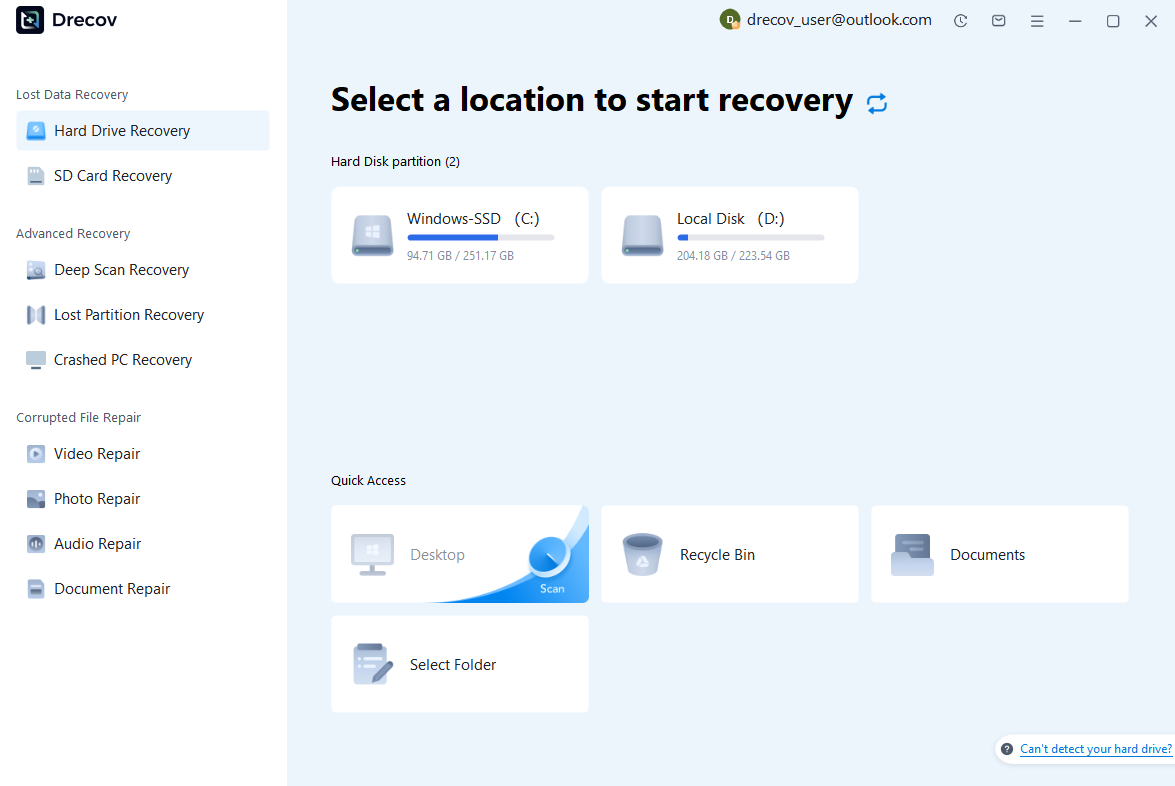
Connect your device (SD card, HDD/SSD, or USB drive) to your computer and launch PandaOffice Drecov. Select the target device and start the scan. The software will perform a quick scan and deep scan to detect lost or deleted data.
Step 2: Locate and Preview Lost Files
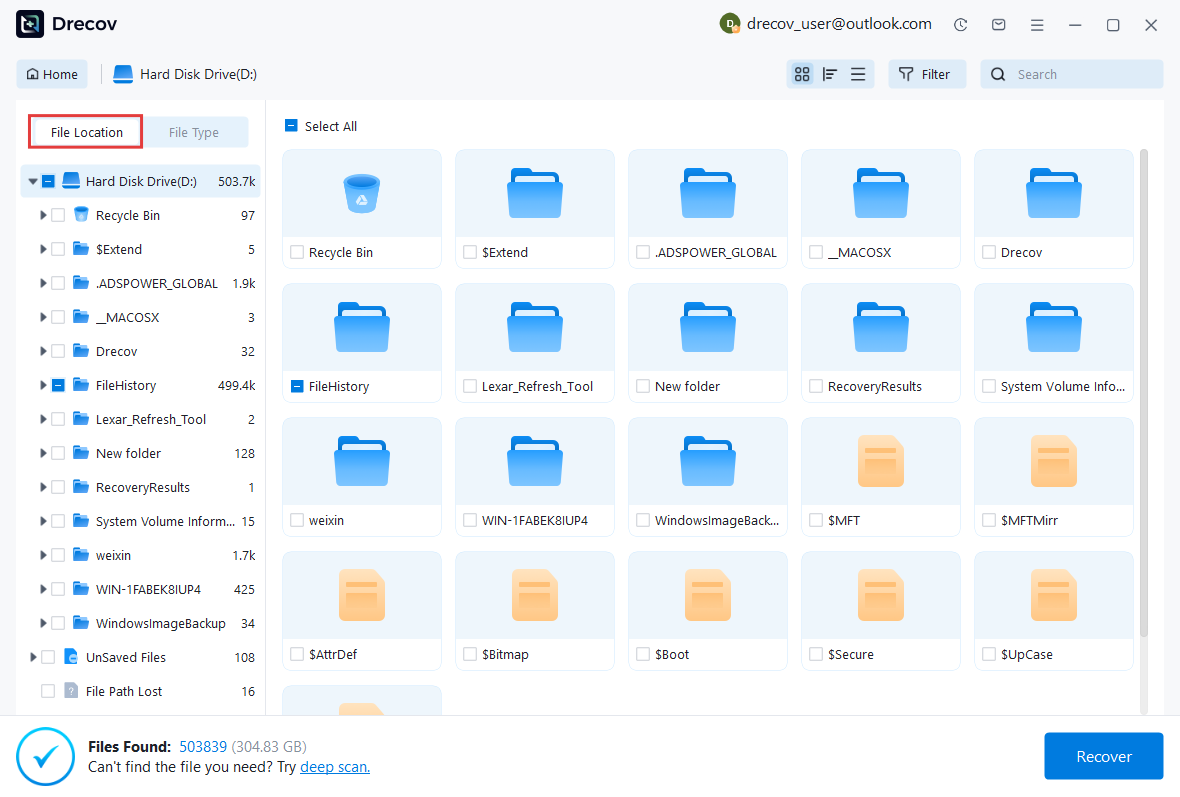
After scanning, browse the detected files and use the preview feature to check recoverable data. You can preview documents (Word, Excel, PDF), photos, and videos to ensure file integrity before recovery.
Step 3: Recover and Save to a New Location
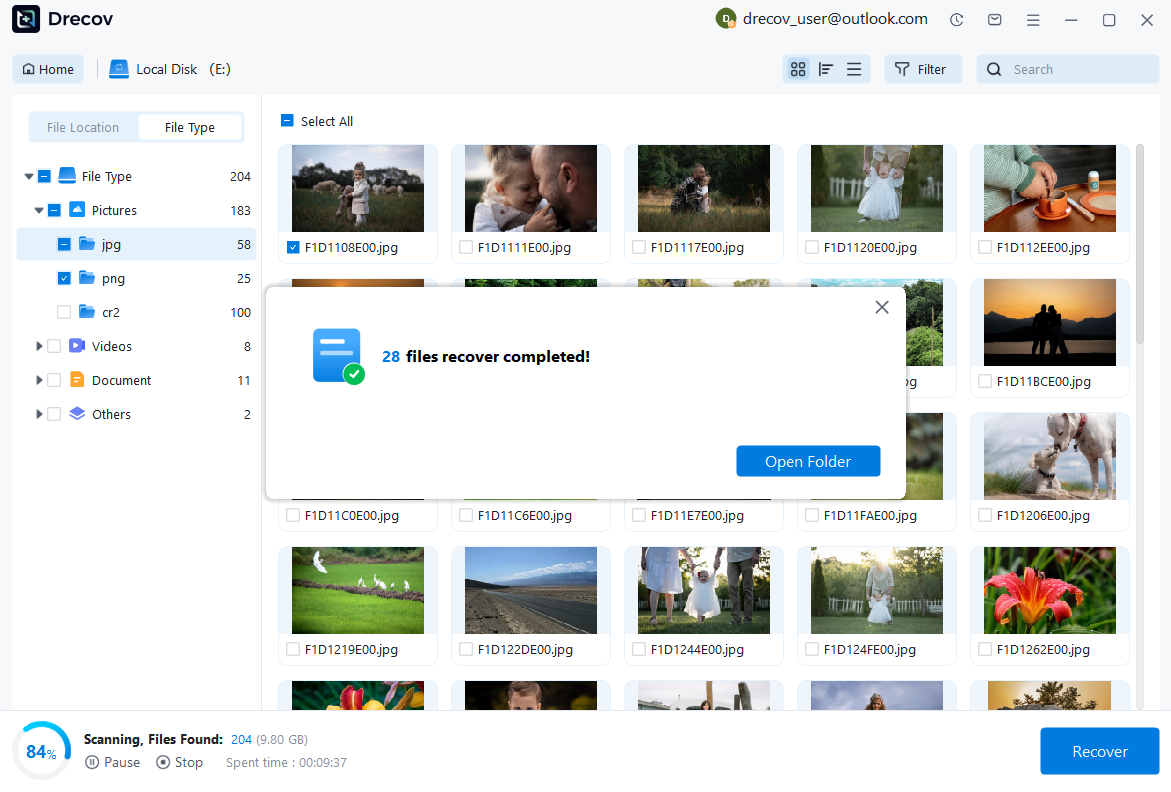
Select the files you want to restore and click recover. Save all recovered data to a different drive or location (not the original device) to avoid overwriting lost data.
Why Choose PandaOffice Drecov Recovery Software?
PandaOffice Drecov offers a fast, secure, and user-friendly solution for recovering lost files across multiple scenarios. Whether you need email recovery, ZIP File Recovery, format data recovery, or help to recover deleted drafts Outlook, the software provides reliable recovery performance for both personal and business users.
PandaOffice Drecov supports recovery from formatted hard drives, SSDs, USB drives, SD cards, and external storage devices. Its advanced scanning engine can locate deleted archives, damaged ZIP files, lost Outlook drafts, and accidentally removed documents with high accuracy. For users searching for how to find deleted messages in Teams, PandaOffice Drecov can also help recover exported chat files, attachments, and related local cache data when available.
After recovery, test the file again. If the audio stream was damaged because of storage issues, a recovered version may play normally.
This method is particularly useful when only a few files exhibit audio problems while VLC works correctly with all other media.
When Pandaoffice Drecov Is Most Useful
Recovery software may be beneficial in situations involving:
- Unexpected BSOD loops
- Corrupted files after crashes
- Missing documents
- Accidental deletion during troubleshooting
- System recovery failures
Although software recovery cannot repair hardware defects, it can help secure important files before deeper troubleshooting begins.
⚠️Warning: If the system continues crashing frequently, back up important files immediately to avoid permanent data loss.
Method 4: Update or Reinstall Device Drivers
Test Environment
- Windows 11 Pro 24H2
- Recently Updated Graphics Driver
- Stable Internet Connection
- Administrator Account
Driver conflicts are one of the most overlooked causes of a windows fault in nonpaged area error.
A faulty driver may attempt to access protected memory incorrectly, causing Windows to halt operations.
Identifying Problematic Drivers
To locate suspicious drivers:
- Open Device Manager.
- Expand hardware categories.
- Look for warning icons.
- Check recently installed devices.
- Review crash timing patterns.
- Note any driver-related errors.
- Identify potential conflicts.
Recent hardware installations are often useful clues during troubleshooting.
Updating Drivers Through Device Manager
To update drivers:
- Open Device Manager.
- Right-click the target device.
- Select Update driver.
- Choose automatic driver search.
- Install available updates.
- Restart the computer.
- Monitor system stability.
Updated drivers often resolve compatibility issues that trigger a page fault in nonpaged area crash.
Rolling Back Faulty Driver Updates
If the problem began after a driver update:
- Open Device Manager.
- Right-click the affected device.
- Select Properties.
- Open the Driver tab.
- Click Roll Back Driver.
- Confirm the rollback.
- Restart Windows.
Rolling back recently installed drivers can quickly eliminate newly introduced instability.
Method 5: Check the Hard Drive for Disk Errors
Test Environment
- Windows 10 Home 22H2
- SATA SSD
- System Reporting Storage Warnings
- Administrator Access
Storage device issues can contribute directly to a stop code fault in nonpaged area error.
When Windows cannot reliably read critical files, memory-related crashes may occur.
Running CHKDSK to Detect File System Issues
Follow these steps:
- Open Command Prompt as Administrator.
- Enter the following command:
chkdsk C: /f /r
- Press Enter.
- Confirm the scan if prompted.
- Restart the computer.
- Allow Windows to scan the drive.
- Wait for the repair process to complete.
The scan may take considerable time on large drives.
Repairing Logical Disk Errors
During the scan, Windows may detect:
- File system corruption
- Bad sectors
- Index inconsistencies
- Allocation errors
Automatic repairs can often restore proper system functionality and eliminate BSOD triggers.
Monitoring Drive Health After Repairs
After CHKDSK completes:
- Restart the computer.
- Check system performance.
- Monitor for additional crashes.
- Review Event Viewer logs.
- Use drive health monitoring tools.
- Verify storage stability.
- Back up important data regularly.
Persistent storage errors may indicate impending hardware failure and should not be ignored.
Method 6: Disable Third-Party Antivirus Software Temporarily
Test Environment
- Windows 11 Pro
- Third-Party Antivirus Installed
- Multiple Recent BSOD Events
Although antivirus software improves security, some products occasionally conflict with Windows system operations.
These conflicts may contribute to a windows page fault in nonpaged area error.
Testing Whether Security Software Causes Conflicts
To test for antivirus-related issues:
- Open the antivirus control panel.
- Temporarily disable real-time protection.
- Restart the computer.
- Use the system normally.
- Monitor for crashes.
- Record observations.
- Re-enable protection afterward.
If crashes stop occurring, the antivirus software may be involved.
Removing Problematic Antivirus Programs
If a conflict is confirmed:
- Open Settings.
- Navigate to Installed Apps.
- Locate the antivirus application.
- Select Uninstall.
- Follow the removal instructions.
- Restart Windows.
- Confirm system stability.
Removing incompatible software often resolves recurring BSOD events.
Using Windows Security as an Alternative
Windows Security provides built-in protection for most users.
Advantages include:
- Native Windows integration
- Frequent updates
- Lower compatibility risk
- Reduced system conflicts
Many users find that Windows Security provides adequate protection without causing stability issues.
⚠️Warning: Only download software from trusted sources when third-party antivirus protection is temporarily disabled.
Preventing Future Stop Code Page Fault in Nonpaged Area Errors
Keep Windows and Drivers Updated
Regular updates help prevent compatibility problems and security vulnerabilities.
Recommended practices include:
- Install Windows updates promptly.
- Update device drivers regularly.
- Review optional driver updates carefully.
- Remove outdated hardware drivers.
- Restart the system after updates.
Keeping software current reduces the likelihood of encountering a stop code page fault in nonpaged area error.
Monitor RAM and Storage Device Health
Hardware failures often develop gradually.
To detect problems early:
- Run periodic memory diagnostics.
- Monitor SSD and HDD health reports.
- Watch for unusual noises.
- Investigate performance slowdowns.
- Replace failing hardware promptly.
Preventive maintenance significantly improves system reliability.
Avoid Installing Unverified Drivers
Unverified drivers can introduce instability.
Best practices include:
- Download drivers from trusted sources.
- Verify hardware compatibility.
- Avoid unnecessary driver utilities.
- Create restore points before installation.
- Test updates carefully.
These precautions reduce the risk of future fault in nonpaged area crashes.
Create Regular System Backups
Backups remain one of the most effective protections against data loss.
Recommended backup options include:
- External hard drives
- Network storage
- Cloud backups
- System images
- File synchronization services
Regular backups ensure that important information remains protected even if hardware failures occur.
⚠️Warning: Ignoring recurring BSOD events may eventually lead to severe file corruption or complete system failure.
Frequently Asked Questions About Page Fault in Nonpaged Area
What Does Stop Code Page Fault in Nonpaged Area Mean?
This error indicates that Windows attempted to access critical memory data that should always be available but encountered a problem.
The issue may involve:
- RAM
- Drivers
- Storage devices
- System files
Proper troubleshooting is necessary to determine the exact cause.
Can Faulty RAM Cause This BSOD Error?
Yes.
Defective memory modules are among the most common causes of a page fault in nonpaged area error.
Memory testing should be one of the first troubleshooting steps when diagnosing repeated crashes.
Is Page Fault in Nonpaged Area a Hardware or Software Problem?
It can be either.
Hardware causes include:
- Faulty RAM
- Failing SSDs
- Defective motherboard components
Software causes include:
- Corrupted system files
- Driver conflicts
- Antivirus incompatibilities
Identifying the root cause is essential for selecting the correct solution.
Can SSD Problems Trigger the Error?
Absolutely.
If an SSD develops bad sectors, controller issues, or file system corruption, Windows may fail to access required system data.
This can result in a bsod page fault in nonpaged area crash.
How Do I Fix the Error if Windows Won’t Boot?
If Windows cannot start normally:
- Enter the Recovery Environment.
- Open Advanced Startup Options.
- Use Startup Repair.
- Run System Restore.
- Access Safe Mode.
- Perform system file repairs.
- Back up important files before major repairs.
Safe Mode often provides an effective environment for troubleshooting severe boot-related problems.
Conclusion
Most Effective Solutions for the Page Fault in Nonpaged Area Error
Several proven methods can resolve this BSOD issue:
- Testing RAM with Windows Memory Diagnostic
- Repairing corrupted system files
- Recovering important files before repairs
- Updating or reinstalling drivers
- Checking storage devices for errors
- Removing problematic antivirus software
The most effective solution depends on the underlying cause.
How to Identify the Root Cause Faster
A structured troubleshooting process can save significant time.
Start by:
- Checking memory health.
- Reviewing recent changes.
- Testing storage devices.
- Repairing Windows files.
- Evaluating driver stability.
This approach helps isolate the source of the problem more efficiently.
Keeping Your Windows System Stable and Error-Free
The page fault in nonpaged area error can be frustrating, but it is often fixable with the right troubleshooting steps.
By maintaining healthy hardware, keeping Windows updated, monitoring storage devices, and creating regular backups, users can significantly reduce the risk of future crashes and maintain a stable computing environment.






