







Have you ever plugged in your USB drive only to be greeted by a frustrating error message demanding a format? You are not alone. Knowing how to handle flash drive formatting is essential for maintaining your external storage devices. However, formatting wipes everything clean, which can lead to sudden data loss. If you find yourself facing an accidental format or a corrupted drive, PandaOffice Drecov data recovery software is the ideal solution to rescue your valuable files.
Understanding the Basics of Flash Drive Formatting
To put it simply, formatting a drive is like rewriting the index of a book. The process erases the existing address tables and prepares the storage device for reading and writing by a specific operating system.
Why We Format Flash Drives
Users often need to format their drives to clear out malware, fix file system corruption, or ensure compatibility across different devices. For instance, you might ask yourself: how do you format a flash drive when switching between Windows and Mac? The answer usually lies in choosing the right file system, such as FAT32, exFAT, or NTFS.
Common Challenges and File System Limits
A frequent issue arises when users attempt to format usb drive fat32 on modern computers. Windows natively restricts users from formatting drives larger than 32 GB into the FAT32 format through standard tools. Furthermore, FAT32 cannot store individual files larger than 4 GB. Consequently, users frequently run into errors during the formatting process, which can lead to accidental data corruption or drive instability.
Introducing PandaOffice Drecov Data Recovery Software
When a format goes wrong, or when you format a drive containing critical files, you need a professional-grade remedy. PandaOffice Drecov data recovery software is engineered to scan deep within the sectors of your formatted storage devices. It bypasses file system errors to reconstruct missing data structures seamlessly. Whether your drive is RAW, corrupted, or completely wiped, this software retrieves your documents, photos, and videos with a high success rate.
You can use this software across various data loss scenarios, including:
- Recovering files after an accidental quick format
- Restoring data from a drive that displays an “unformatted” error
- Retrieving lost data while managing your browser backups, which you can read more about in our guide on how to get your Google Chrome bookmarks back
- Cleaning up clutter and restoring files lost during system optimizations, similar to the process outlined in our tutorial on how to remove OneDrive from File Explorer step-by-step guide
⚠ Warning: Install it on a drive different from the one where your data was lost to prevent overwriting.
Solutions to Flash Drive Formatting Issues
Method 1: Use Windows Disk Management to Format Your Drive
If you need to know how do i reformat a usb drive using native tools, Disk Management is the most reliable built-in option.
- Press the Win + X hotkey combination on your keyboard.
- Select Disk Management from the power user menu.
- Locate your external flash drive in the bottom visual list.
- Right-click the drive partition and select Format.
- Choose your desired file system, uncheck Quick Format if you want a deep wipe, and click OK.
Method 2: Recover Data from a Formatted Drive Using PandaOffice Drecov
If you formatted your drive without a backup, stop using the device immediately. Follow these exact steps using PandaOffice Drecov data recovery software Version 4.2.1 to retrieve your lost information. For a deeper look into this specific retrieval process, check out our comprehensive article on recover deleted files from usb flash drive a complete guide.
⚠ Warning: Install it on a drive different from the one where your data was lost to prevent overwriting.
Step 1: Connect the Flash Drive and Launch the Software
Plug your formatted USB drive into an available USB 3.0 port for maximum transfer speeds. Launch the Drecov application on your desktop.
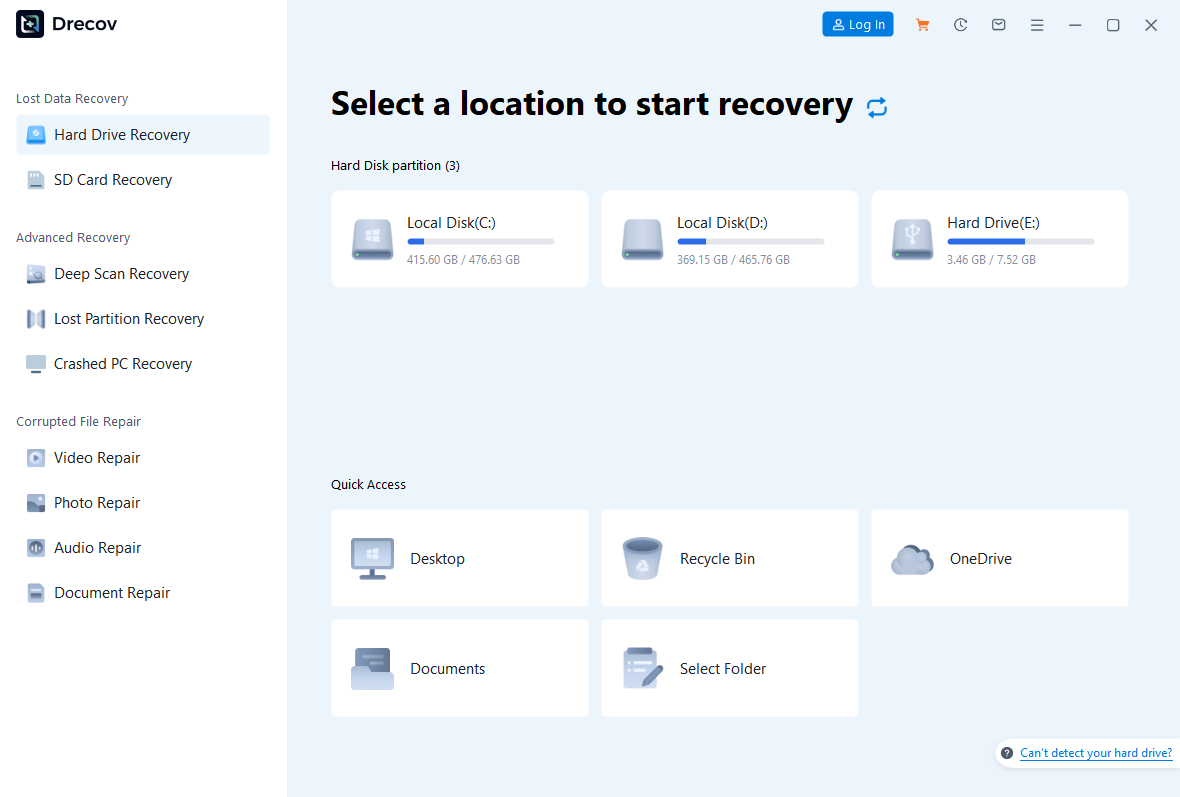
Step 2: Select the Target Drive for Scanning
On the main dashboard, locate the External Drives section. Click on your formatted flash drive to highlight it, then click the Scan button in the bottom right corner.
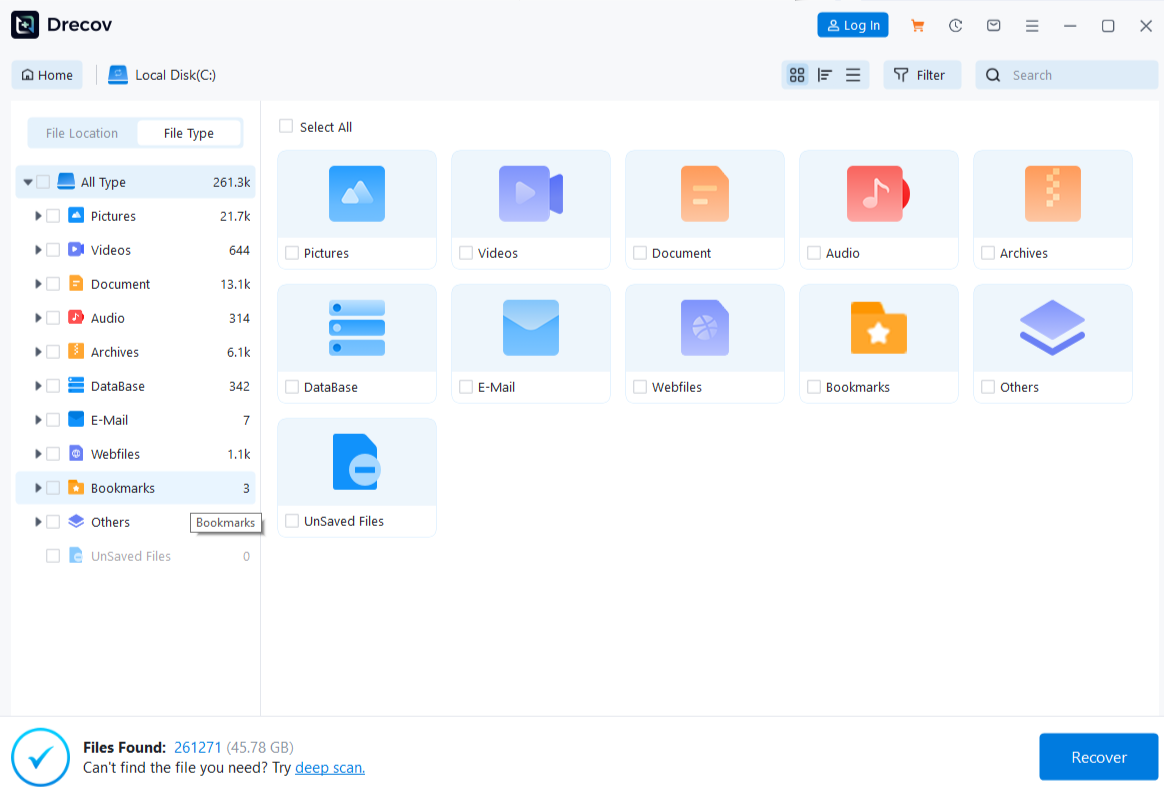
Step 3: Preview and Filter Your Missing Files
The software will execute a Quick Scan followed by a Deep Scan automatically. Use the left-hand folder tree to navigate through the discovered files. You can filter by file type or use the search bar to find specific file extensions.
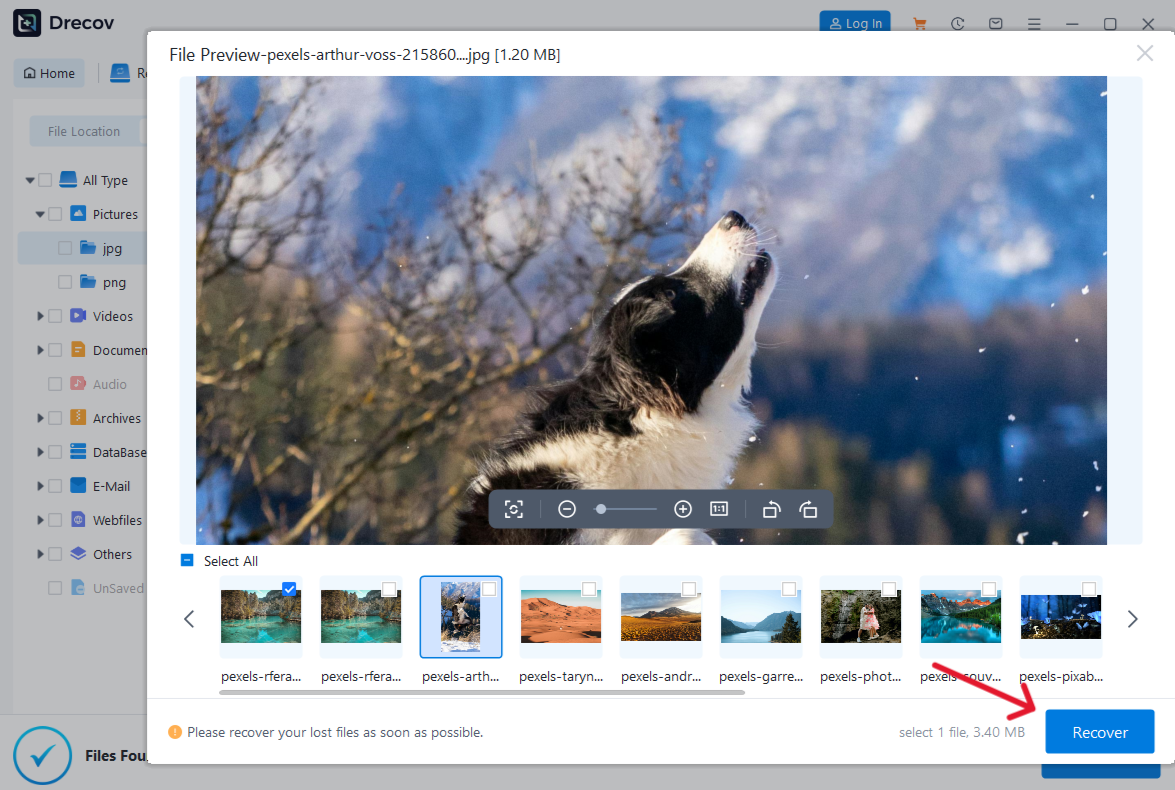
Step 4: Specify a Safe Recovery Destination
Tick the checkboxes next to the folders you wish to restore. Click the Recover button. Choose a storage path on your local hard drive rather than the formatted USB drive to prevent data overwriting.
Alternative or Complementary Methods
Aside from native Windows tools and professional recovery suites, users can utilize the Windows Command Prompt to handle flash drive formatting tasks. This method is highly effective for drives that refuse to format through the standard graphical user interface.
Formatting via Command Prompt
To format a drive using the command-line interface, you must run the utility with administrator privileges.
- Open the start menu and type cmd.
- Right-click Command Prompt and select Run as administrator.
- Type
diskpartand press Enter. - Type
list diskto view all connected storage media. - Identify your flash drive number, type
select disk Xreplacing X with your actual drive number, and press Enter. - Type
cleanto wipe the partition table. - Type
create partition primaryto build a new partition. - Type
format fs=exfat quickorformat fs=ntfs quickto complete the process.
Pros and Cons of Manual Formatting vs. Dedicated Software
| Method | Pros | Cons |
| Command Prompt (Diskpart) | Completely free; Bypasses GUI glitches; No third-party installation required | High risk of wiping the wrong drive; No data recovery capabilities; Complex text interface |
| PandaOffice Drecov | Pre-recovery file preview; Safe read-only scanning; Restores data from formatted partitions | Requires a download; Deep scanning large drives takes time |
For further technical insights into how operating systems handle partition tables, you can consult the official Microsoft Learn Storage Documentation.
Tips & Best Practices
Managing external storage requires a careful balance between performance and data safety. Implement these practices to avoid data loss during flash drive formatting routines:
- Always Check the Drive Letter: Before confirming any format command, open File Explorer via the Win + E hotkey to verify the exact drive letter assigned to your flash drive.
- Avoid the Full Format If You Need Recovery: A quick format merely deletes the file index, whereas a full format overwrites the entire drive with zeros, making subsequent data recovery impossible.
- Use Safe Ejection Protocols: Never pull a flash drive out of the USB port while the read-write LED indicator is blinking. Always right-click the device in the system tray and select Eject Media.
- Keep Software Updated: Ensure you are using the latest version of your recovery tools to maintain compatibility with new operating system updates.
Frequently Asked Questions
What happens during flash drive formatting?
The process reconfigures the file system structure of the storage media. It marks the space previously occupied by your files as available for new data, effectively hiding the old files until they are overwritten.
How do you format a flash drive to work on both Mac and Windows?
You should format the drive using the exFAT file system. This format lacks the 4 GB file size limitation of FAT32 and is fully readable and writable by both Windows and macOS systems.
How do i reformat a usb drive that has become write-protected?
You must clear the write-protection attribute using Diskpart. Open Command Prompt as an administrator, select your disk, and execute the command attributes disk clear readonly before attempting the format again.
Can I recover data after I format usb drive fat32?
Yes, you can recover the files if you used the Quick Format option. PandaOffice Drecov data recovery software can scan the raw sectors of the drive to locate and rebuild the lost files.
Why does Windows say it cannot complete the formatting process?
This error usually indicates that the drive has bad sectors, is write-protected, or is currently being used by another background system process.
Conclusion
Mastering flash drive formatting ensures your portable storage drives remain fast, virus-free, and cross-compatible with various devices. However, because formatting completely resets your drive, accidents are bound to happen. If you ever lose critical files due to an unexpected format error, remember that PandaOffice Drecov data recovery software offers a reliable way to reverse the damage. Practice proactive data management by keeping secondary backups of your vital files, and download Drecov today to keep your digital assets secure.






