







An invalid partition table message means the boot process could not use the expected partition layout, but it does not prove the entire disk is empty. Check whether firmware detects the correct disk, whether UEFI or legacy mode matches the layout, and whether the medium is stable. Recover or image valuable data before marking partitions active, rewriting MBR data, converting styles, or reinstalling Windows.
Separate a Boot Selection Problem From Layout Damage
A computer can show this message because it booted the wrong disk, legacy firmware expected MBR boot code, an active flag is wrong, or partition metadata is damaged. The same words can also appear when a failing drive returns inconsistent sectors. partition layout basics For this specific issue, consult the official documentation.
| Disk-layout evidence | Interpretation | Controlled response |
|---|---|---|
| Another disk boots when disconnected | Firmware chose the wrong device | Correct boot priority without disk writes |
| UEFI system switched to legacy mode | Firmware and GPT boot path mismatch | Restore the documented UEFI setting |
| MBR disk has no correct active partition | Legacy boot cannot find the loader | Recover first, then inspect the active flag |
| Partitions appear as unallocated | Metadata may be lost | Use Lost Partition Recovery before creating volumes |
| Primary and backup GPT disagree | Partition metadata damage | Image first and use a qualified repair path |
| Disk freezes or reports read errors | Hardware instability | Stop direct repair and image or escalate |
Use the Existing Layout as Evidence
Another disk boots when disconnected
Firmware chose the wrong device The safest next move is correct boot priority without disk writes. Record the exact outcome before proceeding, because a changed message can hide the original cause without correcting it. If the layout check reduces access or destabilizes the disk, stop and protect data before any further repair.
UEFI system switched to legacy mode
Firmware and GPT boot path mismatch The safest next move is restore the documented uefi setting. Record the exact outcome before proceeding, because a changed message can hide the original cause without correcting it. If the layout check reduces access or destabilizes the disk, stop and protect data before any further repair.
MBR disk has no correct active partition
Legacy boot cannot find the loader The safest next move is recover first, then inspect the active flag. Record the exact outcome before proceeding, because a changed message can hide the original cause without correcting it. If the layout check reduces access or destabilizes the disk, stop and protect data before any further repair.
Partitions appear as unallocated
Metadata may be lost The safest next move is use lost partition recovery before creating volumes. Record the exact outcome before proceeding, because a changed message can hide the original cause without correcting it. If the layout check reduces access or destabilizes the disk, stop and protect data before any further repair.
Primary and backup GPT disagree
Partition metadata damage The safest next move is image first and use a qualified repair path. Record the exact outcome before proceeding, because a changed message can hide the original cause without correcting it. If the layout check reduces access or destabilizes the disk, stop and protect data before any further repair.
Disk freezes or reports read errors
Hardware instability The safest next move is stop direct repair and image or escalate. Record the exact outcome before proceeding, because a changed message can hide the original cause without correcting it. If the layout check reduces access or destabilizes the disk, stop and protect data before any further repair.
Preserve the Disk Before Writing Partition Metadata
Record the model, capacity, sector size, GPT or MBR style, BitLocker state, and every visible partition. Do not use clean, format, initialize, active, or conversion commands as diagnostic experiments. lost partition workflow
Recover Data Before Repairing an Invalid Partition Table
Drecov is useful when a stable disk contains inaccessible files or a lost partition, before any write-capable metadata repair. On Windows PCs, PandaOffice Drecov recovers data from internal HDDs and SSDs, plus external disks, USB drives, SD cards, and memory cards. Read-only recovery mode searches for photos, video, documents, email, audio, and archives with Quick Scan, Deep Scan, filters, preview, and Lost Partition Recovery. In this case it protects accessible or missing files before active-flag changes, MBR or GPT repair, conversion, initialization, formatting, or reinstall. It cannot rewrite the partition table, repair a failing drive, or make firmware settings correct, repair physical damage, eliminate malware, guarantee overwritten data, or replace the actual system or application fix.
⚠ Warning: Install it on a drive different from the one where your data was lost to prevent overwriting.
Stop Writes and Assess the Source
A disk that returns different layouts between reads is unsafe for trial-and-error repairs. Prefer a sector image or professional recovery. Review an existing backup without changing the source location. Stop direct scanning if the disk clicks, drops its connection, freezes Windows, reports serious read faults, or shows inconsistent capacity. If imaging is practical, preserve the disk sector by sector; otherwise consult a qualified recovery service.
Prepare a Healthy Destination
Connect another sound physical drive with enough space for the recovered data. Run Drecov from a sound Windows installation and never install it on the partition that contains the lost data. Keep the source location unchanged while the destination is checked for free space and normal write access.
Step 1: Open Drecov and Select the original stable disk, its affected partition, or a verified disk image
Open PandaOffice Drecov and choose the original stable disk, its affected partition, or a verified disk image. Verify the disk model, reported capacity, partition, and former folder before the scan. If the original Windows installation cannot boot, connect the stable source location disk to another working Windows computer rather than installing anything onto it.

Step 2: Run Quick Scan, Then Escalate Carefully
Begin with Quick Scan when a partition or path only recently became inaccessible. If the target item is absent and the medium remains stable, continue with Deep Scan. Choose Lost Partition Recovery for a vanished partition before initialization, formatting, or new-volume creation writes metadata.
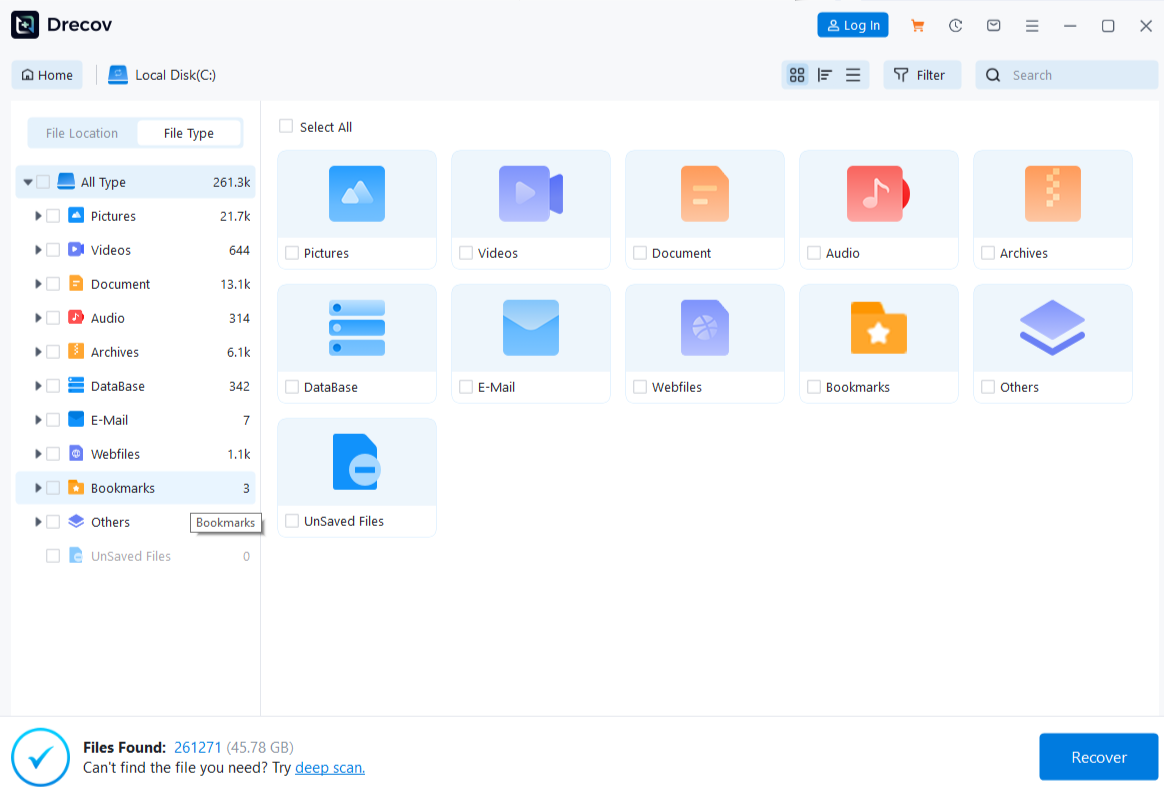
Step 3: Filter, Locate, and Preview Representative Results
Use Lost Partition Recovery for vanished volumes, then filter by former path, name, date, and file type. Preview several representative supported data before selecting the full set. A successful preview shows that this sample decodes, but it cannot certify every byte, folder entry, archive member, or video frame.
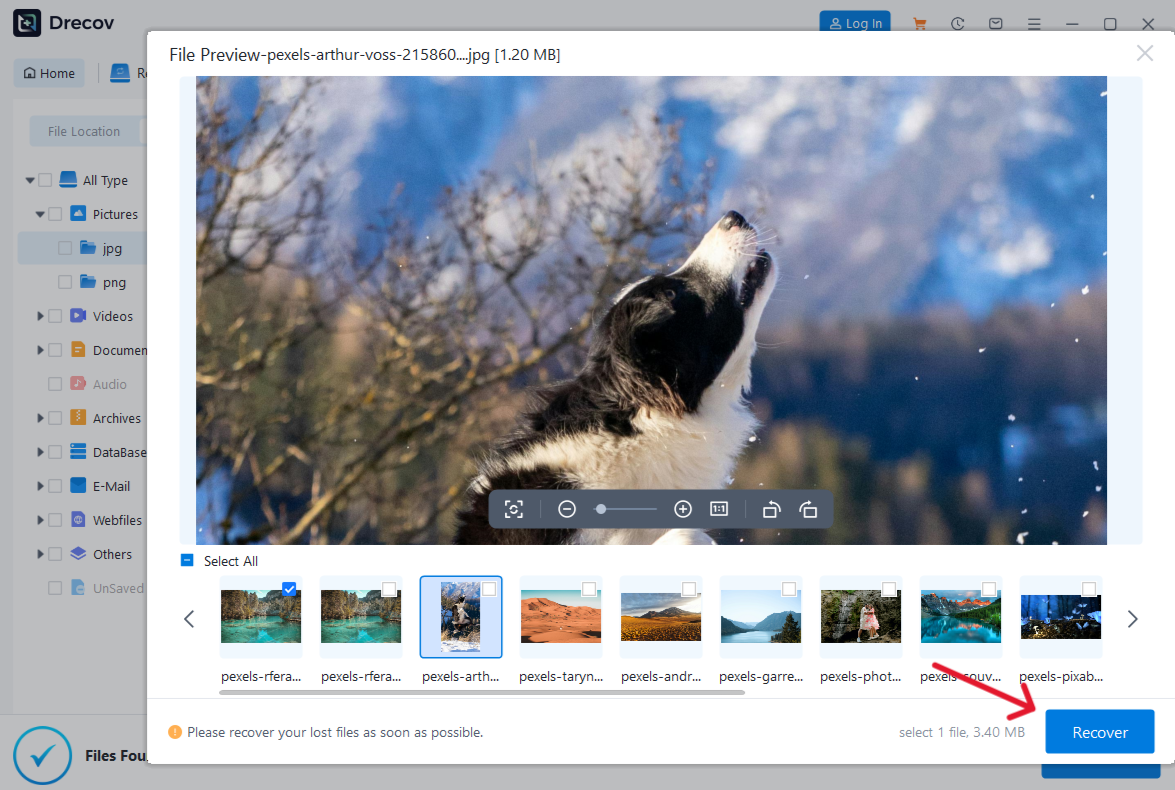
Step 4: Recover Away From the Source and Verify
Save selected data to the prepared sound drive, never back to the source location. When recovered data is absent from the chosen destination path, check both Drecov Folder and Recovery Folder. Sample documents, images, videos, archives, and folder counts; keep the image and recovered copy until the boot repair succeeds. Only after sampling and validating the recovery should you proceed with active-flag changes, MBR or GPT repair, conversion, initialization, formatting, or reinstall.
Choose a Repair Only After the Cause Is Proven
Correct Boot Priority
Select the intended Windows disk or Windows Boot Manager. This is reversible and should precede any metadata write. Define the planned outcome before this action and test the original symptom afterward. When the symptom remains unchanged, stop repeating that action and follow the next disk-layout branch supported by the evidence.
Match Firmware Mode to the Layout
UEFI normally boots a GPT Windows installation through an EFI system partition; legacy BIOS follows an MBR-style path. Restore the known working mode. Define the planned outcome before this action and test the original symptom afterward. When the symptom remains unchanged, stop repeating that action and follow the next disk-layout branch supported by the evidence.
Inspect the Active Flag on Legacy MBR
Only the correct system partition should be active. Marking a data or recovery partition active can produce another boot failure. Define the planned outcome before this action and test the original symptom afterward. When the symptom remains unchanged, stop repeating that action and follow the next disk-layout branch supported by the evidence.
Use Partition Repair on an Image When Possible
Specialist tools may compare GPT headers or locate MBR partitions, but write operations should follow verified recovery and documented evidence. Define the planned outcome before this action and test the original symptom afterward. When the symptom remains unchanged, stop repeating that action and follow the next disk-layout branch supported by the evidence.
Replace Unstable Hardware
A repaired table on media with recurring read errors is not trustworthy. Recover, replace, and restore from verified data. Define the planned outcome before this action and test the original symptom afterward. When the symptom remains unchanged, stop repeating that action and follow the next disk-layout branch supported by the evidence.
Validate the Layout Before Trusting the Boot
Confirm every expected partition starts at a plausible boundary, has the right size and file system, and remains consistent after restart. Then test Windows boot and restored files separately. GPT and MBR distinctions
- Marking the largest partition active without identifying the system partition
- Creating a new volume in unallocated space
- Converting GPT and MBR to test a theory
- Writing both primary and backup tables before imaging
- Continuing after the drive becomes unstable
Invalid Partition Table Questions
Does the error mean files are gone?
No. The partition map or boot selection may be wrong while file data remains recoverable.
Can CHKDSK fix it?
CHKDSK works on file systems, not the overall partition-table structure.
Should I initialize the disk?
No. Initialization creates new metadata and can complicate recovery.
What is Lost Partition Recovery?
It searches stable storage for data from a partition whose entry is missing.
Can Drecov make Windows boot?
No. It recovers data before boot and partition repair.
Conclusion
An invalid partition table should be treated as a layout and boot-path diagnosis, not an invitation to write new metadata. Confirm disk stability, boot order, firmware mode, and the existing partition map. Drecov can recover data and lost-partition contents from stable storage to another healthy device before active-flag, MBR, GPT, initialization, or reinstall work begins.






