







In the modern digital landscape, computer users often find themselves navigating a complex web of data management. A question that frequently arises for both beginners and seasoned tech enthusiasts is: are files directly on Window? This seemingly simple inquiry touches upon the very architecture of how our computers operate. To understand this, we must peel back the layers of the operating system to reveal the relationship between software and hardware.
Whether you are trying to organize your workspace or you have suddenly lost important documents, understanding the storage hierarchy is the first step toward digital literacy and effective data recovery. This guide will explore the nuances of Windows storage, clarify common misconceptions, and provide a roadmap for mastering data management and recovery using the PandaOffice Drecov data recovery software.
Understanding How Windows Stores Files
What “Files on Windows” Really Means
Let’s clear up a common confusion right away: when people ask, “are files directly on window?”, they’re usually mixing up two different things—the operating system and the storage system. Windows itself is not a storage container. It’s more like the brain of your computer, controlling how everything works, including how files are saved, accessed, and organized.
Think of Windows like a librarian, not the library. The actual books—your files—are stored on physical storage devices such as your hard drive (HDD) or solid-state drive (SSD). Windows simply tells the computer where those files are and how to retrieve them. So technically, your files are not “on Windows” in the literal sense—they exist on storage hardware that Windows manages.
This distinction matters more than you might think. When something goes wrong, like file corruption or accidental deletion, understanding where files really live can help you recover them faster. It also explains why reinstalling Windows doesn’t always erase your personal files—because they may be stored separately from the operating system.
The Role of the File System
Now let’s talk about the file system, which is where things get interesting. Windows uses file systems like NTFS (New Technology File System) or exFAT to organize data on storage devices. These systems act like a map, keeping track of where each file is located on the disk.
Without a file system, your computer would be like a messy warehouse with no labels—finding anything would be nearly impossible. The file system ensures that every file has a specific address, known as a file path, which allows Windows to locate it instantly. When you ask are files directly on window, you are really asking if the Windows file system is currently tracking those bits of data on your drive.
Where are files directly stored on Windows 11/10
Local Drives Explained (C:, D:, etc.)
When you open File Explorer and see drives like C: or D:, you’re looking at the actual storage locations where your files live. The C: drive is usually the primary drive where Windows is installed, while additional drives (like D: or E:) may be separate partitions or physical disks.
Each drive acts like a separate storage unit. Files stored on these drives are physically written to the disk, not to the Windows software itself. This is why you can remove a drive and still access its files on another computer. This physical reality is the foundation of data recovery; as long as the platters or chips are intact, the data exists, regardless of the OS state.
| Drive | Typical Purpose |
| C: | Operating system, System32, and primary User profiles |
| D: | Often used for large media storage or game installations |
| External | Portable storage for backups and file transfers |
System vs User Files
Not all files are created equal. Windows divides files into two main categories:
- System files – Essential for running the operating system (found in
C:\Windows). - User files – Documents, photos, videos, and personal data (found in
C:\Users).
System files are usually hidden and protected because modifying them can break your system. User files, on the other hand, are accessible and editable. Understanding this difference helps answer the original question: are files directly on window? No, they are either part of the system environment or stored as user data on a drive managed by Windows.
Are Files Stored Directly on Windows OS?
Separation Between OS and User Data
One of the smartest design choices in modern Windows systems is the separation between the operating system and user data. This separation ensures that your personal files remain safe even if the OS needs to be repaired or reinstalled.
For example, your documents are typically stored in specific directories. This modularity is why experts suggest keeping a “Data” partition separate from the “System” partition. If Windows crashes, the “Data” partition remains untouched.
Hidden System Files
Windows also contains hidden files that are critical for system operations. These files are not meant to be accessed by regular users and are often stored in directories like:
- Windows folder: The core of the OS.
- System32: Contains vital DLLs and executables.
- Program Files: Where your software lives.
These files are technically “part” of the Windows installation, but they still reside on the physical storage drive. They are just managed with higher permissions to prevent accidental deletion.
Common File Locations in Windows
Desktop, Documents, Downloads
Most users interact with files through familiar folders like Desktop or Downloads. These are simply shortcuts to locations on your drive. For instance, your Desktop is usually located at a path similar to C:\Users\[Username]\Desktop. This means the files you see on your screen are actually stored deep within the drive’s directory structure.
AppData and Program Files
Some files are less visible but equally important. The AppData folder (%AppData%) stores application settings, browser history, and temporary configurations. Program Files and Program Files (x86) contain the actual code that runs your software. These locations are essential for programs to function properly, even though most users never interact with them directly.
How Windows Organizes Files
Folder Structure and Hierarchy
Windows uses a hierarchical structure, similar to a tree. At the top is the root directory (like **C:**), and below it are folders and subfolders. This structure makes it easier to organize and locate files. Without it, your computer would be chaotic, and searching for a specific photo would take hours instead of seconds.
File Paths Explained
Every file has a unique path that tells Windows exactly where it’s located. For example:
C:\Users\John\Documents\report.docx
This path acts like an address, guiding the system to the file’s exact location. If the path is broken—say, through a disk error—Windows will report that the file is missing, even if the data is still physically there. This is a common scenario where data recovery becomes necessary.
Cloud vs Local Storage in Windows
OneDrive Integration
Modern Windows systems integrate cloud storage like OneDrive, allowing files to be stored online instead of locally. This creates confusion because files may appear in your folders but actually exist on a server in a data center.
Offline vs Online Files
- Online-only: Files take up no space on your computer but require internet to open.
- Locally available: Files are downloaded to your drive and can be opened without internet.
- Always keep on this device: Files are synced and permanently stored on your hard drive.
This hybrid system adds flexibility but also complexity when you ask are files directly on window. Some are, and some are just “ghosts” pointing to the cloud.
How to Find Files on Windows
Using File Explorer
File Explorer is your main tool for navigating files. It provides a visual interface to browse folders and drives. You can learn more about managing specific file types through official resources like the Microsoft Support page for File Explorer.
Using Search and Indexing
Windows also includes a powerful search feature. By pressing the Windows Key + S, you can locate files instantly based on keywords. Windows builds an “index” (an internal catalog) to make this search nearly instantaneous.
Can Files Exist Without You Seeing Them?
Hidden Files and Protected Files
Yes, many files exist without your knowledge. Windows hides certain files to prevent accidental deletion. To see them, you must enable “Show hidden files, folders, and drives” in the Folder Options menu.
Temporary Files and Cache
Temporary files are created by programs for short-term tasks. While they are often deleted automatically, they can sometimes linger, taking up gigabytes of space. These files are “directly on Windows” drives, but they aren’t meant for user interaction.
What to Do When Files Go Missing: Data Recovery Methods
Even when we know the answer to “are files directly on window,” data loss still happens. Whether it’s a shifted partition, a formatted drive, or an accidental “Shift + Delete,” you need a plan. Below are recovery methods arranged from basic to professional-level.
Method 1: Checking the Recycle Bin (Basic)
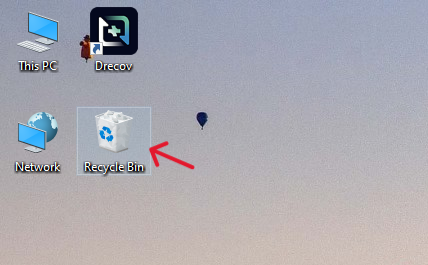
Before panicking, always check the most obvious spot. When you delete a file, Windows doesn’t actually erase it; it moves the file pointer to the Recycle Bin.
- Step 1: Double-click the Recycle Bin icon on your Desktop.
- Step 2: Search for your file name in the search bar.
- Step 3: Right-click the file and select Restore. The file will return to its original path.
Method 2: Using File History (Intermediate)
If you have set up a backup drive, Windows has a built-in feature called File History.
- Step 1: Type “Restore your files with File History” in the Windows search box.
- Step 2: Browse through the snapshots of your folders based on time and date.
- Step 3: Select the version you want and click the green Restore button.
Method 3: Professional Recovery with PandaOffice Drecov (Advanced)
When files are not in the Recycle Bin and no backup exists, you need a specialized tool that can communicate directly with the disk sectors. This is where PandaOffice Drecov data recovery software excels. It bypasses the OS’s surface-level limitations to find “invisible” data.
Using PandaOffice Drecov data recovery software
If you are wondering are files directly on window still recoverable after a format, the answer is often yes—if you use the right software. PandaOffice Drecov is designed to handle complex scenarios like partition loss, RAW drive errors, and permanent deletions.
⚠ Warning: Never install the software on the same drive or partition where the lost data was located. This prevents “overwriting,” which can permanently destroy the very files you are trying to save.
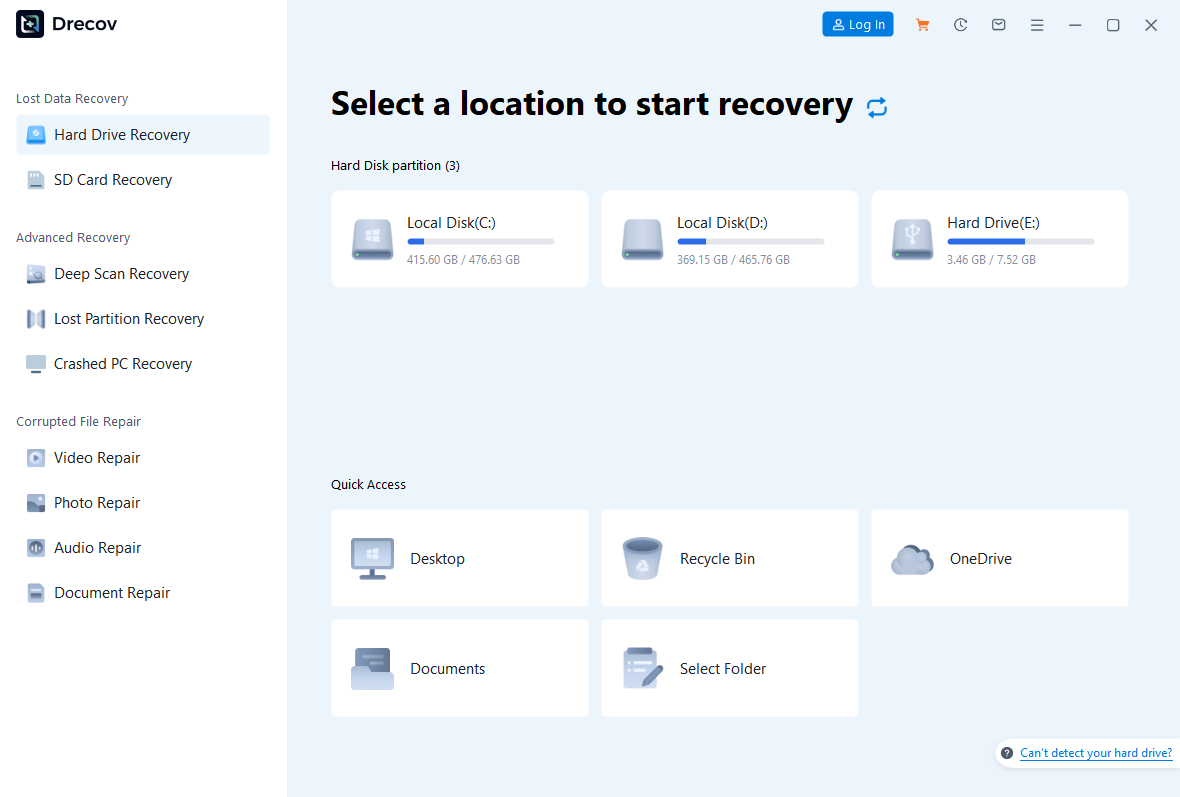
- Step 1: Select the Location. Launch the program. You will see a list of available drives (C:, D:, etc.) and external devices. Select the drive where your files were last seen and click Start Scan.
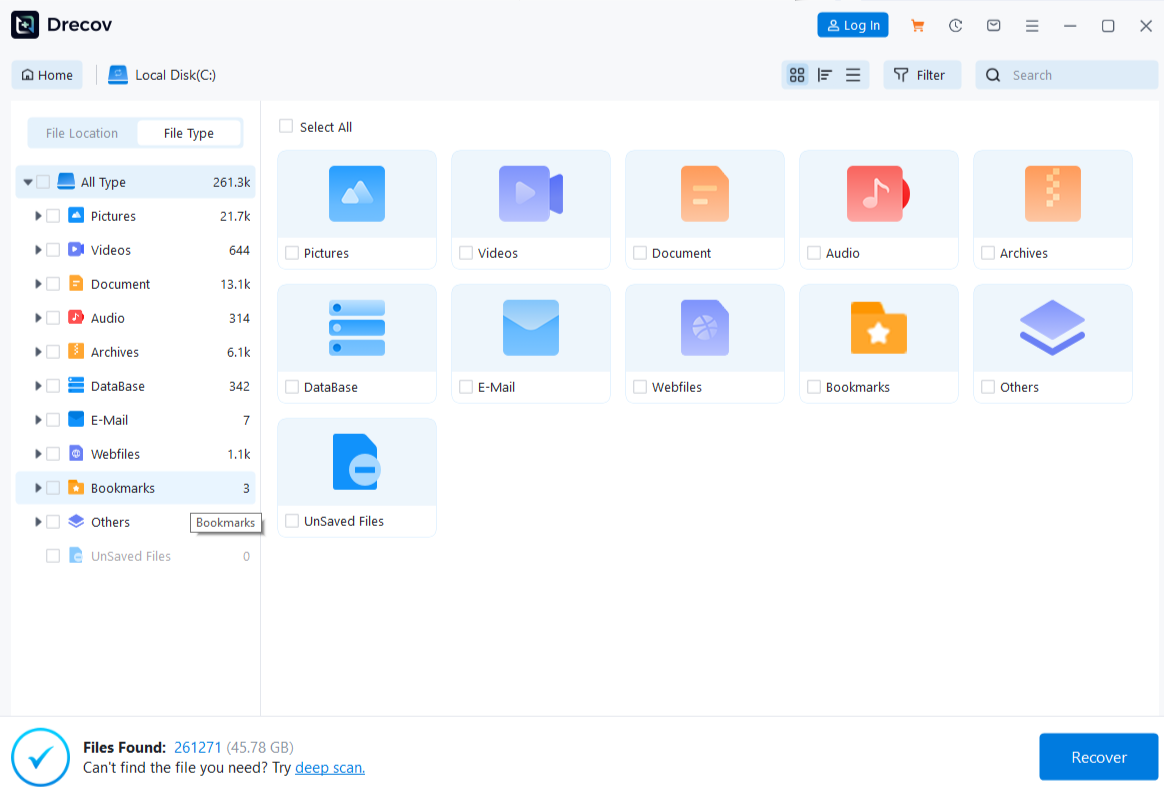
- Step 2: Scanning and Analysis. The software will perform a Quick Scan followed by a Deep Scan. The Deep Scan looks at the binary structure of the drive to find files that the Windows file system has “forgotten.”
- Step 3: Filter and Preview. Once the scan is complete, use the filter sidebar to sort by file type (e.g., .jpg, .docx, .pdf). PandaOffice Drecov allows you to preview files before recovering them. This ensures you are restoring the correct data and that the file is not corrupted.
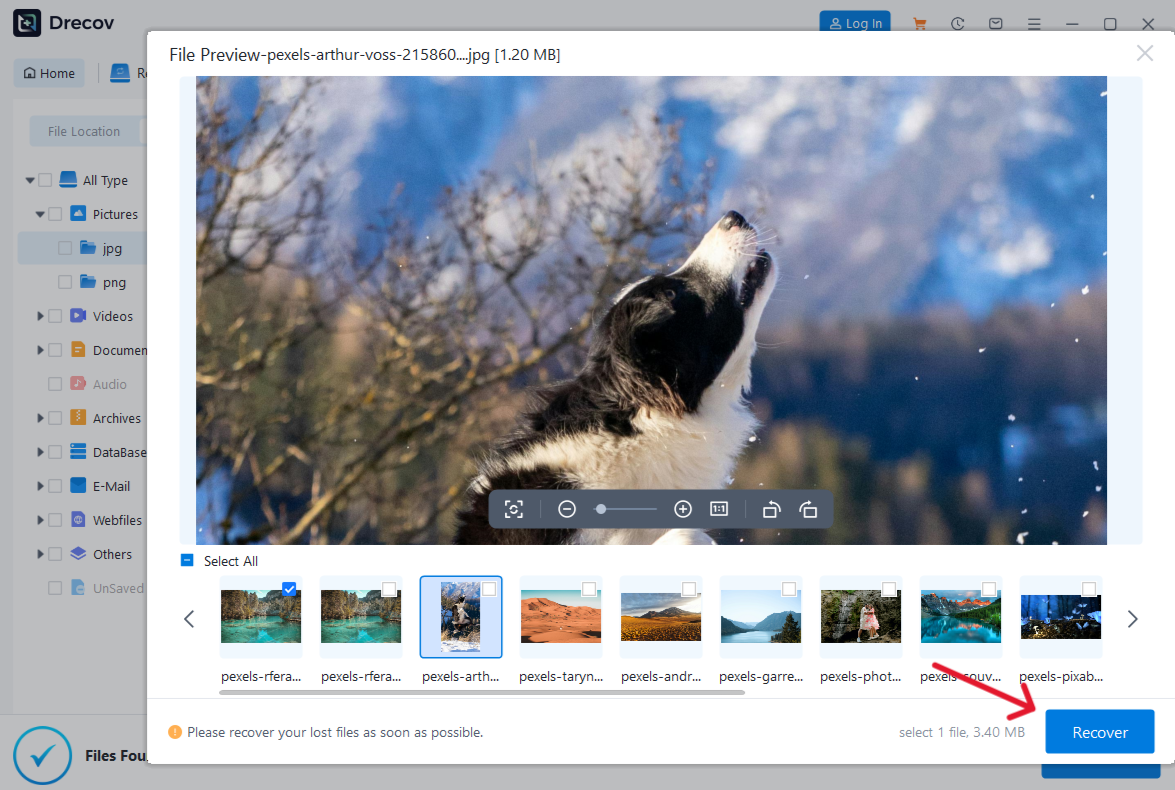
- Step 4: Execute Recovery. Select the checkboxes next to the files you need. Click the Recover button.
Key Point: Choose a destination folder on a different drive (like a USB flash drive or an external HDD) to save the recovered files.
Internal Resources for File Management
Once you have successfully recovering your data, you might also want to learn how to better manage your files to avoid future confusion. To help you get started, here are some highly recommended helpful guides:
- File Organization: Once you’ve recovered your audio, learn how to rename a wav file in windows to keep your library tidy.
- Compression Tips: Managing large amounts of data? See our guide on how to unzip a file in 2026.
- Cross-Platform Compatibility: If you’ve recovered files from a Mac user, check out how to open pages file on windows.
Best Practices for Managing Files
Organizing Your Data
A chaotic file structure is a precursor to data loss. By keeping your files organized in folders and using descriptive names, you make it much easier for Windows indexing to help you. Avoid saving everything to the “Downloads” folder, as this is often the first place cleared during system cleanups.
Avoiding Data Loss
To ensure the answer to “are files directly on window” is always a confident “yes,” follow these steps:
- Enable Cloud Sync: Use services like OneDrive or Google Drive for real-time backup.
- Regular Physical Backups: Use an external hard drive at least once a month.
- Check Disk Health: Periodically run the
chkdskcommand in Command Prompt to identify failing sectors on your hard drive.
Are Files Directly On Window FAQs
1. Are files stored in Windows or on the hard drive?
Files are stored on the hard drive or SSD. Windows is the software that manages the interface between you and that hardware.
2. Can I access files without Windows?
Yes. If Windows fails to boot, you can plug the hard drive into another computer or use a bootable recovery environment like PandaOffice Drecov to extract the data.
3. What happens to files if Windows crashes?
In most cases, the files remain perfectly safe on the disk. Only the “instructions” for loading the OS are broken.
4. Are deleted files permanently gone?
No. When you delete a file, Windows simply marks that space as “available.” The data remains there until a new file is written over it. This is why immediate recovery with PandaOffice Drecov is so successful.
5. Why can’t I see some files in Windows?
They might be “Hidden” or “System Protected” files. You can change your view settings in File Explorer to see them.
Conclusion
Ultimately, are files directly on Windows? As we have explored throughout this guide, the answer is a nuanced “no.” In reality, your files live on physical hardware, organized by a file system that Windows controls. Consequently, this distinction is the key to mastering your computer. By understanding that Windows is the manager and the hard drive is the storage, you can not only navigate system crashes but also organize your data more effectively and use tools like PandaOffice Drecov data recovery software with confidence.
Always remember: your data is more resilient than the operating system that displays it. With the right knowledge and the right tools, you can ensure your digital life remains intact, no matter what happens to your OS.






