







Retrieve Data From Android Broken Screen is useful when a phone has a black display, cracked touch layer, or damaged Samsung screen. The goal is simple: protect the files first, then decide whether the phone needs repair, reset, or replacement. This article focuses on practical Android recovery steps that users can follow before they risk overwriting photos, videos, messages, documents, or app media.
The recommended workflow starts with the safest access method. Try direct copy if the phone still unlocks. Use OTG control or an external display when touch or screen access fails. Check cloud backups before installing tools. If the missing files sit on an SD card or another readable storage device, scan it before formatting or reuse.
Before You Start
Stop using the Android phone as soon as important files disappear. New photos, videos, app updates, downloads, and reset attempts can overwrite recoverable data. Charge the phone if it still accepts power, use a data-capable USB cable, and avoid factory reset until you copy or recover the files that matter.
This guide also explains when retrieve data from Android with broken screen methods work and when a repair shop may need to restore temporary access. If the phone contains a microSD card, remove it only after powering the device off when possible. A card reader usually gives a computer more stable access than a damaged phone port.
Warning: Do not format, initialize, or reset the device before recovery. Those actions can remove file indexes, overwrite deleted data, or break access to encrypted Android storage.
How To Retrieve Data From Android Broken Screen
Method 1: Copy Files By USB When The Phone Still Unlocks
This method works best when the Android system still starts and you can approve USB file transfer. It does not require recovery software because the phone exposes user folders directly.
Best For: Phones with a working lock screen, readable display, and accessible USB port.
Tool Used: Windows File Explorer or Android File Transfer.
Steps
- Unlock the Android phone.
- Connect it to the computer with a USB data cable.
- Select File Transfer or Transferring Files on the phone.
- Open the phone under This PC or the Android transfer window.
- Copy DCIM, Pictures, Download, Documents, Movies, and app media folders.
- Open several copied files to confirm the transfer succeeded.
What To Do If It Fails: Try another cable, another USB port, and another computer. If no folders appear, unlock the phone again and check the USB mode.
Risk Level: Low. This method only copies data.
Method 2: Use OTG Control For A Broken Touch Screen
If the display still shows content but does not respond to touch, an OTG adapter and mouse can help you unlock the phone and approve file transfer. This is often the fastest path for broken-screen Android recovery.
Best For: Visible screen with broken touch response.
Tool Used: USB-C or Micro-USB OTG adapter and USB mouse.
Steps
- Connect the OTG adapter to the Android phone.
- Plug a USB mouse into the adapter.
- Use the pointer to enter the PIN, password, or pattern.
- Open Files, Gallery, or USB transfer settings.
- Move important files to cloud storage or connect to a computer for copying.
- Back up the files before scheduling screen repair.
What To Do If It Fails: Some phones require unlock before OTG works. Try external display access if the screen stays black.
Risk Level: Low.
Method 3: Use External Display Output On Supported Phones
Many Samsung and USB-C Android phones can show the interface on a monitor through a compatible HDMI hub. This helps when the built-in screen goes black but the phone still powers on.
Best For: Black screen, working motherboard, and supported USB-C display output.
Tool Used: USB-C HDMI hub, monitor, mouse, and keyboard.
Steps
- Connect the phone to a USB-C hub with HDMI output.
- Connect the hub to a monitor or TV.
- Attach a mouse and keyboard to the hub.
- Unlock the phone on the external screen.
- Copy files to cloud storage, USB storage, or a computer.
- Confirm the backup before any repair or reset.
What To Do If It Fails: Check whether the phone model supports video output. If it does not, a temporary screen repair may help you approve access.
Risk Level: Low for data, medium for hardware compatibility.
Method 4: Recover Android Files With PandaOffice Drecov
Use this method when Android files were deleted, copied folders look incomplete, or the data sits on a removable SD card. PandaOffice Drecov should appear in only this recovery section so the article stays helpful instead of promotional.
Best For: Missing photos, videos, documents, app media, and SD card files that need recovery before formatting or repair.
Tool Used: PandaOffice Drecov.
Test Environment:
Operating System: Windows 11
Device Type: Android microSD card or removable phone storage
File System: FAT32 / exFAT
Problem Scenario: Missing Android files before repair
Tool Used: PandaOffice Drecov
Steps
- Connect the Android SD card or readable storage device to the computer.
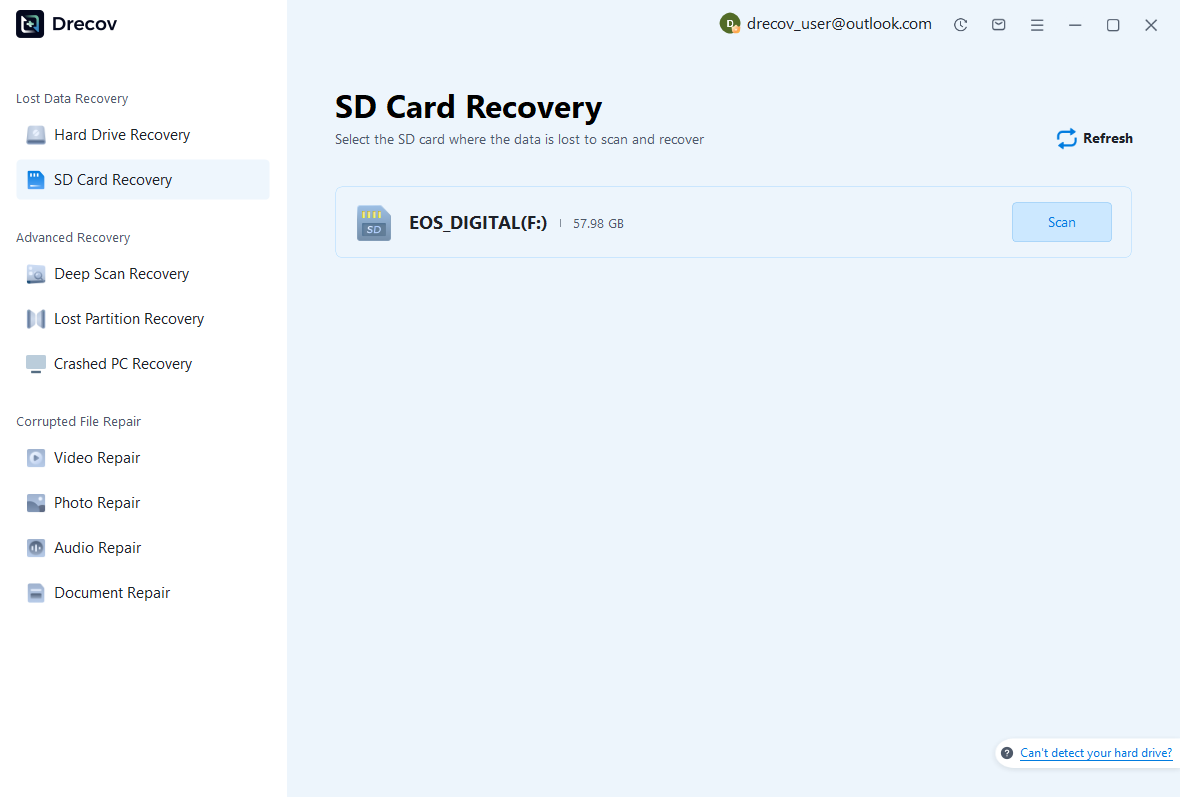
- Open PandaOffice Drecov and select the target storage device.
- Start the scan and wait for the quick scan and deep scan results.
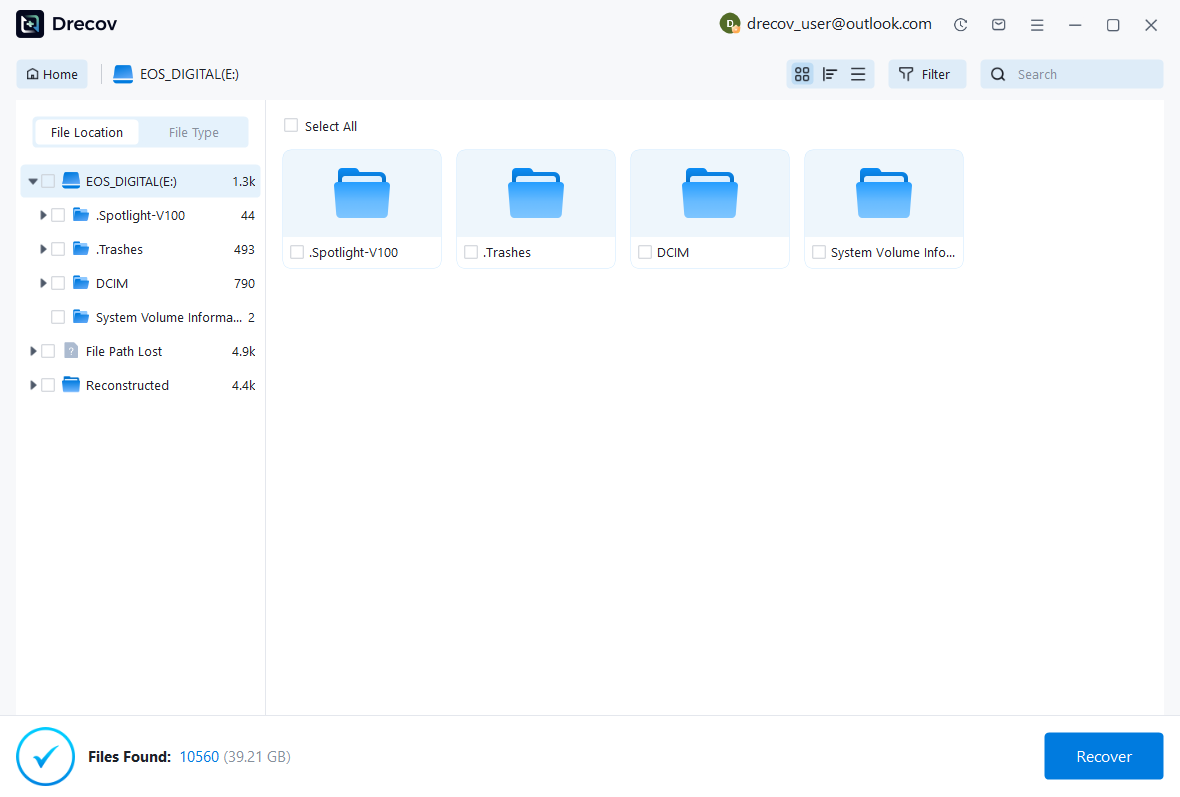
- Filter by photos, videos, documents, or the folder where Android stored the files.
- Preview recoverable files before saving them.
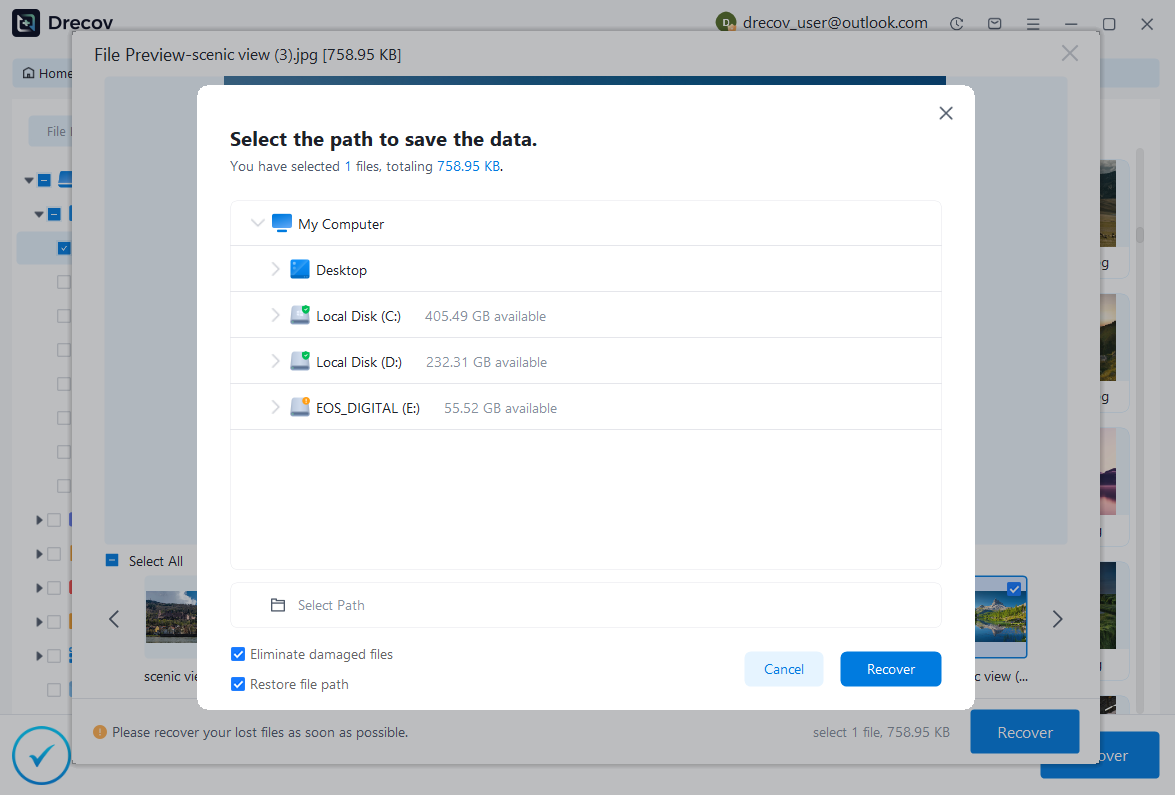
- Recover selected files to a different healthy drive, not back to the original card.
What To Do If It Fails: If encrypted internal storage blocks access, check Google backups, app cloud sync, or a repair service that can temporarily restore screen access.
Risk Level: Low when you scan only and save recovered files to another drive.
Method 5: Restore From Google Or App Backups
Backups can solve many Android recovery cases without scanning storage. Google Photos, Google Drive, Samsung Cloud, OneDrive, WhatsApp, Telegram, and other apps may already hold copies of photos, messages, documents, and shared media.
Best For: Phones that are lost, badly damaged, or too unstable for direct copying.
Tool Used: Google Account, cloud services, and app-specific restore options.
Steps
- Sign in to the same Google account on a computer or replacement phone.
- Check Google Photos, Drive, Contacts, and app backups.
- Open messaging apps on the web or another phone to check media sync.
- Download important files to a computer.
- Create a second backup before repairing or recycling the broken phone.
What To Do If It Fails: Confirm the account. Many users have more than one Google account, and the missing files may belong to another login.
Risk Level: Low.
How To Choose The Right Recovery Path
Choosing the right recovery path matters more than trying every tool at once. Start by asking three questions: does the phone power on, can you unlock it, and where did Android store the missing files? The answer decides whether you should copy files, restore from backup, use screen-access hardware, or scan removable storage.
For a broken screen case, the biggest decision is whether the phone still accepts input. A visible display with no touch response usually points to OTG control. A black screen with vibration or charging signs points to external display testing. A phone that does not power on needs hardware inspection before software recovery can help.
If you need retrieve data from android broken screen support, avoid mixing repair and recovery steps too early. Repair steps try to make the device usable again. Recovery steps try to protect files before the device changes. When data matters most, recovery should come first.
When Direct Copy Is Enough
Direct copy is enough when the phone unlocks normally and the files still appear in Android folders. In that case, use USB transfer, copy the important folders, and open sample files on the computer. This gives you a clean backup without scanning or changing the original storage.
Copy camera photos from DCIM, screenshots from Pictures, downloads from Download, documents from Documents, and app media from the relevant app folders. If you use WhatsApp, Telegram, Discord, or social apps, check their media folders and web versions too.
When Backup Restore Is Better
Backup restore is better when the phone is unstable, lost, or too damaged to operate safely. Google Photos, Google Drive, Samsung Cloud, OneDrive, and app-specific backup systems may already contain the files. A browser check can often confirm this before you touch the damaged device again.
Backups also reduce risk. If a cloud copy exists, download it to a computer, then decide whether phone repair is still necessary. For business files, family photos, or evidence, keep at least two copies in different places before deleting anything from the phone.
When Recovery Software Makes Sense
Recovery software makes sense when normal folders are incomplete, a removable card reports missing files, or Android no longer shows media that existed before. It is most useful for readable storage. It is not a magic unlock tool, and it should not be installed onto the same storage you want to recover.
For retrieve data from android broken screen, software scanning should happen after simple backup checks and before formatting. Save recovered files to another drive. If the scan finds thumbnails, cache images, and full-resolution photos together, sort by file size and date so you keep the best versions.
Files You Should Check First
Android spreads files across several folders. Camera pictures usually appear in DCIM. Screenshots often appear in Pictures. Downloads can contain PDFs, ZIP files, APK files, exported chats, documents, and images saved from browsers. Videos may appear in Movies, DCIM, or app folders.
Messaging apps deserve special attention. Some apps store media locally, while others sync it online and download it only when opened. Before assuming a file is lost, sign in to the same account on a computer or another phone and check whether the media appears there.
For SD cards, check whether Windows or macOS asks to format the card. Cancel that prompt. A format prompt means the file system may have errors, not that recovery is impossible. Copy readable files first, then scan the card if files are missing.
Common Limits You Should Know
Modern Android encryption protects internal storage. If you cannot unlock the phone, recovery from internal storage may be limited even when the storage chip still works. This protects user privacy, but it also means a broken screen can block file access until you restore a working input method.
Overwriting is another limit. New photos, app updates, downloads, and resets can replace deleted data. The less you use the phone after data loss, the better the chance of recovery. This is why the safest advice is to stop using the device and work from a copy whenever possible.
Physical damage creates the hardest cases. Water damage, a swollen battery, a broken charging port, or motherboard failure can prevent software tools from seeing the storage. In those situations, a repair technician may need to restore temporary power or screen access before any recovery workflow can start.
Pre-Recovery Checklist
Before you start recovery, write down what you need to save. Separate irreplaceable files from files you can download again. Photos, videos, contacts, work documents, chat exports, voice notes, and app project files usually deserve priority. Music, app installers, thumbnails, and cache folders can wait.
Prepare a safe destination before scanning. Use a computer folder, an external drive, or another healthy storage device. Do not recover files back to the original Android card during the same session. Saving recovered files to the source storage can overwrite other files that the scan has not recovered yet.
Keep notes while you work. Record which cable, card reader, account, folder, or backup source you checked. This helps if you need to repeat the process or ask a repair shop for help. Clear notes also prevent duplicate work, especially when several family members or coworkers share the same phone or account.
After recovery, open a sample from each file type. Check a few photos, videos, documents, and downloads before you delete the originals or approve repair. A folder can look complete while some files remain damaged, incomplete, or only saved as thumbnails. Testing samples gives you confidence before the device changes.
After-Recovery Verification
When the recovery finishes, do not judge success by file count alone. Open several large photos, play a short video, check one document, and confirm that file names and dates still make sense. If the files matter for work, legal use, or family records, create a second backup immediately.
Keep the damaged phone or SD card unchanged for a few days after recovery. If you later discover that an important folder is missing, the original storage may still contain recoverable data. Reusing or formatting it too quickly removes that second chance.
For long-term safety, store one copy on your computer and another copy on a separate drive or trusted cloud account. This simple habit protects the recovered files even if the phone, card, or repair process fails later.
What To Avoid During Android Recovery
Do not reset the phone first. Do not install multiple recovery apps onto the same device you want to recover. Do not save recovered files back to the card you scanned. Do not keep testing a phone that overheats, smells unusual, or has battery swelling. These actions can turn a recoverable case into permanent loss.
If the data matters more than the device, tell the repair shop that data preservation comes first. Ask them not to wipe, flash, or reinstall the phone system unless you already have a confirmed backup.
FAQ
Can I Recover Android Data Without Unlocking The Phone?
Usually no for encrypted internal storage. Modern Android protects local files behind the lock screen. Cloud backups and removable SD cards are the main exceptions.
Should I Repair The Screen Before Recovery?
If the phone powers on but you cannot approve USB transfer, a temporary screen repair can be the safest practical option. Ask the shop not to reset the phone.
Can I Recover Deleted Android Pictures From Gallery?
Check Gallery Trash, Google Photos Trash, cloud backups, and SD card recovery options. Stop taking new photos until recovery is complete.
Where Should I Save Recovered Files?
Save recovered files to a computer, external drive, or another healthy storage device. Do not save them back to the original phone card during recovery.
Conclusion
Retrieve Data From Android Broken Screen requires a recovery-first mindset. Start with direct copying, use OTG or external display access when the screen fails, check backups, and scan removable Android storage only when needed. This order protects files before repair decisions create new risk.





