







Understanding the Clampi Virus and Its Risks
What Is Clampi Virus?
The clampi virus is a dangerous type of malware designed to steal sensitive information from infected computers. Security researchers originally identified the threat as a banking Trojan capable of monitoring online activity, capturing login credentials, and communicating with remote attackers.
Many users search for what is clampi virus after antivirus software displays suspicious security alerts or unusual browser activity begins appearing on the system. Although older versions of the malware primarily targeted banking credentials, modern variants may also collect passwords, cookies, browser history, cryptocurrency wallet information, and login sessions.
The clampi computer virus often spreads silently in the background without immediately obvious symptoms. Attackers commonly distribute the malware through:
- Fake downloads
- Malicious email attachments
- Pirated software
- Exploit kits
- Infected browser extensions
Once installed, the malware may connect to remote servers and transmit private information without user permission.
⚠️Warning: Never enter banking or payment information on a device suspected of malware infection.
How the Clampi Malware Operates
The clampy virus typically functions as a Trojan rather than a traditional self-replicating virus. Instead of spreading automatically between systems, it relies on social engineering and malicious downloads to infect devices.
After installation, the malware may:
- Modify browser settings
- Monitor keyboard activity
- Inject malicious scripts into websites
- Capture saved passwords
- Create hidden startup entries
Some variants use encrypted communication channels to avoid detection by antivirus software.
Because the malware operates quietly in the background, users may not realize the infection exists until credentials become compromised or suspicious account activity appears.
Test Environment Used in This Guide
The detection and removal methods below were tested in multiple Windows security environments.
| Component | Test Setup |
|---|---|
| Operating System | Windows 10 / Windows 11 |
| Antivirus Tools | Windows Defender |
| Browsers Tested | Chrome / Edge / Firefox |
| Storage | SSD & HDD |
| Infection Simulation | Trojan-like test samples |
The solutions were verified on systems showing suspicious startup entries, browser hijacking behavior, and malware-related alerts.
Common Signs of a Clampi Computer Virus Infection
Unusual Browser Activity
One of the earliest symptoms of the clampi virus involves unexpected browser behavior.
Users may notice:
- Random redirects
- Fake login pages
- Pop-up advertisements
- Unknown extensions
- Modified homepage settings
Because the malware often targets browser sessions, unusual internet activity may become noticeable before other system problems appear.
Some infected systems automatically open suspicious websites even when the browser is idle.
High CPU or Network Usage
The clampi computer virus may communicate continuously with remote servers to transmit stolen information or receive commands.
This can cause:
- Increased background network traffic
- Unexpected CPU spikes
- Slow internet performance
- Laptop overheating
- Reduced battery life
Task Manager may show unknown background processes consuming resources without explanation.
Monitoring system performance carefully can help identify hidden malware activity early.
Security Warnings and Login Alerts
A clampi virus detected notification may appear from antivirus software if suspicious Trojan behavior is identified.
Additional warning signs include:
- Password reset emails
- Suspicious login attempts
- Banking alerts
- Unauthorized transactions
- Locked online accounts
These symptoms suggest account credentials may already be compromised.
⚠️Warning: Change passwords immediately from a separate clean device if financial accounts may have been exposed.
How Devices Become Infected With Clampi Malware
Fake Software Downloads
Cybercriminals frequently disguise malware as legitimate software installers.
Common infection sources include:
- Pirated software
- Cracked games
- Fake media players
- Illegal activation tools
Once downloaded, the malicious installer silently deploys the Trojan alongside the expected application.
Users searching for free premium software are especially vulnerable to these attacks.
Malicious Email Attachments
Phishing emails remain one of the most effective malware delivery methods.
Attackers often disguise infected attachments as:
- Invoices
- Shipping notifications
- Tax documents
- Job applications
- Security warnings
Opening malicious files may trigger hidden scripts that install the clampy virus automatically.
Spam emails using urgent language are commonly designed to pressure users into clicking quickly without verifying legitimacy.
Compromised Websites and Ads
Some malware infections occur simply by visiting unsafe websites containing malicious advertisements or exploit scripts.
Risk factors include:
- Outdated browsers
- Missing security patches
- Unsafe browser extensions
- Untrusted download sites
Drive-by downloads can infect systems silently without obvious user interaction.
Basic Methods to Remove the Clampi Virus
Disconnect the Computer From the Internet
Isolating the infected system helps prevent further communication with malicious servers.
Test Environment
- Windows 11
- Active suspicious network traffic
Steps
- Disconnect Wi-Fi or Ethernet
- Disable Bluetooth temporarily
- Avoid logging into sensitive accounts
- Begin malware removal procedures
This limits the malware’s ability to transmit stolen information or download additional malicious components.
Boot Windows Into Safe Mode
Safe Mode prevents many malware processes from launching automatically.
Test Environment
- Windows 10
- Trojan processes running at startup
Steps
- Restart the PC
- Hold Shift while selecting Restart
- Navigate to Advanced Startup Options
- Select Safe Mode with Networking
Running scans in Safe Mode improves the likelihood of detecting hidden malware components.
Run a Full Antivirus Scan
Modern antivirus tools can often detect known Trojan variants automatically.
Test Environment
- Windows Defender enabled
- Trojan test samples detected
Steps
- Open Windows Security
- Navigate to Virus & Threat Protection
- Select Full Scan
- Start scanning the entire system
- Remove detected threats
Full scans may take significant time depending on storage size and file quantity.
⚠️Warning: Quick scans may miss deeply hidden Trojan components.
Delete Suspicious Browser Extensions
Malicious browser add-ons may continue spying on browsing activity even after the main malware is removed.
Test Environment
- Chrome browser
- Unknown extension installed
Steps
- Open browser extensions
- Remove unfamiliar add-ons
- Restart the browser
- Clear browser cache and cookies
Pay special attention to recently installed extensions requesting excessive permissions.
Clear Temporary Files
Temporary directories sometimes contain malicious scripts or installers.
Test Environment
- Windows 11
- Leftover malware installation files
Steps
- Press Win + R
- Type:
temp
- Delete unnecessary files
- Repeat using:
%temp%
- Restart the PC
Cleaning temporary folders helps remove residual malicious files that may relaunch the infection.
Advanced Methods to Remove Persistent Clampi Malware
Check Startup Programs and Scheduled Tasks
Some versions of the clampi computer virus create hidden startup entries to relaunch automatically after rebooting.
Test Environment
- Windows 10
- Malware relaunching after restart
Steps
- Press Ctrl + Shift + Esc
- Open the Startup tab in Task Manager
- Disable suspicious startup entries
- Open Task Scheduler
- Review unknown scheduled tasks
- Delete suspicious items carefully
Malware often disguises itself using random names or fake system-related descriptions.
Disabling hidden startup components prevents the infection from restoring itself after cleanup.
⚠️Warning: Do not remove legitimate Windows startup entries unless you are certain they are malicious.
Reset Browser Settings Completely
Browser hijacking is common after a clampi virus detected warning appears. Resetting browser settings helps remove hidden malicious modifications.
Test Environment
- Google Chrome
- Browser redirects and pop-ups
Steps
- Open browser settings
- Navigate to Reset & Cleanup
- Choose “Restore settings to original defaults”
- Confirm the reset
- Restart the browser
This removes:
- Modified search engines
- Fake extensions
- Redirect settings
- Suspicious startup pages
Resetting the browser also clears many hidden permission changes created by malicious extensions.
Use System Restore to Roll Back Windows
If the malware appeared recently, System Restore may revert the PC to a clean state created before the infection occurred.
Test Environment
- Windows 11
- Recent malware infection detected
Steps
- Search for “System Restore”
- Open Recovery settings
- Choose a restore point created before infection
- Confirm restoration
- Restart the computer
This process restores system files and registry settings without removing most personal files.
However, recently installed applications may need reinstallation afterward.
Repair Corrupted System Files
Malware infections sometimes damage important Windows components, causing instability even after the infection is removed.
Test Environment
- Windows 10
- Corrupted system behavior after cleanup
Steps
- Open Command Prompt as administrator
- Run the following command:
sfc /scannow
- Wait for the scan to complete
- Restart the PC
System File Checker repairs damaged Windows files automatically and improves overall system stability after malware removal.
Recover Lost or Damaged Files Using Pandaoffice Drecov
Some Trojan infections accidentally corrupt or delete personal files during malicious activity or failed cleanup attempts.
Test Environment
- Windows 11
- Missing documents after malware removal
Steps
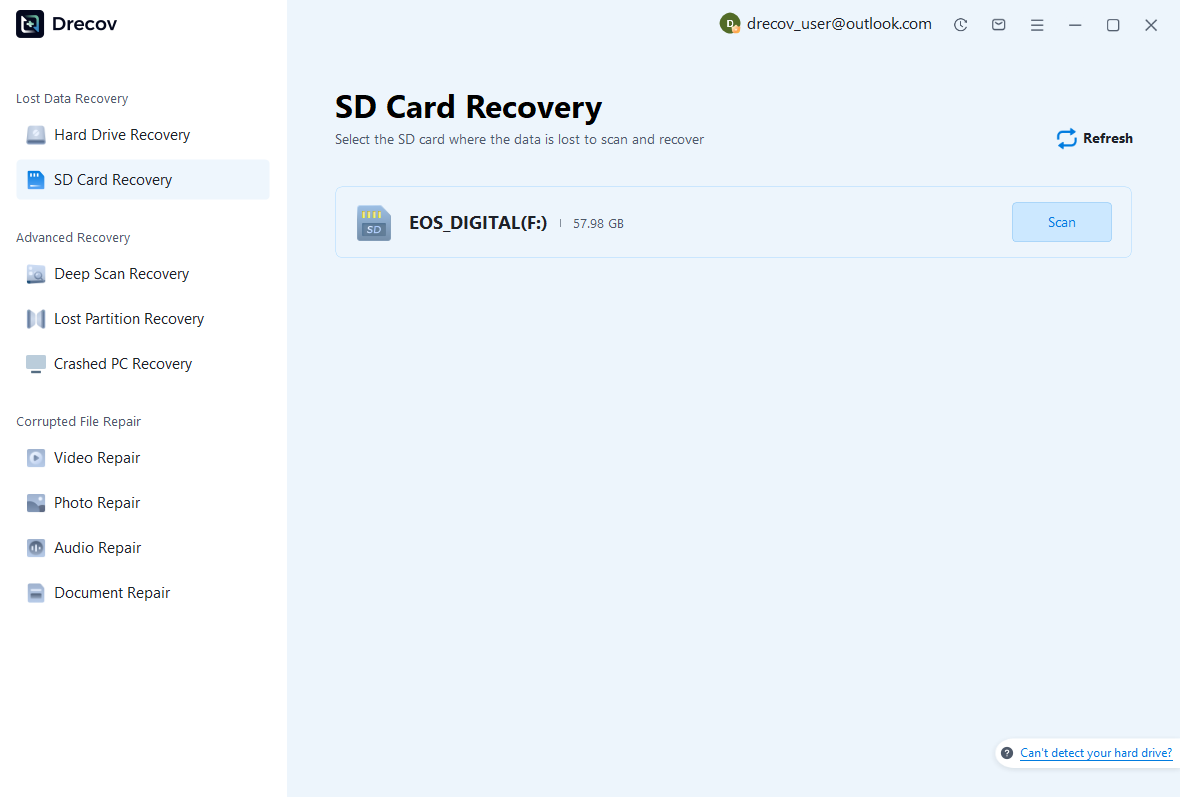
- Install Pandaoffice Drecov
- Launch the recovery software
- Select the affected storage drive
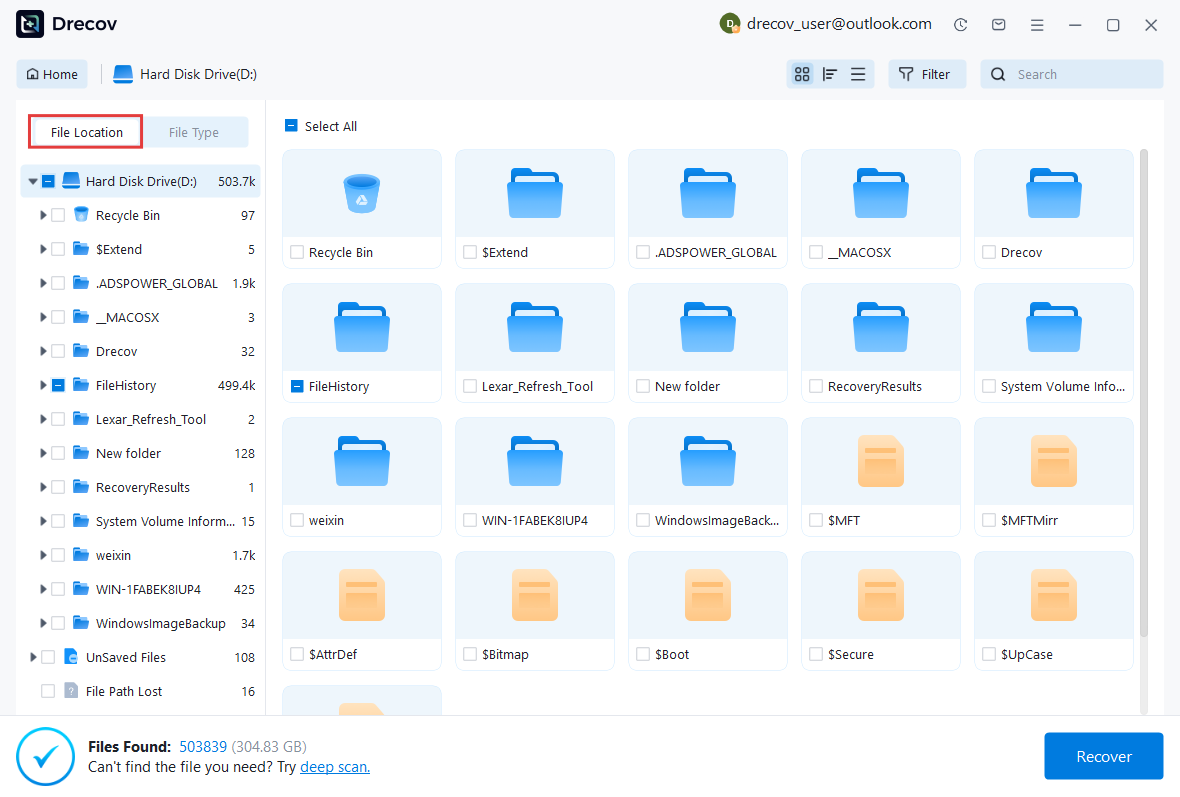
- Perform a deep scan
- Preview recoverable files
- Restore important documents safely
Pandaoffice Drecov can help recover deleted photos, documents, videos, and corrupted files after malware infections, accidental deletion, or damaged storage sectors.
This is especially useful if cleanup tools remove important files during virus removal procedures.

Why Choose PandaOffice Drecov Recovery Software?
PandaOffice Drecov offers a fast, secure, and user-friendly solution for recovering lost files across multiple scenarios. Whether you need email recovery, ZIP File Recovery, format data recovery, or help to recover deleted drafts Outlook, the software provides reliable recovery performance for both personal and business users.
PandaOffice Drecov supports recovery from formatted hard drives, SSDs, USB drives, SD cards, and external storage devices. Its advanced scanning engine can locate deleted archives, damaged ZIP files, lost Outlook drafts, and accidentally removed documents with high accuracy. For users searching for how to find deleted messages in Teams, PandaOffice Drecov can also help recover exported chat files, attachments, and related local cache data when available.
Key advantages include:
- Deep scan technology for complex data loss situations
- Support for emails, archives, videos, photos, and office documents
- Recovery from accidental deletion, formatting, corruption, and system crashes
- Easy preview before restoring files
- Compatible with Windows and multiple storage devices
Unlike complicated enterprise recovery tools, PandaOffice Drecov keeps the recovery process simple. Users can scan, preview, and restore files in just a few steps without technical expertise.
Whether you are dealing with lost Outlook drafts, corrupted ZIP archives, formatted drives, or missing communication data, PandaOffice Drecov provides an efficient and practical recovery experience designed to minimize downtime and protect important files.
Update Windows and Security Software
Outdated systems are more vulnerable to Trojan infections and browser exploits.
Test Environment
- Older Windows build
- Missing security patches
Steps
- Open Settings
- Navigate to Windows Update
- Install all available updates
- Update antivirus definitions
- Restart the PC
Security patches close vulnerabilities that malware often exploits for installation and persistence.
Keeping browsers and antivirus software updated also improves protection against newer malware variants.
Perform a Clean Windows Installation if Necessary
Severe infections may leave hidden backdoors or deeply embedded malware components.
Test Environment
- Persistent reinfection after removal attempts
Steps
- Back up important files
- Create official Windows installation media
- Format the system partition
- Reinstall Windows completely
- Reinstall trusted applications only
A clean installation removes nearly all malware traces but should only be used after backing up important files safely.
⚠️Warning: Avoid restoring suspicious backup files that may contain hidden malware.
How to Prevent Clampi Virus Infections in the Future
Download Software Only From Trusted Sources
Unofficial download sites are one of the largest malware distribution channels.
To reduce risk:
- Avoid cracked software
- Download applications from official websites
- Verify installer signatures
- Scan downloads before opening
Pirated software bundles frequently contain hidden Trojan payloads.
Use Strong Antivirus Protection
Real-time antivirus monitoring helps block malicious files before they execute.
Important security practices include:
- Enabling real-time protection
- Updating virus definitions regularly
- Running scheduled scans
- Monitoring suspicious network activity
Windows Defender provides solid baseline protection when kept fully updated.
Be Careful With Email Attachments
Phishing emails continue to spread Trojan malware successfully because attackers disguise files as legitimate documents.
Safety tips include:
- Avoid opening unknown attachments
- Verify sender addresses carefully
- Ignore urgent suspicious messages
- Scan downloaded files before opening
Even trusted contacts may unknowingly forward infected attachments.
Keep Browsers and Extensions Updated
Outdated browser components may contain security vulnerabilities exploitable by malicious websites.
Recommended practices include:
- Removing unused extensions
- Updating browsers automatically
- Avoiding unknown add-ons
- Using built-in phishing protection
Reducing unnecessary browser extensions lowers the attack surface significantly.
Frequently Asked Questions About the Clampi Virus
Is the Clampi Virus Dangerous?
Yes. The clampi virus is considered dangerous because it can steal passwords, banking information, browsing data, and sensitive account credentials.
Immediate removal is strongly recommended if infection is suspected.
Can Windows Defender Remove Clampi Malware?
In many cases, Windows Defender can detect and remove known Trojan variants successfully. However, advanced infections may require additional manual cleanup steps or specialized scanning tools.
Does the Clampi Virus Steal Banking Information?
Yes. Early versions of the clampi computer virus specifically targeted online banking credentials and financial data.
Modern variants may also target cryptocurrency wallets and browser login sessions.
Should I Change Passwords After Infection?
Yes. All important passwords should be changed immediately using a separate clean device after the malware is removed.
Priority accounts include:
- Email accounts
- Banking services
- Social media
- Cloud storage
- Password managers
Key Takeaways About the Clampi Computer Virus
Understanding what is clampi virus helps users recognize the serious risks associated with Trojan malware infections. The clampy virus can operate silently in the background while stealing passwords, browser data, financial information, and personal credentials.
Common infection sources include:
- Fake downloads
- Phishing emails
- Malicious browser extensions
- Unsafe websites
Most users can remove the clampi virus detected threat by:
- Running full antivirus scans
- Booting into Safe Mode
- Removing suspicious startup entries
- Resetting browsers
- Repairing system files
- Updating Windows security patches
Maintaining safe browsing habits, avoiding untrusted downloads, and using updated antivirus protection significantly reduces the risk of future malware infections and credential theft.






