







Learn how to change read only files by separating attributes, permissions, Protected View, cloud locks, ownership, and media protection. Identify whether a file attribute, NTFS permission, Office protection, cloud state, ownership, or storage device is blocking edits. Begin with one file shows read-only, preserve irreplaceable local data, and change one condition at a time so the result remains meaningful.
Identify Which Layer Is Refusing the Write
How to change read only files depends on the actual lock. Windows has a read-only file attribute, NTFS permissions, ownership, application protection, cloud synchronization states, and device-level write protection. Clearing the checkbox solves only the first layer. corrupted-file distinction The fact behind one file shows read-only is documented in the official source for this topic.
| Evidence | Meaning | Next decision |
|---|---|---|
| One file shows Read-only | File attribute | Clear it on a test copy |
| Access denied appears | Permission or ownership | Check Security tab and account |
| Office opens Protected View | Trust or origin policy | Use Enable Editing only for trusted files |
| Cloud file will not save | Sync conflict or placeholder | Check account and local availability |
| Every file on USB is locked | Media or disk protection | Inspect switch and disk attributes |
| File is missing, not locked | Data-loss event | Recover instead of changing attributes |
Evidence-Based Diagnostic Walkthrough
Each observation below narrows one decision for one file shows read-only. Retest the original symptom after the matching action before escalating, with one file shows read-only used as the comparison point.
One file shows Read-only
Read this result in context: file attribute. Clear it on a test copy and record the new timing, message, or detection state. For one file shows read-only, preserve readable data before any test that writes, removes access, changes boot behavior, or places sustained load on the device.
Access denied appears
Treat this observation as a branch: permission or ownership. Check Security tab and account and record the new timing, message, or detection state. For access denied appears, preserve readable data before any test that writes, removes access, changes boot behavior, or places sustained load on the device.
Office opens Protected View
Use this evidence to narrow the cause: trust or origin policy. Use Enable Editing only for trusted files and record the new timing, message, or detection state. For office opens protected view, preserve readable data before any test that writes, removes access, changes boot behavior, or places sustained load on the device.
Cloud file will not save
Let this finding limit the next action: sync conflict or placeholder. Check account and local availability and record the new timing, message, or detection state. For cloud file will not save, preserve readable data before any test that writes, removes access, changes boot behavior, or places sustained load on the device.
Every file on USB is locked
Connect this symptom to the safest test: media or disk protection. Inspect switch and disk attributes and record the new timing, message, or detection state. For every file on usb is locked, preserve readable data before any test that writes, removes access, changes boot behavior, or places sustained load on the device.
File is missing, not locked
Interpret this state before changing anything: data-loss event. Recover instead of changing attributes and record the new timing, message, or detection state. For file is missing, not locked, preserve readable data before any test that writes, removes access, changes boot behavior, or places sustained load on the device.
Work on a Copy and Preserve the Original
Duplicate the file to a healthy writable folder when possible. Confirm its source and scan untrusted downloads before enabling editing. If an entire storage device is becoming read-only unexpectedly, copy readable data before clearing protection or repairing the file system. deleted-file recovery Define success for work on a copy and preserve the original and identify the condition that ends DIY work. A changed message alone does not prove the underlying device, file, application, or Windows installation is healthy, with one file shows read-only used as the comparison point.
Recover the File When Read-Only Is Really Inaccessibility or Loss
Drecov is useful only when the local file is deleted, missing, or trapped on stable inaccessible storage. For this one file shows read-only situation, PandaOffice Drecov provides a read-only Windows recovery workflow with Quick Scan, Deep Scan, filters, supported-file preview, Lost Partition Recovery, and a selectable healthy destination. It cannot repair hardware or recreate overwritten data.
⚠ Warning: Install it on a drive different from the one where your data was lost to prevent overwriting.
Step 1: Record With the Original Loss Location
Open PandaOffice Drecov from healthy Windows and select the stable original location where the missing file existed. Install and run the software away from the partition that lost data, with one file shows read-only used as the comparison point. A source showing every file on usb is locked or severe instability should be imaged or referred to a professional instead of scanned repeatedly.

Step 2: Resolve From Quick Scan to Deep Scan
Use Quick Scan for recent deletion or a newly missing path. Continue to Deep Scan only if office opens protected view leaves required data absent and the device stays stable. Choose Lost Partition Recovery when a partition entry vanished; do not create a replacement volume first, with one file shows read-only used as the comparison point. Search by exact name, extension, former path, and last modified date.

Step 3: Confirm With Preview and a Separate Destination
Preview files that represent the important result set, including the types central to this topic, with one file shows read-only used as the comparison point. Save the selection to another healthy physical device rather than the source, with one file shows read-only used as the comparison point.
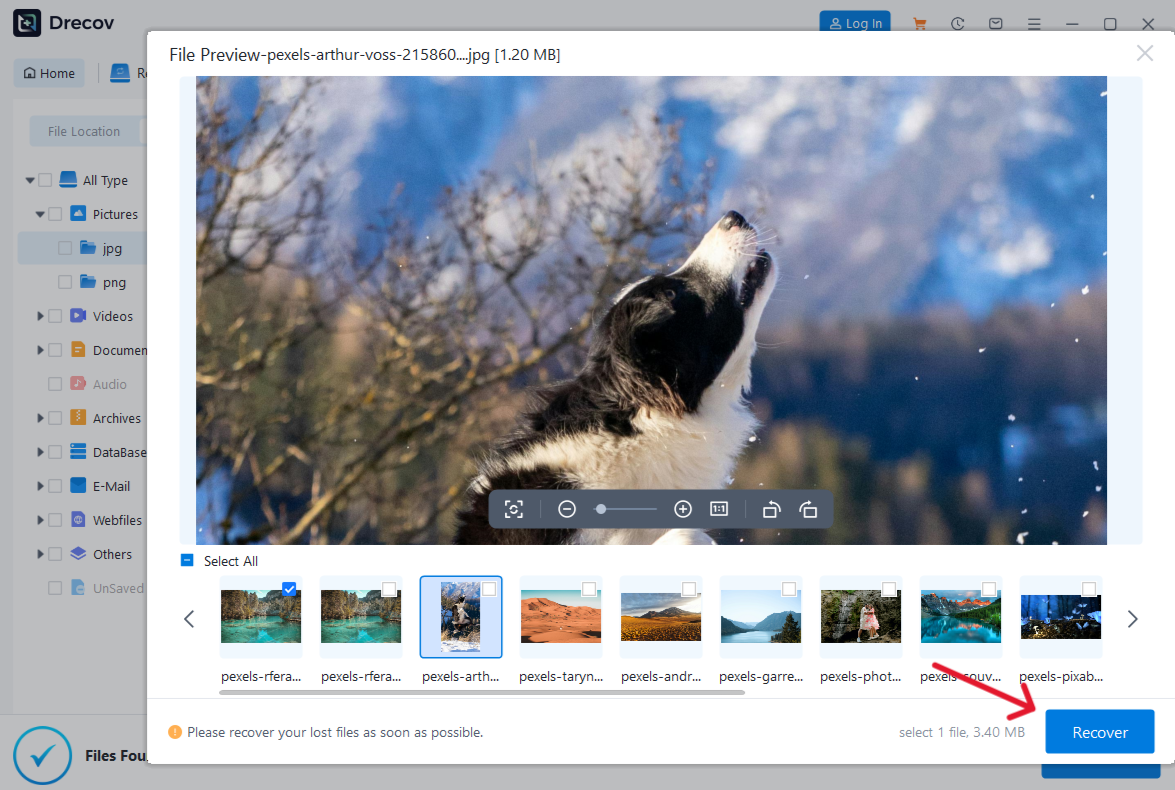
When original paths cannot be reconstructed, review the Drecov folder or Recovery folder, with one file shows read-only used as the comparison point. Recover to another healthy device, open the copy, and save a disposable edit before replacing anything.
Remove the Lock at the Correct Layer
Clear the File Attribute
Open Properties, clear Read-only, apply, and test a copy. Microsoft also documents attrib -r for a precisely specified path. Before clear the file attribute, note the starting condition and expected result. If that specific method leaves the symptom unchanged, avoid repeating it and use the new evidence to select a narrower branch, with one file shows read-only used as the comparison point. Keep a log or harmless test item for clear the file attribute so the outcome can be compared after restart.
Correct NTFS Permissions
On the Security tab, confirm the signed-in account has Modify permission. Do not grant Everyone full control as a shortcut. Before correct ntfs permissions, note the starting condition and expected result. If that specific method leaves the symptom unchanged, avoid repeating it and use the new evidence to select a narrower branch, with one file shows read-only used as the comparison point. Keep a log or harmless test item for correct ntfs permissions so the outcome can be compared after restart.
Use Ownership Only for Legitimate Files
Ownership can help after moving a disk from another Windows installation, but system and organizational files may be protected intentionally. Before use ownership only for legitimate files, note the starting condition and expected result. If that specific method leaves the symptom unchanged, avoid repeating it and use the new evidence to select a narrower branch, with one file shows read-only used as the comparison point. Keep a log or harmless test item for use ownership only for legitimate files so the outcome can be compared after restart.
Handle Office and Application Protection
Protected View, marked-final documents, password restrictions, and application locks require their own trusted workflow. A file attribute change will not remove encryption. Before handle office and application protection, note the starting condition and expected result. If that specific method leaves the symptom unchanged, avoid repeating it and use the new evidence to select a narrower branch, with one file shows read-only used as the comparison point. Keep a log or harmless test item for handle office and application protection so the outcome can be compared after restart.
Investigate Device-Wide Read-Only State
Check a physical switch, storage health, policy, and DiskPart attributes. Flash media can become read-only when failing, so rescue data first. Before investigate device-wide read-only state, note the starting condition and expected result. If that specific method leaves the symptom unchanged, avoid repeating it and use the new evidence to select a narrower branch, with one file shows read-only used as the comparison point. Keep a log or harmless test item for investigate device-wide read-only state so the outcome can be compared after restart.
Verify Editing, Saving, and Reopening
Make a small change to the copy, save under a new name, close the application, and reopen it. Confirm permissions remain after restart and cloud synchronization does not restore the locked version. separate recovery location Repeat the original low-risk action tied to verify editing, saving, and reopening. Keep the protected copy until results remain consistent and representative recovered files pass their content checks, with one file shows read-only used as the comparison point.
- Granting broad permissions to solve one file
- Enabling editing for an untrusted download
- Clearing disk protection before copying data
- Taking ownership of Windows system files
- Confusing deletion with a read-only state
How to change read only files FAQs
Why does a folder checkbox look filled?
Folder Read-only behavior does not map directly to the file attribute and can represent folder customization.
What does attrib -r do?
It clears the read-only attribute on the specified file or matching files.
Why is access still denied?
Permissions, ownership, application policy, encryption, or device protection may still apply.
Can I edit Protected View files?
Only enable editing when the source is trusted and the document is safe.
Can Drecov remove read-only status?
No. It recovers missing files; Windows and the application control write access.
Conclusion
To learn how to change read only files, identify whether the block is an attribute, permission, application safeguard, cloud conflict, or device-wide protection. Preserve a trusted copy and remove only the relevant lock. If the file is actually missing or inaccessible on stable storage, Drecov can recover it to another healthy location before permissions or repair work.






