







windows 11 cannot be installed on disk 0 partition 1? Match the exact Setup reason and protect files before changing the disk. Identify the target disk, firmware mode, partition style, space, and file system before applying a safe Windows 11 installation fix. Begin with selected disk is mbr, preserve irreplaceable local data, and change one condition at a time so the result remains meaningful. This guide explains “windows 11 cannot be installed on disk 0 partition 1” with practical checks that protect important files before system or storage changes.
Read the Full Windows Setup Reason
this Windows 11 Setup partition message is only the location line. The sentence below it usually names the real blocker: GPT or MBR mismatch, unsupported file system, insufficient space, or a partition Windows cannot use. Photograph the entire message and confirm the target by capacity before touching it. GPT and MBR differences The fact behind selected disk is mbr is documented in the official source for this topic.
| Evidence | Meaning | Next decision |
|---|---|---|
| Selected disk is MBR | Setup booted in UEFI mode | Keep data and evaluate supported conversion |
| Selected disk is GPT | Setup booted in legacy mode | Restart media in UEFI when supported |
| Partition lacks space | Target is too small or crowded | Back up, then resize or choose another target |
| Disk is offline or invisible | Controller, driver, cable, or hardware issue | Resolve detection before partition work |
| Several disks have similar sizes | Wrong-disk risk | Disconnect non-target disks after backup |
| Existing files are still needed | Deletion would destroy access | Recover and verify before Setup changes |
Evidence-Based Diagnostic Walkthrough
Each observation below narrows one decision for selected disk is mbr. Retest the original symptom after the matching action before escalating, with selected disk is mbr used as the comparison point.
Selected disk is MBR
Read this result in context: setup booted in UEFI mode. Keep data and evaluate supported conversion and record the new timing, message, or detection state. For selected disk is mbr, preserve readable data before any test that writes, removes access, changes boot behavior, or places sustained load on the device.
Selected disk is GPT
Treat this observation as a branch: setup booted in legacy mode. Restart media in UEFI when supported and record the new timing, message, or detection state. For selected disk is gpt, preserve readable data before any test that writes, removes access, changes boot behavior, or places sustained load on the device.
Partition lacks space
Use this evidence to narrow the cause: target is too small or crowded. Back up, then resize or choose another target and record the new timing, message, or detection state. For partition lacks space, preserve readable data before any test that writes, removes access, changes boot behavior, or places sustained load on the device.
Disk is offline or invisible
Let this finding limit the next action: controller, driver, cable, or hardware issue. Resolve detection before partition work and record the new timing, message, or detection state. For disk is offline or invisible, preserve readable data before any test that writes, removes access, changes boot behavior, or places sustained load on the device.
Several disks have similar sizes
Connect this symptom to the safest test: wrong-disk risk. Disconnect non-target disks after backup and record the new timing, message, or detection state. For several disks have similar sizes, preserve readable data before any test that writes, removes access, changes boot behavior, or places sustained load on the device.
Existing files are still needed
Interpret this state before changing anything: deletion would destroy access. Recover and verify before Setup changes and record the new timing, message, or detection state. For existing files are still needed, preserve readable data before any test that writes, removes access, changes boot behavior, or places sustained load on the device.
Protect Existing Files Before Setup Writes
Do not click Delete, Format, New, or use DiskPart clean until every needed file and BitLocker recovery key is safe. Note each disk model, capacity, partition size, and current boot mode. The partition number can change between environments, so a label alone is not identity. MBR2GPT layout checks Define success for protect existing files before setup writes and identify the condition that ends DIY work. A changed message alone does not prove the underlying device, file, application, or Windows installation is healthy, with selected disk is mbr used as the comparison point.
Recover Data Before Deleting or Converting Partition 1
If the target contains inaccessible personal files, recovery comes before any layout change. For this selected disk is mbr situation, PandaOffice Drecov provides a read-only Windows recovery workflow with Quick Scan, Deep Scan, filters, supported-file preview, Lost Partition Recovery, and a selectable healthy destination. It cannot repair hardware or recreate overwritten data.
⚠ Warning: Install it on a drive different from the one where your data was lost to prevent overwriting.
Step 1: Begin With the Original Loss Location
Open PandaOffice Drecov from healthy Windows and select Disk 0 Partition 1 or the stable disk image that originally contained the files. Install and run the software away from the partition that lost data, with selected disk is mbr used as the comparison point. A source showing several disks have similar sizes or severe instability should be imaged or referred to a professional instead of scanned repeatedly.

Step 2: Continue From Quick Scan to Deep Scan
Use Quick Scan for recent deletion or a newly missing path. Continue to Deep Scan only if partition lacks space leaves required data absent and the device stays stable. Choose Lost Partition Recovery when a partition entry vanished; do not create a replacement volume first, with selected disk is mbr used as the comparison point. Filter for user folders, documents, photos, archives, and dates that match the old installation.

Step 3: Finish With Preview and a Separate Destination
Preview files that represent the important result set, including the types central to this topic, with selected disk is mbr used as the comparison point. Save the selection to another healthy physical device rather than the source, with selected disk is mbr used as the comparison point.
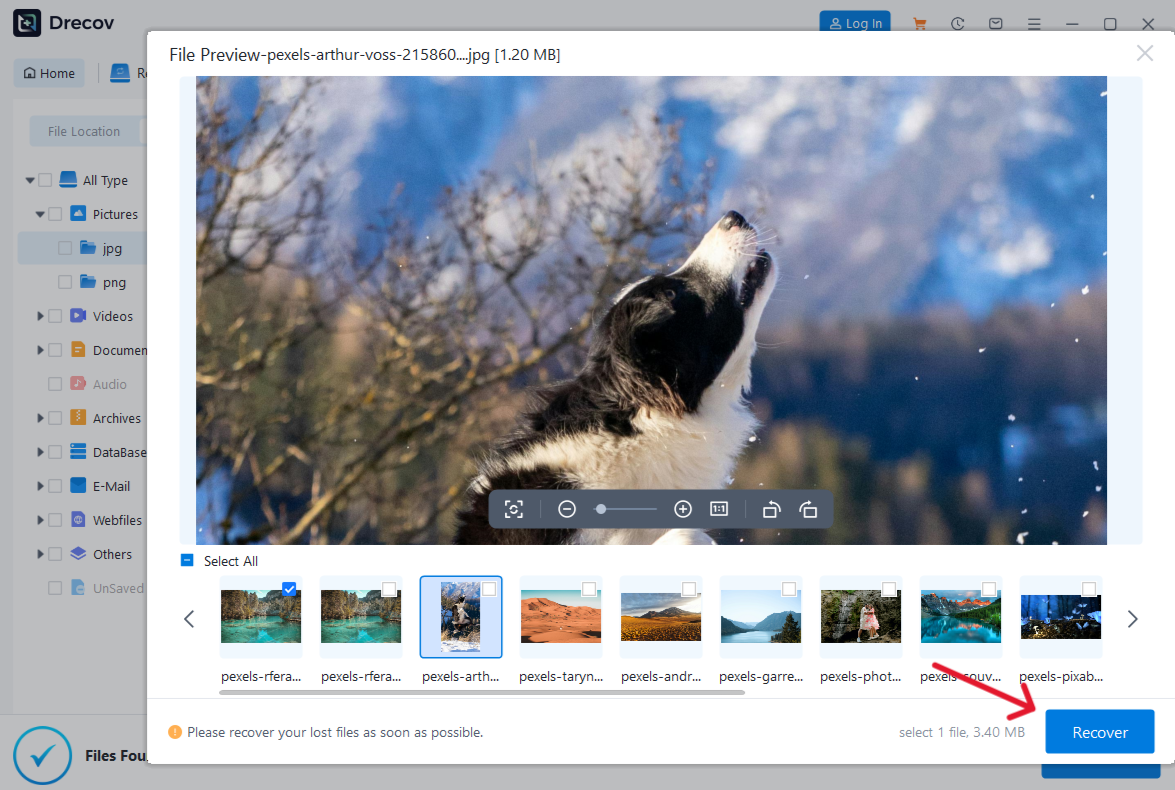
When original paths cannot be reconstructed, review the Drecov folder or Recovery folder, with selected disk is mbr used as the comparison point. Open recovered files and confirm the inventory before returning to Setup.
Apply the Fix Named by the Exact Message
Match UEFI With GPT
Restart the installer through its UEFI boot entry. If the disk is MBR and must retain data, check MBR2GPT eligibility from a supported Windows environment instead of wiping it. Before match uefi with gpt, note the starting condition and expected result. If that specific method leaves the symptom unchanged, avoid repeating it and use the new evidence to select a narrower branch, with selected disk is mbr used as the comparison point. Keep a log or harmless test item for match uefi with gpt so the outcome can be compared after restart.
Keep Legacy Mode Only When Appropriate
Legacy boot with MBR may work on older supported hardware, but Windows 11 normally expects UEFI capabilities. Confirm firmware and device requirements rather than forcing a legacy route. Before keep legacy mode only when appropriate, note the starting condition and expected result. If that specific method leaves the symptom unchanged, avoid repeating it and use the new evidence to select a narrower branch, with selected disk is mbr used as the comparison point. Keep a log or harmless test item for keep legacy mode only when appropriate so the outcome can be compared after restart.
Resolve Space Without Guessing
Choose a partition with adequate space or resize only after backup. Deleting a recovery or EFI partition can make the existing system unbootable. Before resolve space without guessing, note the starting condition and expected result. If that specific method leaves the symptom unchanged, avoid repeating it and use the new evidence to select a narrower branch, with selected disk is mbr used as the comparison point. Keep a log or harmless test item for resolve space without guessing so the outcome can be compared after restart.
Load the Correct Storage Driver
If Setup cannot see the real disk or shows unexpected capacity, obtain the signed storage driver from the PC or controller maker. Do not initialize an unknown disk. Before load the correct storage driver, note the starting condition and expected result. If that specific method leaves the symptom unchanged, avoid repeating it and use the new evidence to select a narrower branch, with selected disk is mbr used as the comparison point. Keep a log or harmless test item for load the correct storage driver so the outcome can be compared after restart.
Use Clean Installation as the Last Branch
Deleting every target-disk partition lets Setup build a new GPT layout, but it erases the disk. Use it only after verified recovery and exact disk identification. Before use clean installation as the last branch, note the starting condition and expected result. If that specific method leaves the symptom unchanged, avoid repeating it and use the new evidence to select a narrower branch, with selected disk is mbr used as the comparison point. Keep a log or harmless test item for use clean installation as the last branch so the outcome can be compared after restart.
Verify the New Installation and Restored Data
Confirm Setup completes through its first restarts, firmware still boots in UEFI mode, and Disk Management shows the intended GPT layout. Restore files from the separate destination only after Windows is stable. partition terminology Repeat the original low-risk action tied to verify the new installation and restored data. Keep the protected copy until results remain consistent and representative recovered files pass their content checks, with selected disk is mbr used as the comparison point.
- Deleting a similarly sized secondary disk
- Running clean on the wrong disk
- Converting while BitLocker or boot requirements are unknown
- Assuming Partition 1 always contains Windows
- Restoring files before storage stability is proven
windows 11 cannot be installed on disk 0 partition 1 FAQs
Why does Setup name Disk 0 Partition 1?
It identifies the selected location, not the cause. Read the reason printed beneath it.
Must I delete Partition 1?
No. Boot-mode, driver, space, or file-system fixes may avoid deletion.
Does converting MBR to GPT erase files?
The supported MBR2GPT path is designed to preserve data, but validate eligibility and back up first.
Can Drecov make the partition installable?
Drecov recovers files and lost-partition data. It does not configure Windows Setup.
What if the disk disconnects?
Stop installation and scanning. Stabilize or image the device before logical work.
When troubleshooting “windows 11 cannot be installed on disk 0 partition 1”, begin with the least invasive step and verify recovered files before attempting repairs.
Conclusion
When this Windows 11 Setup partition message, let the complete Setup reason choose the repair. Protect files before delete, clean, format, or conversion. Drecov can recover data from a stable target or lost partition to another healthy device; it cannot replace the firmware, driver, or partition-style fix.






