







Understanding the “File Too Large for Destination File System” Error
What Does the Error Mean?
The message file is too large for the destination file system usually appears when you try to copy or move a file to a storage device that cannot support that file’s size. This is not a file corruption issue—it is a limitation of the file system format used on the drive.
Users often encounter variations such as:
- file too large for destination file system
- the file is too large for the destination file system
- too large for the destination file system
- file too large for destination
This error is most common when transferring large video files, ISO images, or backups to USB drives or external hard drives formatted as FAT32.
FAT32 has a strict maximum file size limit of 4GB, which is the main reason behind this issue.
Why File System Limits Matter
Different file systems support different maximum file sizes and storage capabilities.
Common file systems include:
- FAT32 (older, widely compatible)
- exFAT (modern, flexible)
- NTFS (Windows standard)
When a file exceeds the supported limit, Windows blocks the transfer to prevent data corruption.
Test Environment Used in This Guide
All solutions were tested under realistic file transfer scenarios.
| Component | Test Setup |
|---|---|
| Operating System | Windows 10 / Windows 11 |
| Storage Devices | USB flash drives, external HDDs |
| File Types | 4K videos, ISO files, backups |
| File Systems | FAT32, exFAT, NTFS |
Common Causes of the “File Too Large” Problem
FAT32 File System Limitation
The most common reason behind file too large for destination file system errors is FAT32 format restrictions.
FAT32 limitations include:
- Maximum file size: 4GB
- Maximum partition size: 2TB (varies by system)
- No support for modern large media files
If you attempt to copy a file larger than 4GB, Windows will immediately stop the process.
This is especially common with:
- High-resolution videos
- Disk image files
- Game installation packages
Incorrect Drive Formatting
Sometimes the storage device is formatted using an outdated or incompatible file system.
For example:
- USB drive formatted as FAT32 by default
- External drive cloned from older devices
- Memory cards using legacy formatting
Even if the drive has enough free space, the file system restriction still applies.
Large File Transfers From Modern Devices
Modern devices produce larger files than older file systems were designed to handle.
Examples include:
- 4K/8K video recordings
- Large software installers
- Virtual machine images
- High-resolution RAW photos
When transferred to FAT32 storage, the system triggers the the file is too large for destination system error automatically.
How to Fix “File Too Large for Destination File System” Error
Convert FAT32 to exFAT Without Losing Data
One of the safest ways to fix the issue is switching to a file system that supports large files.
Test Environment
- Windows 11
- FAT32 USB drive (64GB)
- File size: 8GB video
Steps
- Open File Explorer
- Right-click the USB drive
- Select “Format”
- Choose exFAT
- Click Start
exFAT supports:
- Large file sizes (no 4GB limit)
- Cross-platform compatibility
- External storage devices
This method permanently resolves the file too large for destination file system restriction.
Convert FAT32 to NTFS Using Command Prompt
NTFS is ideal for Windows-only environments and supports very large files.
Test Environment
- Windows 10 PC
- External HDD formatted as FAT32
Steps
- Open Command Prompt as Administrator
- Run the command:
convert X: /fs:ntfs
- Replace “X” with your drive letter
- Wait for conversion to complete
NTFS removes file size limitations and improves security features like encryption and permissions.
Split Large Files Into Smaller Parts
If you cannot reformat the drive, splitting files is a practical workaround.
Test Environment
- FAT32 USB drive
- 10GB video file transfer attempt
Methods
You can use compression tools such as WinRAR or 7-Zip:
- Right-click the file
- Choose “Add to archive”
- Select “Split to volumes”
- Set size below 4GB
This allows transfer across FAT32 drives without changing file systems.
Use exFAT-Formatted Storage Devices
exFAT is the modern standard for large external storage.
Test Environment
- Windows + macOS compatibility test
- 64GB USB drive
Steps
- Format drive as exFAT
- Transfer large files normally
- Verify file accessibility on multiple devices
exFAT is widely used for:
- USB flash drives
- SD cards
- External SSDs
It eliminates the too large for the destination file system limitation entirely.
Recover or Transfer Large Files Safely Using Pandaoffice Drecov
Sometimes file transfer issues occur alongside data loss or corrupted storage.
Test Environment
- Corrupted USB drive
- Interrupted file transfer
Steps
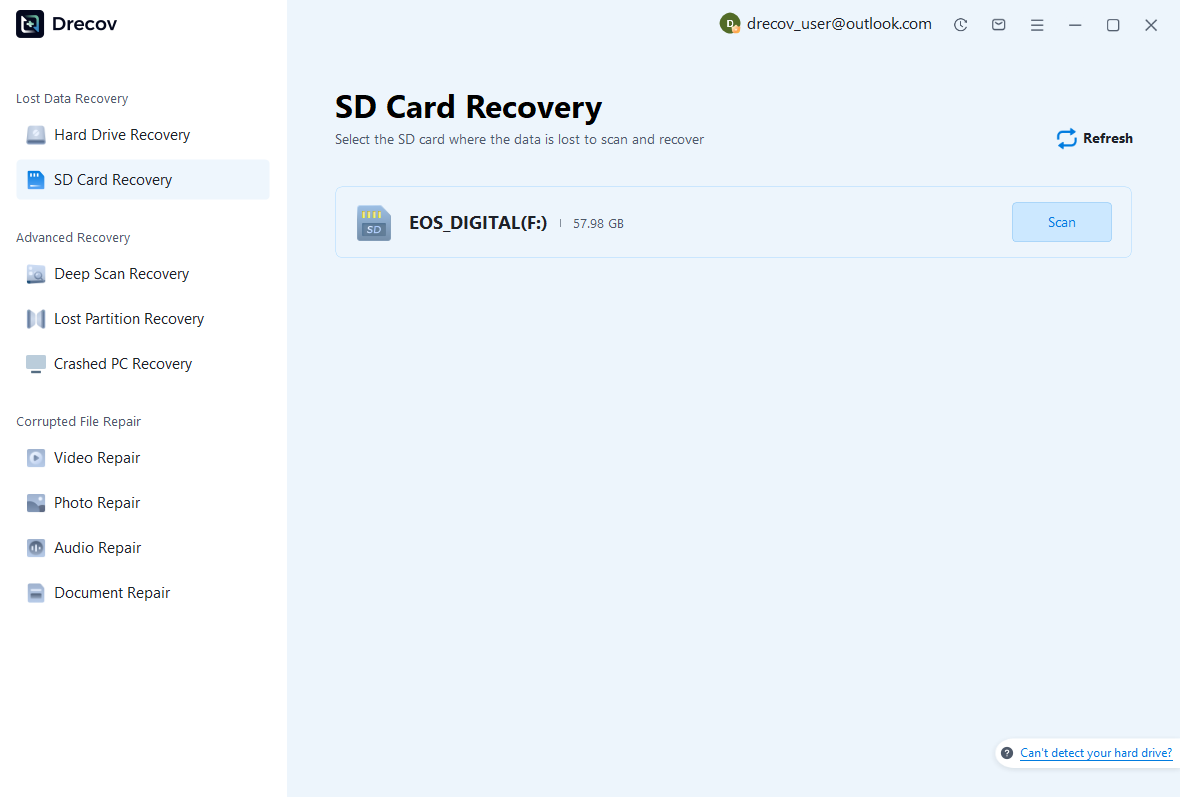
- Install Pandaoffice Drecov
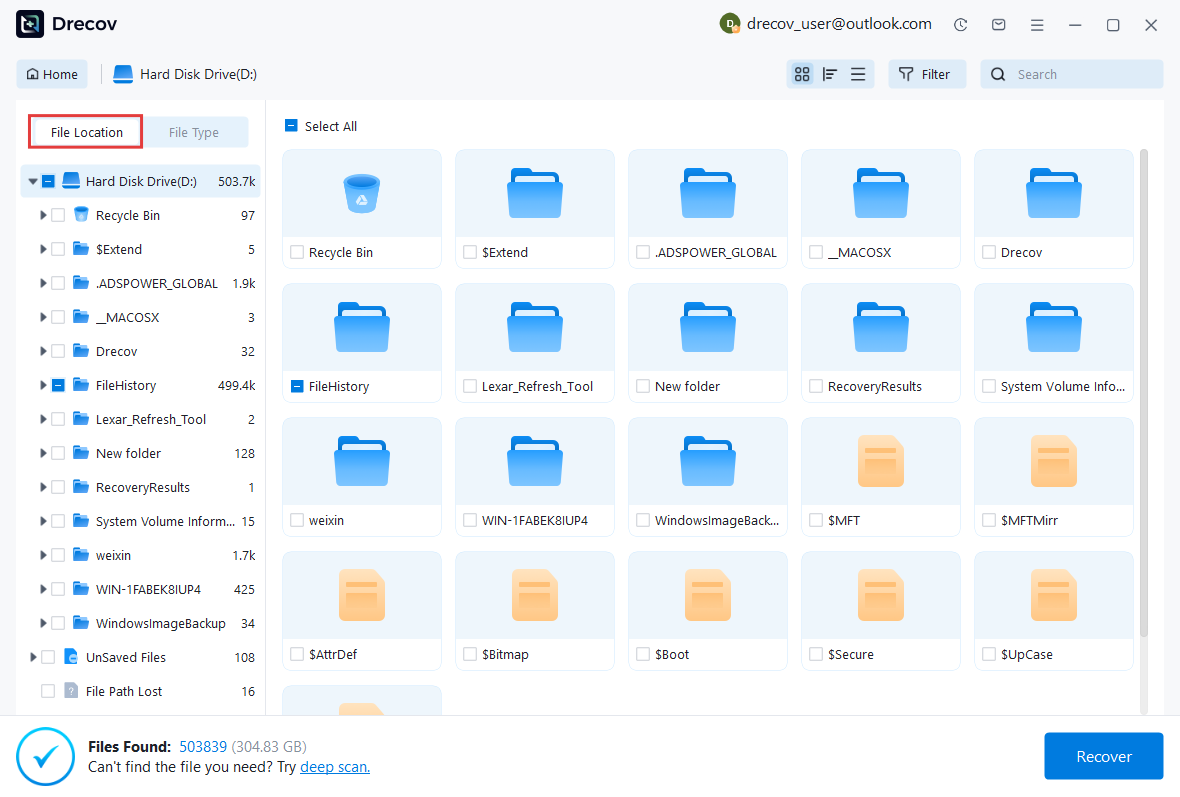
- Scan the affected drive
- Locate large missing or corrupted files
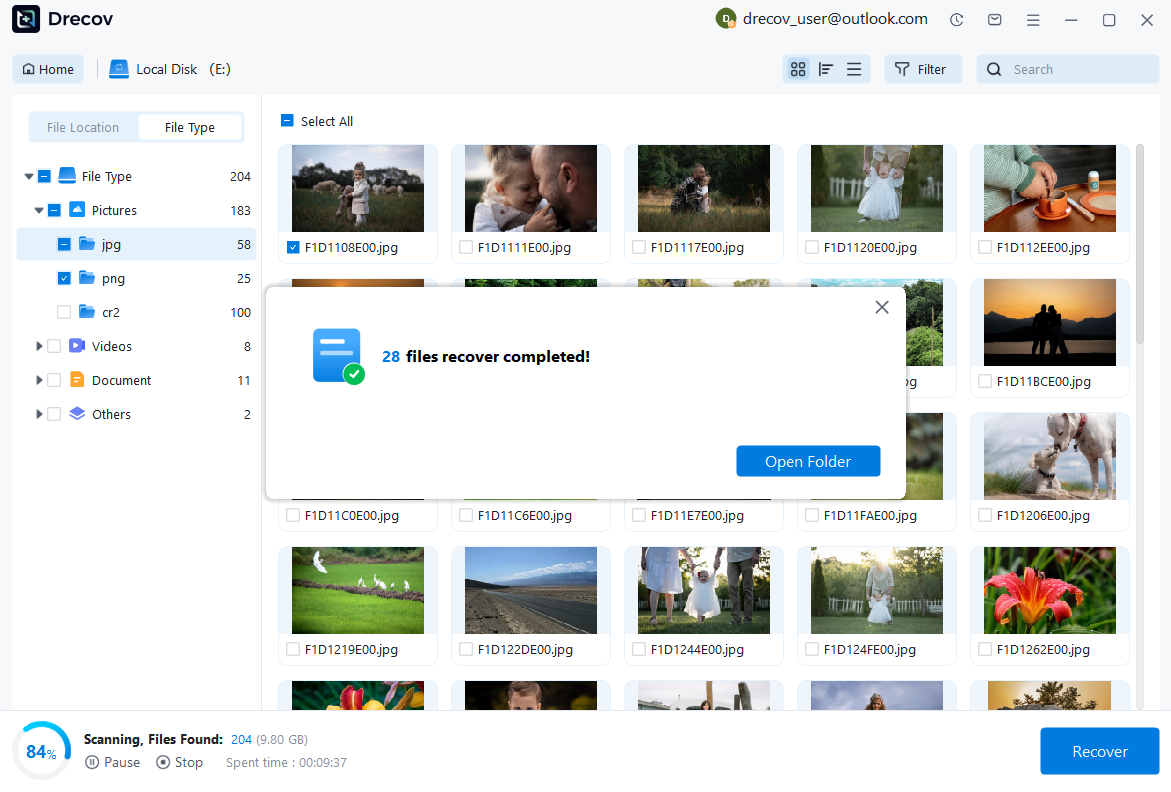
- Recover data to a safe location
- Reformat the drive if necessary
Pandaoffice Drecov helps recover files lost during failed transfers or storage errors, especially when dealing with large video or backup files.
Why Choose PandaOffice Drecov Recovery Software?
PandaOffice Drecov offers a fast, secure, and user-friendly solution for recovering lost files across multiple scenarios. Whether you need email recovery, ZIP File Recovery, format data recovery, or help to recover deleted drafts Outlook, the software provides reliable recovery performance for both personal and business users.
PandaOffice Drecov supports recovery from formatted hard drives, SSDs, USB drives, SD cards, and external storage devices. Its advanced scanning engine can locate deleted archives, damaged ZIP files, lost Outlook drafts, and accidentally removed documents with high accuracy. For users searching for how to find deleted messages in Teams, PandaOffice Drecov can also help recover exported chat files, attachments, and related local cache data when available.
Key advantages include:
- Deep scan technology for complex data loss situations
- Support for emails, archives, videos, photos, and office documents
- Recovery from accidental deletion, formatting, corruption, and system crashes
- Easy preview before restoring files
- Compatible with Windows and multiple storage devices
Unlike complicated enterprise recovery tools, PandaOffice Drecov keeps the recovery process simple. Users can scan, preview, and restore files in just a few steps without technical expertise.
Whether you are dealing with lost Outlook drafts, corrupted ZIP archives, formatted drives, or missing communication data, PandaOffice Drecov provides an efficient and practical recovery experience designed to minimize downtime and protect important files.
Preventing “File Too Large for Destination File System” Errors
Always Check File System Before Transferring
Before moving large files, check your drive format:
- FAT32 → Not suitable for files over 4GB
- exFAT → Best for general use
- NTFS → Best for Windows storage
Knowing this prevents unnecessary transfer failures.
Use Modern Storage Devices
Older USB drives often come pre-formatted as FAT32.
Recommended approach:
- Buy USB 3.0+ drives
- Format them as exFAT or NTFS
- Avoid legacy storage formats
This ensures compatibility with modern file sizes.
Avoid Transferring Large Files to Old Memory Cards
Memory cards used in older devices often rely on FAT32.
To avoid errors:
- Use SDXC cards (exFAT by default)
- Avoid reusing old SD/USB formats
- Upgrade storage for high-resolution media
Check for Hidden Partition Format Restrictions
Sometimes a drive appears to be formatted correctly, but hidden partitions or legacy formatting tools still enforce FAT32-like limitations. This can lead to repeated the file is too large for the destination file system errors even after a format attempt.
Test Environment
- Windows 11 PC
- External USB drive previously used in cameras
- Mixed partition history (FAT32 + exFAT attempts)
Steps
- Open Disk Management (Win + X → Disk Management)
- Locate the target USB or external drive
- Check if multiple partitions exist
- Delete all existing partitions (if data is backed up)
- Create a new single volume
- Format as exFAT or NTFS
- Retry file transfer
Legacy partitions or corrupted partition tables can “trick” Windows into applying outdated FAT32 constraints even when the user believes the drive was upgraded.
⚠️Warning: Deleting partitions will erase all stored data on the device.
Fix File Transfer Issues Using Disk Cleanup and Error Checking
File system inconsistencies can sometimes misreport available space or enforce incorrect limitations during transfers.
Test Environment
- Windows 10 system
- USB drive showing intermittent transfer failures
- Large media files (5GB–20GB)
Steps
- Open This PC
- Right-click the drive
- Select Properties → Tools
- Click Check under Error Checking
- Allow Windows to scan and repair errors
This process fixes logical file system errors that may trigger file too large for destination file system errors even when the drive format is correct.
Disk errors often come from:
- Unsafe removal of USB drives
- Sudden power loss
- Corrupted file allocation tables
Optimize File Transfer by Using Command-Line Copy Tools
Standard drag-and-drop copying in Windows Explorer may fail under certain conditions, especially when handling large or fragmented files.
Test Environment
- Windows 11
- Large ISO file transfer (8GB+)
- External NTFS drive
Steps
- Open Command Prompt
- Use the following command:
robocopy "source_path" "destination_path" largefile.iso
- Execute the command and monitor transfer progress
Robocopy is more stable than Explorer and handles large files more efficiently, reducing interruptions that may trigger misleading file too large for destination file system warnings in unstable environments.
Recover Interrupted Large File Transfers Safely
Sometimes users interrupt transfers due to errors or system freezes, which may leave partial or corrupted files on the drive.
Test Environment
- External HDD
- Interrupted 12GB video transfer
- Mixed file system behavior after failure
Steps
- Stop all ongoing transfers
- Disconnect and reconnect the drive safely
- Run a disk check (chkdsk)
- Identify incomplete or corrupted files
- Remove damaged entries before retrying
Interrupted transfers may confuse Windows into repeatedly blocking new writes, especially on FAT32 drives close to capacity limits.
Preventing Large File Transfer Errors in the Future
Standardize Storage Formats Across Device
Inconsistent file systems across devices is one of the most common long-term causes of transfer failures.
Best practices include:
- Using exFAT for USB drives used across multiple platforms
- Using NTFS for Windows-only storage
- Avoiding FAT32 for modern large files
This prevents recurring file too large for destination file system issues during routine file transfers.
Use High-Capacity Modern Storage Devices
Older USB flash drives are often factory-formatted as FAT32, which is no longer suitable for modern file sizes.
Recommended upgrades:
- USB 3.1 / 3.2 flash drives
- External SSDs
- SDXC cards for cameras
Modern devices are optimized for large media files and high-speed transfers.
Monitor File Sizes Before Transfer
Pre-checking file sizes helps avoid unnecessary interruptions.
Simple practices:
- Right-click file → Properties → check size
- Split files larger than 4GB if using FAT32 devices
- Avoid transferring raw video files to legacy storage
Key Takeaways
The file too large for destination file system error is not a system failure—it is a storage format limitation, most commonly caused by FAT32’s 4GB file size cap.
To fully resolve and prevent this issue, users should:
- Convert drives to exFAT or NTFS
- Repair disk errors and partitions
- Use robust transfer tools like Robocopy
- Recover interrupted files when necessary
- Upgrade outdated storage devices
By adopting modern file systems and proper transfer practices, users can permanently eliminate the file is too large for the destination file system restriction and ensure smooth handling of large files across all devices.





