







Computer viruses can disrupt your digital life in an instant, causing system crashes, file corruption, or severe data loss. When malicious software strikes, knowing how to get rid of virus threats quickly is the key to saving your valuable files. Malware often corrupts system registries or forces users to wipe their drives during cleanup. Consequently, recovering lost data becomes just as important as removing the infection itself.
To achieve both malware eradication and total file recovery, you need a robust strategy. This comprehensive guide will walk you through the essential steps to eliminate digital threats. Furthermore, we will introduce PandaOffice Drecov data recovery software as the premier solution to restore files deleted or compromised during a malware attack.
Understanding the Basics of How to Get Rid of Virus Infections
Before diving into the cleanup process, it is crucial to understand what you are up against. A computer virus is a type of malicious software designed to replicate itself and spread across devices. These threats can secretly alter system settings, slow down your processing speed, or lock your most important files.
Common Malware Challenges
- File Deletion and Encryption: Many modern viruses or ransomware strains deliberately target user data, making files completely inaccessible.
- System Instability: Malware often modifies critical system files, leading to frequent Blue Screen of Death errors.
- Disabled Security Tools: Advanced threats can block standard antivirus software from running or updating.
When malware compromises your system, a simple antivirus scan might not be enough to fix the aftermath. If files disappear during an infection, PandaOffice Drecov data recovery software can scan deep within your storage drive to retrieve missing data. This software serves as a vital safety net when you need to learn how to get rid of virus payloads without permanently losing your work.
⚠ Warning: Install it on a drive different from the one where your data was lost to prevent overwriting.
Whether you are recovering from system glitches or fixing external drive issues, PandaOffice Drecov provides tailored recovery algorithms. For instance, if you encounter platform-specific errors after a system disruption, resources like the Steam No Licenses Error Fix Guide offer excellent platform troubleshooting. Similarly, users dealing with file transfer glitches can consult the Fixing the Can’t Download Files from ChatGPT Error 2026 Guide to keep their workflows smooth.
Solutions on How to Remove Virus Threats and Restore Data
Method 1: Isolating the Infection via Safe Mode
The first critical step to how to rid pc of viruses is stopping the malware from running in the background. Windows Safe Mode loads only the bare minimum of drivers, preventing most malware from executing.
- Press the Windows Key + I on your keyboard to open the Settings application.
- Navigate directly to Update & Security and select Recovery from the sidebar.
- Locate the Advanced Startup section and click the Restart Now button.
- Choose Troubleshoot from the blue options screen, then select Advanced Options.
- Click Startup Settings and select Restart.
- Press the 4 key or F4 key to boot your computer into Safe Mode.
Once the PC boots into Safe Mode, you can safely run deep scans using Microsoft Defender or specialized malware removal tools without interference from active threats.
Method 2: Recovering Compromised Files Using PandaOffice Drecov
Malware removal tools often delete infected personal files along with the virus. When you need to know how to delete virus from laptop storage without losing your data, PandaOffice Drecov data recovery software is the ideal choice. Drecov features an advanced sector-by-sector scanning engine that bypasses file system blocks to recover lost documents, photos, and archives.
⚠ Warning: Install it on a drive different from the one where your data was lost to prevent overwriting.
- Step 1: Insert the USB drive into the target laptop and launch the application.
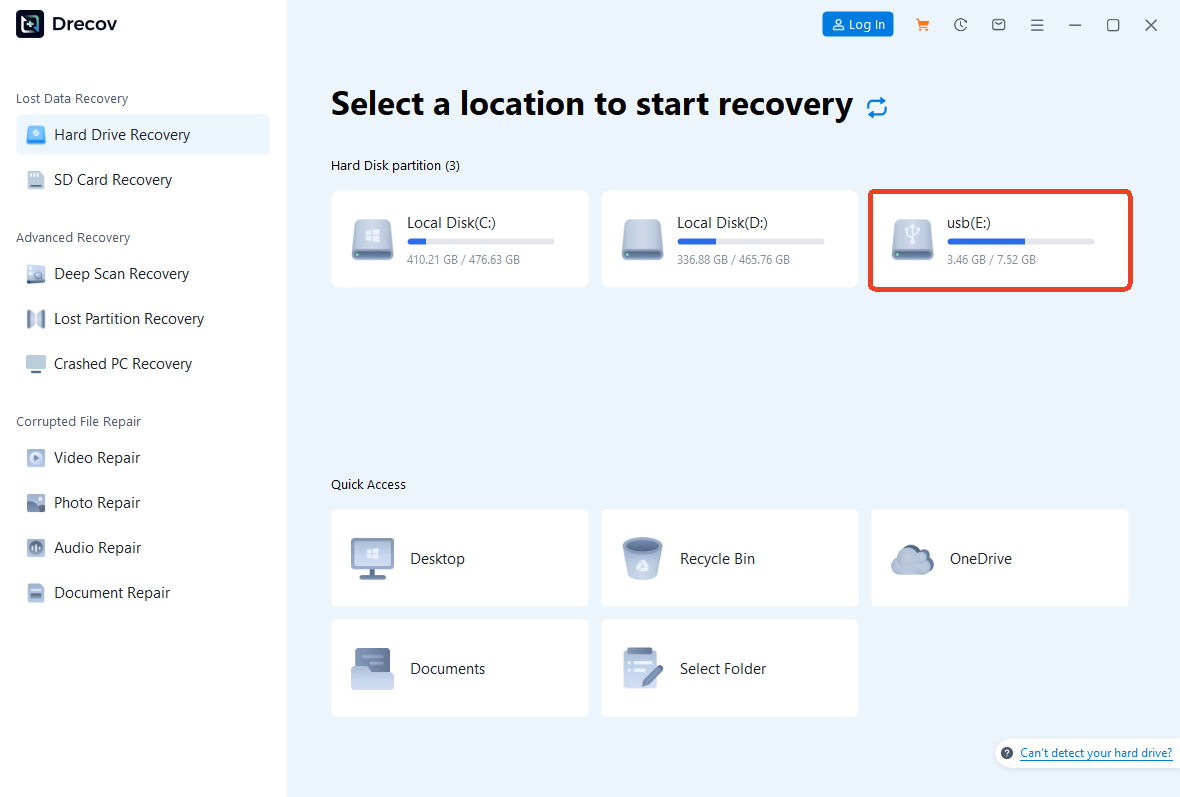
- Step 2: Select the specific drive partition that was affected by the virus attack.
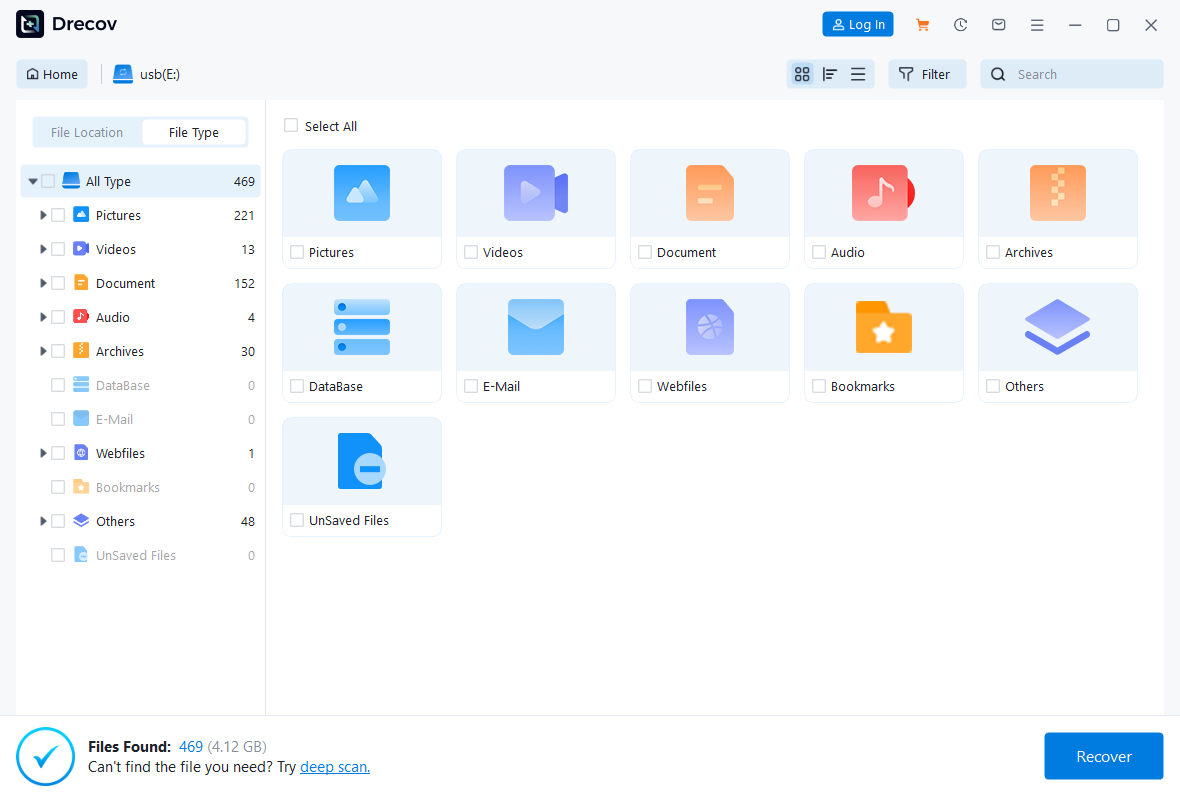
- Step 3: Click the Scan button to initiate a deep search for fragmented or hidden files.
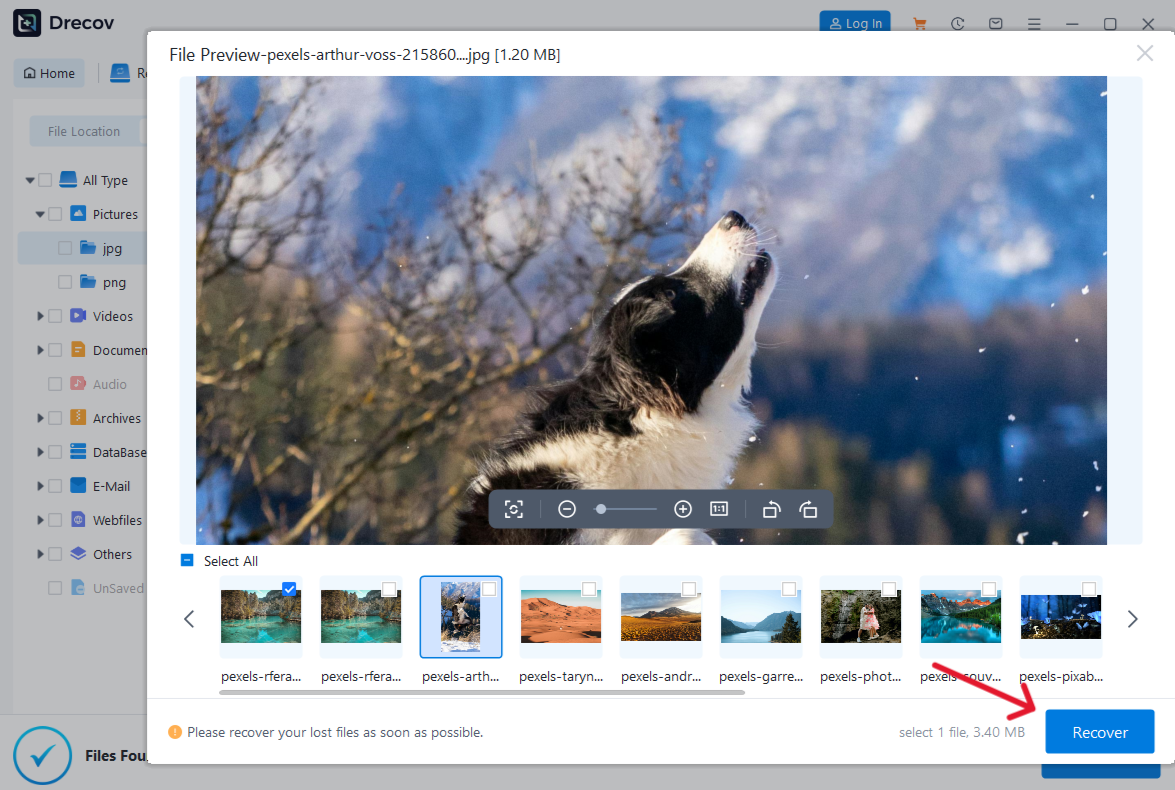
- Step 4: Preview the discovered files, select the items you wish to save, and click Recover to save them onto an external storage device.
This approach ensures that your data remains intact even if the virus cleanup process requires a partial system format.
For comprehensive threat intelligence and up-to-date malware definitions, you can consult the official Cybersecurity and Infrastructure Security Agency Alerts to stay ahead of emerging digital dangers. Combine robust security habits with professional recovery software to keep your system safe, clean, and fully operational.
Method 3: Clearing Temporary Files and Registry Cleanups
Malware frequently hides inside temporary directories to survive system reboots. Cleaning these directories is a vital part of how to eliminate viruses permanently.
- Press the Windows Key + R to open the Run dialogue box.
- Type cleanmgr into the text field and press Enter to launch Windows Disk Cleanup.
- Select your primary system drive and check the boxes for Temporary Files and Temporary Internet Files.
- Click OK and confirm the deletion to clear these directories.
- Open the Run dialogue box again, type regedit, and hit Enter to access the Registry Editor.
- Navigate to the path
HKEY_CURRENT_USER\Software\Microsoft\Windows\CurrentVersion\Run. - Inspect the list for suspicious entries that lack verified publisher names and delete them carefully.
Alternative Methods to Take Virus Off Computer
If automated tools fail, manual intervention or alternative utilities can provide an excellent backup strategy for how to remove virus from laptop systems.
| Method Name | Primary Pros | Primary Cons | Best Used For |
| Windows Malicious Software Removal Tool | Built into Windows, requires no installation, updates automatically | Limited to a specific list of prevalent threats | Standard monthly maintenance |
| Bootable Rescue USB | Operates outside the Windows environment entirely | Requires a separate uninfected PC to create the bootable drive | Severely infected or unbootable systems |
| Manual Command Prompt Deletion | Bypasses standard file permissions to delete locked malware | High risk of deleting critical system files by mistake | Advanced users targeting known file paths |
For users who prefer offline media solutions or need to transfer clean utilities to their machines, learning media preparation is highly beneficial. You can review the How to Install PS3 ISO Games from USB Full Guide to understand the fundamentals of configuring storage formats properly.
Best Practices for How to Clean PC From Virus Contamination
Successfully learning how do you clean your computer from viruses involves both short-term cleanup and long-term prevention. Adhering to strict data security protocols will protect your computer from future infections.
- Deploy Real-Time Protection: Always keep an active, reputable antivirus suite running alongside Microsoft Defender.
- Enforce the 3-2-1 Backup Rule: Maintain three separate copies of your data, stored on two different media types, with one copy kept completely offline.
- Verify External Media: Scan every USB flash drive or external hard drive before opening files on your main system.
- Avoid Suspicious Attachments: Never download email attachments or click links from unknown senders.
How to get rid of virus FAQs
How do you fix a virus if the computer will not boot into Windows?
You must create a bootable rescue media on a clean computer using an external USB drive. Furthermore, you should configure your infected PC to boot from this USB via the BIOS or UEFI settings to run an offline virus scan.
Can clean viruses from computer processes restore my encrypted files?
Standard antivirus tools only remove the malicious code itself. To bring back files that were deleted or corrupted during the cleanup, you must use a dedicated utility like PandaOffice Drecov data recovery software.
What is the fastest way to get rid of virus infections on a laptop?
The fastest method involves booting your system directly into Safe Mode and running a full system scan with Microsoft Defender Offline. This approach prevents the malware from actively defending itself or replicating.
Will resetting my laptop delete the virus completely?
A full factory reset that wipes the drive will eliminate almost all standard viruses. However, you must back up your essential files first and use Drecov afterward to rescue any data that was not included in your backup.
Why do some files remain missing after a successful virus removal?
Malware often modifies file attributes to make your data hidden, or it deletes files to free up space for its own operations. Running a deep scan with PandaOffice Drecov data recovery software can locate these hidden or deleted sectors easily.
Conclusion
Mastering how to get rid of virus threats requires a careful balance of malware elimination and proactive data protection. While antivirus tools are excellent for neutralizing active threats, they cannot repair the structural data damage left in their wake. Using PandaOffice Drecov data recovery software ensures that your documents, photos, and business files are completely safe throughout the remediation process.






