







What happens when you format a filesystem on a partition? The partition receives a new file-system structure so the operating system can store files there. The old files no longer appear through normal browsing. A quick format generally replaces key file-system records without fully overwriting the volume; a full format can write across the storage. If the format was accidental, stop using the partition immediately. Do not copy files onto it while deciding whether old data can be recovered.
what happens when you format a filesystem on a partition: safe diagnosis
A disk can contain one or more partitions. A partition defines a region of storage; a file system such as NTFS, exFAT, or FAT32 organizes files inside that region. Formatting a partition normally creates or replaces that organization. It does not necessarily delete the partition boundary itself. Deleting a partition, initializing a disk, and formatting a volume are separate operations, even when a setup wizard performs them close together.
This distinction matters when the drive appears empty. If the same partition still exists and shows the expected capacity but has a new file system, the old directory structure may have been replaced. If the partition itself is missing, the recovery task involves locating the old volume before searching its files. The partition-removal explanation covers that different operation. Neither situation should be “fixed” by creating another new volume before important data is protected.
Formatting also sets properties such as a file-system label and allocation-unit size. Those settings affect the new file system; they do not bring back the old one. If a format dialog unexpectedly appears when you connect a drive, close it. Windows may be unable to read the existing file system because of corruption, an unsupported format, or hardware trouble. A prompt is a symptom to investigate, not a requirement to format.
Quick Format Changes the Map First
Microsoft says the quick-format option creates a new file table and does not fully overwrite or erase the volume in its Disk Management documentation. That explains why file-recovery software may still find old content after some quick formats. Yet “not fully overwritten” does not mean “safe” or “guaranteed recoverable.” A new file-system map occupies storage, and any files you save afterward can reuse old data blocks. Original folder names and timestamps may be lost even when some content remains.
Imagine an external HDD that held photos and was quickly formatted as exFAT. File Explorer now shows an empty volume. The photo bytes might still exist in areas that have not been reused, but the old index that connected names to those bytes may no longer be available. A scanner might find images by file signature with generic names. It might also find only partial files if some blocks were overwritten. The result depends on what the format and later writes actually changed.
The formatted-drive recovery overview explores the file-recovery side. This page answers the underlying “what changed?” question so that a user can judge whether to stop writing, search for backups, or seek a professional image.
Full Format, Overwrite, and SSD TRIM Narrow the Options
A full format does more work than creating fresh file-system metadata. On current Windows implementations, it can write across the volume, greatly reducing the chance that old content remains available to ordinary software recovery. The exact effects depend on the operating system, utility, device, and options used. Do not assume that the phrase “full format” is merely a slower quick format, and do not claim any individual file is recoverable without examining the actual device.
Overwriting is a hard limit. Once new data replaces the blocks that held an old file, software cannot reconstruct those old bytes from the replacement. This is why copying a new backup onto an accidentally formatted source is dangerous. Even installing a recovery utility on that same partition creates writes. Use another healthy disk for the application and output.
SSDs add another complication. TRIM or unmap can tell a solid-state device that freed blocks are no longer needed. The controller may then make old data unavailable to a later scan. Stop using the device promptly, but avoid promising recovery based on speed alone. For an encrypted volume, preserve the key and avoid changing the encryption state. A new file system does not provide a way around missing credentials for old encrypted data.
How to Tell What Was Actually Done
Before attempting recovery, record the exact action and tool. Was “Quick Format” checked in Disk Management? Did a camera format a memory card? Did a Windows installer delete partitions and then create new ones? These are not interchangeable events. Check command history, setup notes, or the person who performed the operation. Do not run the same tool again merely to see what it does.
Inspect the device without changing it. Is the expected capacity visible? Does the partition remain present? Does it stay connected and read normally? If a hard drive clicks or drops offline, stop direct scanning and seek imaging or professional help. If it is stable, compare backups first. A verified backup may be safer than trying to reconstruct files from the formatted source.
Do not decide from a single empty File Explorer window that every byte is gone. Conversely, do not assume a quick format guarantees recovery. The only useful evidence is a safe scan or image and the ability to open exported files. For a format that was intentional, verify the correct target before saving new data. For a format that was accidental, keep the target idle until your data decision is settled.
Recovering After an Accidental Format
It helps diagnose what happens when you format a filesystem on a partition without changing the source data. PandaOffice Drecov is Windows data recovery software for stable PCs, HDDs, SSDs, USB drives, SD cards, memory cards, and external drives. Its read-only recovery mode can search for files left on a formatted source. Quick Scan and Deep Scan provide two search stages; filtering and preview help judge candidates before exporting to another healthy device. Drecov’s Lost Partition Recovery mode is relevant when a partition disappeared, but it does not repair hardware or guarantee that a partition table can be rebuilt. A full overwrite and SSD TRIM can make data unavailable regardless of the tool.
⚠ Warning: Install it on a drive different from the one where your data was lost to prevent overwriting.
If the drive reports severe read errors, disconnects, or makes new mechanical noises, do not run repeated direct scans. An image or professional service may be the safer route. For a stable source, prepare a separate healthy destination with enough free space. Do not install software on the formatted partition. Use the Drecov home page on a healthy Windows environment only after you have recorded which device was formatted.
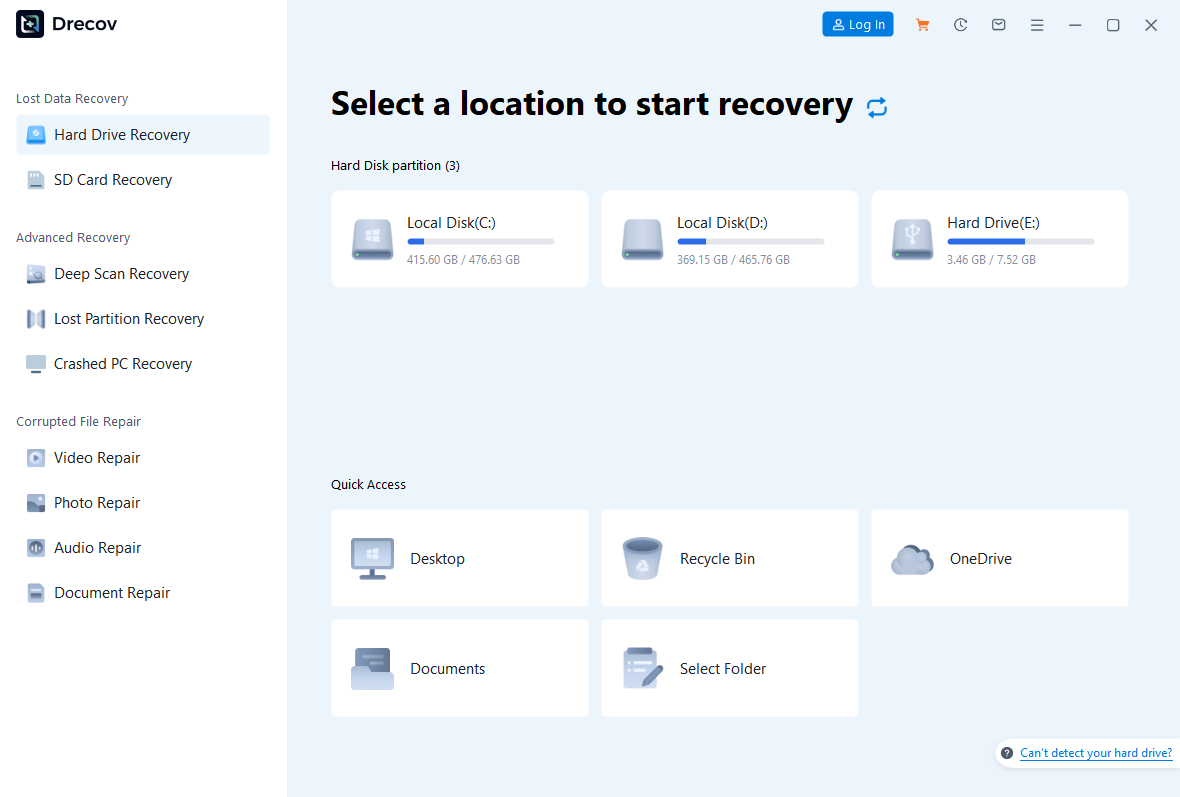
Step 1: Open Drecov and choose the formatted source
This check is especially useful for what happens when you format a filesystem on a partition. Select the original partition or physical device that held the files. Check the capacity carefully; two external drives can look similar. If the partition boundary is gone but the disk remains stable, select Lost Partition Recovery. Do not initialize or create another volume to make the device appear in Explorer.
Step 2: Run Quick Scan
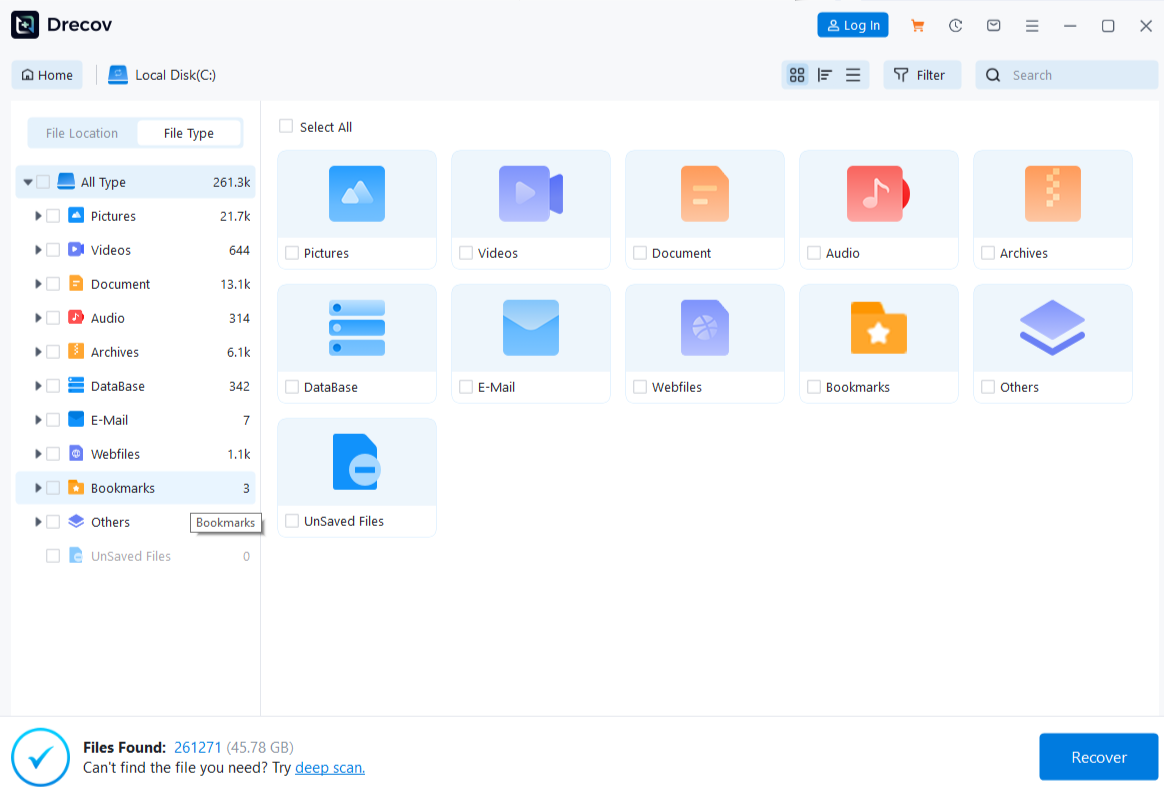
Begin with Quick Scan. Look for recognizable folders, filenames, and file types, but expect some metadata to be missing. The new file system may have replaced the old map. If the device behaves erratically during the scan, stop. The goal is to retrieve data, not to force a status bar to completion.
Step 3: Use Deep Scan if the device stays stable
If essential files do not appear, run Deep Scan on the stable source. Broader results may include generic names or duplicates. Compare sizes and content rather than counting hits. Deep Scan cannot reconstruct blocks erased or overwritten by a full format or later use.
Step 4: Filter and preview meaningful samples
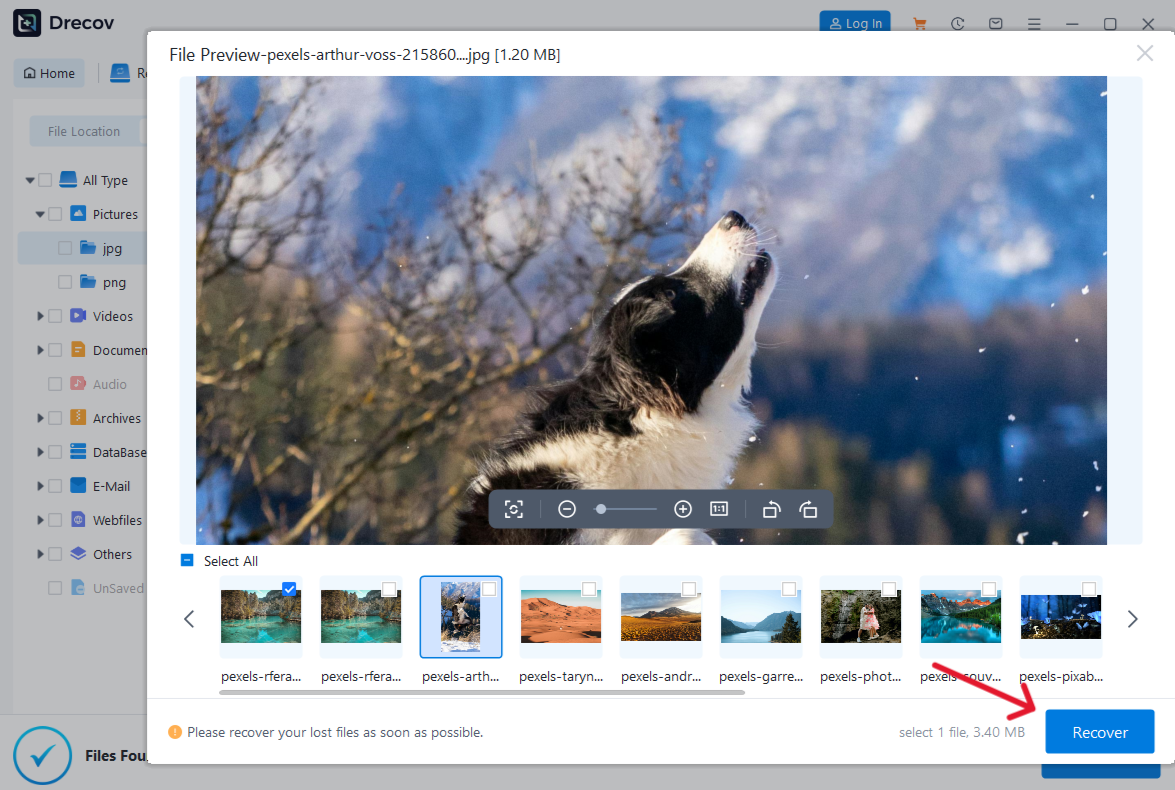
Narrow results by type, path, or name where available. Preview several documents, photos, and videos. A thumbnail or first page does not certify the entire file. Export representative candidates and test complete playback, page content, or archive extraction on a healthy device.
Step 5: Recover elsewhere and verify before reuse
Save the selected files to the separate destination, never to the formatted source. If the output seems missing, check the Drecov folder or Recovery folder. Open a sample across file types and dates, then make another copy of valuable output. Only after verification should you consider reformatting or reusing the original partition.
⚠ Warning: Install it on a drive different from the one where your data was lost to prevent overwriting.
What happens when you format a filesystem on a partition FAQs
Does formatting erase the whole disk or one partition?
Formatting targets the selected volume or partition. Other partitions may remain, but selecting the wrong volume can still destroy access to valuable files. Confirm the device and partition identifiers before any operation. A disk-wide wipe or partition deletion is a separate action.
Why is my drive empty after quick format?
The new file system presents an empty directory map. Some older data blocks may remain, but normal browsing does not use the previous map. Stop writing to the volume and search backups before trying recovery software.
Can I undo a full format?
There is no ordinary Undo command. If a full format wrote over the old data, software cannot reverse that overwrite. Check independent backups and consult a specialist if the contents are valuable, but avoid claims of guaranteed restoration.
Should I run CHKDSK on the new volume?
Not to recover the old files. CHKDSK addresses file-system consistency and can modify structures. Recover or image needed data first. A newly formatted file system may be healthy while the previous files remain inaccessible.
Does choosing NTFS instead of exFAT change the old files?
The new format choice affects how future files are organized and device compatibility. It does not restore the old content. The exFAT explanation helps choose a file system after data has been safely recovered or backed up.
Conclusion
Formatting makes a partition usable under a new file system. Quick format may leave old data blocks behind; full format and later writes can remove that opportunity. If the action was accidental, stop using the source, check backups, and assess drive health. Drecov can search a stable Windows-recognized device and export recoverable files to another location, but it cannot undo overwritten data or physical failure. Verify the output before modifying the original partition again.
⚠ Warning: Install it on a drive different from the one where your data was lost to prevent overwriting.





