







Initialize opens Disk Utility and does not mean initialization is the safe first action. For the disk you attached was not readable by this computer, verify this observation directly before changing settings. Record what was visible, what stayed unchanged, and whether the result follows one file, device, account, or application. Use the visible result to decide whether the next check belongs to software, storage, connectivity, or the source file itself.
Choose Ignore Before Initialize
Ignore preserves the current state while the device is inspected. This detail changes the next decision because a narrow failure does not justify a system-wide reset. Use one known-good comparison, repeat the same action, and keep the original state available for rollback. Compare the outcome with the last known-good state so a changed symptom is not mistaken for a completed fix.
System Information can show a USB or Thunderbolt device even when no volume mounts. Treat the result as evidence rather than proof of a single cause. Check the relevant log, status indicator, or second environment, then make only the change supported by that comparison. Keep a short note of this result because later checks are useful only against the same baseline.
Read What Disk Utility and System Information Detect
Disk Utility device view distinguishes physical device, partition map, and volume visibility. Avoid combining this test with cleanup, formatting, account removal, or driver replacement. Several simultaneous changes can hide the cause and may create a new data-loss problem. If this observation conflicts with another test, repeat both under the same conditions before choosing an invasive action.
Windows-only file systems or vendor encryption can appear unreadable without being damaged. After acting, reproduce the original task and test after restart or reconnection where appropriate. A one-time success is weaker than a result that survives ordinary use. The useful endpoint is a repeatable result, not merely a different screen or a temporarily quiet error.
Separate Unsupported Format From Corruption
A changed capacity, repeated disconnect, clicking, or severe read errors indicates instability. For the disk you attached was not readable by this computer, verify this observation directly before changing settings. Record what was visible, what stayed unchanged, and whether the result follows one file, device, account, or application. A second controlled attempt should confirm the same boundary before you replace hardware or reset an application.
First Aid modifies file-system structures and should follow data protection when files matter. This detail changes the next decision because a narrow failure does not justify a system-wide reset. Use one known-good comparison, repeat the same action, and keep the original state available for rollback. Preserve the original file, device state, or configuration until the expected behavior has been reproduced twice.
Stop When the Hardware Is Unstable
Erase creates a new file system and destroys normal access to the old structure. Treat the result as evidence rather than proof of a single cause. Check the relevant log, status indicator, or second environment, then make only the change supported by that comparison. This checkpoint separates the primary symptom from a side effect introduced by an earlier workaround.
A Windows recovery workflow applies only when the stable device is recognized by Windows. Avoid combining this test with cleanup, formatting, account removal, or driver replacement. Several simultaneous changes can hide the cause and may create a new data-loss problem. When the result changes after reconnection or restart, record that dependency instead of assuming the issue disappeared.
Recover Data Before First Aid or Erase
Successful mounting should be followed by immediate verified copying and health review. After acting, reproduce the original task and test after restart or reconnection where appropriate. A one-time success is weaker than a result that survives ordinary use. Proceed only when the evidence identifies a narrower action than a broad reset, reinstall, or destructive rewrite.
Initialize opens Disk Utility and does not mean initialization is the safe first action. For the disk you attached was not readable by this computer, verify this observation directly before changing settings. Record what was visible, what stayed unchanged, and whether the result follows one file, device, account, or application. Recheck the same item from another account, player, port, or computer when that comparison fits the fault.
Reformat Only After the Files Are Safe
Ignore preserves the current state while the device is inspected. This detail changes the next decision because a narrow failure does not justify a system-wide reset. Use one known-good comparison, repeat the same action, and keep the original state available for rollback. The final interpretation should explain both the failed case and the known-good control without guesswork.
System Information can show a USB or Thunderbolt device even when no volume mounts. Treat the result as evidence rather than proof of a single cause. Check the relevant log, status indicator, or second environment, then make only the change supported by that comparison. If important data is involved, make a protected copy before using this finding to justify a write operation.
Use adjacent guidance only when its symptoms match: I/O device error triage, external-drive repair safety, and formatted-drive recovery. Current factual details are available from Apple Disk Utility repair guidance.
Measure the disk not readable Mac State Before and After
Write down the exact starting condition for the disk you attached was not readable by this computer, including the device, account, file, application, and last known-good time. Preserve readable material before changing anything. Repeat one representative action with a known-good comparison so the result identifies a layer rather than merely producing a different symptom.
During the disk not readable Mac test, keep security, encryption, and backup controls active unless a documented procedure specifically requires a temporary change. Restore that control immediately afterward. If access becomes worse, return to the saved state instead of stacking another speculative fix on top.
When disk not readable Mac Evidence Requires a Different Plan
In a disk not readable Mac case, physical instability, severe read errors, repeated disconnects, unexpected capacity changes, or irreplaceable files without backup require safer escalation. Software cannot repair damaged hardware. Create an image only when the source remains stable enough, or consult a professional service.
For the disk you attached was not readable by this computer, the final check must reproduce the original task, survive a restart or reconnection when relevant, and preserve access to important data. Keep logs and the previous configuration until that proof exists.
Recover Missing Files Before the Destructive Step
PandaOffice Drecov is Windows data recovery software for stable recognized PCs, hard drives, SSDs, external drives, USB devices, and memory cards. In the disk not readable Mac scenario, it is relevant only when local files are actually missing or inaccessible. It does not repair physical hardware, decrypt a volume without its key, repair video content, or create a bootable clone.
⚠ Warning: Install it on a drive different from the one where your data was lost to prevent overwriting.
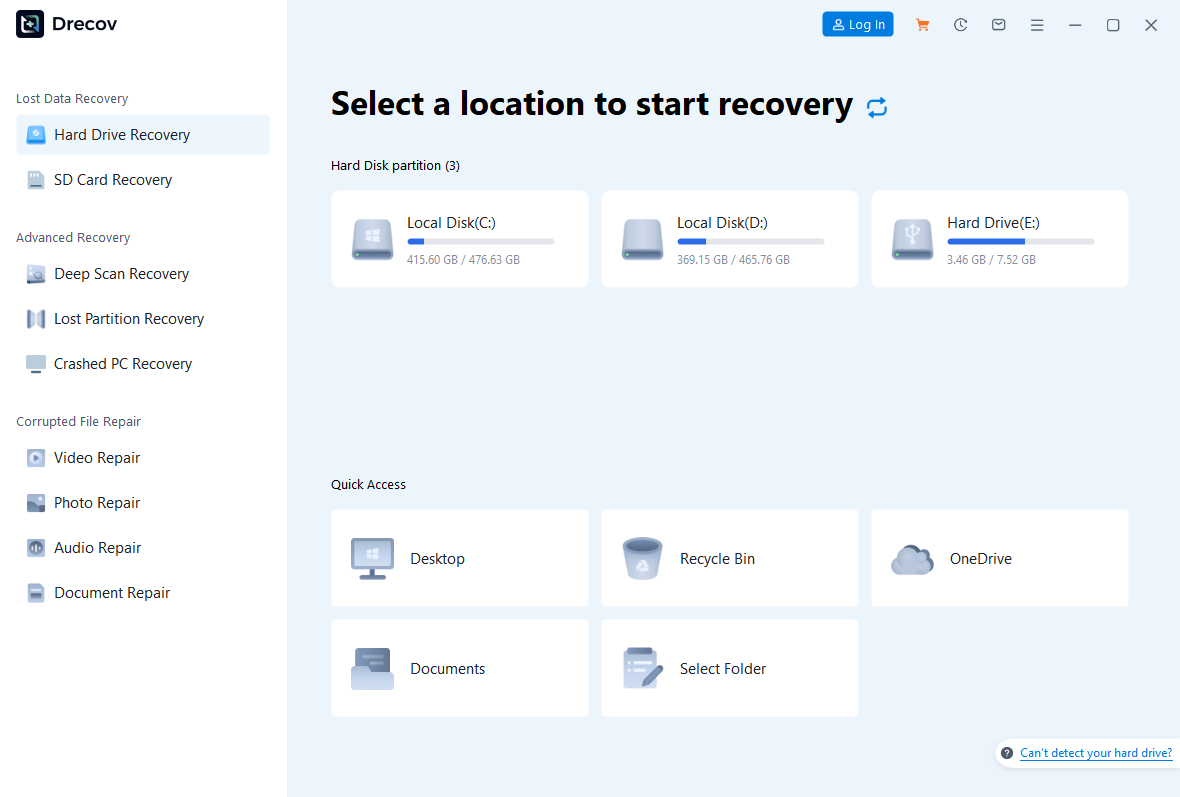
Step 1: Open Drecov and select the original loss location
For disk not readable Mac, keep writes away from the source and prepare another healthy destination. Open Drecov, select the original partition or device, and stop if it disconnects, clicks, changes capacity, or reports severe read errors.
Step 2: Run Quick Scan first
Begin the disk not readable Mac search with Quick Scan, then review former paths and likely categories. Filter by available filename, type, date, size, or location instead of selecting every result.
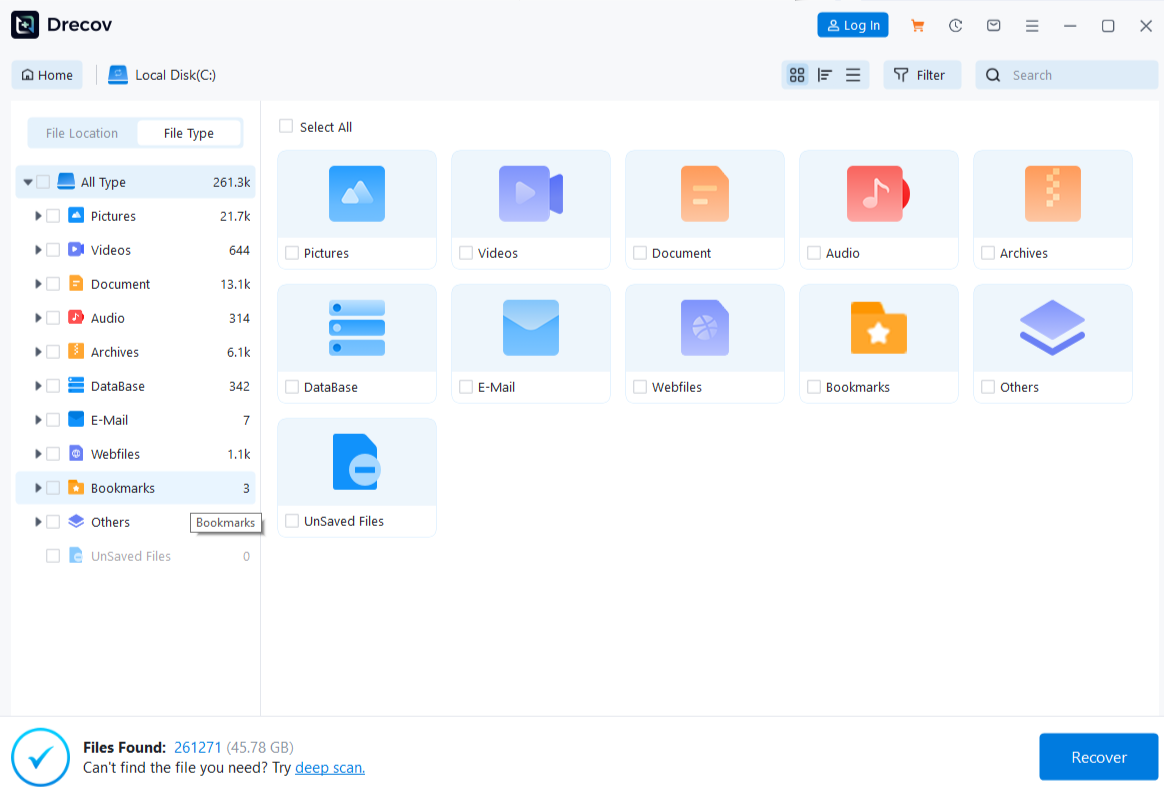
Step 3: Use Deep Scan only when the source is stable
If Quick Scan misses the files connected with disk not readable Mac and the device remains stable, run Deep Scan. A deeper scan cannot restore fully overwritten data.
Step 4: Preview representative results
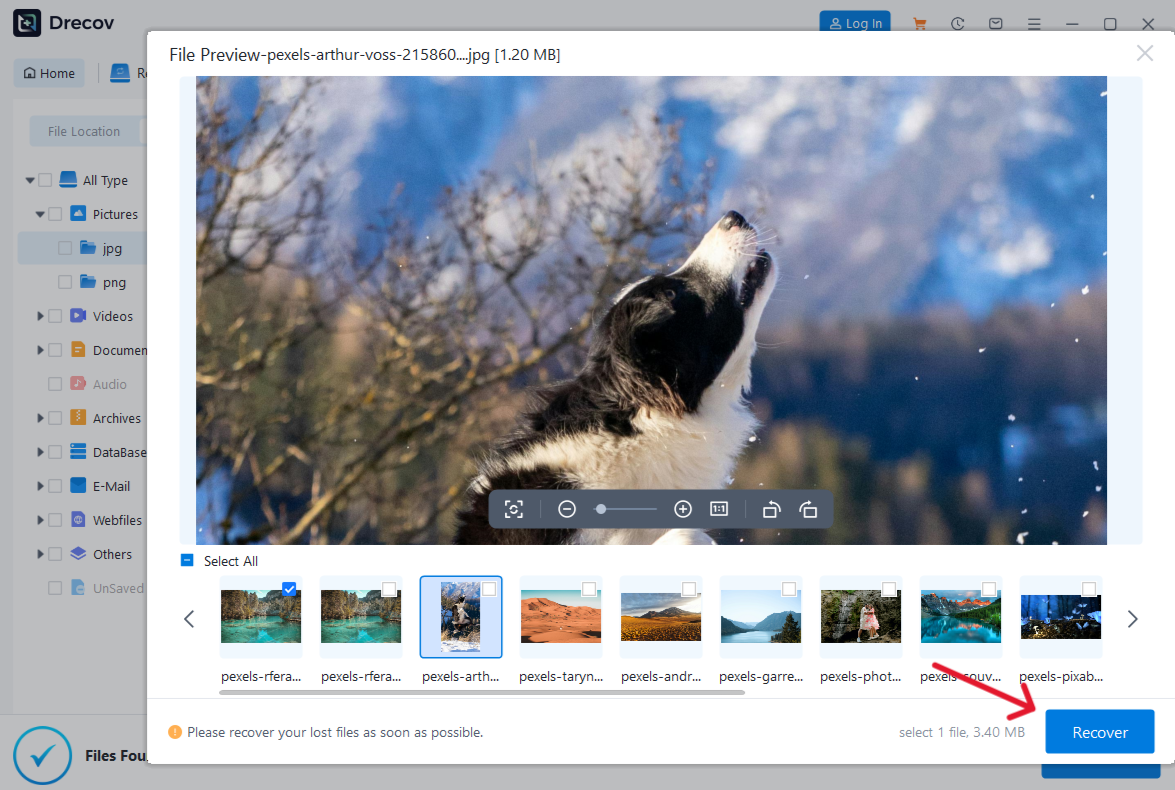
Preview several supported files from the disk not readable Mac results. A readable sample is useful evidence, but it cannot certify every page, frame, archive member, or linked object.
Step 5: Recover elsewhere and verify
Recover the selected disk not readable Mac files to the prepared healthy device, never the source. Check the Drecov folder or Recovery folder if output is not where expected, then open samples before repair, erasure, reinstallation, or further migration.
⚠ Warning: Install it on a drive different from the one where your data was lost to prevent overwriting.
Interpret the disk not readable Mac Result Before Escalating
System Information can show a USB or Thunderbolt device even when no volume mounts. In the disk not readable Mac investigation, capture the exact state before and after this check. Note whether the difference follows the same file, device, account, cable, browser, application, or storage location. That scope decides whether the next action belongs at the local, application, operating-system, or hardware layer.
Windows-only file systems or vendor encryption can appear unreadable without being damaged. Confirm this point with one known-good control instead of relying on memory. Keep resolution, file, port, account, or workload constant where relevant. A controlled comparison produces an answer that can be repeated; a collection of unrelated fixes produces only a temporary change.
Preserve rollback before changing configuration
A changed capacity, repeated disconnect, clicking, or severe read errors indicates instability. Record versions, settings, keys, labels, and source locations before modification. Save readable work to a separate healthy location. If a vendor tool offers export, backup, or log functions, use them before reset, removal, decryption, formatting, or reinstallation.
First Aid modifies file-system structures and should follow data protection when files matter. Treat warnings and status messages as evidence, not permission to proceed blindly. Verify the target by more than its drive letter or display name. Capacity, model, path, account, and current contents provide stronger identification before an operation that can overwrite data.
Test the result under the original conditions
Erase creates a new file system and destroys normal access to the old structure. Repeat the exact task that failed, then test a second representative task. Restart the application or computer when the repaired layer normally persists across sessions. Reconnect removable hardware safely and check that the expected state returns without another manual workaround.
A Windows recovery workflow applies only when the stable device is recognized by Windows. Review logs, status panels, or history after the visible symptom clears. A successful screen can coexist with unresolved read errors, pending synchronization, disabled protection, missing tracks, or an incomplete migration. Do not discard the protected source until those secondary checks also pass.
The boundary for disk not readable Mac matters: adjacent problems may use similar words while requiring different evidence. Keep deletion separate from corruption, recovery separate from repair, playback separate from launch, and cloning separate from backup. That distinction prevents an apparently helpful command from changing the wrong layer.
Document the final state for future changes
Create a brief record for disk not readable Mac containing the working configuration, relevant version, connection path, and verification result. Include the failed state only when it helps reproduce the problem. This record makes a later update easier to assess and prevents the same destructive experiment from being repeated without context.
For disk not readable Mac, keep backups or source copies until the corrected workflow has survived several ordinary uses. If the symptom returns, compare the new event with that baseline before acting. Recurrence under different conditions may indicate a second cause rather than failure of the original correction.
the disk you attached was not readable by this computer FAQs
What should I check first?
Ignore preserves the current state while the device is inspected. Apply that answer to the evidence already gathered for disk not readable Mac, not as a generic shortcut.
What action should I avoid?
Disk Utility device view distinguishes physical device, partition map, and volume visibility. Apply that answer to the evidence already gathered for disk not readable Mac, not as a generic shortcut.
How do I know the fix worked?
Successful mounting should be followed by immediate verified copying and health review. Apply that answer to the evidence already gathered for disk not readable Mac, not as a generic shortcut.
When should I stop DIY work?
For disk not readable Mac, stop when hardware is unstable, the source cannot remain connected, or the next step would overwrite important unprotected data.. Apply that answer to the evidence already gathered for disk not readable Mac, not as a generic shortcut.
Conclusion
Successful mounting should be followed by immediate verified copying and health review. After acting, reproduce the original task and test after restart or reconnection where appropriate. A one-time success is weaker than a result that survives ordinary use. The useful endpoint is a repeatable result, not merely a different screen or a temporarily quiet error. Keep the protected copy and notes until the result has survived normal use.
⚠ Warning: Install it on a drive different from the one where your data was lost to prevent overwriting.






