







Losing important emails can feel like losing pieces of your digital life. One accidental click, an unexpected sync issue, a hacked account, or a mistaken cleanup session can suddenly erase conversations, attachments, business records, invoices, school assignments, or personal memories. Thankfully, the official Gmail message recovery tool exists specifically to help users recover deleted emails and restore access to critical messages.
This complete guide explains how the gmail message recovery tool works, how to achieve successful gmail message recovery, common causes of message loss, advanced recovery techniques, prevention strategies, and what to do if your emails seem permanently deleted.
What Is the Gmail Message Recovery Tool?
The gmail message recovery tool is an official recovery system provided by Google Gmail that helps users restore deleted or missing emails in certain situations. The tool is mainly designed for cases where emails disappeared because of unauthorized account access, accidental deletion, synchronization issues, or technical problems affecting the inbox.
Google explains in its Google Support Documentation that permanently deleted emails usually cannot be restored after they have been removed from the Trash folder for more than 30 days. However, the gmail message recovery tool may still recover messages in limited situations involving recent account compromise or technical failures.
The recovery system works by scanning Google’s backup infrastructure for recoverable copies of recently deleted messages. This process is somewhat similar to searching through a giant digital warehouse filled with temporary backups and synchronized server snapshots. If Google’s systems still retain traces of the deleted messages, the recovery tool may restore them automatically.
Many users misunderstand how Gmail deletion works. When you delete an email normally, Gmail first moves it to the Trash folder rather than erasing it immediately. That Trash folder acts like a waiting room where deleted emails stay temporarily before permanent removal. During this period, restoring deleted messages is extremely easy.
Google’s recovery systems become especially valuable when:
- A hacked account deleted emails
- Messages vanished unexpectedly
- Synchronization apps caused data loss
- Users emptied Trash accidentally
- Large inbox cleanups removed important messages
The gmail message recovery tool gives users one final recovery opportunity before emails disappear permanently from Google’s servers.
Common Reasons Gmail Messages Disappear
Missing Gmail messages can happen for many different reasons. Sometimes users accidentally delete emails during cleanup sessions. Other times the issue comes from account syncing errors, filters, forwarding settings, malware, or unauthorized access.
Accidental Deletion
This remains the most common cause of email loss. Many users bulk-delete messages quickly and accidentally remove important conversations at the same time. Since Gmail groups promotional emails, newsletters, and personal conversations together in search results, mistakes happen easily.
Hacked or Compromised Accounts
Google warns that attackers often delete inbox content after gaining account access. In some cases, hackers empty inboxes, change filters, set forwarding rules, and permanently erase messages. This is why Google’s recovery tool focuses heavily on account security incidents.
POP and IMAP Synchronization Problems
Email applications like Microsoft Outlook, Apple Mail, and Thunderbird sometimes accidentally delete Gmail messages through synchronization conflicts. POP and IMAP settings may cause emails to disappear if configured incorrectly.
Automated Filters and Rules
Gmail filters can automatically archive, delete, or forward incoming messages without users realizing it. A single incorrect filter rule may quietly remove important emails for months.
| Cause | Recovery Chance |
| Accidental deletion | High |
| Hacked account | Moderate to High |
| POP/IMAP sync issue | Moderate |
| Trash emptied recently | Possible |
| Deleted over 30 days ago | Difficult |
Understanding the cause helps determine which recovery method works best for your situation.
How Gmail Stores Deleted Emails
Gmail follows a multi-stage deletion process. When users delete messages, Gmail does not erase them instantly. Instead, emails move through several temporary stages before permanent deletion occurs.
Trash Folder Retention
Deleted Gmail messages remain inside the Trash folder for up to 30 days before automatic permanent removal. Google clearly states this retention policy in its Gmail Help documentation. This 30-day period gives users a safety net to restore accidentally deleted emails easily.
What Happens After 30 Days?
Once emails remain in Trash longer than 30 days, Gmail permanently removes them, messages disappear from standard recovery systems, and recovery becomes much harder. However, the gmail message recovery tool may occasionally restore recently purged emails under limited circumstances involving technical issues or security problems. Think of Gmail deletion like throwing papers into a recycling container scheduled for weekly pickup. Until the truck arrives, recovery remains relatively easy.
Standard Email Restoration Methods
Before using advanced tools, you should always check the most basic recovery locations built directly into your email provider.
Desktop Recovery Steps
- Step 1: Open your web browser and log into your Gmail Inbox.
- Step 2: Look at the left sidebar menu and navigate to the Trash folder (you may need to click “More” to find it).
- Step 3: Browse the list or use the search bar to locate and select the deleted email.
- Step 4: Click the Move to icon at the top toolbar and select Inbox.
Mobile Recovery Steps
- Step 1: Open the official Gmail app on your Android or iPhone device.
- Step 2: Tap the three horizontal lines menu icon in the top left corner.
- Step 3: Open the Trash folder from the menu list.
- Step 4: Tap and hold the message you want to restore to select it.
- Step 5: Tap the three dots icon in the top right corner, select Move, and then choose Inbox.
This recovery process works perfectly, but only during the initial 30-day retention window.
How to Execute a Manual Gmail Message Recovery
When emails are missing from the Trash folder, you must elevate your approach. Follow this structural workflow to execute a manual gmail message recovery operation.
Step 1: Check All Mail, Spam, and Trash Folders
Sometimes emails bypass the inbox due to filters. Type in:anywhere into the Gmail search bar. This command forces Gmail to search through every single hidden directory, including Spam and Trash, ensuring the message isn’t simply misplaced.
Step 2: Review App Passwords and Connected Devices
If external clients are deleting mail, navigate to your Google Account Security settings. Check the “Your devices” list and “Third-party apps with account access.” Revoke access for any outdated clients that might be executing automated IMAP delete commands.
Step 3: Access the Official Google Recovery Interface
If the emails were completely purged from Trash within the last 30 days due to a security incident, navigate to the official Google Gmail Message Recovery Tool page.
Step 4: Confirm Your Account Identity
The tool will automatically display the email address you are currently logged into. Verify that this is the exact account experiencing data loss, then click Continue to authorize the security scan.
Step 5: Review the Post-Scan Diagnostics
Google’s automated infrastructure will analyze your server logs. If the system detects recoverable data, it will push the restored emails back into your inbox. If it fails, you will receive a notification stating that the messages have been permanently deleted from Google’s servers.
Advanced Local Restorations with PandaOffice Drecov Data Recovery Software
Many users do not realize that email data often leaves local traces on their computers. If you use desktop email applications like Microsoft Outlook, Thunderbird, or Apple Mail configured with your Gmail account, your messages, attachments, and cache files are stored directly on your hard drive. When Google server-side options fail, using professional file retrieval utilities is your absolute best alternative.
How Local Email Caching Works
Desktop email clients download local copies of your emails into database files, such as .pst, .ost, .eml, or .mbox files. If your emails were deleted online, your desktop app might sync and delete them locally too, but the underlying data remains physically present on your storage drive until overwritten by new files. This is where PandaOffice Drecov data recovery software becomes incredibly powerful. It scans your local storage sectors to rebuild and rescue these deleted email database files.
⚠ Warning: Install it on a drive different from the one where your data was lost to prevent overwriting.
Step-by-Step Guide to Using PandaOffice Drecov
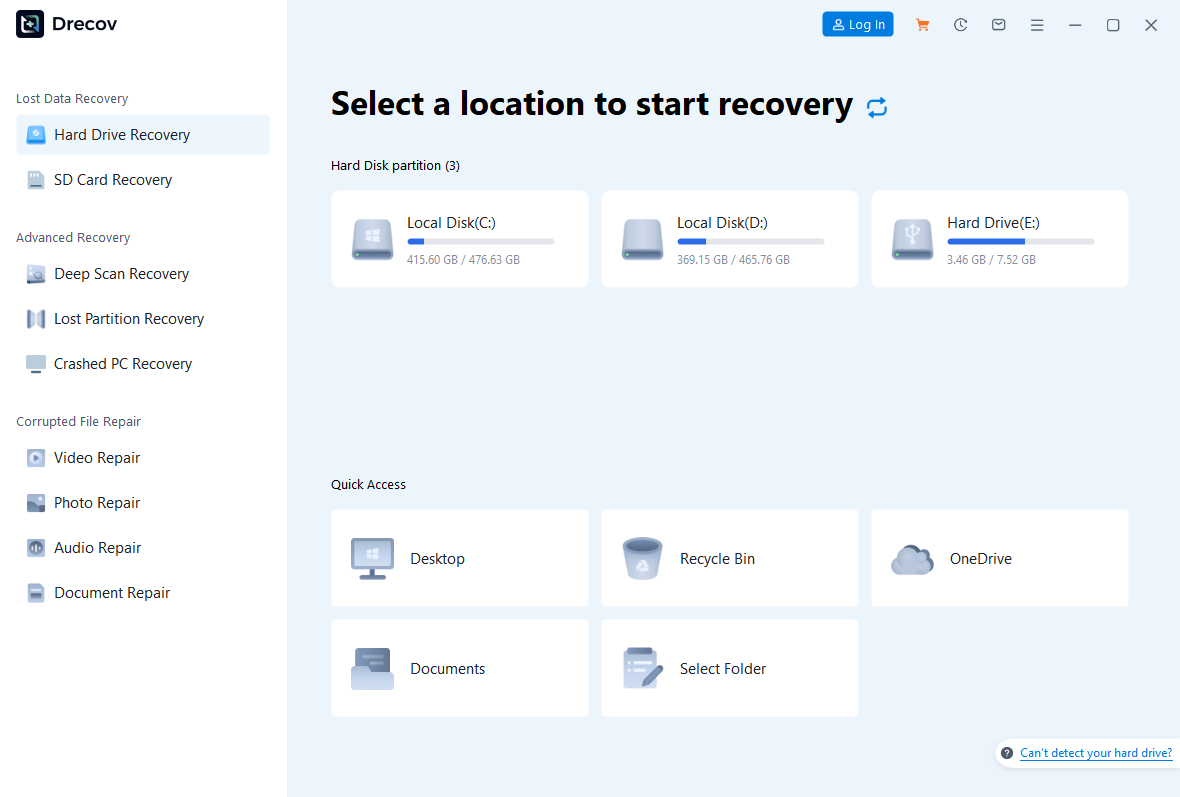
- Step 1: Launch the software and select your target drive Open the program interface. You will see a clean layout listing all connected storage devices. Select the specific local drive or partition where your mail client stored its user profile data (typically the primary local disk
C:for most Windows users).
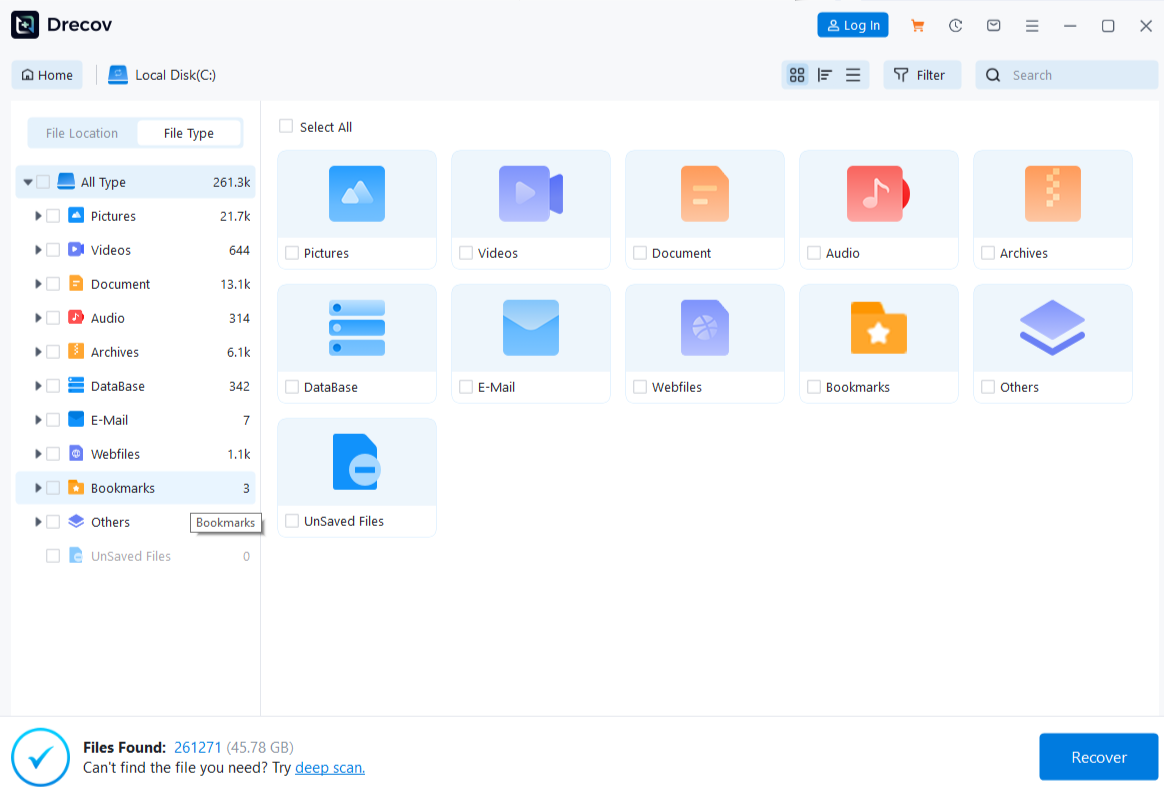
- Step 2: Initiate the deep analysis phase Click the Scan button. The software will perform a rapid initial scan followed automatically by an intensive sector-by-sector deep scan. This comprehensive process uncovers fragmented file remnants, hidden application caches, and deleted mail database structures.
- Step 3: Filter the results for email file extensions Once the scanning process concludes, use the built-in file filter options. Type specific mail extensions like
pst,ost,eml, ormboxinto the search bar to filter out unrelated system files. This allows you to pinpoint your local email archives instantly.
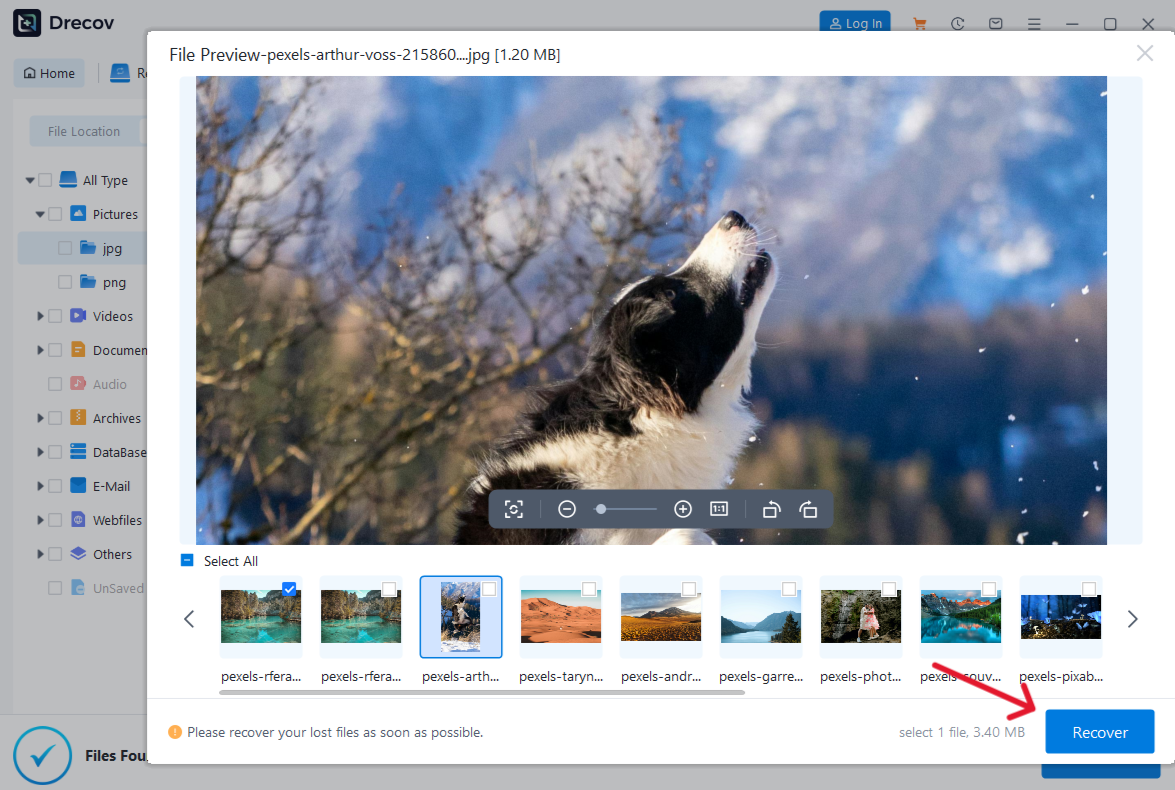
- Step 4: Preview and recover the discovered files Browse through the detected folders. Select the email database files you wish to reclaim. Click the Recover button and choose a secure external storage destination, such as a USB flash drive or external hard drive, to complete the recovery process safely.
⚠️ Critical Warning Prompt: Never save recovered email databases back to the exact same drive partition where they were originally lost. Doing so can cause permanent file corruption and overwrite remaining data blocks, making future recovery completely impossible.
Once you have recovered your .eml or .pst files using the software, you can easily import them back into your desktop email client to read your restored Gmail messages. It is highly recommended to review other important areas of your digital setup to ensure everything runs smoothly:
- For web browser optimization and maintaining your internet research history, learning how to get your Google Chrome bookmarks back can save hours of lost productivity.
- If you frequently work with multimedia sources and need to preserve online references, discovering the modern how to download video from browser Firefox 2026 guide will streamline your local media collection.
- To optimize your computer’s overall operating speed and avoid startup lag after installing heavy software, check out the how to stop Steam from opening on startup complete guide to keep your desktop responsive.
Recover Gmail Emails After Hacking
If you suspect unauthorized account access, securing the account becomes your immediate, absolute priority before trying to use the gmail message recovery tool.
Immediate Security Verification Steps
- Step 1: Change your primary password immediately to a strong, unique phrase.
- Step 2: Enable 2-Step Verification to block unauthorized future logins.
- Step 3: Navigate to Gmail Settings, open the Forwarding and POP/IMAP tab, and remove any unfamiliar email addresses that hackers might have added to steal your incoming mail.
- Step 4: Review your Gmail account activity log by clicking the “Details” link in the bottom right corner of the desktop interface to see unauthorized IP access.
Google strongly recommends enabling two-factor authentication after any recovery attempts to prevent malicious actors from wiping your mailbox a second time.
Checking and Removing Malicious Filters
Hackers often create silent inbox rules to hide their tracks.
- Step 1: Click the Gear icon in Gmail and select See all settings.
- Step 2: Click the Filters and Blocked Addresses tab.
- Step 3: Look for any suspicious rules that say “Delete it” or “Skip the Inbox.”
- Step 4: Click Delete next to any unauthorized filters to stop them from automatically destroying your new emails.
Recover Emails Using Google Workspace Admin
Businesses using Google Workspace enjoy specialized administrative backup advantages that standard personal users cannot access.
The Enterprise Recovery Advantage
Workspace administrators can easily bypass the standard 30-day trash limit. Google notes that admins can restore permanently deleted emails for up to 25 days after the initial 30-day user retention window has expired. This provides enterprise users a combined total safety window of 55 days.
Step-by-Step Workspace Administration Restoration
- Step 1: Log into your corporate account via the Google Admin Console interface.
- Step 2: Navigate directly to the Users directory and locate the affected employee’s account profile.
- Step 3: Click on the specific user’s name to open their account control management panel.
- Step 4: Click the Restore Data button located under the user profile options menu.
- Step 5: Select the exact date range covering the missing emails, choose Gmail as the application data source type, and click Restore.
The missing data will begin injecting itself back into the user’s active mailbox automatically within a few hours.
Third-Party Gmail Recovery and Backup Solutions
When native recovery platforms fall short, enterprise-grade cloud backup platforms offer a dependable fallback mechanism.
Independent Backup Systems
Platforms like Backupify, Spinbackup, and SysTools Gmail Backup do not rely on Google’s live server state. Instead, they continually archive your inbox data directly to independent cloud data centers. If an item is permanently deleted from Google’s live infrastructure, it remains fully intact within your third-party backup vault.
Security and Permissions Warning
Before linking any third-party software utility to your mailbox, verify their data compliance standards. Ensure the platform uses OAuth 2.0 authentication protocols so you never have to share your primary password. Review their encryption keys carefully to guarantee your private business communications remain entirely secure.
Common Gmail Recovery Errors and Obstacles
Even with advanced systems, users frequently run into technical roadblocks while trying to restore missing messages.
The 30-Day Hard Expiration Barrier
The most frequent obstacle is simple timing. If an email is deleted and 30 days pass without action, Google’s automated systems scrub the data blocks from their active production servers. In these situations, the official recovery page will return a definitive “No recoverable data found” message.
Synchronization Loop Contamination
When mobile devices or desktop clients experience connectivity glitches, they can enter a sync error loop. If a local client incorrectly tags an inbox folder as empty, it may push a deletion command to the cloud server, purging your files. [suspicious link removed] regularly highlight instances where outdated IMAP settings caused accidental email wipes during device upgrades.
How to Prevent Gmail Data Loss
Implementing a proactive data preservation strategy is far easier than trying to recover permanently deleted data later.
Transitioning from Deletion to Archiving
Train yourself to use the Archive button instead of the Trash icon. Archiving removes the email from your immediate inbox view but keeps it indexed forever in the “All Mail” directory, ensuring it never triggers the 30-day automatic deletion countdown timer.
Deploying Google Takeout Archives
Google provides a free data export tool called Google Takeout.
- Step 1: Visit the Google Takeout dashboard.
- Step 2: Deselect all options except for Mail.
- Step 3: Choose your preferred archive format (such as
.mbox). - Step 4: Click Create Export to receive a downloadable offline copy of your entire communication history. Running this monthly provides total protection against data loss.
Gmail Recovery for Businesses
For modern enterprises, email retention is not just a convenience—it is a strict legal and operational necessity.
Regulatory Compliance Frameworks
Losing communication histories can result in severe financial penalties if your business operates in highly regulated industries like finance, healthcare, or legal services. Corporations must implement strict retention rules to satisfy electronic discovery requirements during audits or legal proceedings.
Implementing Google Vault
Organizations using Google Workspace Enterprise tiers should deploy Google Vault. This specialized information governance tool allows companies to retain, hold, search, and export user data. Vault keeps archived emails even if an employee completely empties their personal Trash folder, providing total security against internal data tampering or accidental deletion.
FAQs
1. Can permanently deleted Gmail emails be recovered?
Yes, under specific circumstances. If the emails were deleted within the last 30 days, the official gmail message recovery tool can scan server logs to restore them. If you used a desktop mail client, local file recovery tools can also search your hard drive to rebuild lost database cache files.
2. How long do deleted Gmail emails stay in the Trash folder?
Google states that Gmail keeps deleted emails in the Trash folder for exactly 30 days. Once this retention period ends, the system triggers an automatic purge process.
3. What is the official web address for the Gmail recovery system?
The official utility can be accessed directly via the Google Gmail Message Recovery Tool page while logged into your Google account.
4. Can Google Workspace administrators restore user emails after they are cleared from Trash?
Yes. Google Workspace administrators have access to an extended management window. They can restore permanently deleted emails from the Admin Console for up to 25 days after the user’s personal Trash folder has been emptied.
5. Does exporting data via Google Takeout delete your live inbox emails?
No. Google Takeout simply copies your existing database files into an offline archive format. Your live inbox remains completely untouched and operational.
Conclusion
The gmail message recovery tool provides an important safety net for users who accidentally lose valuable emails through deletion, hacking, synchronization problems, or technical issues. While Gmail permanently removes Trash items after 30 days in most cases, recovery remains highly possible during that retention window, and occasionally beyond it through Google’s official recovery systems or local cache scanning solutions.
By understanding how Gmail deletion works, checking Trash folders quickly, deploying the gmail message recovery tool, securing compromised accounts, and maintaining independent offline backups, you can dramatically improve your chances of successfully preserving your missing communications. Prevention remains equally important, especially as email continues serving as a critical hub for business, education, and personal communication.






