







Losing important text messages on your Android device can be frustrating, especially when those messages contain crucial information, personal conversations, or business details. Fortunately, there are several effective ways to retrieve deleted messages on Android. Whether you accidentally deleted them or lost them due to a system error, this comprehensive guide will walk you through proven methods to recover your lost data.
In this article, we will explore different techniques, tools, and preventive measures to help you android how to retrieve deleted messages quickly and efficiently. We will transition from basic settings checks to advanced recovery software solutions, ensuring that even if you lack a technical background, you can navigate the process with ease.
Understanding How Message Deletion Works on Android
Before diving into recovery methods, it’s important to understand how message deletion works. When you delete a message on Android, it isn’t immediately erased from your device’s physical storage. Instead, the Android operating system marks the space occupied by that message as “available” or “unallocated” for new data. This means the message content remains in the SQLite database of your messaging app until it is overwritten by new information, such as a downloaded photo, a new app, or system updates.
This is why acting quickly is critical. To maximize the effectiveness of android how to retrieve deleted messages, you must minimize data activity on your phone. The sooner you attempt recovery, the higher your chances of success. If you continue using the device, the risk of “data overwriting” increases, making the original fragments of your texts unrecoverable even by professional tools.
Method 1: Check Archived Messages and Trash Folders
Sometimes messages are not deleted but simply archived. Many messaging apps, such as Google Messages or Samsung Messages, have an archive feature that hides conversations from the main inbox instead of permanently removing them. Furthermore, modern versions of Android (especially on Samsung devices) often include a “Trash” or “Recycle Bin” within the messaging app that holds deleted items for 30 days.
Steps to Check Archived Messages:
- Step 1: Open your default messaging app (e.g., Google Messages).
- Step 2: Tap the menu icon (usually three horizontal lines or your profile icon in the top right).
- Step 3: Look for “Archived” or “Archived Chats.”
- Step 4: Browse through the list to find your messages. If you find them, long-press the conversation and select the “Unarchive” icon to restore them to your inbox.
Steps to Check the Message Trash (Samsung/Specific UIs):
- Step 1: Open the Messages app.
- Step 2: Tap the three-dot menu and select “Trash” or “Recycle Bin.”
- Step 3: If the deleted messages are there, select them and tap “Restore.”
Method 2: Restore from Google Backup
Android devices often back up data to Google services automatically. If you have enabled Google One backups, your SMS and MMS messages are likely stored in the cloud. However, there is a catch: Google’s restoration process usually requires a factory reset of the device.
Steps to Restore Messages via Google One:
- Step 1: Go to Settings on your phone.
- Step 2: Navigate to Google > Backup (or System > Backup).
- Step 3: Check the “Manage backup” section to see when the last successful backup occurred. Ensure “SMS & MMS messages” is toggled on.
- Step 4: If the backup date is prior to the deletion, you must perform a factory reset (Settings > System > Reset options > Erase all data).
- Step 5: During the initial setup of your phone, sign in to your Google account and choose to restore data from your Google backup.
Important Notes:
- This method will replace your current data with the version from the backup.
- Only messages saved before the deletion event can be restored.
- For more information on managing your Google account data, visit the official Google Account Help page.
Method 3: How to Recover Deleted Texts on Android Without Backup
Many users find themselves in a situation where they haven’t enabled Google Drive sync or a local backup. If you are wondering how to recover deleted texts on Android without backup, you need to look into deep-scanning the phone’s internal memory. Since the database file is still present (just hidden), professional-grade recovery software can bypass the standard user interface to extract these “ghost” files.
When manual methods fail and you don’t have a backup, the most reliable professional solution is using PandaOffice Drecov data recovery software. This tool is specifically designed to perform deep-sector scans on Android partitions to identify and rebuild deleted SQLite database entries. It is highly regarded for its ability to handle android how to retrieve deleted messages tasks when other methods prove insufficient.
⚠ Warning: Install it on a drive different from the one where your data was lost to prevent overwriting.
Why Choose PandaOffice Drecov?
- Deep Scan Technology: It goes beyond simple file searching to find fragmented data.
- Preview Before Recovery: You can read the messages before deciding to restore them.
- Safety: It operates in a “read-only” mode, meaning it won’t damage your existing data.
Detailed Steps to use PandaOffice Drecov:
- Step 1: Connect and Enable Debugging. Connect your Android phone to the computer using a high-quality USB cable. You must enable USB Debugging on your phone. To do this, go to Settings > About Phone > Tap ‘Build Number’ 7 times, then go to Developer Options and toggle on USB Debugging.
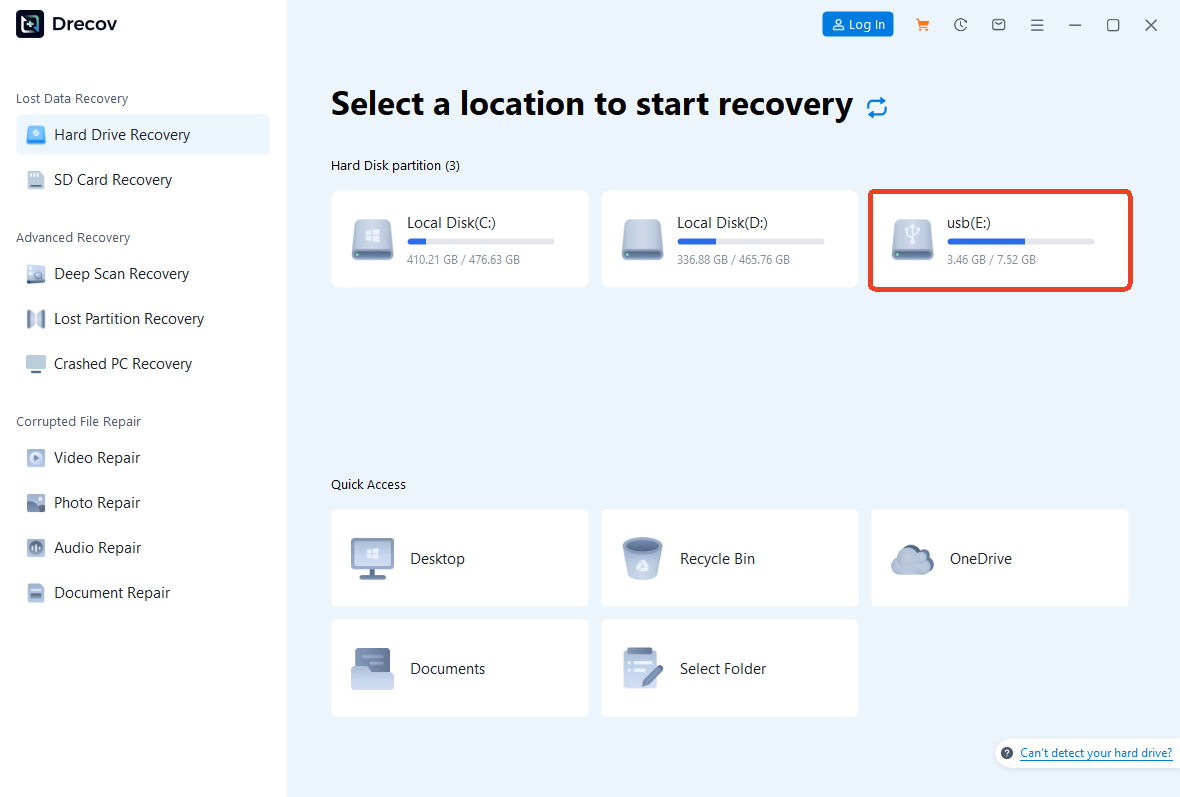
- Step 2: Scan and Preview. The software will analyze your device. This may take several minutes depending on your storage size. Once finished, you can browse through the deleted messages in a organized list.
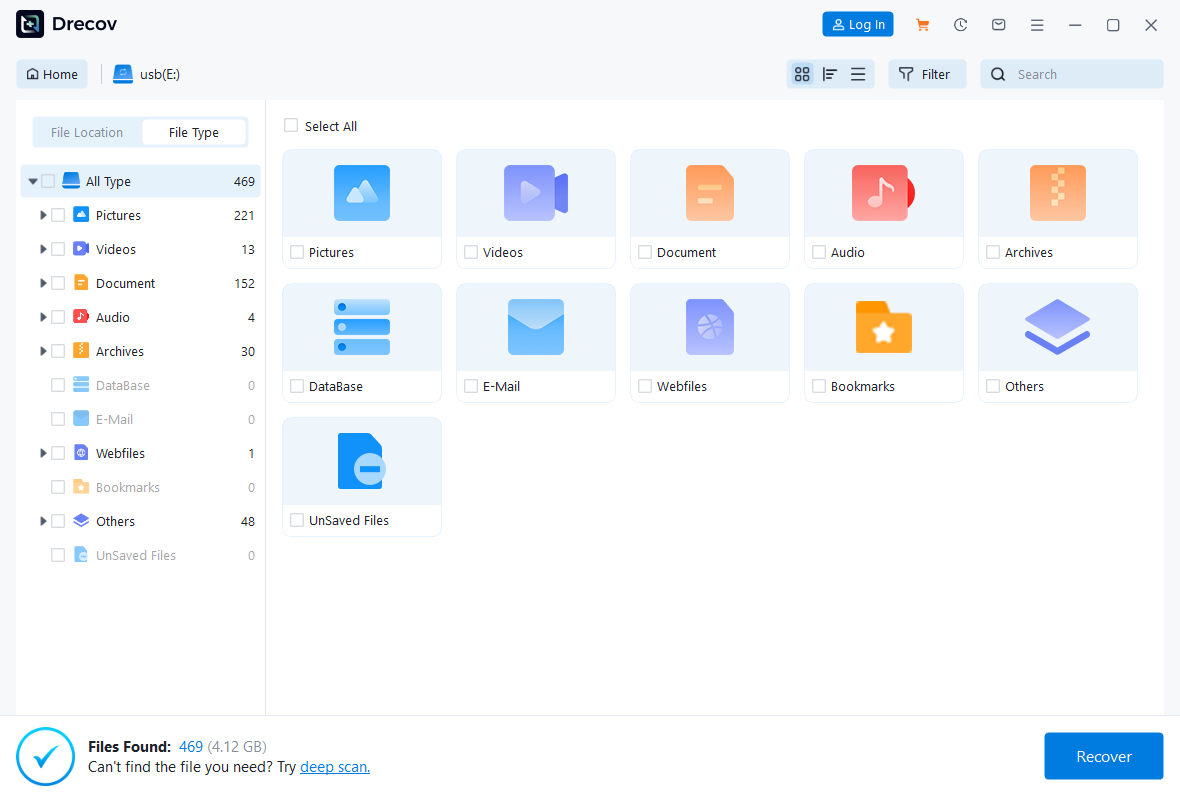
- Step 3: Recover. Select the specific texts you need and click the “Recover” button. Save the recovered file to your computer first to avoid overwriting issues.
Warning Prompt: Always ensure your phone has at least 20% battery before starting the scan to prevent the device from shutting down mid-process, which could lead to data corruption.
Data loss isn’t limited to just text messages. If you are dealing with other types of data recovery or hardware issues, you might find these guides helpful:
- If you also use a Mac and have issues with external drives, see our guide on fixing LaCie hard drives not showing up on Mac.
- For those trying to recover browser data, learn how to find your Firefox bookmarks location.
- If you’re dealing with system-wide errors on a PC, check out how to restore a Windows computer to an earlier date.
Method 4: Check Carrier Services and Cloud Logs
Some mobile carriers store SMS messages temporarily or offer their own proprietary backup services (like Verizon Cloud or T-Mobile’s specialized tools). While carriers often only store metadata (who you texted and when), some may have archives for legal or technical support purposes.
What You Can Do:
- Step 1: Log in to your carrier’s official website using your account credentials.
- Step 2: Check your account dashboard or “Usage” history for message logs.
- Step 3: Contact customer support via phone or live chat. Ask if they have a “Message Recovery” or “Cloud Backup” service that was active on your line.
- Step 4: If you are a business user, check your enterprise console, as many corporate SIM cards have stricter logging policies that might save your texts.
Keep in mind that due to privacy laws, many carriers do not store the content of your messages unless you specifically pay for a cloud backup service. However, it is always worth checking as a last resort.
Method 5: Check Notification History (Android 11 and Above)
If you are using a relatively modern device (Android 11, 12, 13, or 14), your phone might have a built-in “Notification History” feature. If you recently received the message and accidentally swiped it away and deleted the thread, the notification log might still contain the text snippet.
Steps to Access Notification History:
- Step 1: Open the Settings app on your device.
- Step 2: Navigate to Notifications > Notification history.
- Step 3: Toggle the switch to “On” if it isn’t already. If it was already on, scroll down through the list of recently dismissed notifications.
- Step 4: Look for the “Messages” icon. You can often see the full text of incoming messages even if the thread was deleted from the app.
Note: This method is proactive. If the feature was off at the time of deletion, it won’t show past messages.
Method 6: Recover from SIM Card
In the early days of mobile phones, SMS messages were primarily stored on the SIM card. While modern Android devices store messages in the internal /data/ partition, some older SIM cards or specific settings might still save a few texts to the SIM’s limited memory (usually 20-50 messages).
Steps to Check SIM Memory:
- Step 1: Open your Messages app.
- Step 2: Go to Settings > More Settings > SMS.
- Step 3: Look for an option labeled “Manage SIM card messages.”
- Step 4: If any messages appear, you can copy them to your phone’s internal memory.
If you don’t see this option, it’s likely your phone hasn’t used the SIM card for storage in years, which is standard for the vast majority of modern smartphones.
Tips to Increase Recovery Success Rates
To maximize your chances of successfully performing android how to retrieve deleted messages, professional data recovery experts recommend the following strict protocols:
- Enter Airplane Mode Immediately: This prevents the device from receiving new messages, emails, or app updates that could overwrite the deleted data blocks.
- Avoid Rebooting Frequently: While it seems counterintuitive, frequent rebooting can trigger system cache wipes which might include the temporary fragments of your deleted texts.
- Do Not Update Apps: App updates are large and write significant amounts of data to the internal storage, which is the “death knell” for recoverable deleted data.
- Check Other Linked Devices: If you use “Google Messages for Web” or have your messages synced to a tablet, check those devices immediately. Sometimes the sync lag can work in your favor, allowing you to copy the text before the “delete” command propagates to the other screen.
Preventing Message Loss in the Future
Prevention is always better than cure. Once you have navigated the stress of android how to retrieve deleted messages, take these steps to ensure it never happens again:
1. Enable Automatic Google Backups
Go to Settings > Google > Backup and ensure “Backup by Google One” is active. This covers SMS, call logs, and app data. It runs silently in the background whenever your phone is charging and connected to Wi-Fi.
2. Use Third-Party Backup Apps
Apps like SMS Backup & Restore (available on the Google Play Store) are fantastic. They can create scheduled XML backups of your messages and upload them to your email, Dropbox, or Google Drive automatically.
3. Archive Instead of Deleting
Train yourself to use the “Archive” swipe gesture instead of the “Delete” icon. Archiving keeps your inbox clean but preserves the data in a hidden folder that doesn’t expire, providing a safety net for those “just in case” moments.
4. Export Important Conversations
If a text thread contains legal or sentimental value, use the “Share” or “Export” feature to send the transcript to your email or save it as a PDF.
Frequently Asked Questions
1. Can I recover deleted messages without a PC?
While some apps claim to work directly on the phone, they often require “root” access to scan the system partition. Using a PC with software like PandaOffice Drecov is generally safer and more effective because it doesn’t require modifying the phone’s core operating system, which can sometimes void warranties or cause boot loops.
2. Does “Clear Cache” delete my messages?
No, clearing the cache of a messaging app typically only deletes temporary files like image thumbnails. However, selecting “Clear Data” or “Clear Storage” will delete your entire message database. Always be careful in the “Storage” settings menu.
3. Is there a time limit for recovery?
There is no “timer,” but there is a “usage limit.” If you delete a message and then download a 2GB game, the message is likely gone forever because the game data will fill the unallocated space. If the phone sits idle, a message could theoretically be recovered weeks later.
4. Are free recovery apps safe?
Be cautious. Some “free” apps are actually malware designed to steal your contacts. Always use reputable software and check official sources like Android’s official safety guidelines.
Conclusion
Mastering android how to retrieve deleted messages is a balance of speed, the right tools, and a bit of luck. Whether you find your texts hiding in the archive, restore them from a Google cloud backup, or use advanced tools like PandaOffice Drecov data recovery software to dig into the system memory, the possibility of recovery is high if you act before overwriting occurs.
By following the step-by-step methods outlined above—starting from the simplest internal checks to more advanced software solutions—you can navigate data loss with confidence. Remember that the best defense is a good offense: set up those automatic backups today so that a simple accidental tap doesn’t result in a lost memory or a missed business opportunity. For more technical guides and data safety tips, stay tuned to our latest updates in mobile data management.






