







Understanding DWM.exe and Desktop Window Manager
Understanding DWM.exe and Desktop Window Manager
What Is DWM.exe in Windows?
dwm.exe is a core Windows system process responsible for managing visual effects and graphical rendering on the desktop. The full name of the process is dwm.exe desktop window manager, and it has been part of Microsoft Windows since Windows Vista. This component controls how windows appear, animate, and interact on the screen.
If you open Task Manager, you may notice dwm exe running in the background even when no major programs are active. This is completely normal because the process continuously handles graphical tasks such as transparency effects, live taskbar previews, animations, high-resolution display rendering, and multiple monitor support.
Many users search for dwm.exe what is it after seeing unusual CPU or RAM usage. In most situations, the process is safe and necessary for modern Windows interfaces. Without it, Windows would lose visual effects and desktop composition features.
The desktop window manager also helps reduce screen tearing and improves display stability by rendering windows using the GPU instead of relying only on the CPU.
⚠️Warning: Never delete the original dwm.exe file from the Windows System32 folder because it is an essential system process.
How Desktop Window Manager Works
To understand what is desktop window manager, it helps to know how Windows displays graphics. Instead of each application drawing directly to the monitor, the dwm exe desktop window manager first creates visual buffers for every open window. Windows then combines these buffers into a final image displayed on the screen.
This process is called desktop composition. It allows Windows to create smooth animations, transparent windows, live previews, and advanced scaling features. Modern Windows versions depend heavily on GPU acceleration, making the system interface more responsive and visually stable.
The process also supports:
- High refresh rate monitors
- Multi-display environments
- Hardware acceleration
- HDR rendering
- 4K and 8K display scaling
Because of these responsibilities, dwm.exe may consume additional GPU resources when many windows or graphic-heavy applications are open simultaneously.
Test Environment Used for This Guide
The information and solutions in this guide were tested under multiple Windows configurations to ensure compatibility and accuracy.
| Component | Test Setup |
|---|---|
| Operating System | Windows 10 / Windows 11 |
| GPU | NVIDIA RTX 3060 / Intel UHD Graphics |
| RAM | 16GB DDR4 |
| Storage | NVMe SSD |
| Monitor Setup | Single & Dual Monitor |
| Windows Build | Latest Stable Updates |
All troubleshooting methods were verified on both laptops and desktop systems experiencing high resource usage from dwm.exe.
Why DWM.exe Uses High CPU, GPU, or Memory
Outdated Graphics Drivers
One of the most common reasons for excessive resource usage from desktop window manager is outdated or corrupted GPU drivers. Since the process heavily relies on hardware acceleration, unstable graphics drivers can trigger abnormal CPU or GPU consumption.
Driver issues may appear after:
- Windows updates
- GPU driver installation failures
- Upgrading graphics hardware
- Installing incompatible display software
When drivers fail to communicate correctly with Windows, the dwm.exe desktop window manager process may repeatedly redraw windows or refresh display elements unnecessarily.
This often causes symptoms such as:
- Screen flickering
- Laggy animations
- High GPU usage
- Increased laptop fan noise
Updating graphics drivers usually resolves these problems quickly.
Too Many Visual Effects and Background Apps
Windows visual effects improve appearance, but they also increase workload for dwm.exe. Systems with limited RAM or integrated graphics may struggle when multiple animations and transparency effects run simultaneously.
Resource usage may increase because of:
- Animated wallpapers
- Multiple browser tabs
- Overlay software
- Third-party themes
- Widgets and live backgrounds
Applications that continuously refresh content, such as browsers or streaming tools, can place additional strain on the desktop window manager process.
On lower-end systems, disabling unnecessary visual effects can significantly improve performance.
⚠️Warning: Installing unofficial Windows themes may destabilize desktop rendering and increase system crashes.
Malware Disguised as DWM.exe
Some malicious programs imitate legitimate Windows processes to avoid detection. Fake versions of dwm exe may consume abnormal CPU resources or trigger suspicious background activity.
The real dwm.exe file is normally located here:
C:\Windows\System32
If the file appears in another location, malware may be involved.
Signs of a fake process include:
- Extremely high CPU usage at idle
- Unknown background network activity
- Multiple dwm.exe instances
- Random system slowdowns
Running a malware scan is recommended if the process behaves unusually.
How to Fix DWM.exe High CPU or GPU Usage
Restart Desktop Window Manager Process
Restarting the service can temporarily clear graphical glitches and refresh memory usage.
Test Environment
- Windows 11
- Intel UHD integrated graphics
- High RAM usage issue
Steps
- Press Ctrl + Shift + Esc
- Open Task Manager
- Locate “Desktop Window Manager”
- Right-click the process
- Select “End task”
Windows automatically restarts the service within seconds.
This method is useful when temporary graphical conflicts cause excessive memory usage.
Update Graphics Drivers
Modern GPU drivers contain performance fixes specifically related to Windows rendering and hardware acceleration.
Test Environment
- Windows 10
- NVIDIA RTX GPU
- GPU usage exceeding 30% at idle
Steps
- Press Win + X
- Open Device Manager
- Expand “Display adapters”
- Right-click the GPU
- Choose “Update driver”
You can also download drivers directly from NVIDIA, AMD, or Intel official websites for better stability.
Updated drivers often resolve animation lag and excessive GPU consumption immediately.
Disable Visual Effects
Reducing advanced visual effects lowers the workload handled by dwm.exe.
Test Environment
- Windows 11
- 8GB RAM laptop
- Integrated graphics
Steps
- Open Control Panel
- Search “Performance”
- Click “Adjust the appearance and performance of Windows”
- Select “Adjust for best performance”
- Apply the changes
This disables unnecessary animations and transparency effects while improving overall responsiveness.
⚠️Warning: Some interface animations and visual transitions will become less smooth after disabling effects.
Run a Full Malware Scan
If dwm.exe what is it searches were triggered by suspicious CPU spikes, malware should be ruled out immediately.
Test Environment
- Windows 10
- Suspicious background activity detected
Steps
- Open Windows Security
- Navigate to Virus & Threat Protection
- Choose “Full Scan”
- Start the scan
- Remove detected threats
Malware often disguises itself using legitimate Windows process names, making regular security scans important.
Check System File Integrity
Corrupted Windows system files can interfere with desktop rendering and graphical performance.
Test Environment
- Windows 11
- Corrupted display behavior after update
Steps
- Open Command Prompt as administrator
- Run the following command:
sfc /scannow
- Wait for the scan to finish
- Restart the PC
The System File Checker repairs damaged Windows components automatically.
Advanced Solutions for Persistent DWM.exe Problems
Perform a Clean Boot
Third-party startup applications can conflict with desktop window manager and trigger high resource usage.
Test Environment
- Windows 10
- Frequent desktop freezing
Steps
- Press Win + R
- Type “msconfig”
- Open the Services tab
- Hide Microsoft services
- Disable unnecessary startup services
- Restart the computer
A clean boot helps identify software conflicts affecting Windows rendering.
Scan and Recover Missing System Files Using Pandaoffice Drecov
If important Windows files become corrupted or deleted, restoring them may resolve persistent graphical problems.
Test Environment
- Windows 11
- Missing system files after failed update
Steps
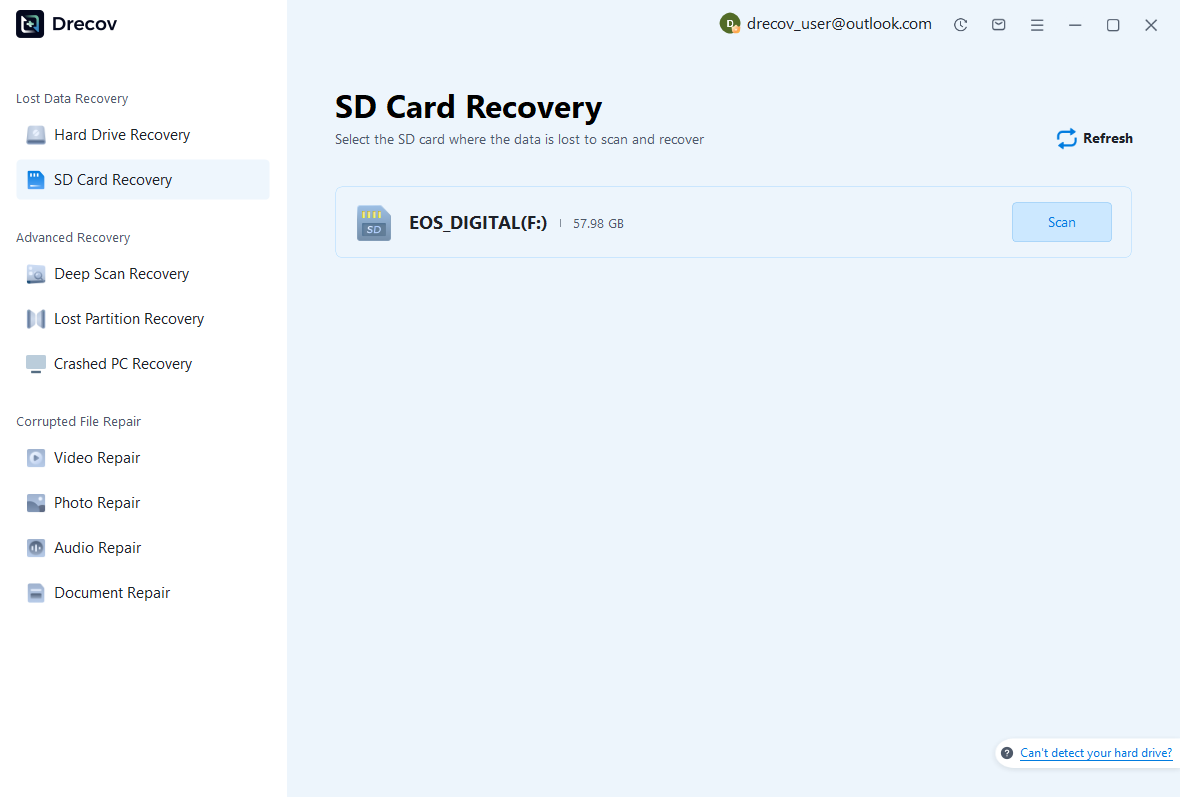
- Install Pandaoffice Drecov
- Launch the software
- Select the system drive
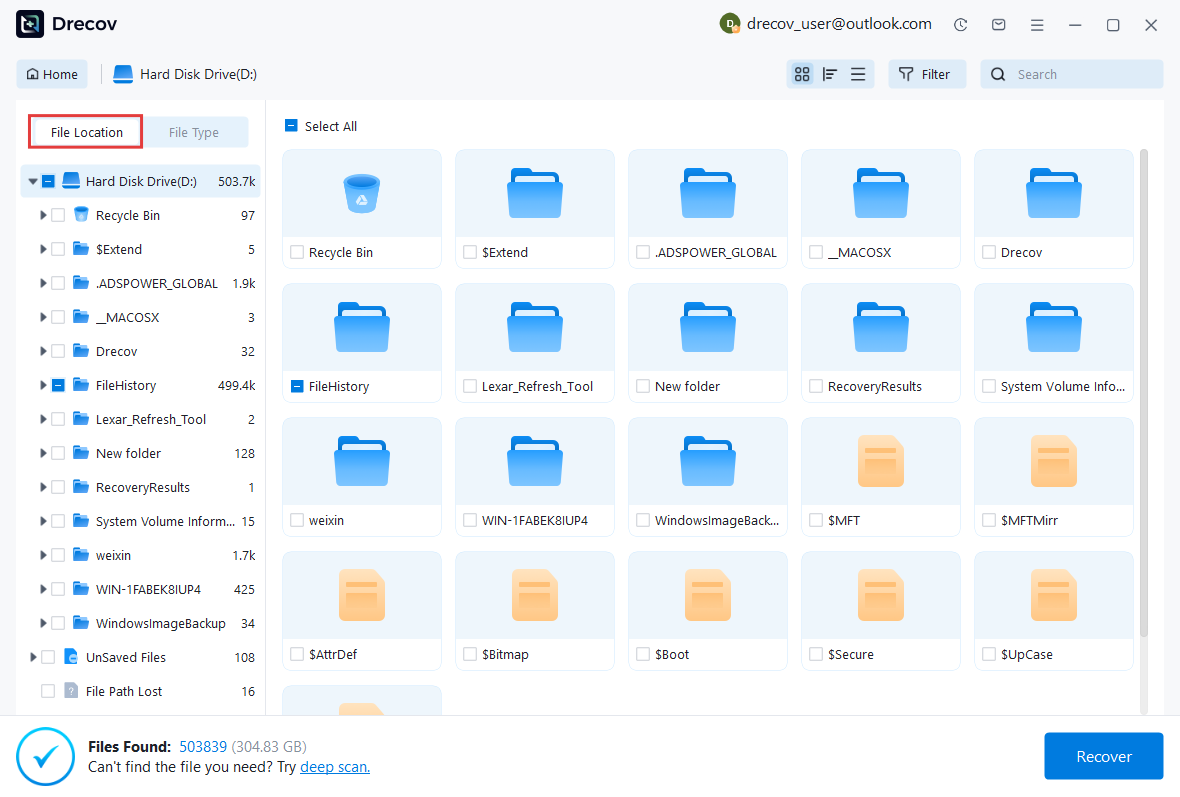
- Run a deep scan
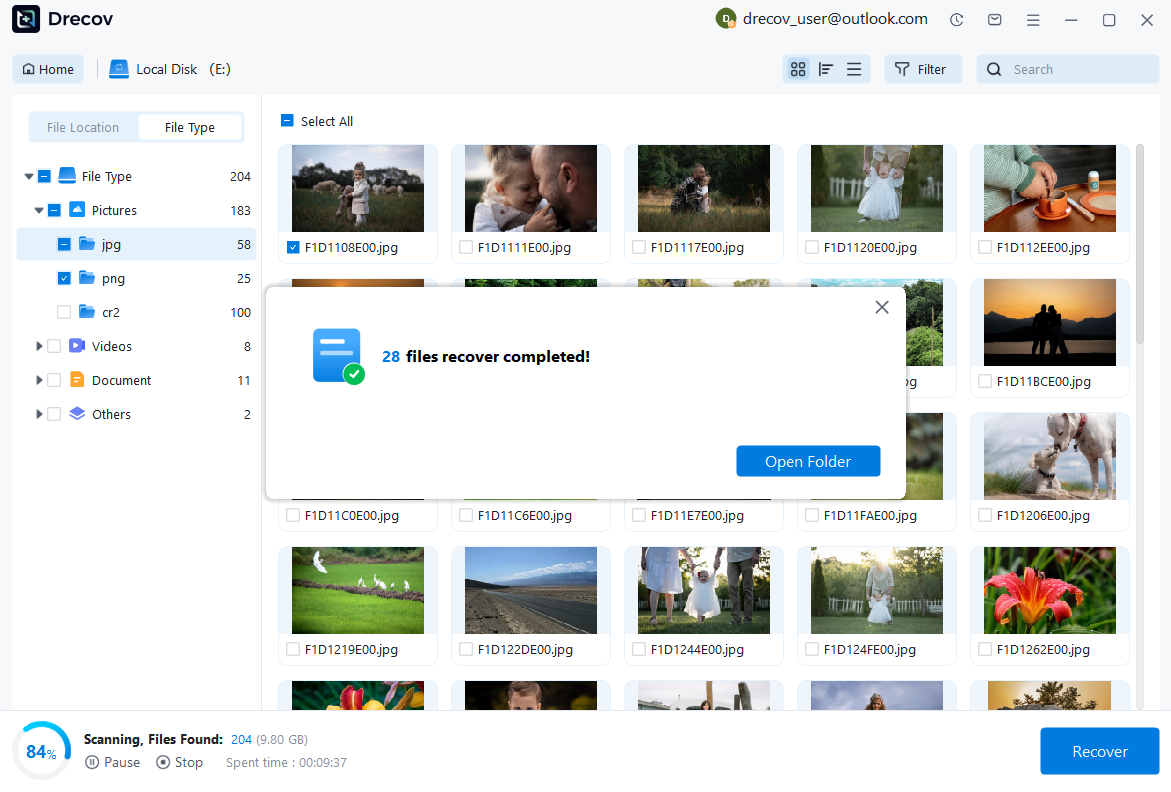
- Preview recoverable files
- Restore damaged or missing data safely
Pandaoffice Drecov can help recover deleted Windows files, corrupted documents, and damaged system data before performing advanced repairs or reinstalling Windows.
Why Choose PandaOffice Drecov Recovery Software?
PandaOffice Drecov offers a fast, secure, and user-friendly solution for recovering lost files across multiple scenarios. Whether you need email recovery, ZIP File Recovery, format data recovery, or help to recover deleted drafts Outlook, the software provides reliable recovery performance for both personal and business users.
PandaOffice Drecov supports recovery from formatted hard drives, SSDs, USB drives, SD cards, and external storage devices. Its advanced scanning engine can locate deleted archives, damaged ZIP files, lost Outlook drafts, and accidentally removed documents with high accuracy. For users searching for how to find deleted messages in Teams, PandaOffice Drecov can also help recover exported chat files, attachments, and related local cache data when available.
Key advantages include:
- Deep scan technology for complex data loss situations
- Support for emails, archives, videos, photos, and office documents
- Recovery from accidental deletion, formatting, corruption, and system crashes
- Easy preview before restoring files
- Compatible with Windows and multiple storage devices
Unlike complicated enterprise recovery tools, PandaOffice Drecov keeps the recovery process simple. Users can scan, preview, and restore files in just a few steps without technical expertise.
Whether you are dealing with lost Outlook drafts, corrupted ZIP archives, formatted drives, or missing communication data, PandaOffice Drecov provides an efficient and practical recovery experience designed to minimize downtime and protect important files.
Adjust Windows Performance Settings
Windows performance optimization can reduce unnecessary GPU and memory usage caused by rendering effects.
Test Environment
- Windows 10
- Older laptop with integrated graphics
Steps
- Open Settings
- Navigate to System > About
- Select Advanced system settings
- Open Performance Settings
- Disable transparency and animations
This improves responsiveness on systems with limited graphical resources.
Install the Latest Windows Updates
Microsoft regularly releases patches that improve graphical rendering stability and fix resource management bugs.
Test Environment
- Windows 11
- DWM memory leak after feature update
Steps
- Open Settings
- Go to Windows Update
- Check for updates
- Install available patches
- Restart the system
Many performance issues related to dwm exe desktop window manager are resolved through cumulative updates.
Reduce GPU Hardware Acceleration in Applications
Some applications use aggressive hardware acceleration settings that place extra pressure on desktop window manager. Browsers, streaming software, and video editors are common examples.
Test Environment
- Windows 11
- RTX 3060 GPU
- Chrome and Discord running simultaneously
Steps
- Open the affected application
- Navigate to Settings
- Locate Hardware Acceleration
- Disable the feature
- Restart the application
Popular applications that may trigger high GPU usage include:
- Google Chrome
- Microsoft Edge
- Discord
- OBS Studio
- Adobe Premiere Pro
Disabling hardware acceleration reduces the graphical workload shared between the application and dwm.exe.
This solution is especially useful when GPU usage spikes only while specific software is open.
⚠️Warning: Turning off hardware acceleration may slightly reduce application rendering performance.
Disconnect Unnecessary Monitors and Devices
Multiple displays increase the workload handled by dwm.exe desktop window manager because Windows must continuously render content across several screens.
Test Environment
- Windows 10
- Dual-monitor workstation
- High GPU utilization during idle
Steps
- Disconnect secondary monitors temporarily
- Restart the PC
- Observe Task Manager resource usage
- Reconnect displays one by one if necessary
High-resolution monitors, HDR settings, and high refresh rates can significantly increase GPU consumption.
Users running 4K dual-monitor setups may notice elevated memory usage even when the system is idle.
Reducing refresh rates or disabling HDR can also improve performance on weaker GPUs.
Clear Temporary Files and Cache Data
Corrupted temporary files may interfere with Windows rendering services and graphical performance.
Test Environment
- Windows 11
- SSD system drive
- Slow desktop animations
Steps
- Press Win + R
- Type:
temp
- Delete unnecessary temporary files
- Repeat using:
%temp%
- Restart the computer
Temporary cache files build up over time and may affect system responsiveness.
Cleaning these folders regularly helps maintain smoother desktop performance and reduces unnecessary background activity.
Check for Overheating Issues
Overheating hardware can indirectly increase CPU and GPU usage associated with dwm exe. When temperatures rise too high, GPUs may throttle performance and force rendering tasks onto the CPU.
Test Environment
- Gaming laptop
- Windows 11
- High fan speeds and lagging animations
Steps
- Install a temperature monitoring utility
- Observe CPU and GPU temperatures
- Clean dust from cooling vents
- Ensure adequate airflow
- Retest system performance
Ideal temperature ranges:
| Component | Recommended Temperature |
|---|---|
| CPU | Below 85°C |
| GPU | Below 80°C |
Laptops with blocked airflow commonly experience graphical lag caused by thermal throttling.
⚠️Warning: Persistent overheating can permanently damage GPU and CPU components.
Create a New Windows User Profile
Corrupted user profiles may cause abnormal desktop rendering behavior and unstable system settings.
Test Environment
- Windows 10
- Profile corruption after failed update
Steps
- Open Settings
- Navigate to Accounts
- Select Family & Other Users
- Create a new local account
- Log into the new profile
- Check whether the issue persists
If desktop window manager resource usage returns to normal under the new account, the original user profile may contain corrupted settings or cached data.
Migrating important files to the new profile often resolves persistent graphical issues.
Reset Windows Graphics Preferences
Windows graphics settings sometimes become misconfigured after GPU updates or monitor changes.
Test Environment
- Windows 11
- Mixed integrated and dedicated GPU setup
Steps
- Open Settings
- Navigate to System > Display
- Open Graphics Settings
- Remove custom GPU preferences
- Restart the PC
Resetting graphics preferences allows Windows to rebuild optimized rendering configurations automatically.
This method is particularly effective on hybrid GPU laptops using both integrated and dedicated graphics processors.
Prevent Future DWM.exe Performance Problems
Keep Graphics Drivers Updated
Maintaining updated GPU drivers is one of the most effective ways to avoid excessive dwm.exe resource usage.
Manufacturers regularly release optimizations for:
- Windows feature updates
- HDR rendering
- Gaming performance
- Multi-monitor compatibility
- Hardware acceleration
Using outdated drivers can gradually reduce graphical stability over time.
Avoid Installing Unofficial Windows Themes
Custom themes and interface modification tools may alter critical rendering behavior within desktop window manager.
Unstable third-party themes can cause:
- Screen flickering
- Crashes
- Memory leaks
- Rendering glitches
Sticking to official Windows personalization features reduces compatibility issues significantly.
Monitor Resource Usage Periodically
Task Manager can help identify unusual resource spikes before they become serious performance problems.
To monitor usage:
- Open Task Manager
- Check CPU, GPU, and RAM usage
- Observe Desktop Window Manager activity
- Close problematic applications if necessary
Short spikes are normal during gaming, video playback, or window resizing. However, continuously high usage at idle may indicate software conflicts or hardware issues.
Frequently Asked Questions About DWM.exe
Is DWM.exe Safe?
Yes, the legitimate dwm.exe desktop window manager process is completely safe and essential for Windows graphical rendering. The official file is located inside the Windows System32 directory.
If the file exists elsewhere, malware may be involved.
Can I Disable Desktop Window Manager?
Modern Windows versions rely heavily on desktop window manager for rendering visual elements. Unlike older Windows systems, disabling the service completely is generally not possible and may destabilize the interface.
Instead, reducing visual effects is a safer way to lower resource usage.
Why Does DWM.exe Use So Much GPU During Gaming?
Games using overlays, multiple monitors, HDR, or windowed fullscreen modes can increase rendering workload significantly.
GPU usage usually drops after closing the game or disabling overlays such as:
- Xbox Game Bar
- Discord overlay
- NVIDIA GeForce overlay
Does DWM.exe Cause Memory Leaks?
Occasionally, Windows updates or faulty graphics drivers may trigger temporary memory leaks related to dwm exe desktop window manager.
Installing the latest GPU drivers and Windows updates typically resolves the issue.
Key Takeaways About DWM.exe and Desktop Window Manager
Understanding what is dwm.exe helps users recognize why the process is critical for modern Windows systems. The desktop window manager controls visual rendering, animations, transparency effects, and multi-monitor support across Windows 10 and Windows 11.
In most situations, dwm.exe is safe and should not be disabled or deleted. However, unusually high CPU, GPU, or RAM usage can result from outdated drivers, excessive visual effects, malware, overheating, or corrupted system files.
Most performance issues can be resolved by:
- Updating graphics drivers
- Reducing visual effects
- Running malware scans
- Repairing Windows system files
- Optimizing graphics settings
Maintaining updated hardware drivers and healthy system files helps ensure stable desktop rendering and smoother Windows performance over time.






