







Encountering the error “Windows 11 installation has failed” can be frustrating, especially when you’re upgrading your system or performing a clean installation. This issue is quite common and can arise due to compatibility problems, corrupted files, insufficient storage, or incorrect system settings. In the rapidly evolving tech landscape of 2026, where system security and hardware requirements are more stringent than ever, understanding the nuances of OS deployment is vital.
In this comprehensive guide, we will walk you through the causes, solutions, and preventive measures to fix the Windows 11 installation has failed error effectively. Whether you’re a beginner or an advanced user, this article will help you resolve the issue, safeguard your data, and successfully install Windows 11.
What Does “Windows 11 Installation Has Failed” Mean?
The error Windows 11 installation has failed usually appears during the upgrade or installation process. It indicates that the setup process was interrupted or unable to complete due to one or more system-related issues. This isn’t just a minor glitch; it often signifies a deeper conflict between the new OS architecture and your existing hardware or software environment.
This error may appear with:
- Specific Error codes (e.g., 0x8007007f, 0xC1900101, 0x800F081F)
- Sudden system restarts that loop back to the previous version
- Installation rollback messages stating, “Undoing changes made to your computer”
Common Causes of Windows 11 Installation Failure
Understanding the root cause is essential to fix the issue properly. Below are the most common reasons why Windows 11 installation has failed:
- Incompatible Hardware: Windows 11 has strict system requirements such as TPM 2.0 and Secure Boot.
- Insufficient Disk Space: At least 64 GB of storage is required for installation, though 100 GB is recommended for stability.
- Outdated Drivers: Old or incompatible drivers, particularly for the motherboard or storage controller, can interrupt the process.
- Corrupted Installation Files: Damaged ISO files or incomplete downloads from Microsoft’s official site can cause failure.
- Third-Party Software Conflicts: Antivirus or other background apps may interfere with the kernel-level changes.
- BIOS Settings Issues: Incorrect BIOS/UEFI configurations can block the installer from recognizing the boot drive.
System Requirements for Windows 11
Before fixing the issue, ensure your system meets the minimum requirements. In 2026, these standards are non-negotiable for a stable experience:
- Processor: 1 GHz or faster with 2+ cores on a compatible 64-bit processor.
- RAM: 4 GB or more (8 GB highly recommended).
- Storage: 64 GB or more.
- TPM: Version 2.0.
- Secure Boot: Enabled.
- Graphics: DirectX 12 compatible with WDDM 2.0 driver.
You can use the PC Health Check tool to verify compatibility. If your hardware meets these but the Windows 11 installation has failed, the issue likely lies in the software or file structure.
How to Fix “Windows 11 Installation Has Failed”
Let’s go through proven solutions step by step. We have organized these from the most basic checks to advanced technical interventions.
1. Check Hardware Compatibility
First, confirm your device supports Windows 11.
- Step 1: Restart your PC and enter the BIOS/UEFI (usually by pressing F2, Del, or F12 during startup).
- Step 2: Navigate to the Security tab and Enable TPM 2.0 (sometimes listed as PTT or fTPM).
- Step 3: Ensure Secure Boot is set to “Enabled.”
- Step 4: Save changes and exit.
2. Free Up Disk Space
Low storage is a major cause of installation failure. Windows needs room to move large temporary files.
- Step 1: Open Settings > System > Storage.
- Step 2: Click on Temporary files and remove unnecessary data.
- Step 3: Use the Disk Cleanup tool (search for
cleanmgrin the Start menu) to wipe System Files. - Step 4: Ensure at least 30 GB of free space specifically on the C: drive.
3. Update All Drivers
Outdated drivers can cause compatibility issues.
- Step 1: Right-click the Start button and select Device Manager.
- Step 2: Expand Disk drives, Display adapters, and Firmware.
- Step 3: Right-click each and select Update driver > Search automatically for drivers.
- Step 4: Restart your PC once all updates are complete.
4. Disable Antivirus Software
Third-party antivirus programs may block installation because they perceive system file modifications as threats.
- Step 1: Locate your antivirus icon in the system tray.
- Step 2: Select Disable/Turn off until the next restart.
- Step 3: Disconnect from the internet to prevent background updates during the setup.
- Step 4: Restart the installation.
How to Recover Files After Windows 11 Installation Failed
One of the most terrifying aspects of an OS failure is data loss. When the Windows 11 installation has failed, it occasionally results in a “RAW” partition or a system that refuses to boot, leaving your photos, documents, and work files in limbo. Knowing how to recover files after windows 11 installation failed is a critical skill for any PC user.
Method 1: Using Windows.old Folder
If the installation failed but you can still boot into your old Windows 10 desktop, your files might be tucked away in a safety net.
- Step 1: Open File Explorer and navigate to
C:\Windows.old. - Step 2: Look for the Users folder and find your username.
- Step 3: Copy your Desktop, Documents, and Pictures back to your current user profile.
Method 2: Using Command Prompt in Recovery Mode
If the PC won’t boot, you can use the Recovery Environment (WinRE).
- Step 1: Boot from a Windows installation USB.
- Step 2: Select Repair your computer > Troubleshoot > Advanced options > Command Prompt.
- Step 3: Type
notepad.exeand press Enter. This opens a “mini” File Explorer via the Open dialog, allowing you to copy files to an external drive.
Lost Files After Windows 11 Failed Update
Sometimes the error occurs during a routine update rather than a fresh install. If you notice lost files after windows 11 failed update, it typically means the file allocation table was corrupted or the user profile was temporarily misplaced.
In many cases, the system creates a temporary profile. Do not save new files to this profile, as they will disappear upon logout. Instead, you must look for your data in the C:\Users\ directory. If the files are nowhere to be found, it is time to move to professional-grade recovery software. Data recovery at this stage requires a tool that can scan the sectors of the hard drive directly, bypassing the corrupted OS logic.
PandaOffice Drecov Data Recovery Software: Your Safety Net
When manual methods fail and your partition becomes inaccessible, PandaOffice Drecov data recovery software is the industry-standard solution. This tool is designed specifically to handle complex scenarios where an OS upgrade has corrupted the file system. It supports deep scanning for over 1,000 file types, including the most obscure media formats used in 2026.
Why Choose PandaOffice Drecov?
Unlike basic recovery tools, PandaOffice Drecov data recovery software features an advanced algorithm that can reconstruct files even if the directory structure was wiped during a failed Windows 11 formatting attempt. It is lightweight, secure, and preserves the original quality of your data.
⚠ Warning: Install it on a drive different from the one where your data was lost to prevent overwriting.
Step-by-Step Recovery with PandaOffice Drecov
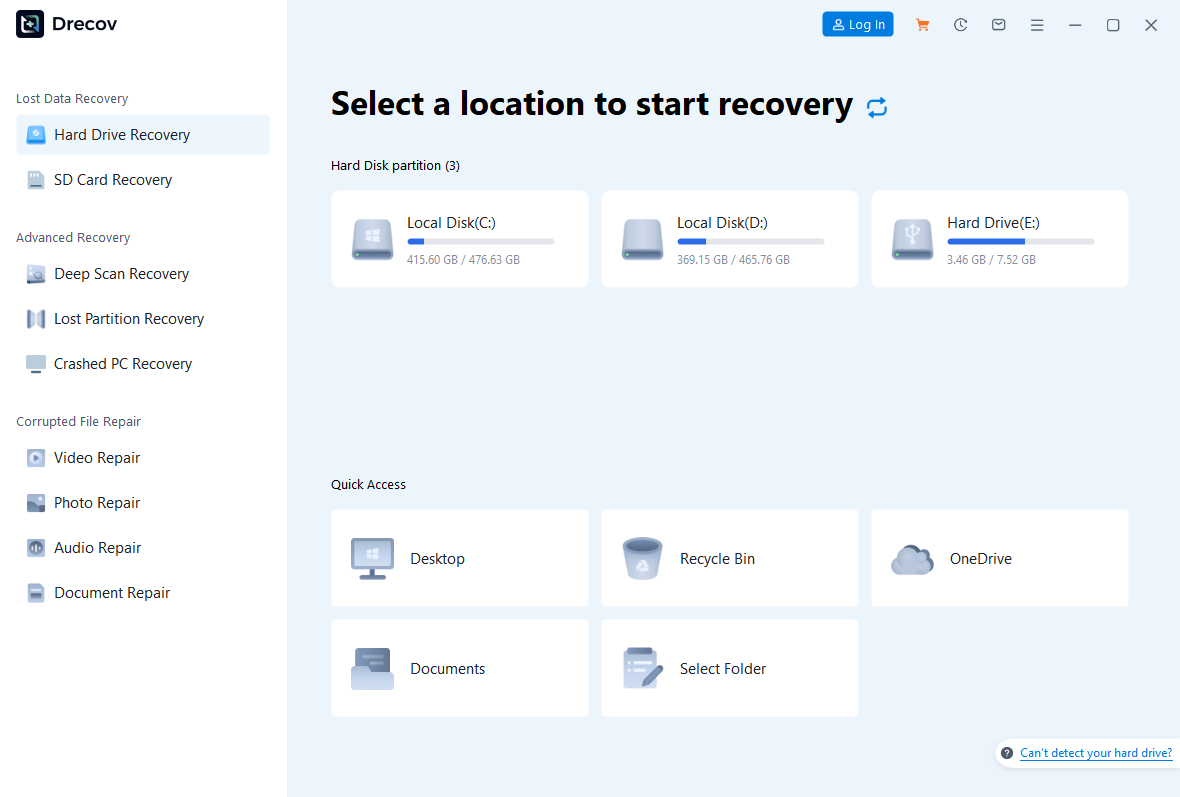
- Step 1: Select the Target Location. Launch the program. On the main interface, you will see a list of drives. Select the C: drive (or the drive where your Windows 11 installation was attempted). Click the Scan button to begin the process.
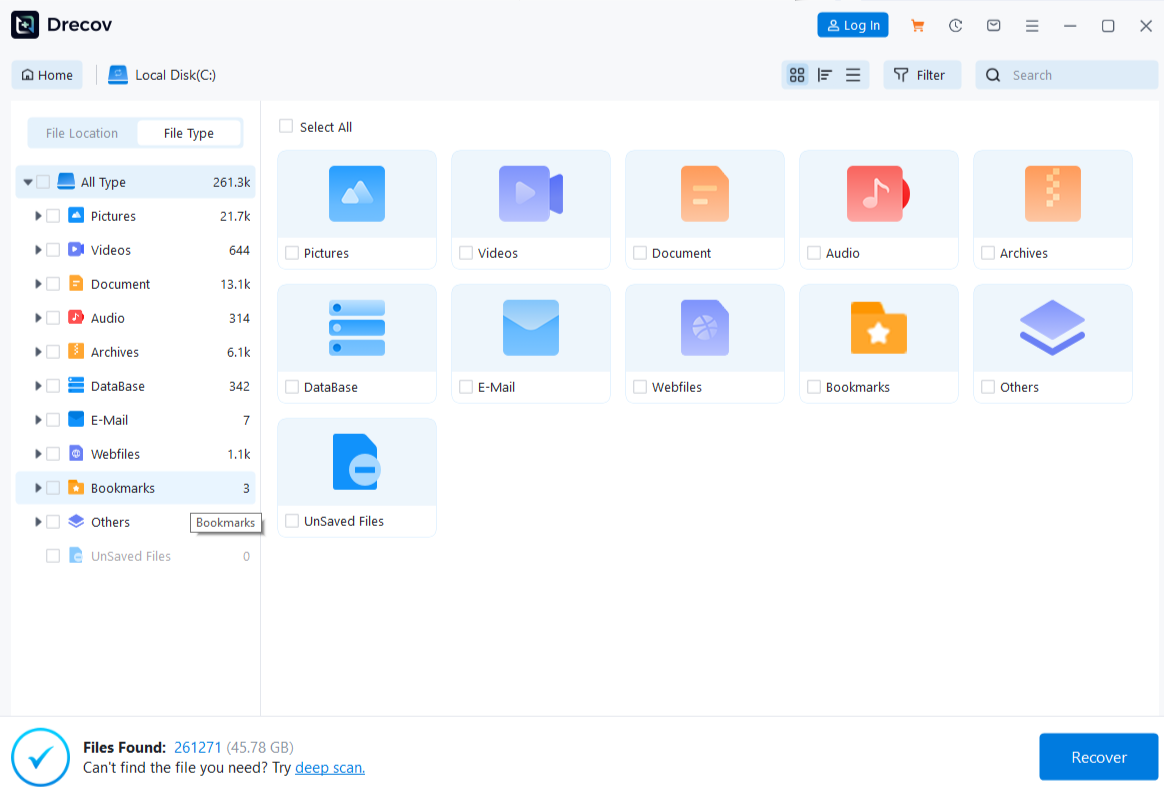
- Step 2: Deep Scanning and Previewing. The software will first perform a Quick Scan, followed by a Deep Scan. While the scan is running, you can use the filter sidebar to search for specific file types (e.g., .docx, .jpg, .pdf). One of the best features of PandaOffice Drecov is the Preview function. You can click on a file to see its content before committing to the recovery.
- Step 3: Execute Recovery. Select the checkboxes next to the files you need. Click the Recover button. A prompt will ask you where to save the files. Always choose an external hard drive or cloud storage to ensure the recovered data is safe.
After you have successfully navigated the recovery process, you might find these additional guides helpful for maintaining your system and managing your media:
- How to download video from browser (Firefox 2026 Guide)
- How to repair USB drive and recover data step-by-step
- How to delete recently closed tabs in seconds
Advanced Fixes for Persistent Errors
If the issue Windows 11 installation has failed still exists after basic troubleshooting, you may need to dig deeper into the system’s core.
1. Run Windows Update Troubleshooter
If you’re upgrading via the built-in update tool, Windows might be “stuck” on a specific update database error.
- Step 1: Go to Settings > System > Troubleshoot.
- Step 2: Select Other troubleshooters.
- Step 3: Locate Windows Update and click Run.
- Step 4: Follow the on-screen prompts to reset the update cache.
2. Check for System File Corruption (SFC & DISM)
Corrupted system files are a primary reason why a Windows 11 installation has failed.
- Step 1: Search for CMD, right-click it, and Run as Administrator.
- Step 2: Type
sfc /scannowand hit Enter. Wait for the process to reach 100%. - Step 3: Once done, type the following command to repair the system image:
DISM /Online /Cleanup-Image /RestoreHealth - Step 4: Restart your computer and try the installation again.
3. Perform a Clean Boot
Background services from software like Steam, Adobe, or peripheral managers can interfere.
- Step 1: Press Win + R, type
msconfig, and press Enter. - Step 2: Go to the Services tab, check Hide all Microsoft services, and then click Disable all.
- Step 4: Go to the Startup tab, open Task Manager, and disable all startup items.
- Step 5: Restart and attempt the Windows 11 setup.
Manual Installation: The Ultimate Fix
If the “Installation Assistant” continues to report that the Windows 11 installation has failed, the most reliable method is a Clean Install using a USB bootable media. This bypasses the errors associated with your old operating system’s registry and file conflicts.
- Step 1: Use the Windows 11 Media Creation Tool to create a bootable USB (minimum 8 GB).
- Step 2: Back up all data using PandaOffice Drecov as a precaution.
- Step 3: Boot from the USB by changing the boot order in BIOS.
- Step 4: When asked “Which type of installation do you want?”, choose Custom: Install Windows only (advanced).
- Step 5: Delete the existing partitions on your primary drive and select the “Unallocated Space” to install.
How to Prevent Windows 11 Installation Failure
Prevention is always better than troubleshooting. To ensure you never see the Windows 11 installation has failed message again, follow these best practices:
- Maintain System Health: Regularly run the
chkdskcommand to ensure your hard drive doesn’t have bad sectors. - Keep Windows 10 Updated: Before leaping to Windows 11, ensure your current Windows 10 is on the very latest build. Many upgrade paths require specific “bridge” updates.
- Use Official Tools Only: Never download Windows ISOs from third-party torrent sites or “pre-activated” versions. These often contain modified files that trigger security failures during setup.
- Check BIOS Version: Manufacturers frequently release BIOS updates specifically to improve “Windows 11 Compatibility.” Check your motherboard manufacturer’s website (e.g., ASUS, MSI, Gigabyte) for the latest firmware.
Benefits of Successfully Installing Windows 11
Once you fix the Windows 11 installation has failed issue, you can enjoy a host of modern features designed for the 2026 workspace:
- Improved Performance: Better memory management and “Snap Layouts” for multitasking.
- Modern User Interface: A centered taskbar and sleek translucent “Mica” effects.
- Enhanced Security: Mandatory TPM 2.0 and Virtualization-Based Security (VBS) protect against modern malware.
- Better Gaming Support: Features like Auto HDR and DirectStorage (which requires an NVMe SSD) drastically reduce load times.
Windows 11 Installation has Failed FAQs
1. Why does Windows 11 installation keep failing at 35% or 85%?
Stalling at specific percentages usually indicates a driver conflict or a specific corrupted file in the update cache. Disconnecting unnecessary USB peripherals often fixes this.
2. Can I install Windows 11 without TPM 2.0?
While there are registry hacks to bypass this, Microsoft does not recommend it. Systems without TPM 2.0 may not receive critical security updates in 2026, making them vulnerable.
3. How long does Windows 11 installation take?
On a modern NVMe SSD, it typically takes 15 to 30 minutes. On older HDDs, it can take over 2 hours. If it hasn’t moved for 4 hours, the installation has likely failed.
4. Will I lose my data during installation?
The “Upgrade” option is designed to keep your files. However, because the Windows 11 installation has failed error can occur unexpectedly, always have a recovery tool like PandaOffice Drecov ready.
Conclusion
The error Windows 11 installation has failed can be annoying, but it is usually fixable with the right approach. Whether the culprit is a hardware limitation, a messy registry, or corrupted installation media, the solutions provided in this guide cover the full spectrum of possibilities.
By identifying the root cause and applying the solutions outlined, you can successfully install Windows 11 without hassle. Remember, the safety of your data is paramount. Always perform a backup before major system changes, and if you find yourself facing lost files after windows 11 failed update, rely on PandaOffice Drecov data recovery software to bring your digital life back to order. Take your time, follow the instructions carefully, and your system will be up and running on Windows 11 in no time.






