







Run a disk speed test safely, distinguish sequential and random results, control cache and USB limits, and stop when a drive is unstable. Choose a read or write test, control the connection and workload, interpret sequential and random results, and protect data on unstable drives. Begin with healthy empty destination, preserve irreplaceable local data, and change one condition at a time so the result remains meaningful.
Decide What Performance Question You Are Testing
A disk speed test can measure sequential throughput, random access, write behavior, or latency. Those results answer different questions. A large sequential transfer resembles video copying; small random operations better reflect scattered application work. One headline number cannot describe every workload. drive safety before repair The fact behind healthy empty destination is documented in the official source for this topic.
| Evidence | Meaning | Next decision |
|---|---|---|
| Healthy empty destination | Write test is acceptable | Use a disposable test file |
| Only copy of important data | Writes add unnecessary risk | Use backup and limited read checks |
| Drive disconnects | Connection or hardware instability | Stop benchmarking |
| USB SSD is slower than expected | Port, cable, bridge, or protocol limit | Confirm negotiated path |
| First run is much faster | Cache effect | Repeat after controlled cooldown |
| Results vary during background work | Competing I/O | Use an idle controlled system |
Evidence-Based Diagnostic Walkthrough
Each observation below narrows one decision for healthy empty destination. Retest the original symptom after the matching action before escalating, with healthy empty destination used as the comparison point.
Healthy empty destination
Read this result in context: write test is acceptable. Use a disposable test file and record the new timing, message, or detection state. For healthy empty destination, preserve readable data before any test that writes, removes access, changes boot behavior, or places sustained load on the device.
Only copy of important data
Treat this observation as a branch: writes add unnecessary risk. Use backup and limited read checks and record the new timing, message, or detection state. For only copy of important data, preserve readable data before any test that writes, removes access, changes boot behavior, or places sustained load on the device.
Drive disconnects
Use this evidence to narrow the cause: connection or hardware instability. Stop benchmarking and record the new timing, message, or detection state. For drive disconnects, preserve readable data before any test that writes, removes access, changes boot behavior, or places sustained load on the device.
USB SSD is slower than expected
Let this finding limit the next action: port, cable, bridge, or protocol limit. Confirm negotiated path and record the new timing, message, or detection state. For usb ssd is slower than expected, preserve readable data before any test that writes, removes access, changes boot behavior, or places sustained load on the device.
First run is much faster
Connect this symptom to the safest test: cache effect. Repeat after controlled cooldown and record the new timing, message, or detection state. For first run is much faster, preserve readable data before any test that writes, removes access, changes boot behavior, or places sustained load on the device.
Results vary during background work
Interpret this state before changing anything: competing I/O. Use an idle controlled system and record the new timing, message, or detection state. For results vary during background work, preserve readable data before any test that writes, removes access, changes boot behavior, or places sustained load on the device.
Do Not Benchmark a Drive That Is Already Failing
Back up important files before write-heavy tests. If the disk clicks, freezes the PC, vanishes, reports severe read errors, or changes capacity, a benchmark is the wrong workload. Stabilize, image, or seek professional recovery instead. separate destination Define success for do not benchmark a drive that is already failing and identify the condition that ends DIY work. A changed message alone does not prove the underlying device, file, application, or Windows installation is healthy, with healthy empty destination used as the comparison point.
Recover Files Before Testing an Unstable Data Disk
When slowness accompanies missing or inaccessible files on stable recognized storage, recovery takes priority over performance scoring. For this healthy empty destination situation, PandaOffice Drecov provides a read-only Windows recovery workflow with Quick Scan, Deep Scan, filters, supported-file preview, Lost Partition Recovery, and a selectable healthy destination. It cannot repair hardware or recreate overwritten data.
⚠ Warning: Install it on a drive different from the one where your data was lost to prevent overwriting.
Step 1: Prepare With the Original Loss Location
Open PandaOffice Drecov from healthy Windows and select the original stable disk or a controlled image of the affected storage. Install and run the software away from the partition that lost data, with healthy empty destination used as the comparison point. A source showing first run is much faster or severe instability should be imaged or referred to a professional instead of scanned repeatedly.
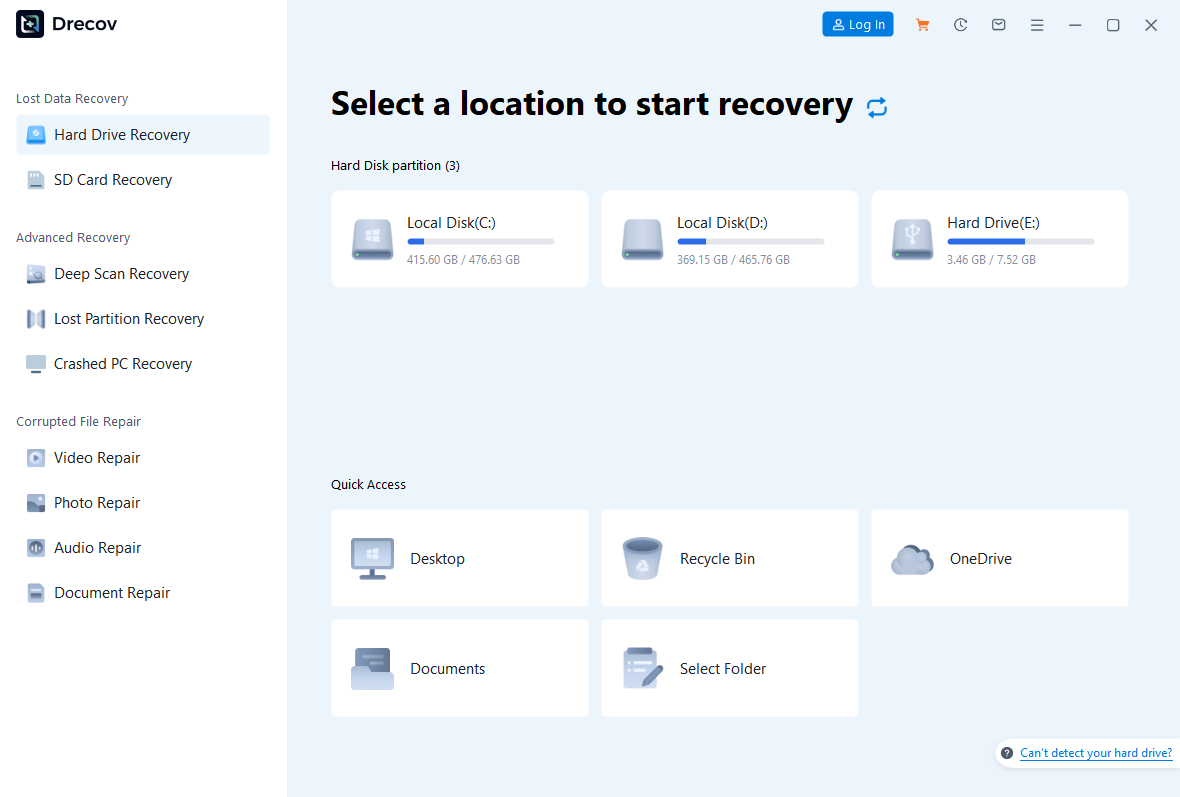
Step 2: Scan From Quick Scan to Deep Scan
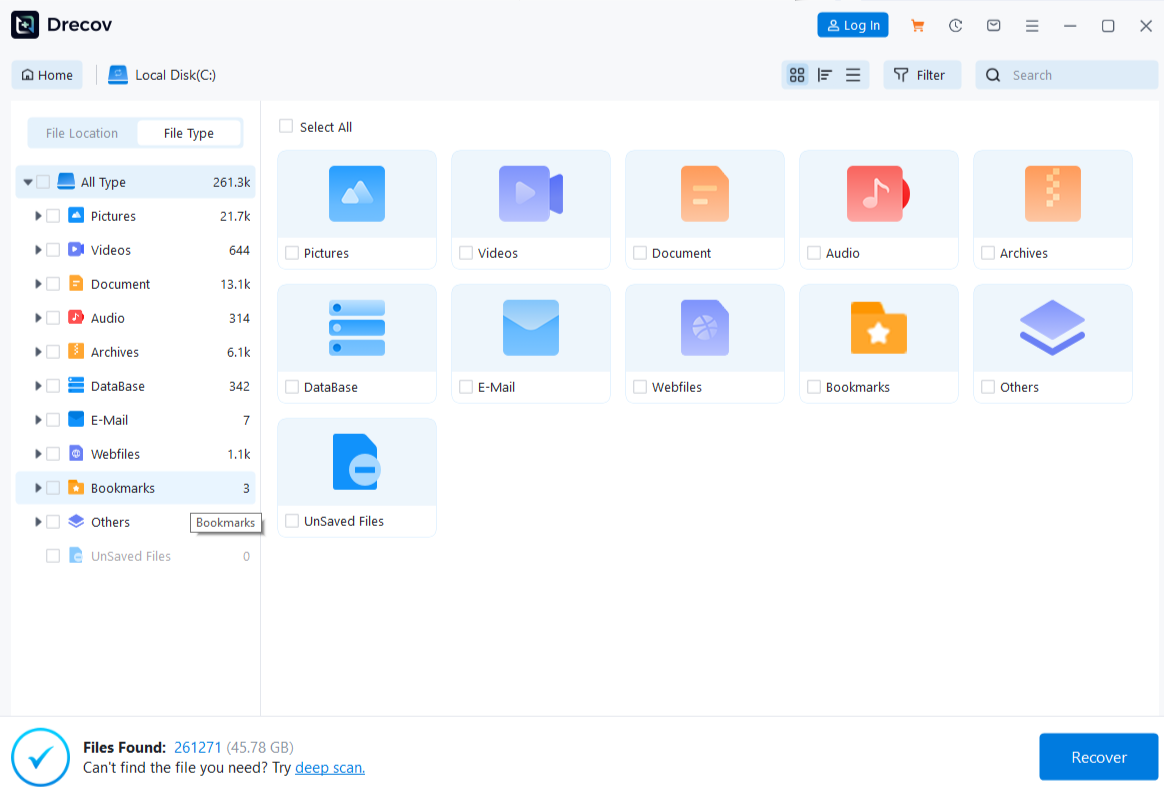
Use Quick Scan for recent deletion or a newly missing path. Continue to Deep Scan only if drive disconnects leaves required data absent and the device stays stable. Choose Lost Partition Recovery when a partition entry vanished; do not create a replacement volume first, with healthy empty destination used as the comparison point. Locate critical folders first by path, type, name, and date instead of scanning only to obtain a benchmark.
Step 3: Review With Preview and a Separate Destination
Preview files that represent the important result set, including the types central to this topic, with healthy empty destination used as the comparison point. Save the selection to another healthy physical device rather than the source, with healthy empty destination used as the comparison point.
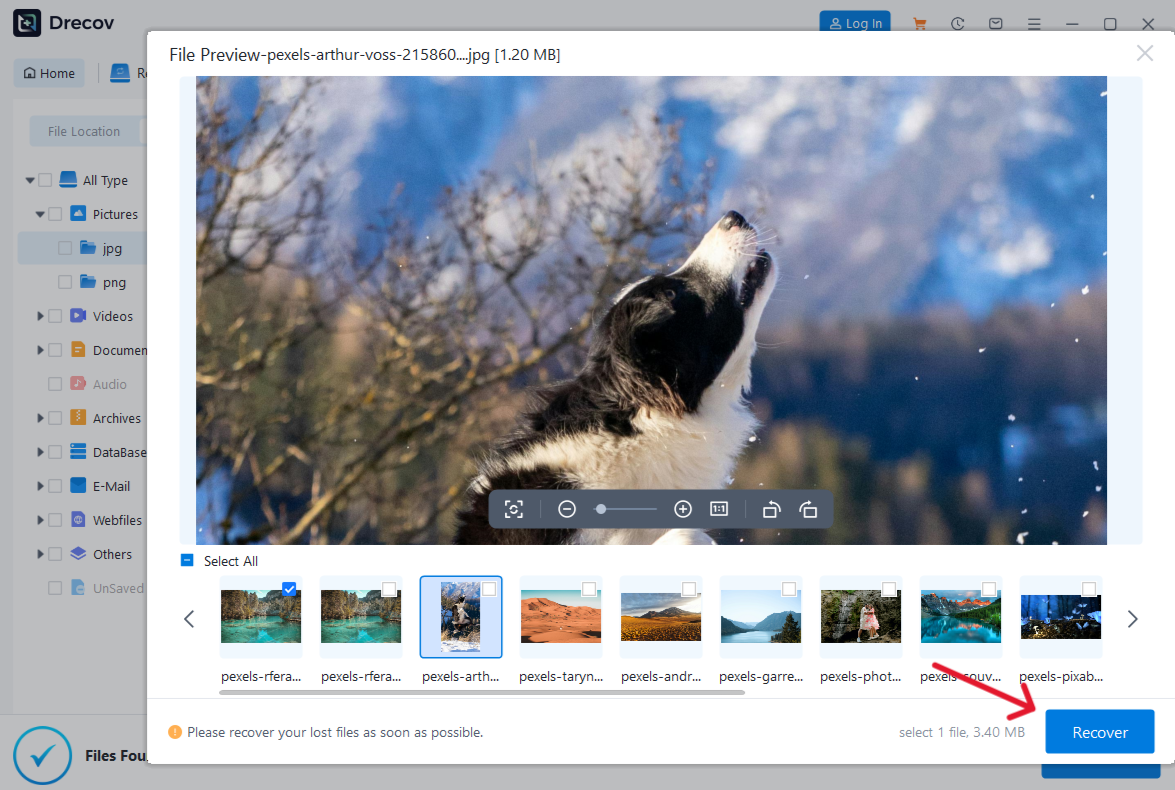
When original paths cannot be reconstructed, review the Drecov folder or Recovery folder, with healthy empty destination used as the comparison point. Open recovered files and compare checksums where available before any write test.
Run a Controlled and Repeatable Test
Record the Hardware Path
Note drive model, capacity, file system, free space, USB port, cable, enclosure, controller, power mode, and temperature context. Before record the hardware path, note the starting condition and expected result. If that specific method leaves the symptom unchanged, avoid repeating it and use the new evidence to select a narrower branch, with healthy empty destination used as the comparison point. Keep a log or harmless test item for record the hardware path so the outcome can be compared after restart.
Choose Read Before Write When Data Matters
A read test reduces modification but still stresses the device. Write tests must use disposable space on a healthy backed-up disk. Before choose read before write when data matters, note the starting condition and expected result. If that specific method leaves the symptom unchanged, avoid repeating it and use the new evidence to select a narrower branch, with healthy empty destination used as the comparison point. Keep a log or harmless test item for choose read before write when data matters so the outcome can be compared after restart.
Separate Sequential and Random Workloads
Compare like with like and keep block size, queue depth, test size, and tool version consistent. Do not compare unrelated presets. Before separate sequential and random workloads, note the starting condition and expected result. If that specific method leaves the symptom unchanged, avoid repeating it and use the new evidence to select a narrower branch, with healthy empty destination used as the comparison point. Keep a log or harmless test item for separate sequential and random workloads so the outcome can be compared after restart.
Reduce Cache and Background Noise
Pause synchronization, updates, indexing, and large application work. Use a test size that does not merely fit in cache. Before reduce cache and background noise, note the starting condition and expected result. If that specific method leaves the symptom unchanged, avoid repeating it and use the new evidence to select a narrower branch, with healthy empty destination used as the comparison point. Keep a log or harmless test item for reduce cache and background noise so the outcome can be compared after restart.
Repeat and Interpret the Pattern
Run a small number of consistent passes. Falling speed, timeouts, or disconnects matter more than a single marketing comparison. Before repeat and interpret the pattern, note the starting condition and expected result. If that specific method leaves the symptom unchanged, avoid repeating it and use the new evidence to select a narrower branch, with healthy empty destination used as the comparison point. Keep a log or harmless test item for repeat and interpret the pattern so the outcome can be compared after restart.
Explain a Slow Result Before Replacing the Disk
Compare the measured path with the device interface, workload, free space, thermal behavior, and a known-good connection. Recheck with a harmless real file. A stable slower result and an unstable collapsing result require different decisions. integrity verification Repeat the original low-risk action tied to explain a slow result before replacing the disk. Keep the protected copy until results remain consistent and representative recovered files pass their content checks, with healthy empty destination used as the comparison point.
- Writing a huge test file to the only copy of data
- Comparing random and sequential numbers
- Ignoring USB bridge limits
- Benchmarking during updates
- Using repeated tests as a health diagnostic
Disk Speed Test Questions
Does a speed test prove drive health?
No. It measures a workload and can expose symptoms, but health requires broader evidence.
Is a write test dangerous?
It writes data and adds workload, so use only disposable space on a protected healthy drive.
Why is USB slower?
Port generation, cable, hub, bridge, power, and protocol overhead can limit the device.
Why do results change?
Cache, temperature, free space, background I/O, and test parameters affect them.
Can Drecov speed up a disk?
No. It recovers files from supported storage and is relevant before stressing a loss-affected drive.
Conclusion
A useful disk speed test starts with a defined workload, a stable protected device, and recorded parameters. Interpret sequential and random results in their hardware context, and stop when the drive disconnects or stalls. If slow storage also hides files, Drecov can recover data to another healthy device before benchmarking, repair, or replacement.






