







If your browser feels sluggish, websites aren’t loading properly, or things just seem… off, there’s a good chance your cache is the culprit. Learning how to clear cache in firefox might sound technical, but it’s actually one of the simplest and most effective ways to fix performance issues and improve your browsing experience.
Think of your browser cache like a backpack. At first, it helps you carry useful things—images, scripts, and data that make websites load faster. However, over time, it gets overloaded with outdated or unnecessary stuff. Eventually, instead of helping, it starts slowing you down. Transitioning from a cluttered browser to a clean one requires just a few clicks.
So, how to clear cache in firefox the right way? Let’s break it down step by step to ensure your browser stays fast, secure, and reliable.
What Is Cache and Why It Matters
Before you start clicking buttons and clearing data, it helps to understand what cache actually is—and why it exists in the first place. In the world of web browsers, speed is king, and the cache is the primary tool Firefox uses to achieve it.
How Browser Cache Works
When you visit a website, Firefox stores parts of that site—like images, scripts, and layout files—on your device’s local storage. This stored data is called cache. The next time you visit the same site, Firefox loads these saved elements from your hard drive instead of downloading them again from the internet. This process significantly reduces load times and saves bandwidth.
It’s like revisiting a coffee shop where the barista already knows your order. Everything feels faster and smoother because some of the work has already been done.
Benefits and Drawbacks of Cache
Cache speeds up browsing and reduces data usage. But there’s a catch. Over time, cached files can become outdated or corrupted. When a website administrator updates their site, your browser might still try to load the old version from the cache. When that happens, websites might not load correctly, or you might see broken layouts.
That’s when knowing how to clear firefox cache becomes essential—it resets the relationship between your computer and the web server, giving you a fresh start.
Signs You Need to Clear Cache
You don’t need to clear your cache every single day, but there are clear indicators that your browser is struggling with stale data.
Slow Browsing Speed
If Firefox feels unusually slow even on a high-speed connection, your cache might be overloaded. Too much stored data can actually reduce performance because the browser spends too much time indexing and searching through thousands of tiny files.
Website Loading Errors
Ever seen a page that won’t load properly or looks “broken”? This is often due to outdated cache files conflicting with new website updates. If you see formatting issues or buttons that don’t click, it is time to learn how do i clear cache in firefox. Clearing cache is like hitting a reset button—it forces Firefox to fetch the latest version of everything directly from the source.
Method 1: How to Clear Firefox Cache (Desktop)
This is the most common method and works seamlessly on both Windows and Mac. Firefox provides a centralized dashboard for managing your digital footprint.
- Step 1: Open Firefox on your computer. Look for the “hamburger” menu icon (three horizontal lines) in the top-right corner and click it.
- Step 2: Select Settings from the dropdown menu. Alternatively, you can type
about:preferencesinto the address bar and press Enter. - Step 3: On the left-hand sidebar, click on Privacy & Security.
- Step 4: Scroll down until you find the Cookies and Site Data section.
- Step 5: Click the Clear Data… button.
- Step 6: A dialog box will appear. Ensure that Cached Web Content is checked. If you only want to clear the cache and keep your logins active, make sure Cookies and Site Data is unchecked.
- Step 7: Click Clear.
By following these steps, you successfully perform the task of how to clear cache firefox without losing your saved sessions.
Method 2: How Do I Clear Cache in Firefox Mobile?
Using Firefox on your phone? The process is slightly different but equally straightforward. Mobile devices often have limited storage, so clearing the cache is even more vital here.
Android Instructions
- Step 1: Open the Firefox app and tap the three dots (menu) in the bottom-right or top-right corner.
- Step 2: Tap Settings.
- Step 3: Scroll down to the “Privacy and Security” section and tap Delete browsing data.
- Step 4: Select the checkbox for Cached images and files.
- Step 5: Tap the Delete browsing data button at the bottom.
iPhone Instructions
- Step 1: Open Firefox and tap the menu icon (three lines) in the bottom-right corner.
- Step 2: Select Settings and then tap Data Management.
- Step 3: Toggle the switch for Cache to the “On” position.
- Step 4: Tap Clear Private Data at the bottom and confirm the action.
Mobile cache can build up quickly, especially if you browse media-heavy sites frequently. Regularly doing this ensures your phone’s storage isn’t wasted on old website thumbnails.
Method 3: How to Clear Cache Firefox for Specific Websites
Sometimes, you don’t want to clear everything—just one problematic site that isn’t displaying correctly. This is a “surgical” approach to clearing data.
- Step 1: Navigate to the website that is causing trouble.
- Step 2: Click the padlock icon located to the left of the URL in the address bar.
- Step 3: Select Clear cookies and site data….
- Step 4: A confirmation box will appear showing the data associated with that specific domain. Click Remove.
This method is perfect when you want to troubleshoot a single site without affecting your other open tabs or logged-in accounts.
Method 4: Advanced Data Recovery with PandaOffice Drecov
While clearing the cache improves performance, sometimes users accidentally delete important browser-related files, such as downloaded attachments or local database fragments they actually needed. When standard browser tools can’t help you get back lost files from your drive, a professional tool like PandaOffice Drecov is required.
⚠ Warning: Install it on a drive different from the one where your data was lost to prevent overwriting.
PandaOffice Drecov is a robust data recovery product that can scan your hard drive for files that were accidentally deleted or lost during a browser crash. If you cleared your “Downloads” folder along with your cache by mistake, follow these steps:
Step 1: Select the Scan Location
Select the local disk (usually C:) where Firefox is installed. If you are looking for deleted downloads, select the specific folder if known.

- Key Operation Point: Use the “Deep Scan” mode if a quick scan doesn’t find your browser-related files.
Step 2: Filter for Browser Files
Once the scan begins, use the file type filter. You can search for specific extensions like .pdf, .jpg, or even Firefox profile fragments like .sqlite.
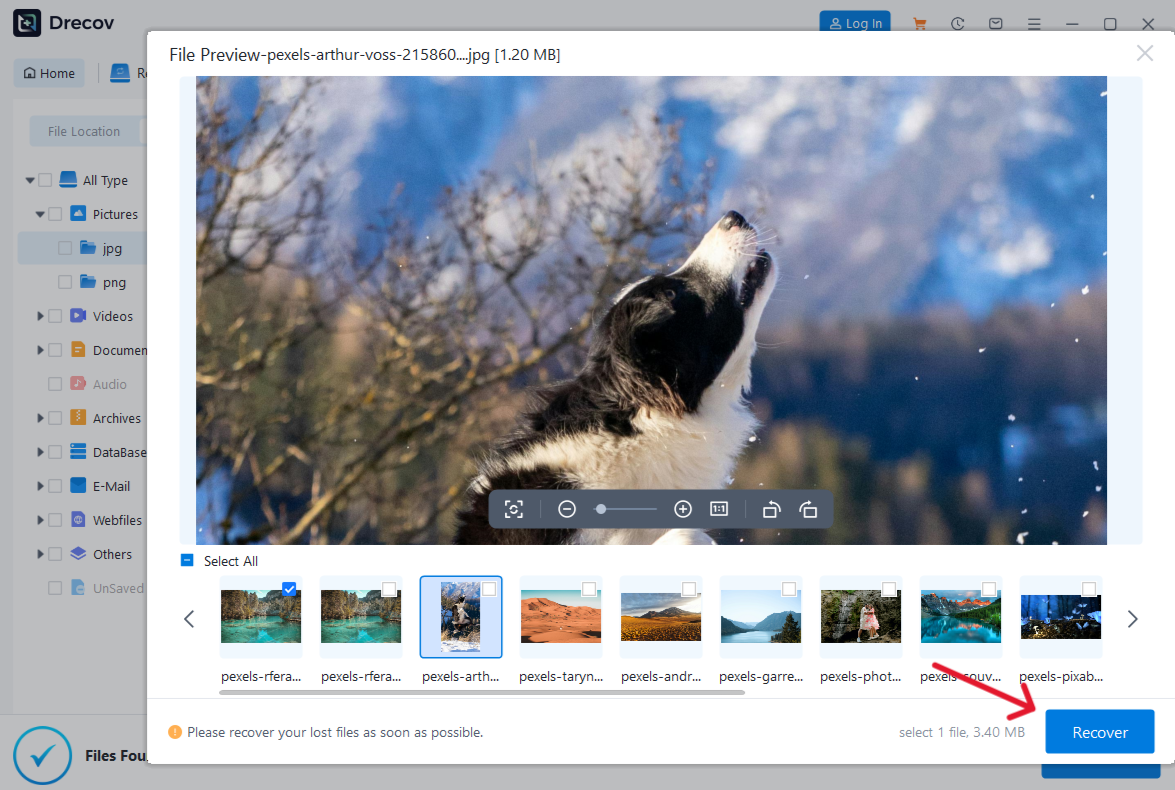
- Warning Prompt: Avoid saving recovered files back to the same partition during the recovery process. This is a critical step to ensure data integrity.
Step 3: Preview and Recover
PandaOffice Drecov allows you to preview images and documents before hitting the final button. Once you find the files you need, click Recover and choose a safe destination like an external USB drive.
After you have secured your data, you might also be interested in enhancing your browser utility. For instance, you can check out this how to download video from browser firefox 2026 guide to expand your media library safely. If you ever lose your place on the web, knowing where is the firefox bookmarks location is vital. For advanced users, understanding where are firefox bookmarks stored on your pc can help in manual profile migrations.
Difference Between Cache, Cookies, and History
People often mix these up, but they serve very different purposes. When you look at how to clear cache in firefox, you will see options for all three.
- Cache: Stores website assets (images, logos, CSS) so pages load faster.
- Cookies: Small files that remember your login status, shopping cart items, and site preferences.
- History: A simple chronological list of every website you have visited.
Clearing your cache will not log you out of your favorite social media sites, but clearing your cookies will. This is a distinction that many users overlook, leading to the frustration of having to re-enter passwords.
Will Clearing Cache Delete Passwords?
No. Clearing the cache alone does not remove saved passwords. Firefox stores passwords in a separate, encrypted file within your user profile. However, if you are in the “Clear Data” menu and you mistakenly select “Cookies and Site Data” or “Logins and Passwords” (if available in your version), you might remove them.
Always double-check the checkboxes before clicking “Clear” to ensure you only remove what you intended.
How Often Should You Clear Cache?
There is no strict rule for frequency, but a good rule of thumb is:
- Regular Users: Once every month or two.
- Power Users/Developers: Once a week or whenever a site update isn’t appearing.
- Troubleshooting: Immediately if you notice errors like “404 Not Found” on pages you know should exist.
Think of it like cleaning your desk—you don’t wait until you can’t see the wood before you tidy up.
Common Mistakes to Avoid
Many users make the mistake of clearing everything unnecessarily. For example, clearing your history doesn’t actually speed up your browser; it just makes it harder to find sites you previously visited.
Another common mistake is forgetting to restart the browser. While Firefox is excellent at applying changes instantly, sometimes a full restart is necessary to clear out the temporary memory (RAM) cache in addition to the disk cache.
Lastly, don’t ignore cache issues. If a site looks weird, don’t assume the site is broken. Try the “Hard Refresh” shortcut first: press Ctrl + F5 (Windows) or Cmd + Shift + R (Mac). This tells Firefox to ignore the cache for that specific load.
Pro Tips for Faster Firefox Performance
Beyond knowing how to clear firefox cache, you can implement these habits:
- Keep Firefox Updated: Updates often include better cache management algorithms.
- Limit Extensions: Every extension uses memory and can slow down the rendering of cached pages.
- Use Private Browsing: If you are visiting a site you only need to see once, use a Private Window (
Ctrl + Shift + P). Firefox won’t save a cache for that session at all. - Hardware Acceleration: Ensure this is enabled in settings to let your GPU help render cached images faster.
Comparison Table of Methods
| Method | Ease of Use | Impact | Best For |
| Standard Settings | High | Global | General maintenance and speed boosts. |
| Shortcut (Ctrl+Shift+Del) | High | Global | Experienced users who want speed. |
| Mobile App Settings | High | Global | Saving phone storage space. |
| Site-Specific Clear | Medium | Local | Fixing one specific broken website. |
| Auto-Clear on Exit | Medium | Ongoing | Users who prioritize privacy over speed. |
Clear Cache in Firefox FAQs
1. Does clearing cache make Firefox faster?
Yes, it can. If your cache is several gigabytes in size or contains corrupted files, clearing it will reduce the overhead the browser faces when trying to display pages.
2. Will I lose my bookmarks if I clear the cache?
No. Bookmarks are stored in a completely separate database file and are never affected by clearing your cache or cookies.
3. Can I clear cache without clearing cookies?
Absolutely. In the “Clear Data” menu, simply uncheck the “Cookies and Site Data” box and keep the “Cached Web Content” box checked.
4. Why do websites look different after clearing cache?
This happens because Firefox is finally loading the newest CSS and image files from the server, rather than relying on the old versions stored on your computer.
5. Is clearing cache safe?
It is perfectly safe. It is a standard troubleshooting step recommended by web developers and IT professionals worldwide. No personal data or core browser functionality is harmed during this process.
Conclusion
Clearing cache in Firefox is one of the simplest ways to improve your browsing experience. It fixes loading issues, boosts speed, and ensures you’re seeing the most up-to-date content from your favorite creators. Whether you are using a desktop or a mobile device, the steps are intuitive and take less than a minute.
For more information on browser maintenance and data safety, you can always visit the official Mozilla Firefox Support page or the Google Search Central blog for insights on how web data affects your digital life.






