







In our hyper-connected digital age, the humble flash drive remains a staple for transporting documents, photos, and sensitive backups. however, many users fail to realize that simply dragging a folder to the Trash or Recycle Bin does not truly erase the data. If you are wondering how to wipe a usb stick effectively, you have come to the right place. This guide explores the nuances of data destruction, ensuring your private information stays private, while also touching upon what to do if you accidentally wipe the wrong files.
Understanding USB Data and Why Wiping Matters
USB sticks are incredibly convenient—small, portable, and capable of storing everything from personal documents to sensitive business data. But here’s the catch: simply deleting files doesn’t actually remove them completely. If you’ve ever thought dragging files to the recycle bin was enough, you’re not alone—but it’s far from secure.
When data is “deleted” in a standard way, your system simply marks that space as available for reuse. The actual data remains intact until it’s overwritten by new information. Think of it like erasing a name from a notebook index but leaving the page untouched. Anyone with the right tools can still flip through and recover that information.
What Happens When You Delete Files Normally
When you delete files from a USB stick, the operating system doesn’t physically erase the data. Instead, it removes references to those files from the file system (like the FAT32 or NTFS table). This means the data still exists on the storage cells but is hidden from normal view. Because the “pointer” is gone, the computer thinks the space is empty.
Risks of Not Properly Wiping a USB Stick
Failing to learn how to wipe a usb stick properly can lead to several risks. First, there’s the obvious threat of data theft. If you sell or give away a USB drive without securely erasing it, the next user could use free recovery software to see your bank statements or private photos.
Furthermore, there is the risk of malware lingering on the device. Even if you think you’ve deleted suspicious files, remnants can remain in unallocated space and potentially infect another system once plugged in.
When You Should Wipe a USB Drive
There are several scenarios where wiping a USB stick becomes essential. One of the most common is before selling or giving it away. You wouldn’t hand over your phone without resetting it, right? The same logic applies here. You should also consider a deep wipe if the drive has been used on public computers, such as those in libraries or print shops, to ensure no tracking cookies or malicious scripts have hitched a ride.
Selling or Giving Away a USB Stick
Passing your USB stick to someone else without wiping it is like giving away a diary without tearing out the pages. Even if you think you’ve removed everything, traces can remain. Secure wiping ensures that no one can access your previous data, giving you peace of mind and protecting your digital identity.
Removing Malware or Corrupted Files
Malware can embed itself deeply within a USB drive, making it difficult to remove through normal means. A full wipe eliminates these hidden threats by overwriting every single sector. It also helps resolve issues like file corruption or “disk is write protected” errors.
Types of USB Wiping Methods Explained
Before we dive into the “how-to,” we must distinguish between the different levels of “erasing.” Not all methods provide the same level of security.
Quick Format vs Full Format
A Quick Format removes the file system pointers but doesn’t touch the actual data sectors. It’s fast but not secure. A Full Format, on the other hand, scans the disk for bad sectors and replaces the data with zeros. While a Full Format is much slower, it is the minimum requirement for anyone asking how do you erase a usb stick for security purposes.
Secure Erase vs Standard Deletion
Standard deletion is a surface-level action. Secure Erase involves industry-standard algorithms (like the DoD 5220.22-M standard) that overwrite the drive multiple times with random patterns. This ensures that even laboratory-grade forensic equipment cannot retrieve the original bits.
How to Wipe a USB Stick on Windows
Windows provides several built-in utilities to clean your drives. Depending on your comfort level with technology, you can choose the visual interface or the command line.
Using File Explorer Format Tool
This is the most common method for casual users.
- Step 1: Plug your USB stick into a working port.
- Step 2: Open File Explorer (Win + E) and locate your drive under “This PC.”
- Step 3: Right-click the drive and select Format.
- Step 4: In the options, ensure “Quick Format” is unchecked.
- Step 5: Click Start and wait for the process to finish.
Using Disk Management Utility
If the drive doesn’t show up in File Explorer, you might need to repair usb stick partitions through Disk Management.
- Step 1: Right-click the Start button and select Disk Management.
- Step 2: Find your USB drive in the list (it usually says “Removable”).
- Step 3: Right-click the primary partition and select Format.
- Step 4: Select the File System (exFAT is recommended for USBs) and click OK.
Using Command Prompt (Diskpart)
For a “nuke” approach that clears partition tables entirely:
- Step 1: Type
cmdin the search bar and run as Administrator. - Step 2: Type
diskpartand press Enter. - Step 3: Type
list diskto identify your USB (check the size to be sure). - Step 4: Type
select disk X(replace X with your USB’s number). - Step 5: Type
cleanto remove all configuration information.
How to Wipe a USB Stick on macOS
Apple users have a very streamlined process through the Disk Utility application.
Using Disk Utility
- Step 1: Connect your USB and open Disk Utility (found in Applications > Utilities).
- Step 2: Select the external drive from the sidebar.
- Step 3: Click the Erase button at the top.
- Step 4: Choose a name and a format (APFS or Mac OS Extended).
Secure Erase Options Explained
When you click “Security Options” in Disk Utility, you can move a slider.
- Fastest: Just a standard format.
- Intermediate: Writes a pass of random data.
- Most Secure: Meets US DoD standards by writing over the disk 7 times.
How to Wipe a USB Stick on Linux
Linux users often prefer the power of the terminal for data destruction.
Using Terminal Commands
The dd command is the most powerful tool for this.
- Step 1: Identify your drive using
lsblk. - Step 2: Run
sudo dd if=/dev/zero of=/dev/sdX bs=4M status=progress(replace sdX with your actual drive path). This writes zeros across the entire device.
Using GUI Tools
If you prefer a visual interface, GParted is the gold standard. You can select the drive, unmount it, and choose “Format to” followed by the file system of your choice.
Accidental Wipe? How to Recover Data Using PandaOffice Drecov
While learning how to wipe a usb stick, it is incredibly common to accidentally format the wrong drive or realize too late that you needed a specific file. This is where professional recovery tools like PandaOffice Drecov come into play. It is designed to deep-scan storage devices even after a format has occurred.
⚠ Warning: Install it on a drive different from the one where your data was lost to prevent overwriting.
Steps to Recover Data with PandaOffice Drecov
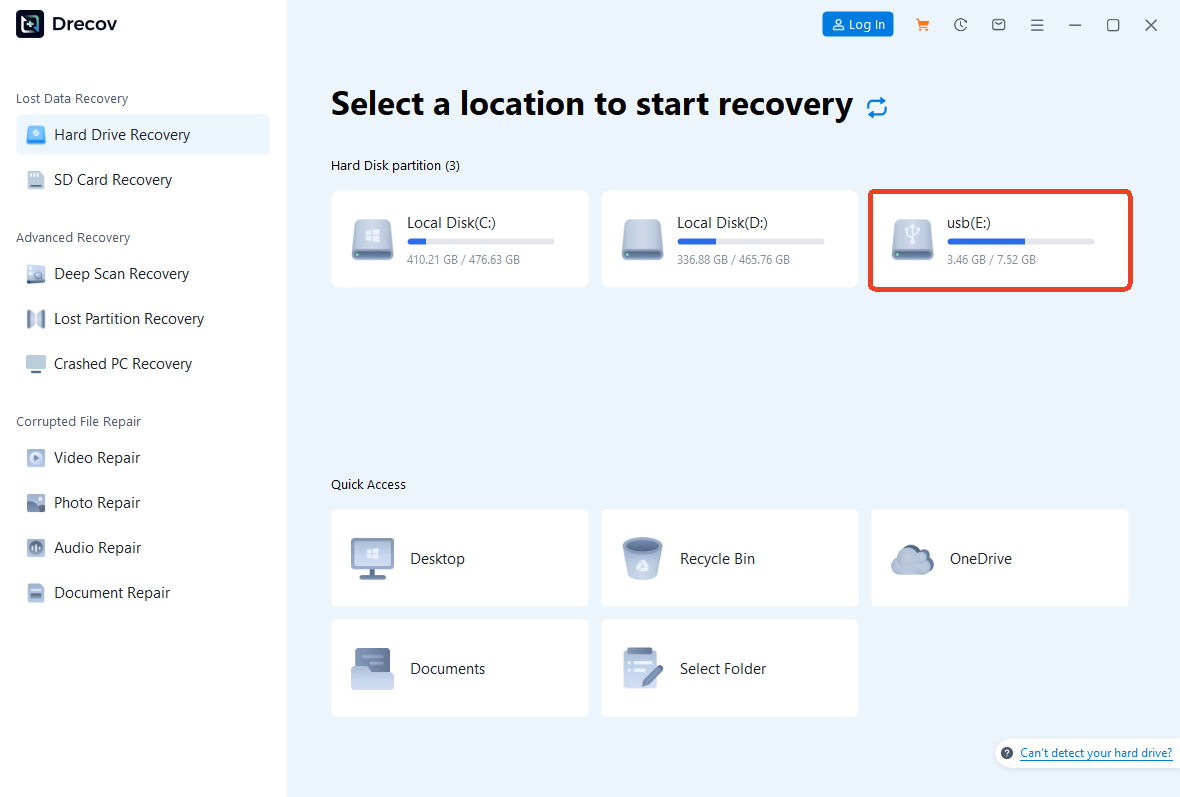
- Step 1: Select the USB Drive. Launch the software and select your USB stick from the list of available drives.
- Step 2: Run the Scan. Click “Scan.” The software will perform a “Quick Scan” followed by a “Deep Scan” to find file signatures that haven’t been fully overwritten yet.
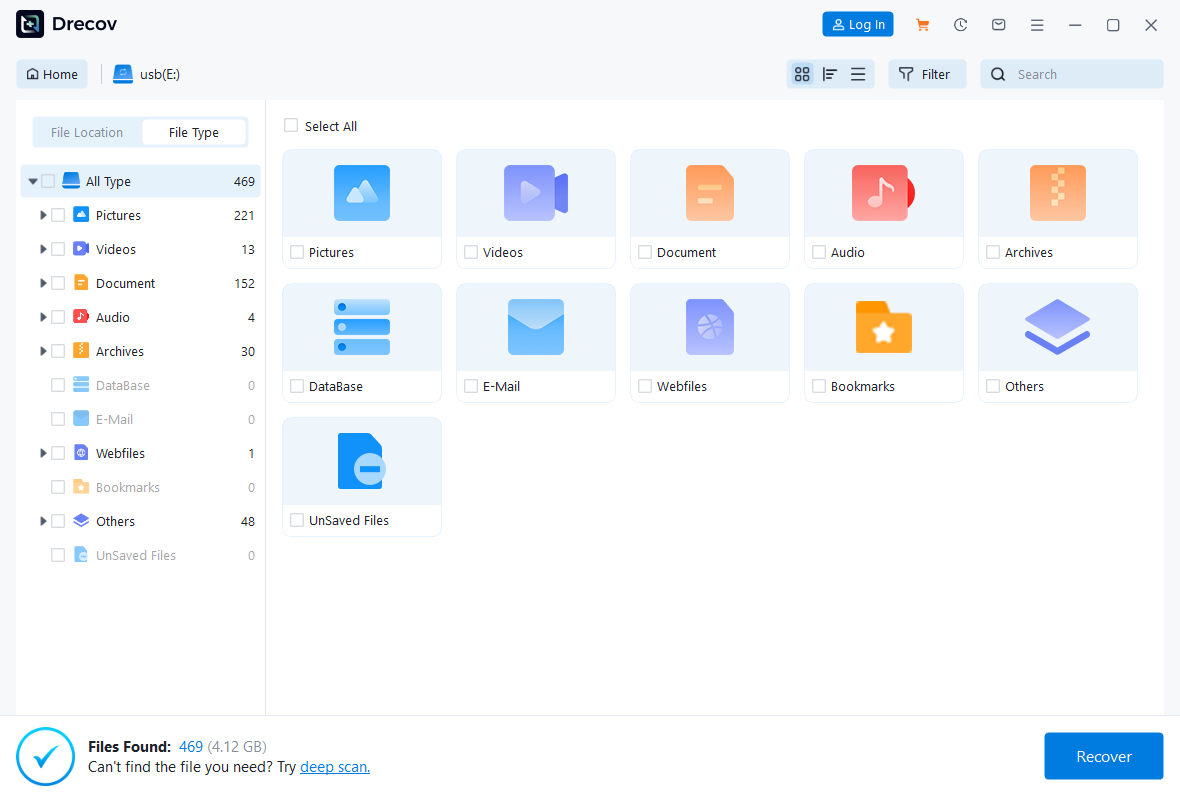
- Step 3: Preview and Recover. Once the scan is complete, browse the files. You can preview images or documents to ensure they aren’t corrupted.

- Step 4: Save to a Secure Location. Select the files you want and click “Recover.”
- Warning: Always save the recovered files to your computer’s hard drive, not back onto the same USB stick, to avoid overwriting remaining data.
Note: If you performed a “Most Secure” 7-pass wipe, recovery may be impossible. However, for standard formats or “Quick Formats,” PandaOffice Drecov has a very high success rate.
After you have successfully navigated the recovery process, you might want to check out these related guides to keep your hardware in top shape:
- USB ports not working troubleshooting guide
- How to reinstall Windows 10 from USB
- How to recover deleted files from USB drive
- Ultimate USB troubleshooting
How to Ensure Data is Completely Unrecoverable
For those handling top-secret data or financial records, a single format isn’t enough. You must understand the concept of “overwriting.”
Overwriting Data Multiple Times
The more times you overwrite a sector, the less likely it is that “ghost” images of the original data can be detected by magnetic force microscopy. While modern flash memory (SSD/USB) behaves differently than old spinning hard drives, 3 to 7 passes are still considered the safe zone for total destruction.
Verifying the Wipe
After you finish the wipe, try to use a tool like PandaOffice Drecov. If the scan returns zero files, you know you have successfully mastered how do you erase a usb stick to a professional standard.
Common Mistakes to Avoid When Wiping USB Drives
- Wiping the wrong drive: Always double-check the drive letter (E:, F:, G:) before hitting “Format.”
- Using Quick Format for sensitive data: As established, this doesn’t actually erase the data.
- Pulling the USB out mid-process: This can lead to a “bricked” device, requiring you to repair usb stick firmware or partitions.
- Neglecting Physical Security: If the data is truly dangerous, physical destruction (shredding the chip) is the only 100% guarantee.
Wipe a USB Stick FAQs
1. Can deleted files from a USB stick be recovered?
Yes, unless you use a secure wiping method or the data has been overwritten by new files, recovery software can usually bring them back.
2. Is quick format enough to wipe a USB drive?
No. A quick format only resets the file system index. The actual data remains on the NAND flash chips.
3. What is the safest way to wipe a USB stick?
The safest software-based way is a multi-pass secure erase using tools like Disk Utility (on Mac) or specialized third-party software on Windows.
4. How long does it take to wipe a USB drive?
A Quick Format takes seconds. A Full Format or a secure 7-pass wipe can take anywhere from 30 minutes to several hours depending on the USB’s capacity and speed (USB 2.0 vs 3.2).
5. Do I need special software to wipe a USB stick?
For most users, Windows “Full Format” is sufficient. However, for military-grade security, third-party tools are recommended.
Conclusion
Learning how to wipe a usb stick is a fundamental digital literacy skill. Whether you are protecting your privacy before a sale, cleaning out malware, or simply trying to repair usb stick errors, the methods outlined above provide a spectrum of solutions for every technical level. Always remember to back up your important files before starting, and if the unthinkable happens and you lose data, tools like PandaOffice Drecov are there to help you recover. Treat your data with the respect it deserves—because once it’s in the wrong hands, you can’t take it back.





