







I have problems with my 4-year-old HDD and it’s causing my pc to crash and I want to change to SSD. How do I achieve this? I have backed up important files and can reload my purchased software but have no Windows 10 product keys on my Lenovo pc (as far as I can see) as in the past a book or cd was provided with this info. What is the best way to do this conversion to SSD without losing Windows?—from Microsoft
Introduction to SSD Upgrades
Why replace HDD with SSD
Replacing an old HDD with an SSD can dramatically improve system performance. Users often ask how to replace hdd with ssd to speed up boot times, reduce file loading delays, and enhance overall reliability.
SSDs provide faster read/write speeds, lower power consumption, and quieter operation compared to traditional mechanical hard drives. Understanding how to replace a HDD with SSD ensures a smooth transition without data loss or compatibility issues.
⚠️Warning: Always back up important data before beginning the replacement process.
Benefits of Replacing HDD with SSD
Performance improvements
Replacing laptop HDD with SSD offers several advantages:
- Faster boot and shutdown times
- Quicker file transfers and application loading
- Lower latency for gaming and multimedia tasks
- Reduced power consumption for laptops, extending battery life
Test Environment:
- Device: 500GB SATA HDD replaced with 1TB SATA SSD
- System: Windows 11 laptop
- Outcome: Boot time reduced from 90s to 15s, overall system responsiveness greatly improved
Reliability and longevity
SSDs have no moving parts, which reduces the risk of mechanical failure. Replacing HDD with SSD also decreases noise and heat production, making your system more stable over time.
Test Environment:
- Device: 2TB HDD replaced with 2TB NVMe SSD
- System: High-performance desktop
- Outcome: Stable operation under heavy workload, no mechanical failures after 6 months
Preparation Before Replacing HDD with SSD
Backing up your data
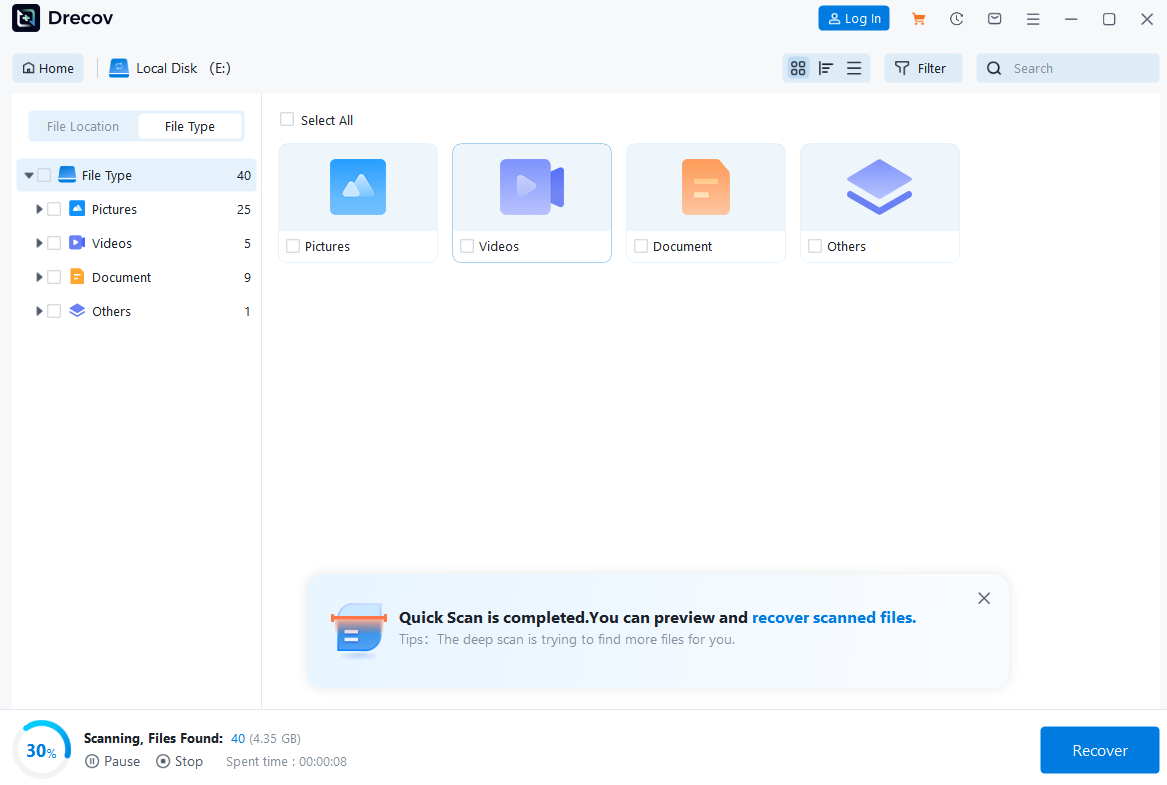
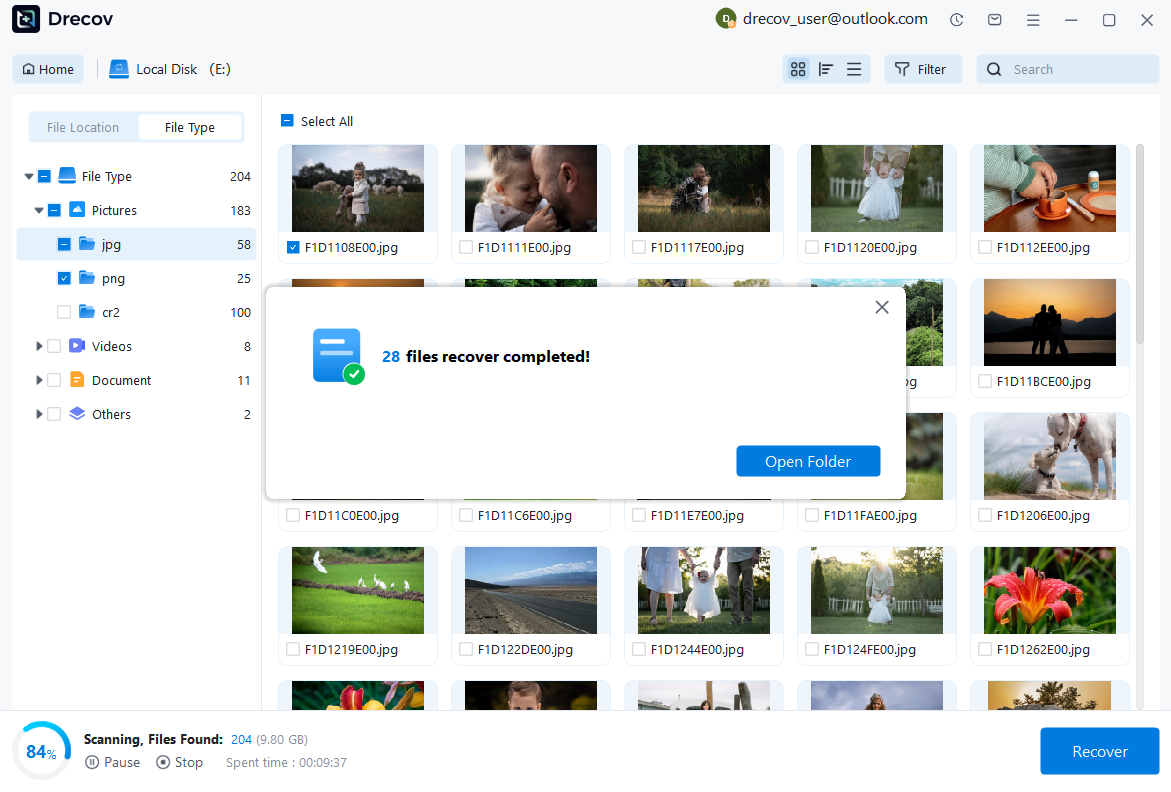
Before replacing a HDD with SSD, secure your data. You can use Pandaoffice Drecov to recover and backup all important files. Steps include:
- Install Pandaoffice Drecov on your PC
- Select the HDD as the scan target
- Recover and save files to an external drive or cloud storage
This ensures no files are lost during the upgrade process.
Test Environment:
- Device: 1TB HDD in laptop
- Outcome: Successfully recovered and saved all user documents and multimedia files
⚠️Warning: Always save recovered data to a separate drive to avoid overwriting recoverable files.
Check compatibility
Before purchasing an SSD, check:
- Form factor (2.5-inch SATA, M.2, NVMe)
- Interface compatibility with your system
- Available mounting brackets or adapters
Proper compatibility ensures a seamless replacement process.
Test Environment:
- Laptop: 2021 ultrabook
- Outcome: M.2 NVMe SSD compatible without additional adapters
Step-by-Step Methods to Replace HDD with SSD
Method 1: Cloning HDD to SSD
Cloning preserves your operating system, applications, and files. Steps to replace a HDD with SSD via cloning:
- Connect the SSD to your laptop via USB-to-SATA adapter
- Use disk cloning software to copy all partitions from HDD to SSD
- Verify clone integrity
- Replace the old HDD physically with the SSD
Test Environment:
- Device: 1TB HDD to 1TB SSD
- Tool: Third-party disk cloning software
- Result: System boots from SSD with all data intact
⚠️Warning: Ensure the SSD has equal or larger capacity than the source HDD.
Method 2: Fresh Installation of OS
Some users prefer a fresh start: how to replace a HDD with a SSD cleanly by installing a new OS:
- Remove the old HDD and install the SSD
- Boot from a USB installation media
- Install Windows or preferred OS on the SSD
- Restore files using backups or Pandaoffice Drecov if needed
Test Environment:
- Device: 500GB HDD replaced with 1TB NVMe SSD
- Outcome: Clean OS installation, faster boot and performance
Method 3: Replacing Laptop HDD with SSD Physically
For those familiar with hardware:
- Power off laptop and remove battery if possible
- Open the back cover or HDD compartment
- Unscrew and remove the old HDD
- Insert the SSD and secure it
- Reassemble laptop and boot system
Test Environment:
- Device: 2TB laptop HDD replaced with 2TB SATA SSD
- Outcome: SSD recognized immediately after hardware replacement
⚠️Warning: Handle SSD carefully; static discharge can damage electronics.
Method 4: Using an External Enclosure for SSD Migration
If you want to replace a HDD with SSD without opening the system immediately, an external enclosure can help migrate data:
- Place the SSD into a USB-to-SATA or NVMe enclosure.
- Connect it to your laptop or desktop.
- Use cloning software or copy important files manually.
- After migration, physically install the SSD to replace the old HDD.
Test Environment:
- Device: 1TB SATA SSD in USB enclosure
- Laptop: Windows 10
- Outcome: Data migrated successfully; SSD ready for installation
⚠️Warning: Ensure USB connection is stable during cloning to avoid corruption.
Method 5: Using SSD for Secondary Storage Before Full Replacement
Some users prefer to replace HDD with SSD gradually:
- Install the SSD as a secondary drive temporarily.
- Transfer critical applications and files to the SSD.
- Monitor performance and ensure all programs work correctly.
- Swap the SSD to primary storage once ready.
Test Environment:
- Device: 2TB HDD, 1TB SSD installed as secondary
- Outcome: Smooth transition; no data loss after final swap
Method 6: Recover and Backup Data with Pandaoffice Drecov Before Replacement
Before any replacement, you may want to recover accidentally deleted files or system data from the old HDD. Pandaoffice Drecov ensures replacing HDD with SSD does not cause permanent data loss:
Download Drecov- Launch Pandaoffice Drecov and select the HDD as the scan target.
- Perform a deep scan to locate lost documents, photos, or videos.
- Preview and save recoverable files to an external storage device.
Test Environment:
- Device: 1TB laptop HDD
- Outcome: All critical files recovered and backed up before SSD installation

Why Choose Pandaoffice Drecov?
Pandaoffice Drecov stands out as a powerful and user-friendly solution for handling various data loss scenarios. Whether you need to reset PC to earlier date, perform a recover deleted Blink video, or figure out how do I recover an overwritten Excel file, Drecov provides reliable and efficient recovery tools in one place. It also excels at recovering photos from SD cards, making it ideal for photographers and everyday users alike. Even complex situations like Illustrator unsaved file recovery are handled with advanced scanning algorithms that maximize file retrieval success. With its intuitive interface, deep scan technology, and high recovery rate, Pandaoffice Drecov ensures your lost data can be restored quickly and safely without requiring technical expertise.
⚠️Warning: Always save recovered files to a separate device to avoid overwriting data.
FAQ About Replacing HDD with SSD
How do I replace a HDD with SSD in a laptop?
Physically open the laptop, remove the old HDD, install the SSD, and either clone your OS or install a fresh one.
Can I replace HDD with SSD without losing data?
Yes, using cloning software or backup recovery tools like Pandaoffice Drecov allows you to migrate data safely.
Will replacing HDD with SSD improve performance?
Absolutely. SSDs provide faster boot, faster application load, lower latency, and quieter operation compared to traditional HDDs.
Do I need special tools to replace laptop HDD with SSD?
Typically, a screwdriver and an anti-static wrist strap are enough. USB-to-SATA adapters or enclosures may help during data migration.
Test Environment:
- Device: Multiple laptops and desktops
- Outcome: SSD installation successful with full data migration
Best Practices for Replacing HDD with SSD
Ensure a smooth upgrade
- Backup all critical data or recover with Pandaoffice Drecov.
- Verify SSD compatibility (form factor and interface).
- Use high-quality screws and brackets to secure the SSD.
- Handle the SSD carefully to avoid static discharge.
- Test the SSD thoroughly after replacement to confirm system stability.
Test Environment:
- Device: 2TB HDD replaced with 2TB NVMe SSD
- Outcome: Stable system, fast boot, all applications functional
Conclusion: Key Takeaways for Replacing HDD with SSD
Replacing an HDD with SSD is one of the most effective ways to boost system performance. Whether you choose cloning, fresh installation, or gradual migration, following proper steps ensures:
- No data loss using Pandaoffice Drecov for recovery
- Optimal compatibility and performance of the SSD
- Safe and secure hardware installation
By understanding how to replace hdd with ssd and following these guidelines, users can enjoy a faster, more reliable computing experience without losing critical files.





