







Introduction to Laptop Overheating While Gaming
Why Gaming Laptops Overheat
Many gamers encounter the issue of laptop overheating while gaming, especially during long sessions of high-performance gameplay. Overheating occurs when a laptop’s cooling system cannot dissipate the heat generated by the CPU and GPU efficiently.
Gaming laptops often have powerful processors and dedicated graphics cards, which produce significant heat under load. Combined with compact form factors and limited airflow, this leads to high internal temperatures. Overheating not only reduces performance but can also cause system crashes, automatic shutdowns, and in extreme cases, hardware damage.
Understanding how to keep laptop from overheating while gaming is essential for maintaining performance and prolonging your device’s lifespan. Even small adjustments in cooling techniques and system management can drastically reduce heat levels.
⚠️ Warning: Continuous overheating can permanently damage your laptop’s components, so taking preventive measures is critical.
Main Causes of Laptop Overheating While Gaming
Hardware and Environmental Factors
Several factors contribute to laptop overheating while gaming. One of the most common is poor ventilation. Laptops placed on soft surfaces like beds or couches can block air vents, restricting airflow.
Dust accumulation in fans and vents also impairs cooling efficiency. Over time, this can create hotspots that increase internal temperatures.
Other causes include high graphics settings and prolonged gaming sessions. Running games at ultra settings or using multiple demanding applications simultaneously puts extra load on the GPU and CPU, generating excessive heat.
Ambient room temperature plays a role too. Hot environments exacerbate thermal buildup and make laptops more prone to overheating.
⚠️ Warning: Ignoring overheating signs, like loud fan noise or sudden shutdowns, can lead to permanent hardware damage.
Essential Preparations to Prevent Overheating
Monitor Performance and Temperature
Before applying cooling solutions, monitor your laptop’s temperature. Tools like HWMonitor, MSI Afterburner, or system BIOS can provide real-time temperature readings for CPU and GPU.
Test Environment:
- Device: Windows 11 gaming laptop
- Scenario: High-end AAA games running for 2+ hours
- Observation: CPU reaching 90°C and GPU 85°C
Regular monitoring helps identify overheating patterns, making it easier to choose appropriate cooling methods.
Additionally, ensure your laptop’s BIOS and drivers are up to date. Firmware updates often include thermal management improvements and fan speed optimization.
Methods to Keep Laptop from Overheating While Gaming
Method 1: Clean Fans and Air Vents Regularly
Dust buildup significantly contributes to laptop overheating while gaming.
Test Environment:
- Device: 2022 gaming laptop
- Scenario: Fans clogged with dust causing thermal throttling
Steps:
- Turn off and unplug the laptop.
- Use compressed air to blow out dust from fans and vents.
- Avoid opening the laptop if not comfortable, as this may void warranty.
- Repeat cleaning every 3–6 months.
Regular maintenance ensures proper airflow and reduces internal temperature.
⚠️ Warning: Avoid inserting objects into fans to prevent damage.
Method 2: Use a Cooling Pad or External Fan
Cooling pads improve airflow beneath the laptop, lowering temperatures effectively.
Test Environment:
- Device: High-performance Windows gaming laptop
- Scenario: Gaming sessions exceeding 3 hours
- Observation: Average CPU temp dropped from 88°C to 72°C
Steps:
- Place the laptop on a quality cooling pad with active fans.
- Adjust fan placement to align with laptop vents.
- Use external fans if room ventilation is poor.
This method provides immediate cooling benefits and is safe for all laptop models.
Method 3: Optimize In-Game Settings
Reducing graphics load directly decreases heat generation.
Test Environment:
- Device: NVIDIA GPU-equipped laptop
- Scenario: Ultra settings causing fan noise and thermal throttling
Steps:
- Lower in-game resolution and frame rate.
- Disable unnecessary graphical effects like shadows and reflections.
- Monitor FPS to maintain smooth gameplay while reducing load.
This approach balances performance with thermal safety and prevents laptop overheating while gaming.
Method 4: Adjust Power and Performance Settings
Windows power settings influence CPU and GPU workload.
Test Environment:
- Device: Windows 11 gaming laptop
- Scenario: High-performance mode causing constant max CPU usage
Steps:
- Open “Control Panel” > “Power Options.”
- Select “Balanced” or create a custom plan.
- Limit maximum CPU state to 90–95% under advanced settings.
Reducing peak power consumption decreases heat generation and fan noise.
Method 5: Apply Thermal Paste and Internal Maintenance
Over time, thermal paste between the CPU/GPU and heatsink dries out, reducing cooling efficiency.
Test Environment:
- Device: Custom gaming laptop
- Scenario: CPU temperatures exceeding 90°C despite other measures
Steps:
- Carefully open the laptop (if under warranty, consult the manufacturer).
- Remove old thermal paste using isopropyl alcohol.
- Apply a thin layer of high-quality thermal paste.
- Reassemble the laptop and test temperatures.
Proper thermal paste application can reduce CPU/GPU temperature by 10–15°C.
Method 6: Manage Background Applications and System Load
Running unnecessary apps increases CPU usage, contributing to laptop overheating while gaming.
Test Environment:
- Device: Windows gaming laptop
- Scenario: Background software causing thermal spikes
Steps:
- Press Ctrl + Shift + Esc to open Task Manager.
- Identify high-CPU programs unrelated to gaming.
- Close or disable them temporarily.
- Use lightweight antivirus and system utilities.
This method improves overall performance while lowering internal heat.
Method 7: Use PandaOffice Drecov for Data-Intensive Games Safely
Sometimes, games or applications create temporary files that overload storage, indirectly causing heat buildup.
Test Environment:
- Device: SSD-equipped gaming laptop
- Scenario: Storage bottleneck leading to higher CPU usage
Steps:
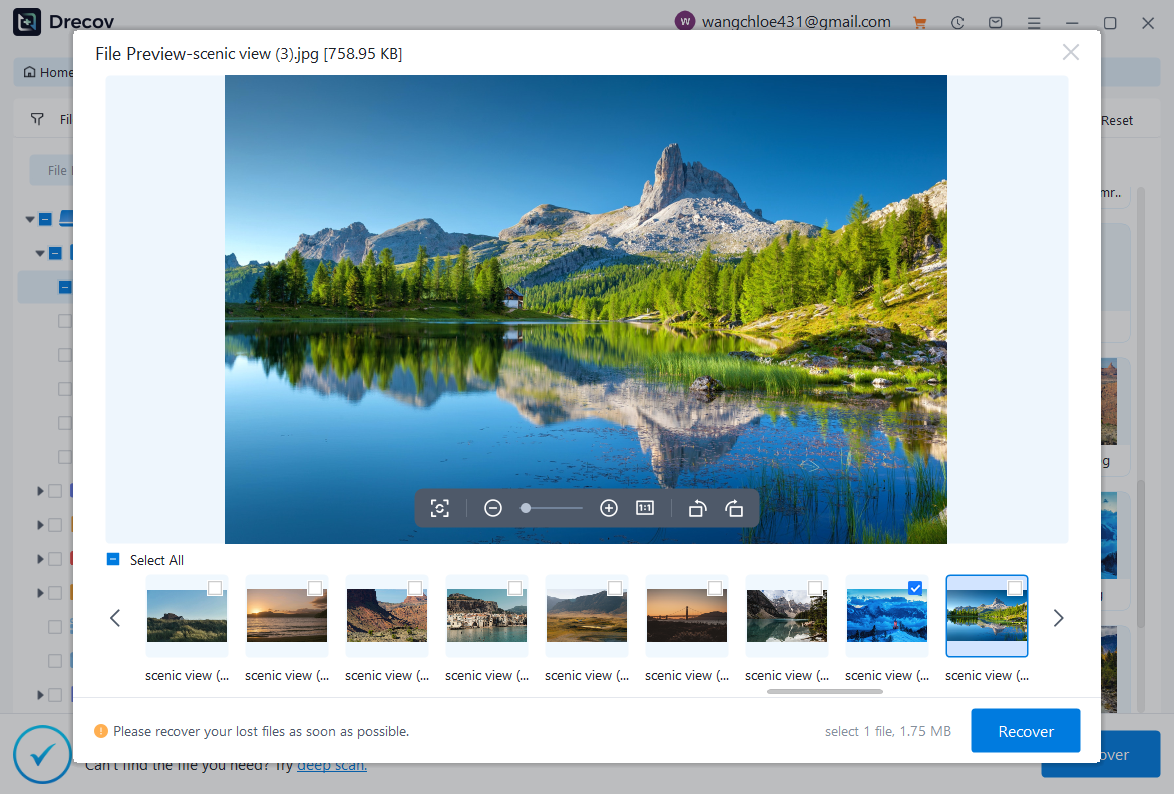
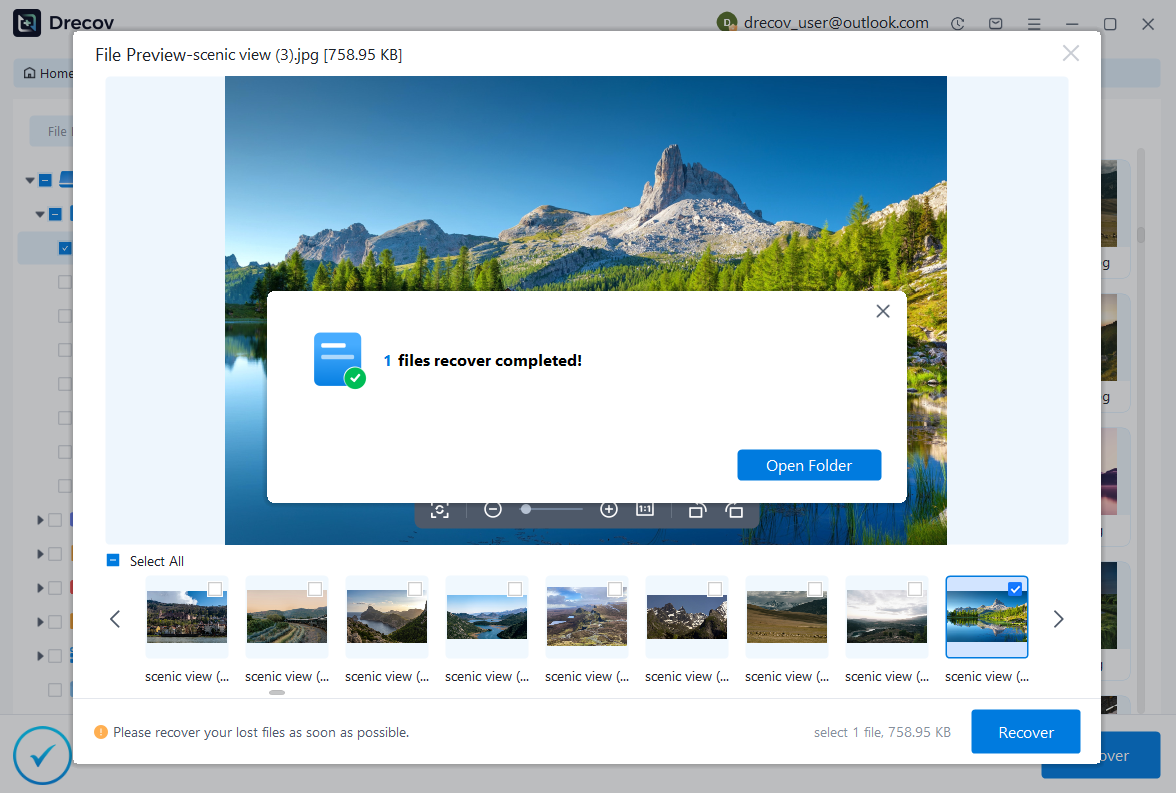
- Install PandaOffice Drecov to scan for corrupted or unnecessary game files.
- Clean up temporary files and optimize storage.
- Reboot laptop and resume gaming.
This method not only protects data but can slightly reduce system load and heat.

Why Choose PandaOffice Drecov?
PandaOffice Drecov is a versatile and reliable solution for recovering a wide range of lost or inaccessible files. Whether you need audio recovery, video recovery, or excel recovery files, PandaOffice Drecov provides fast and efficient results, ensuring your important data is safely restored.
For creative professionals, it supports file recovery Illustrator projects, allowing designers to retrieve unsaved or accidentally deleted artwork without compromising file integrity. Businesses and individuals can also benefit from its restore Windows previous date feature, which helps recover documents or spreadsheets that were lost due to system errors or accidental deletions.
When external storage devices fail, such as a Lacie hard drive not showing up, PandaOffice Drecov can detect and restore files from these drives, ensuring you do not lose critical data. Even deleted files in the recycle bin can be recovered using its advanced recycle bin recovery software capabilities.
Additionally, the software supports recovering data from lost partitions, making lost partition recovery straightforward and reliable. Its intuitive interface allows users to perform audio recovery, video recovery, and excel recovery effortlessly, even for large or complex files.
Method 8: Elevate the Laptop for Better Airflow
Raising your laptop slightly improves airflow beneath the device, which helps in reducing laptop overheating while gaming.
Test Environment:
- Device: Gaming laptop on a flat desk
- Scenario: Prolonged AAA game sessions causing fan ramp-up
Steps:
- Use a laptop stand or small objects to elevate the back of the laptop.
- Ensure air vents are unobstructed.
- Combine with a cooling pad for maximum effect.
Even a 1–2-inch elevation can significantly improve cooling efficiency.
Method 9: Limit Overclocking and Intensive GPU Settings
Overclocking increases performance but generates additional heat.
Test Environment:
- Device: High-end GPU laptop
- Scenario: Factory-overclocked GPU causing thermal throttling
Steps:
- Reset GPU overclock settings to default in software like MSI Afterburner or manufacturer utilities.
- Lower GPU workload in demanding games.
- Monitor temperatures and adjust gradually.
Keeping GPU settings within safe ranges prevents excessive laptop overheating while gaming and prolongs hardware lifespan.
Method 10: Control Room Temperature and Ventilation
Environmental factors are often overlooked but play a critical role in laptop thermals.
Test Environment:
- Device: Gaming laptop in small room without AC
- Scenario: Ambient temperature 30°C causing thermal spikes
Steps:
- Place your laptop in a well-ventilated area.
- Avoid placing it near heat sources like radiators or sunlight.
- Use fans or air conditioning to maintain a cooler environment.
Even moderate changes in room temperature can lower internal temperatures by several degrees.
Method 11: Update BIOS and System Drivers
Firmware and driver updates often include thermal management improvements.
Test Environment:
- Device: Windows 11 gaming laptop
- Scenario: Overheating despite proper airflow and cooling pads
Steps:
- Visit the laptop manufacturer’s website.
- Download the latest BIOS and chipset drivers.
- Install updates carefully and reboot.
- Test temperatures under normal gaming loads.
Keeping your system updated ensures efficient fan control and heat management.
Method 12: Use Game Mode and Performance Optimization Tools
Many gaming laptops have built-in software to optimize performance and manage thermals.
Test Environment:
- Device: Windows gaming laptop with manufacturer utility
- Scenario: Intensive gaming sessions causing CPU throttling
Steps:
- Enable “Game Mode” or equivalent in manufacturer utilities.
- Adjust performance vs. temperature balance.
- Monitor FPS and temperature simultaneously.
These tools help automatically adjust fan speed, CPU/GPU usage, and other settings to reduce laptop overheating while gaming.
Frequently Asked Questions About Gaming Laptop Overheating
Why Does My Laptop Overheat While Gaming?
Laptop overheating while gaming usually occurs due to heavy CPU/GPU load, poor ventilation, dust buildup, or high ambient temperature. Optimizing airflow, settings, and cooling methods is essential to mitigate the problem.
How Can I Keep Laptop from Overheating While Gaming Without a Cooling Pad?
You can elevate the laptop, reduce graphics load, close background apps, and maintain a cooler room environment. These steps alone can significantly lower temperatures.
Can Overheating Damage My Laptop Permanently?
Yes. Prolonged overheating can damage the CPU, GPU, motherboard, and battery. It may also reduce the overall lifespan of your laptop and cause unexpected shutdowns.
Is Thermal Paste Replacement Necessary?
Thermal paste can dry out over time, reducing heat transfer efficiency. Reapplying high-quality thermal paste improves cooling by up to 10–15°C. It is recommended if the laptop is 2+ years old and laptop overheating while gaming persists.
Will Updating Drivers Help Reduce Overheating?
Yes. Updated BIOS and GPU/CPU drivers often include optimizations for fan control and thermal management. Keeping drivers current is a simple and effective way to manage heat.
Conclusion: Effective Strategies to Keep Laptop from Overheating While Gaming
Key Takeaways
Preventing laptop overheating while gaming requires a combination of hardware maintenance, software optimization, and environmental adjustments.
Start by cleaning fans and vents, using cooling pads, and monitoring system temperatures. Adjust in-game settings and power management to reduce workload. Advanced users can apply thermal paste or update BIOS/driver software.
Additionally, using tools like PandaOffice Drecov can help optimize storage and remove unnecessary files that indirectly contribute to system heat.
Remember, preventive measures like proper ventilation, avoiding prolonged overclocking, and maintaining ambient cooling are essential for safe gaming.
⚠️ Warning: Ignoring laptop overheating can cause permanent damage to components. Regular maintenance and monitoring are key to longevity and performance.
By combining these strategies, you can enjoy extended gaming sessions without compromising performance or risking hardware damage.






