







Maintaining the hardware of your digital life is just as critical as updating your software. Whether you are a professional photographer transferring gigabytes of data or a student keeping a smartphone charged, a functional connection is the backbone of your productivity. However, physical obstructions often lead to digital headaches. In this comprehensive guide, we will explore how to clean usb c port safely, ensure your external storage remains functional, and provide a roadmap for recovering data if a dirty connection leads to file corruption.
What Is a USB-C Port and Why It Gets Dirty
Structure of USB-C Ports
A USB-C port may look like a tiny, simple hole, but inside it’s a highly engineered piece of technology. It contains multiple microscopic pins—sometimes up to 24 contact points—designed for power delivery, data transfer, and even video output.
Now imagine trying to keep something that delicate perfectly clean while carrying it in your pocket every day. It’s like trying to keep sand out of a watch—almost impossible. The port’s compact design, while convenient and reversible, actually makes it more vulnerable to debris buildup than older USB types. Because these pins are so small—often less than 0.3mm wide—even a thin layer of lint can interfere with the connection. That’s why your cable suddenly feels loose or stops charging properly. It’s not magic—it’s physics.
Common Causes of Dirt Buildup
So where does all that dirt come from? Surprisingly, it’s mostly from everyday habits:
- Pocket lint and fabric fibers.
- Dust floating in the air.
- Skin oils from handling your device.
- Tiny food crumbs or debris.
USB ports act like magnets for particles because they’re open cavities. Over time, debris gets compacted inside, especially when you repeatedly plug in a cable. Think of it like pushing snow into a narrow tunnel—it doesn’t disappear; it just gets packed tighter.
Signs Your USB-C Port Needs Cleaning
Charging Issues
One of the first red flags is inconsistent charging. Your device might charge only at a certain angle, or it might disconnect randomly. That’s because dirt is blocking the metal contacts from touching properly. You might also notice slower charging speeds. When the connection isn’t stable, your device may drop from fast charging to regular or even minimal charging.
Loose Cable Connection
Does your cable feel wobbly or fall out easily? That’s a classic symptom. Dirt builds up at the bottom of the port, preventing the cable from fully inserting. Some users even report a “soft” feeling instead of the usual click when plugging in. That’s your clue—it’s time to clean.
Risks of a Dirty USB-C Port
Performance Issues
A dirty USB-C port doesn’t just affect charging—it can also disrupt data transfer. You might experience:
- Slow file transfers.
- Connection drops.
- Devices not being recognized.
Unstable connections can even lead to data errors during transfers. If the connection breaks while writing a file to an external drive, the file system can become “RAW” or corrupted.
Long-Term Damage
If ignored, dirt can cause more serious problems:
- Scratched or bent pins.
- Corrosion from trapped moisture.
- Permanent connection failure.
Fixing a damaged port often requires replacing the entire charging module—which isn’t cheap.
Tools You Need for Cleaning
Safe Tools
To clean your USB-C port safely, use:
- Compressed air (non-residue).
- Plastic or wooden toothpick.
- Soft brush (like a clean toothbrush).
- Isopropyl alcohol (70%+).
These tools are gentle enough to remove debris without damaging the delicate pins. For more information on maintaining hardware, you can refer to the official Apple support guide on cleaning devices.
Tools to Avoid
Avoid these at all costs:
- Metal pins or needles.
- Sharp tweezers.
- Wet wipes or water.
- Cotton swabs that shed fibers.
Using the wrong tool is like cleaning a camera lens with sandpaper—it will cause more harm than good.
Step-by-Step Guide to Cleaning USB-C Port
When you want to know how to clean usb c port effectively, you must follow a methodical approach to avoid bending the internal “tongue” or pins.
Step 1: Turn Off Device
Always power off your device before cleaning. This prevents electrical damage and keeps you safe. While the voltage in a USB port is low, a short circuit caused by a tool can still fry a controller chip. It’s a small step, but skipping it can lead to serious consequences.
Step 2: Inspect the Port
Use a flashlight to check inside the port. Look for:
- Compact lint.
- Dust layers.
- Sticky residue.
You might be surprised how much debris is hiding inside. A magnifying glass can also be helpful here to see the tiny pins.
Step 3: Remove Debris
Take a toothpick or plastic pick and gently scrape the edges of the port. Focus on the bottom where lint accumulates. Use slow, careful movements—never force it. Move the pick around the center assembly (the “tongue”) without prying against the pins themselves.
Step 4: Use Compressed Air
Blow short bursts of air into the port. Keep the device angled downward so debris falls out instead of going deeper. Short bursts work best—about 1–2 seconds each. Do not shake the can while spraying, as this can discharge liquid propellant into the port.
How to Clean a USB Flash Drive and Stick Safely
While the port on your phone or laptop is crucial, the “male” end of your cables and drives also requires attention. If you plug a dirty drive into a clean port, you simply transfer the problem.
How to Clean USB Stick Exterior and Contacts
A USB stick often spends its life in bags or pockets, collecting grime.
- Step 1: Use a soft, dry cloth to wipe the outer metal casing.
- Step 2: If the internal contacts of the stick are visible, use a specialized electronic cleaning brush or a dry Q-tip to gently brush out any dust.
- Step 3: For stubborn grime, a tiny drop of isopropyl alcohol on a microfiber cloth can be used to wipe the contact points. Ensure it is completely dry before plugging it back in.
Clean USB Stick to Prevent Port Contamination
Learning how to clean a usb flash drive is about more than just aesthetics; it’s about protecting your data. If the gold contacts on your flash drive are oxidized or dirty, the computer may fail to recognize the drive, leading to the dreaded “USB Device Not Recognized” error. For detailed technical specifications on USB maintenance, visit the USB Implementers Forum (USB-IF).
Deep Cleaning Techniques
Using Isopropyl Alcohol
If your port has sticky residue, lightly dampen a small tool with isopropyl alcohol (70% or higher). This helps dissolve grime without damaging electronics, as it evaporates quickly. Ensure the device remains off until the alcohol has completely vanished.
Cleaning Sticky Residue
Wrap a tiny bit of cotton (very tightly) around a plastic pick and gently clean the interior. Make sure it’s barely damp—not dripping. Excess liquid can cause corrosion or short circuits. This is particularly effective if you’ve spilled a sugary drink near your device.
Data Recovery: What to Do If a Dirty Port Caused Data Loss
Sometimes, the act of a connection failing mid-transfer results in more than just a disconnected device—it results in lost data. If your USB-C port was so dirty that it caused your drive to disconnect while you were saving files, your data might be corrupted.
In these scenarios, hardware cleaning is only the first half of the battle. The second half is software-based recovery. This is where PandaOffice Drecov becomes an essential tool in your kit.
⚠ Warning: Install it on a drive different from the one where your data was lost to prevent overwriting.
Using PandaOffice Drecov for Data Recovery
PandaOffice Drecov is a professional-grade data recovery product designed to retrieve lost, deleted, or formatted files from USB drives, SSDs, and hard disks. It is specifically optimized to handle errors caused by improper ejections or unstable port connections.
Step 1: Connect the Drive to a Clean Port
After you have followed the steps on how to clean usb c port, ensure your USB drive is securely connected to your computer. Launch the PandaOffice Drecov application.
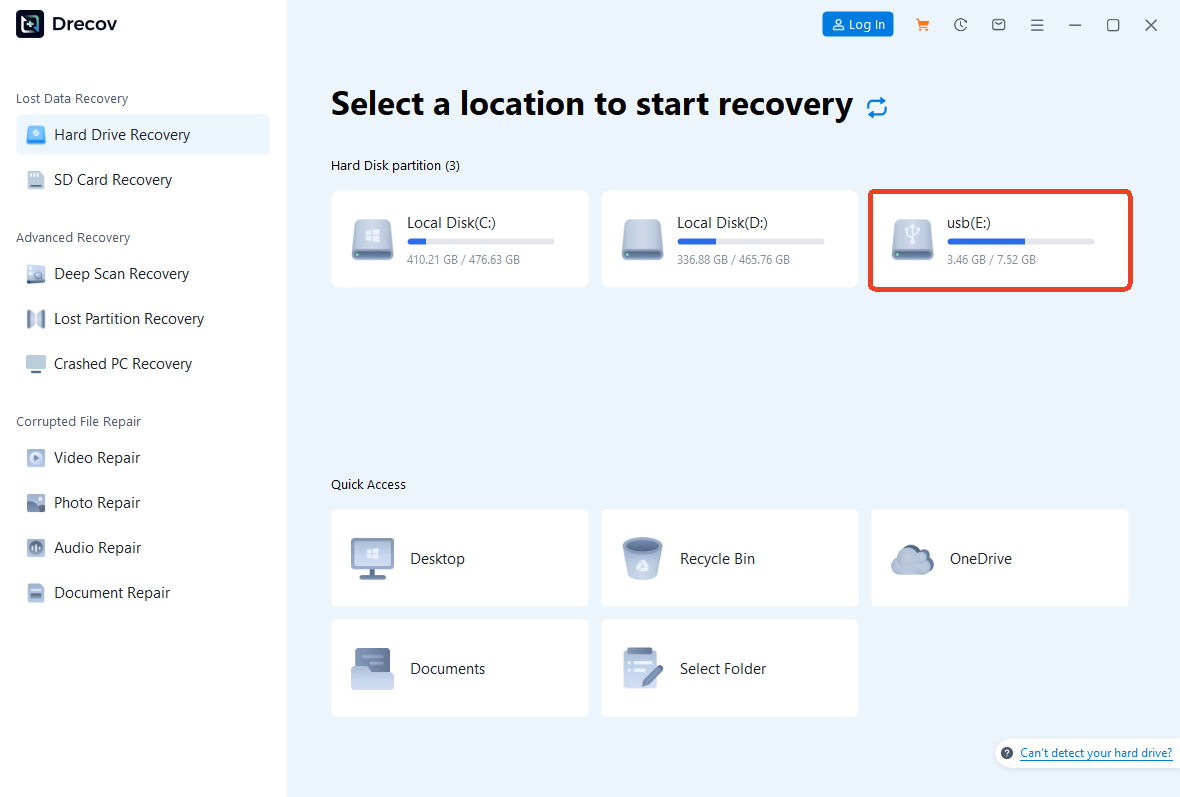
Step 2: Select the Target Location
Upon opening the software, you will see a list of available drives. Identify your USB flash drive or the external hard drive that experienced the error. Click on it to designate it as the scan target.
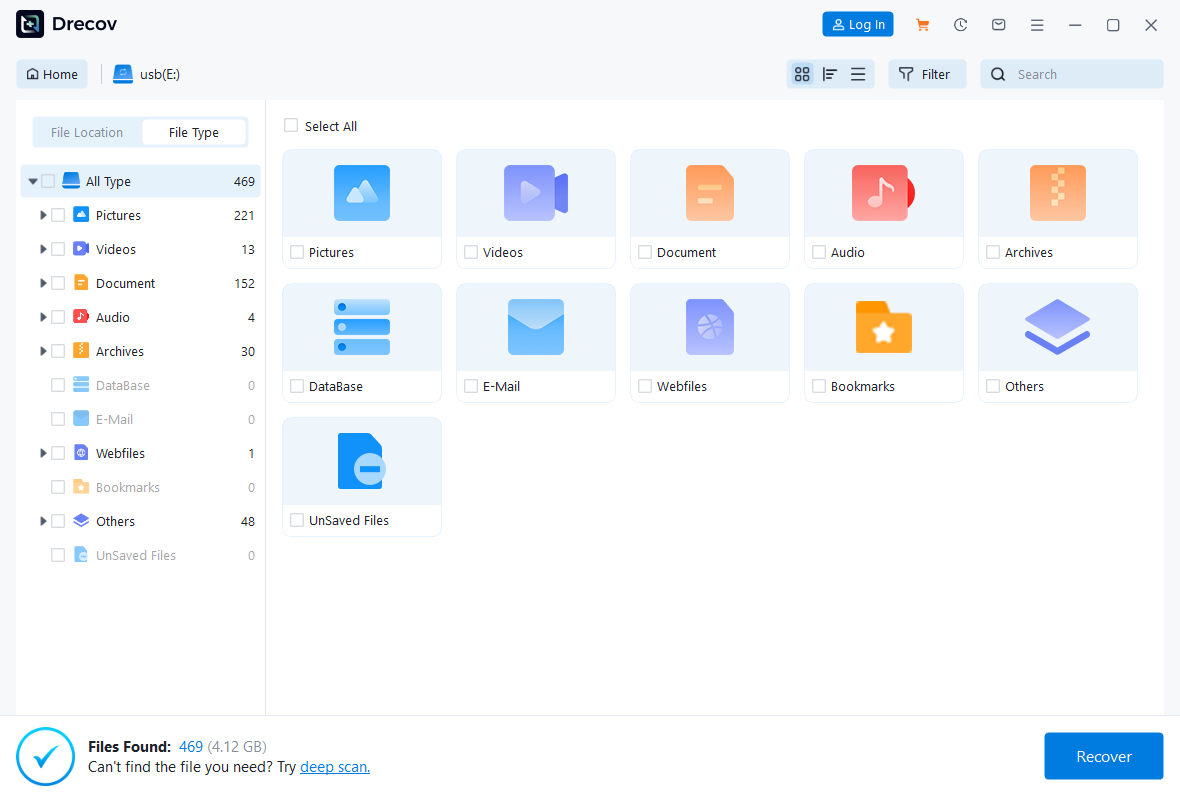
Warning: Do not save any new files to the drive before the recovery is complete, as this may overwrite the lost data.
Step 3: Initiate the Scan Process
Click the “Scan” button. PandaOffice Drecov will perform a Deep Scan to look for file signatures even if the file system is marked as RAW. You can see the progress bar at the top of the interface.
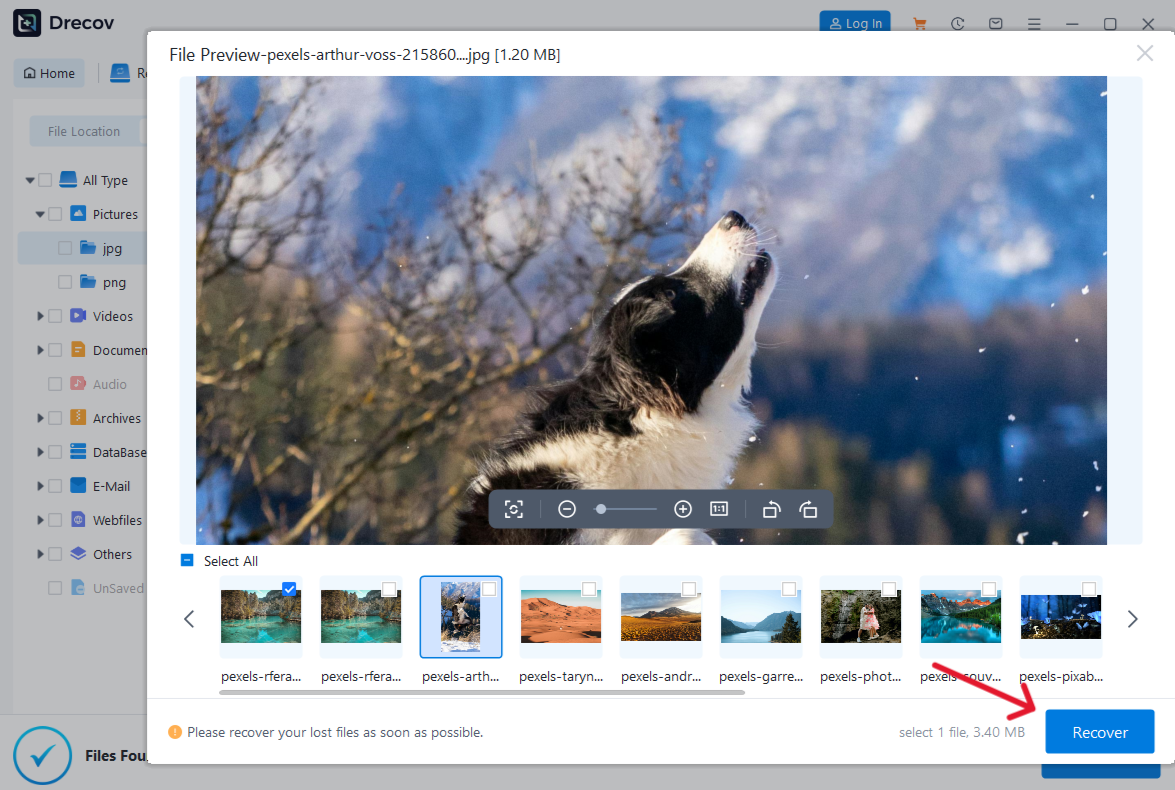
Step 4: Preview and Filter Files
Once the scan is finished, you can browse the files found. The software allows you to preview images and documents to ensure they are intact before you proceed with recovery. Use the filter tool to sort by file type (e.g., .jpg, .docx, .pdf).
Step 5: Recover the Data
Select the files you wish to keep and click the “Recover” button.
Key Operation Point: Always choose a different drive (such as your computer’s internal desktop) as the destination for the recovered files to prevent data loops and corruption.
Related Resources for USB Health
After performing your data recovery, you might find these guides helpful for maintaining your system and preventing future issues:
- Reinstall Windows 10 from USB to fix errors
- How to recover deleted files from USB drive
- USB ports not working? Ultimate troubleshooting guide
- Complete guide to recovering deleted files from flash drives
Common Mistakes to Avoid
Many people damage their ports while trying to fix them. Here are the biggest mistakes:
- Using metal tools that bend pins or create electrical shorts.
- Blowing with your mouth, which adds moisture and corrosive saliva to the pins.
- Applying too much force; the internal tongue of a USB-C port is surprisingly fragile.
- Cleaning while the device is powered on, which increases the risk of a short circuit.
Even a single mistake can permanently damage the port, leading to a “dead” device that can no longer charge.
How Often Should You Clean USB-C Port?
There’s no strict rule, but a good guideline is:
- Every 1–3 months for regular users who keep devices in bags or pockets.
- Monthly if you work in dusty environments like construction sites or woodworking shops.
- Immediately if you notice the “wobbly cable” syndrome.
If you notice issues, clean it immediately—don’t wait for the connection to fail entirely.
Preventing Future Dirt Buildup
Prevention is easier than cleaning. Here’s how to keep your port clean:
- Use a port cover or dust plug: These inexpensive silicone plugs seal the port when not in use.
- Keep your device in clean environments: Avoid placing your phone face-down on dusty surfaces.
- Clean your pockets: Periodically turn your pockets inside out to remove accumulated lint.
- Clean cables regularly: Use a dry cloth to wipe the ends of your charging cables.
Even your charging cable can transfer dirt back into the port, creating a cycle of contamination.
When to Seek Professional Repair
If cleaning doesn’t fix the issue, the problem might be deeper:
- Damaged pins: If you see a pin that is bent flat or missing.
- Internal hardware failure: The solder joints connecting the port to the motherboard may have cracked.
- Corrosion: If the port has been exposed to saltwater or heavy moisture, cleaning may not be enough.
In these cases, it’s best to visit a repair technician. Trying to fix bent pins yourself often results in snapping them off entirely.
USB Clean FAQs
1. Can I use a needle to clean my USB-C port?
No, metal objects can damage or short-circuit the internal pins. Always use non-conductive materials like wood or plastic.
2. Is compressed air safe for USB-C ports?
Yes, if used in short bursts and from a safe distance. Avoid “canned air” that leaves a bitterant residue.
3. Why does my charger keep falling out?
Lint buildup at the bottom of the port is usually the cause. It prevents the USB-C plug from “clicking” into place.
4. Can I use water to clean the port?
No, water can cause corrosion and electrical damage. Use 70% or higher isopropyl alcohol instead.
5. How do I know if my port is damaged?
If cleaning doesn’t fix charging issues and you’ve tried multiple cables, the hardware pins may be compromised.
Conclusion
Cleaning a USB-C port isn’t complicated, but it requires patience and care. The biggest mistake people make is rushing—treating a precision component like it’s indestructible. In reality, those tiny pins are fragile, and one wrong move can turn a simple cleaning job into an expensive repair.
By learning how to clean usb c port and how to clean a usb flash drive, you extend the lifespan of your hardware significantly. And if the worst happens and a bad connection leads to file loss, tools like PandaOffice Drecov ensure that your digital memories and professional documents remain safe. Once you’ve performed this maintenance once, it becomes second nature—like cleaning your keyboard or wiping your screen.





