







Browsing the web in 2026 demands more from our hardware than ever before. Whether you are streaming high-definition media, working with complex web applications, or managing dozens of open tabs, your browser is constantly making decisions about how to allocate resources. One of the most significant settings influencing this process is hardware acceleration. While this feature aims to boost speed, it can occasionally lead to stability issues, screen flickering, or even data loss during unexpected browser crashes.
In this comprehensive guide, we will explore everything you need to know about this feature, including a detailed walkthrough on how to turn off hardware acceleration firefox to stabilize your system. Furthermore, because browser crashes can sometimes lead to the loss of important downloads or history files, we will integrate professional insights into data recovery using the PandaOffice Drecov data recovery software.
What Is Hardware Acceleration in Firefox?
How Hardware Acceleration Works
When you’re browsing the web, a surprising amount of work is happening behind the scenes. Every animation, video, and graphic element requires processing power. Normally, your computer’s CPU (central processing unit) handles these tasks. However, with hardware acceleration, Firefox shifts some of that workload to your GPU (graphics processing unit)—a component specifically designed for handling visuals efficiently.
Think of it like this: your CPU is a general-purpose worker, while your GPU is a specialist. If you ask a specialist to do a job they’re good at, things usually run faster and smoother. That’s exactly what hardware acceleration is designed to do—offload graphics-heavy tasks to the GPU so your browser feels more responsive. Using the GPU allows for parallel processing of pixels, which is far more efficient than the linear processing often handled by a CPU.
Why Browsers Use Hardware Acceleration
Modern browsers like Mozilla Firefox rely heavily on hardware acceleration because the web has evolved. Websites are no longer simple text pages; they are packed with interactive elements, 3D CSS transforms, and 4K multimedia content. Without GPU support, your system would struggle to keep up, leading to high “fan noise” and sluggish responsiveness.
According to browser performance studies, enabling hardware acceleration can significantly improve rendering speeds and reduce lag in graphics-intensive tasks. However, this isn’t always a perfect solution. Depending on your system configuration, GPU drivers, or even specific websites, hardware acceleration can sometimes cause more harm than good. That is why mastering the steps to turn off hardware acceleration firefox is a vital skill for any power user.
When Should You Turn Off Hardware Acceleration?
Common Problems Caused by Hardware Acceleration
While hardware acceleration sounds like a performance booster—and often is—it can sometimes introduce unexpected issues. One of the most common complaints users have is browser instability. You might notice Firefox crashing randomly, freezing during video playback, or displaying strange visual glitches like black boxes or distorted text.
These problems often stem from compatibility issues between Firefox and your graphics drivers. Not all GPUs handle acceleration the same way, and outdated or buggy drivers can cause conflicts. Instead of improving performance, hardware acceleration can actually slow things down or make your browser unreliable. In extreme cases, a GPU-related crash can cause the browser to shut down abruptly, potentially corrupting your session data or temporary files.
Signs You Should Disable It
So how do you know when it’s time to turn off hardware acceleration firefox? There are a few clear warning signs that indicate your GPU and browser are not playing well together:
- Frequent browser crashes: Firefox closes without warning while loading media-heavy sites.
- Laggy or choppy video playback: YouTube or Netflix videos stutter despite having a fast internet connection.
- Screen flickering: The browser window flashes or “tears” when you scroll down a page.
- High GPU usage with minimal activity: Your computer fans spin loudly even when you are just reading a text-based article.
- Visual artifacts: You see strange colors, lines, or missing blocks of images on websites.
If you’re experiencing any of these issues, disabling hardware acceleration is often the quickest fix. It’s like switching from a problematic shortcut back to a reliable main road—you might lose a bit of peak speed, but you gain much-needed stability.
How to Turn Off Hardware Acceleration in Firefox
Method 1: Using Firefox Settings
Let’s get practical. Turning off hardware acceleration in Firefox is surprisingly simple, and you don’t need any technical expertise. This is the most common method recommended for users who want a quick resolution to graphical glitches.
- Step 1: Open your Firefox browser.
- Step 2: Click the menu button (three horizontal lines) in the top-right corner of the window.
- Step 3: Select Settings from the dropdown menu.
- Step 4: In the General panel, scroll down until you reach the Performance section.
- Step 5: Uncheck the box that says “Use recommended performance settings.” Once you do this, additional options will appear.
- Step 6: Uncheck the box for “Use hardware acceleration when available.”
- Step 7: Restart Firefox completely to ensure the changes take effect.
Once you restart the browser, Firefox will rely solely on your CPU for rendering. This usually eliminates visual artifacts and crashes related to the graphics card.
Method 2: Advanced Configuration (about:config)
For those who like more control, Firefox offers an advanced settings panel called about:config. This is where you can tweak deeper system preferences that are not visible in the standard UI.
- Step 1: Type
about:configin the Firefox address bar and press Enter. - Step 2: You will see a warning saying “Proceed with Caution.” Click “Accept the Risk and Continue.”
- Step 3: In the search preference name box, type
layers.acceleration.disabled. - Step 4: If the value is
false, double-click it (or click the toggle button) to set it to true. - Step 5: Search for
gfx.webrender.softwareand set it to true if you want to force software rendering specifically. - Step 6: Restart your browser.
This method directly disables hardware acceleration at a lower level. It’s useful if the standard settings don’t seem to persist or if you’re troubleshooting persistent issues that the standard menu couldn’t solve.
Unexpected Data Loss? Use PandaOffice Drecov Data Recovery Software
While adjusting settings to turn off hardware acceleration firefox can stabilize your browser, the crashes that lead you to this point can sometimes cause data loss. If Firefox crashes while you are downloading an important file, or if a system freeze forces a hard reboot, you might find that your local data has been corrupted or deleted.
This is where the PandaOffice Drecov data recovery software comes in. As a professional-grade tool, it is designed to retrieve lost files from your hard drive, including browser-related data that might have disappeared during a crash.
⚠ Warning: Do not install the software on the same drive/partition where the lost data was located, as this might overwrite the files you are trying to save.
How to Recover Lost Data with PandaOffice Drecov
If you discover that files are missing after a browser-related system crash, follow these steps to use PandaOffice Drecov data recovery software effectively:
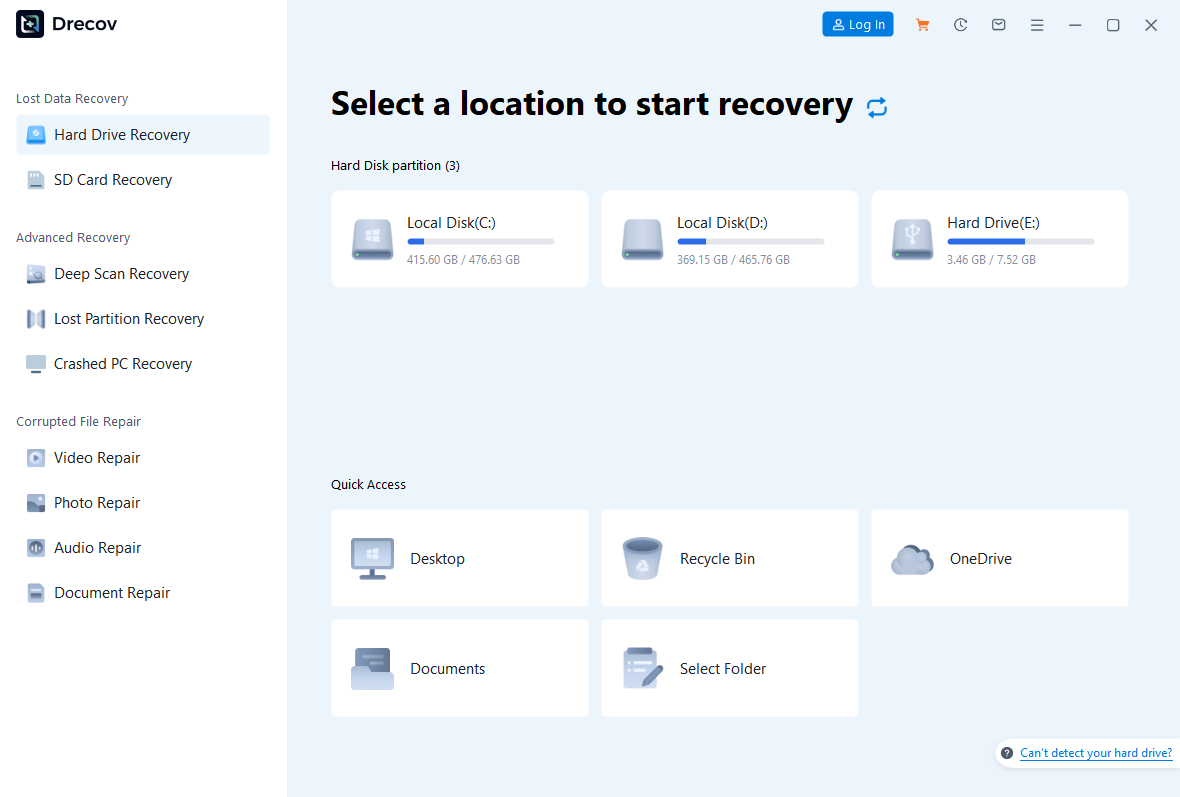
- Step 1: Select the Location. Launch the program and select the disk or folder where your lost files were stored (e.g., your C: drive or “Downloads” folder).
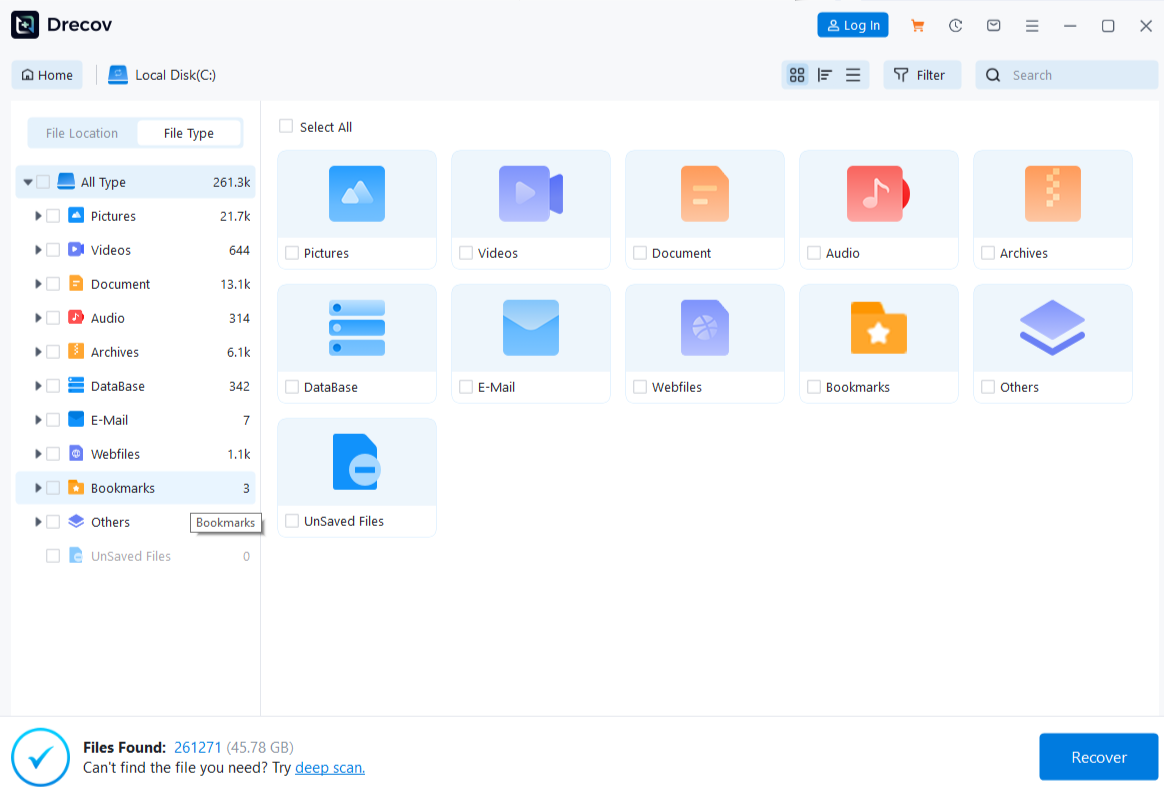
- Step 2: Scan for Files. Click the “Scan” button. PandaOffice Drecov data recovery software will perform a quick scan followed by a deep scan to locate every recoverable fragment of data.
- Step 3: Preview and Filter. Use the preview feature to look at images, documents, or database files. This ensures you are recovering the correct version of your data.
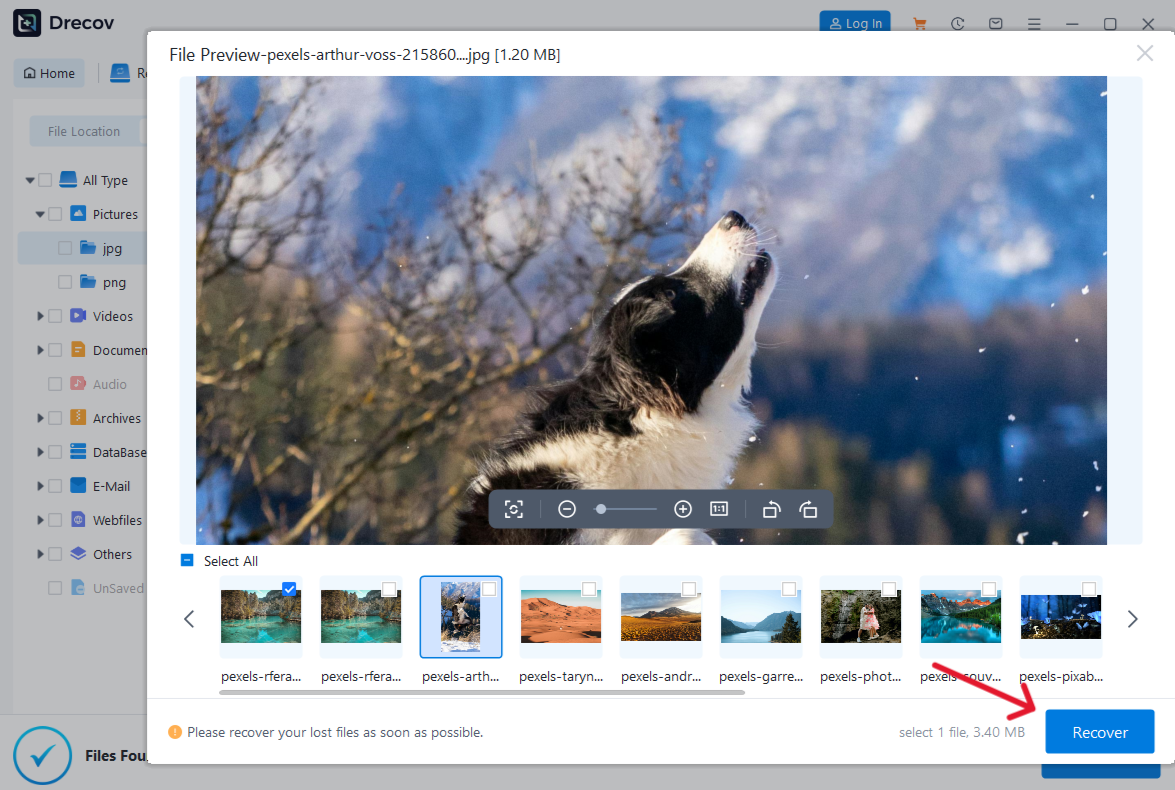
- Step 4: Recover. Select the files you need and click “Recover.” Always save the recovered data to an external drive or a different partition to maintain data integrity.
Using a dedicated tool like PandaOffice Drecov provides a safety net for those times when technical glitches go beyond simple browser settings and affect your actual file system.
How to Turn Hardware Acceleration Back On
Re-enabling Through Settings
Changed your mind? Perhaps you have updated your graphics drivers and want to see if the performance improves. Re-enabling hardware acceleration is just as easy as turning it off.
Simply navigate back to the Settings > General > Performance section. Check the box for “Use recommended performance settings” (which enables hardware acceleration by default), or manually check “Use hardware acceleration when available.” Restart Firefox, and your GPU will take over the heavy lifting once again.
Resetting Firefox Preferences
If things still feel “off” even after toggling the settings, you can reset Firefox settings entirely. This restores default configurations and can fix deeper issues that might have been caused by manual tweaks in about:config. To do this, go to about:support and click on “Refresh Firefox.” This will clear your add-ons and customizations but will keep your bookmarks and passwords safe.
Performance Comparison: On vs Off
Pros and Cons of Hardware Acceleration
| Setting | Advantages | Disadvantages |
| ON | Faster graphics rendering, smoother 4K video, lower CPU usage. | Risk of crashes, visual glitches, and potential driver conflicts. |
| OFF | High stability, eliminates flickering, works on all hardware. | Higher CPU load, potential lag in heavy web apps, shorter battery life on laptops. |
Real-World Use Cases
If you’re using a modern system with updated drivers and a dedicated GPU (like an NVIDIA or AMD card), keeping hardware acceleration ON usually delivers a superior experience. However, on older machines, laptops with integrated Intel graphics, or systems running Linux with specific driver sets, the choice to turn off hardware acceleration firefox can make the browser much more reliable for daily work.
Common Issues After Disabling Hardware Acceleration
Slower Video Playback
Without GPU support, your CPU takes over all decoding tasks. This can lead to slightly slower video playback, especially for high-resolution content like 8K videos. If you notice your computer struggling to play video after disabling this feature, it means your CPU is hitting its limit.
Increased CPU Usage
You might notice your CPU working harder, which can lead to higher temperatures and increased power consumption. This is normal and expected when hardware acceleration is disabled. If you are on a laptop, you might notice your battery draining a bit faster during heavy browsing sessions.
Troubleshooting Graphics and Performance Issues
Updating Graphics Drivers
Sometimes the real issue isn’t the browser—it’s the communication between the browser and the hardware. Before you permanently turn off hardware acceleration firefox, try updating your GPU drivers.
- NVIDIA users: Use GeForce Experience.
- AMD users: Use Radeon Software.
- Intel users: Use the Intel Driver & Support Assistant.Often, a driver update contains the specific “fix” for Firefox’s rendering engine.
Checking Firefox Updates
Mozilla releases updates every few weeks. These updates often include patches for “blacklisted” hardware—specific graphics cards known to cause issues. By keeping Firefox updated, you ensure you have the latest compatibility fixes.
Best Settings for Optimal Firefox Performance
Combining Hardware Settings with Other Tweaks
To get the most out of your browser, don’t just stop at hardware acceleration. You can further optimize performance by:
- Reducing Extensions: Each add-on consumes memory and CPU cycles.
- Managing Tabs: Use a tab suspender if you keep many sites open.
- Clearing Cache: A bloated cache can slow down page loading significantly.
Recommended Configuration Tips
- Keep Firefox updated to the latest version.
- Limit unnecessary add-ons that might conflict with rendering.
- Monitor system performance using the Windows Task Manager (Ctrl+Shift+Esc).
- Adjust settings based on your hardware; what works for a desktop might not work for an ultra-thin laptop.
Internal Resources for Firefox Users
If you have managed to stabilize your browser but are still looking for ways to manage your data or recover lost items, check out these helpful guides:
- Where are Firefox bookmarks stored on your PC? – Find your local bookmark files for manual backup.
- How to delete browser cache in Firefox – Clear out the clutter to improve speed.
- Firefox bookmarks recovery methods – 5 proven ways to get your lost links back.
- How to delete Firefox cookies – Stay updated with the latest privacy steps for 2026.
Turn Off Hardware Acceleration Firefox FAQs
1. Does turning off hardware acceleration improve performance?
In terms of raw speed, no. However, it can significantly improve “perceived performance” by stopping crashes and glitches on incompatible systems.
2. Is hardware acceleration safe to use?
Yes, it is a standard feature in all modern browsers. It is only “unsafe” in the sense that it might cause the browser to crash if your drivers are buggy.
3. Why does Firefox crash with hardware acceleration on?
This is usually due to a mismatch between the version of Firefox you are using and your GPU’s driver. Disabling it forces the browser to use the CPU, which is more universally compatible.
4. Can I turn hardware acceleration off temporarily?
Absolutely. You can toggle the setting in the Firefox menu at any time. It only requires a browser restart to apply.
5. Will disabling it affect gaming or videos?
It might. Web-based games (WebGL) and ultra-high-definition videos might experience lower frame rates because the CPU is not as efficient at processing graphics as the GPU is.
Conclusion
Understanding how to turn off hardware acceleration firefox gives you significant control over your browser’s performance and stability. While the feature is designed to enhance speed and graphics by utilizing your GPU, it doesn’t work perfectly on every hardware configuration. Knowing when and how to disable it can save you from frustrating crashes, visual glitches, and system lag.
The key is balance. If your browser is stable, leave the setting on. If you experience issues, turn it off and see if things improve. And remember, if a crash ever leads to the loss of important data, professional tools like PandaOffice Drecov data recovery software are available to help you recover what you’ve lost. Test your settings, observe how your system responds, and enjoy a smoother, more reliable web experience.






