







Overview of Importing Emails into Outlook
Understanding Email Importing in Outlook Systems
Importing emails into Outlook is a common requirement for users switching devices, changing email providers, or restoring backups. Outlook supports multiple data formats, including PST files, IMAP accounts, and third-party email exports. Knowing how to properly manage email migration ensures that important messages are not lost during transitions.
Many users search for how to import emails into Outlook when setting up a new computer or consolidating multiple email accounts. Outlook acts as a central hub for communication, so importing emails correctly is essential for productivity and data continuity.
In many cases, users also want to import emails into Outlook from older systems like Thunderbird, Gmail, or backup storage. Each method varies depending on file type and account configuration.
Understanding the structure of Outlook data helps reduce errors during import and ensures a smooth transition process.
Why Users Need to Import Emails into Outlook
Common Reasons for Email Migration
There are several scenarios where users need to transfer or restore emails into Outlook. These include system upgrades, account changes, or data recovery needs.
Typical reasons include:
- Switching from Gmail or other email platforms
- Restoring lost or archived emails
- Migrating data to a new computer
- Centralizing multiple email accounts in Outlook
- Recovering backup files after system failure
In some cases, users also try to import outlook emails into gmail, especially when moving away from Microsoft services. However, Outlook remains a preferred platform due to its organization features and enterprise compatibility.
Understanding these scenarios helps users choose the correct method for importing emails into Outlook effectively.
⚠️ Warning: Incorrect import methods may result in duplicate emails or missing attachments.
Methods to Import Emails into Outlook
Method 1: Import Emails Using PST File
Test Environment: Outlook 365 on Windows 11 with local PST backup
One of the most common ways to import emails into Outlook is through PST files. These files store emails, contacts, and folders in a structured format.
Steps:
- Open Outlook and go to File > Open & Export
- Select Import/Export
- Choose Import from another program or file
- Select Outlook Data File (.pst)
- Browse and select your PST file
- Click Finish
This method is widely used for users asking how do i import emails into outlook after reinstalling the application.
⚠️ Warning: Ensure the PST file is not corrupted before importing.
Method 2: Import Emails from Another Email Client
Test Environment: Outlook 2019 with Thunderbird migration
Users switching from other email clients often need to transfer messages into Outlook.
Steps:
- Export emails from the original email client (e.g., MBOX or EML format)
- Open Outlook
- Drag exported files into Outlook folders
- Allow synchronization to complete
This method is useful for cross-platform migration and supports general importing emails into Outlook workflows.
Method 3: Drag and Drop Email Import
Test Environment: Windows 10 with Outlook desktop app
For smaller email transfers, drag and drop is a simple solution.
Steps:
- Open Outlook
- Locate email files (EML format) on your system
- Drag files directly into Outlook folder
- Wait for indexing to complete
This method is best for users who want to quickly import emails into Outlook without using complex tools.
Method 4: Use Outlook Import/Export Wizard
Test Environment: Outlook 365 with Exchange account
The built-in wizard provides a structured way to migrate emails.
Steps:
- Open Outlook
- Go to File > Open & Export
- Click Import/Export Wizard
- Choose import source
- Follow on-screen instructions
This method is commonly used for enterprise users performing bulk importing emails into Outlook operations.
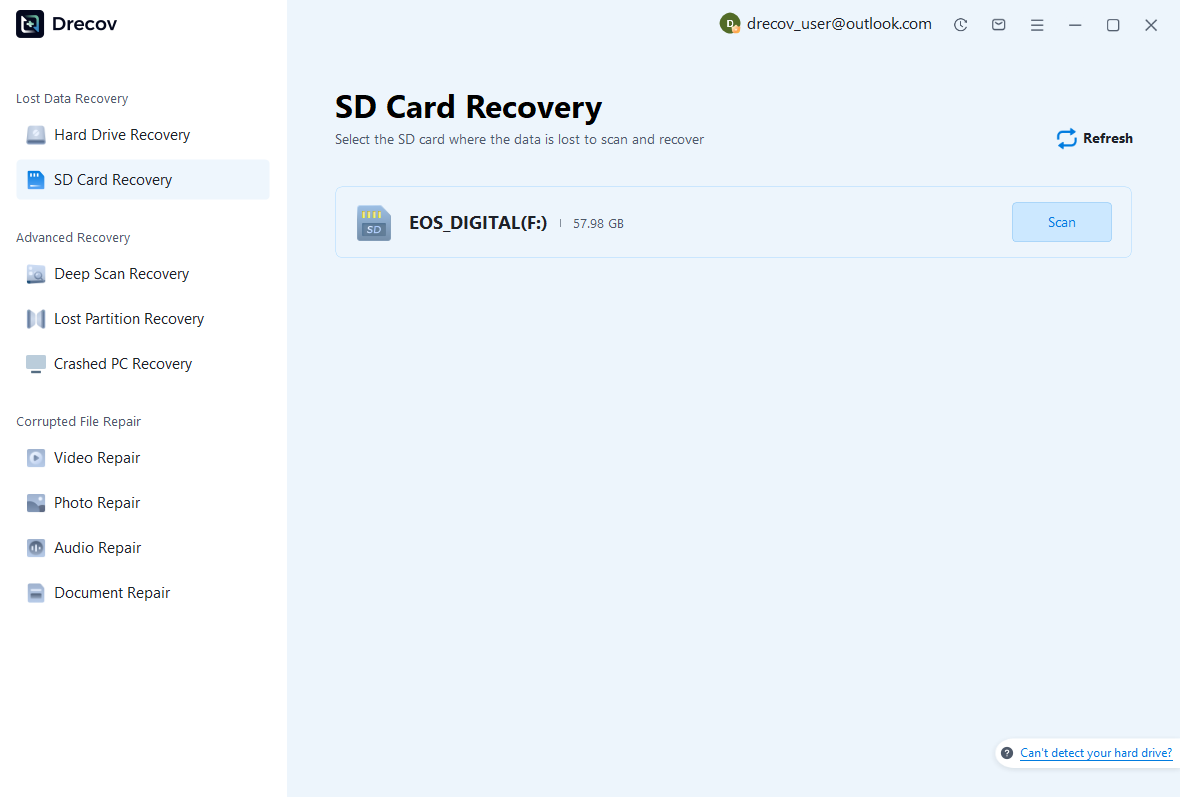
Method 5: Restore Emails Using PandaOffice Drecov
Test Environment: Windows 10 with damaged Outlook PST file
When emails are lost due to corruption or deletion, built-in tools may not be enough. PandaOffice Drecov can scan and recover Outlook data before importing it back.
Steps:
- Launch PandaOffice Drecov
- Select storage location or PST file
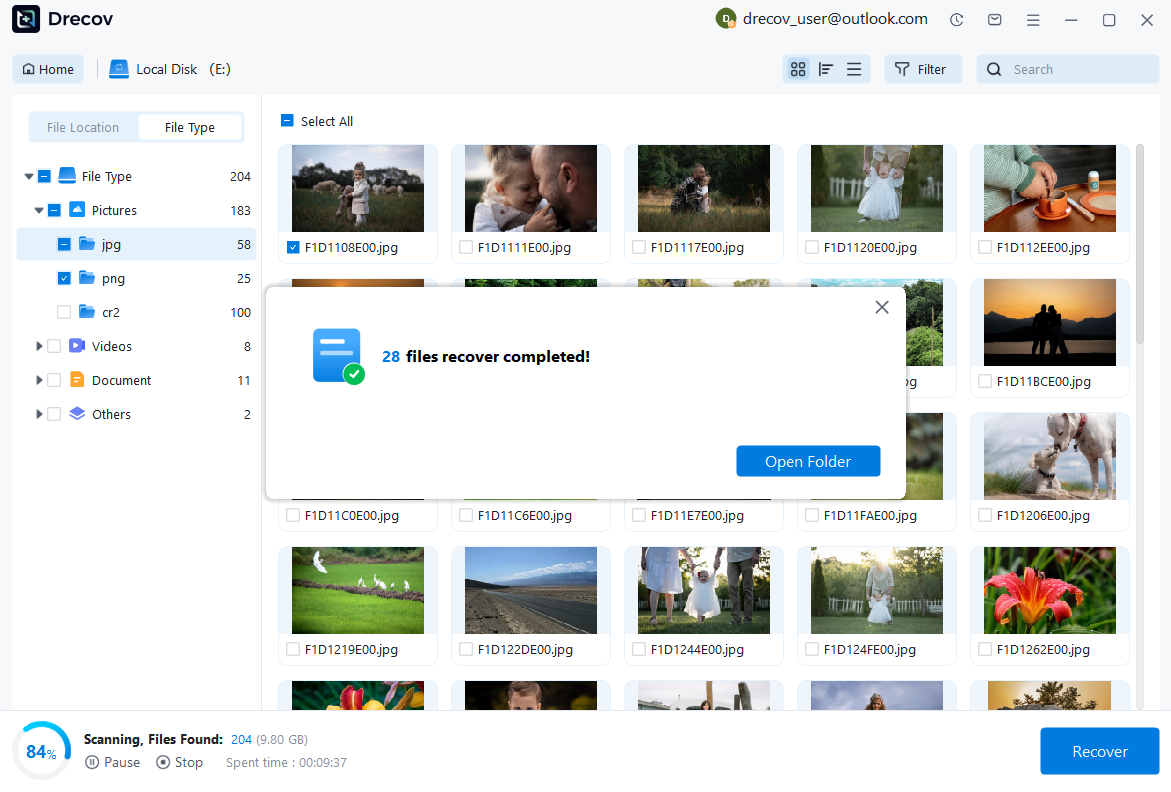
- Run deep scan for lost emails
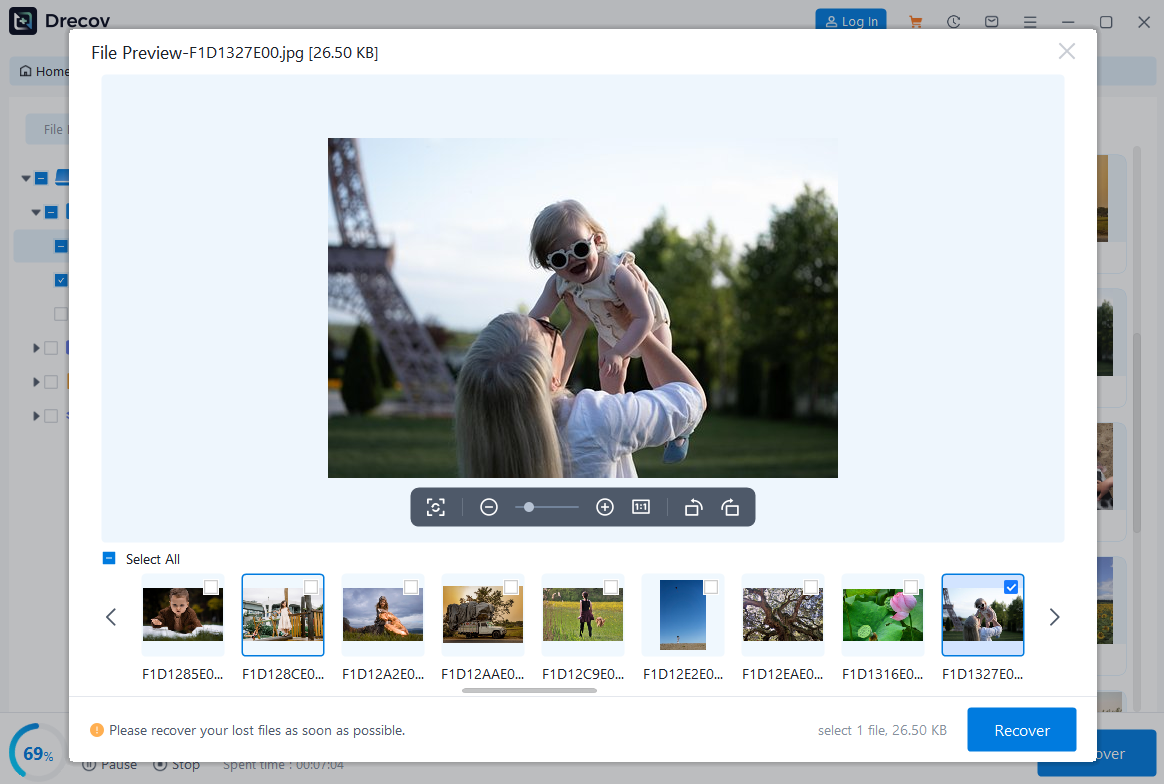
- Preview recoverable email data
- Restore and import into Outlook
This method is especially useful for users who cannot normally import emails into Outlook due to file damage or system failure.
Why Choose PandaOffice Drecov Data Recovery Software?
When it comes to reliable data recovery, PandaOffice Drecov stands out as a powerful, all-in-one solution designed to handle a wide range of data loss scenarios. Whether you’re trying to perform TikTok deleted video recovery, restore files after formatting, or recover important documents, Drecov delivers fast and dependable results.
One of its biggest advantages is versatility. From format data recovery to lost partition recovery, the software can scan deeply and accurately locate files that other tools often miss. Even if your drive has been accidentally formatted or a partition has disappeared, Drecov uses advanced algorithms to reconstruct and retrieve your data with high success rates.
Drecov also supports specialized recovery needs. If you’ve lost important documents, its PDF recovery tool ensures that files retain their original structure and quality. For media users, the audio recovery feature helps restore music, recordings, and other sound files without corruption, making it ideal for both personal and professional use.
Ease of use is another key benefit. The intuitive interface allows beginners to recover files in just a few clicks, while still offering advanced options for more experienced users. Plus, it supports a wide range of storage devices, including HDDs, SSDs, USB drives, and memory cards.
In short, PandaOffice Drecov combines powerful recovery capabilities with user-friendly design, making it a trusted choice for anyone facing data loss.
Method 6: Import Emails from Gmail into Outlook
Test Environment: Outlook 365 connected to Gmail via IMAP on Windows 11
Many users need to import outlook emails into gmail or bring Gmail messages into Outlook for centralized management. Using IMAP is the most reliable method.
Steps:
- Open Gmail settings and enable IMAP access
- Open Outlook and go to File > Add Account
- Enter your Gmail credentials
- Allow synchronization to complete
- Emails will automatically appear in Outlook folders
This method is widely used for cross-platform email management and supports seamless importing emails into Outlook from Google accounts.
⚠️ Warning: Ensure IMAP is enabled in Gmail settings before setup.
Method 7: Import Emails Using Outlook Web Access Sync
Test Environment: Microsoft 365 Outlook Web App (browser-based)
Outlook Web Access can help sync emails when desktop import fails.
Steps:
- Log in to Outlook Web App
- Connect external email accounts
- Allow synchronization
- Wait for emails to appear in Outlook desktop
This method is useful for users asking how to import emails into outlook when desktop tools fail.
Method 8: Import Emails from EML Files
Test Environment: Windows 10 with Outlook desktop app
EML files are single email exports that can be imported easily.
Steps:
- Locate EML files on your system
- Open Outlook
- Drag and drop files into folders
- Wait for Outlook indexing
This is a simple method for users needing to import emails into Outlook without PST conversion.
Method 9: Bulk Email Import via Account Re-Sync
Test Environment: Outlook 2019 with Exchange Online
Sometimes emails appear missing and require re-synchronization.
Steps:
- Open Outlook account settings
- Remove and re-add email account
- Allow full sync process
- Check all folders after sync
This method helps restore large volumes of emails and supports general importing emails into Outlook workflows.
Method 10: Import Emails from Cloud or Backup Storage
Test Environment: Windows 11 with OneDrive backup integration
Emails stored in cloud backups can be restored into Outlook.
Steps:
- Download backup email files from cloud storage
- Extract PST or EML formats
- Open Outlook
- Import using Import/Export Wizard
- Verify email structure
This is a common solution when users ask how do i import emails into outlook after reinstalling systems.
FAQ: Importing Emails into Outlook
How do I import emails into Outlook easily?
The easiest method is using PST file import via Outlook’s Import/Export Wizard. It ensures full folder structure is preserved.
Can I import emails into Outlook without PST file?
Yes, you can use IMAP sync, drag-and-drop EML files, or email client migration tools to complete the process.
Why are some emails missing after import?
This may be due to sync delays, incorrect file formats, or incomplete export processes. Always verify file integrity before importing.
Can I import old Gmail emails into Outlook?
Yes, by enabling IMAP in Gmail and syncing the account with Outlook, all emails will be imported automatically.
Conclusion: Key Takeaways for Outlook Email Import
Final Thoughts on Email Migration
Importing emails into Outlook is essential for users switching devices, restoring backups, or consolidating accounts. With multiple methods available, users can choose based on file type and scenario.
To summarize:
- PST import is best for full backups
- IMAP sync works for Gmail and cloud accounts
- EML drag-and-drop is ideal for small transfers
- Recovery tools like PandaOffice Drecov help in damaged file cases
By understanding these methods, you can confidently handle any situation involving importing emails into Outlook, ensuring your data remains safe, accessible, and well organized.





