







The evolution of artificial intelligence has transformed how we process information, turning complex data analysis into a simple conversation. However, technology is rarely without its hiccups. If you have ever found yourself staring at your screen wondering, “why can’t I add files to ChatGPT,” you are certainly not alone. This issue can range from a missing upload icon to a frustrating error message that prevents your workflow from moving forward.
Understanding the mechanics of file interaction within an AI environment is the first step toward a solution. Whether you are a student trying to summarize a 50-page PDF or a data analyst attempting to process a massive CSV file, encountering an upload block can be a significant hurdle. In this comprehensive guide, we will explore the technical, account-based, and environmental reasons behind these issues, while providing a clear roadmap to restoring your productivity.
Understanding the ChatGPT File Upload Architecture
Before we address the specific fixes, it is essential to understand how ChatGPT handles data. Unlike a simple cloud storage service, ChatGPT does not just “store” your file; it parses, indexes, and prepares the content for its Large Language Model (LLM). This process requires significant computational resources, which is why OpenAI implements various restrictions.
When you ask, “why can’t I add files to ChatGPT,” the culprit is often a mismatch between your file’s properties and the system’s current processing capabilities. As of 2026, the architecture has become more robust, but it still operates within strict parameters to ensure server stability for millions of global users.
Common Reasons for Upload Failures
There are several primary categories where file upload issues typically fall:
- Subscription Tier Limitations: Features like Advanced Data Analysis are often gated behind premium tiers.
- File Integrity Issues: Corrupted or encrypted files cannot be read by the AI.
- Systemic Errors: Server-side outages or maintenance can temporarily disable features.
- Browser Interference: Cache, cookies, or aggressive extensions can break the user interface.
ChatGPT Upload Failed Please Try Again: Troubleshooting Interface Errors
One of the most frequent messages users see is “ChatGPT upload failed please try again.” This generic error often masks a variety of small technical glitches. If you see this, it usually means the handshake between your browser and OpenAI’s servers was interrupted.
Step 1: Perform a Force Refresh
Sometimes the web interface simply gets “stuck.” Instead of a standard refresh, perform a force refresh to clear the temporary cache for that specific page.
- Windows: Press
Ctrl+F5. - Mac: Press
Command+Shift+R.
Step 2: Check System Date and Time
It may sound trivial, but if your computer’s clock is out of sync by even a few minutes, the SSL security certificates will fail. This prevents secure file transfers.
- Windows: Right-click the time in the taskbar > Adjust date and time > Ensure Set time automatically is toggled ON.
- Mac: System Settings > General > Date & Time > Toggle Set time and date automatically.
Step 3: Test in Incognito Mode
Extensions like ad-blockers or “dark mode” plugins can sometimes interfere with the script responsible for the upload button. Open ChatGPT in an Incognito (Chrome) or Private (Firefox/Safari) window. If the upload works there, one of your extensions is the culprit.
ChatGPT File Upload Limit 2026: Knowing the Boundaries
As we navigate through 2026, OpenAI has refined its usage policies. Understanding the ChatGPT file upload limit 2026 is crucial for power users who handle large datasets. If you exceed these limits, the system will silently fail or reject the file without a detailed explanation.
Current Restrictions for 2026
| Feature | Free Users | Plus/Pro Users | Team/Enterprise |
| Max File Size | 512MB | 512MB | 512MB |
| Image Limit | 20MB | 20MB | 25MB |
| Upload Frequency | ~3 files / day | 80 files / 3 hours | 160 files / 3 hours |
| Token Limit | 2 Million | 2 Million | 2 Million |
Warning: Even if your file is under 512MB, it might still fail if it contains more than 2 million tokens of text. The “token limit” refers to the amount of raw text the AI can process at once. High-density PDFs (like legal documents or technical manuals) often hit this limit before they hit the size limit.
Handling Large Files: Step-by-Step
Step 1: Compression
If you are trying to upload a PDF that is over 500MB, use a compression tool. Most of that size is usually taken up by high-resolution images which the AI doesn’t need to read the text.
Step 2: Splitting Datasets
For Excel or CSV files, split the data into multiple smaller files. Upload them one by one, asking the AI to “remember” the context of the previous files.
Step 3: Format Conversion
If a .doc file fails, try saving it as a .docx or a plain .txt file. Plain text is the most reliable format for AI processing because it contains no hidden formatting metadata.
Data Loss During Troubleshooting: A Real Risk
In the process of trying to fix “why can’t I add files to ChatGPT,” many users accidentally delete their local copies or format their drives while trying to “clean” their systems. Furthermore, if your browser crashes during a large file transfer, you might find that the source file has become corrupted.
If you find that your important documents have disappeared or won’t open after a failed upload attempt, you need a professional-grade recovery solution. This is where specialized software becomes a lifesaver.
PandaOffice Drecov Data Recovery Software: Your Safety Net
When local files become inaccessible due to system crashes or accidental deletion during troubleshooting, PandaOffice Drecov data recovery software is the industry standard for retrieving that data. This tool is specifically designed to handle over 2,000 different file types, ensuring that your PDFs, spreadsheets, and images are never truly gone.
⚠ Warning: Install it on a drive different from the one where your data was lost to prevent overwriting.
How to Use PandaOffice Drecov to Recover Lost Files
If you have lost a file while trying to resolve your ChatGPT upload issues, follow these precise steps to get it back.
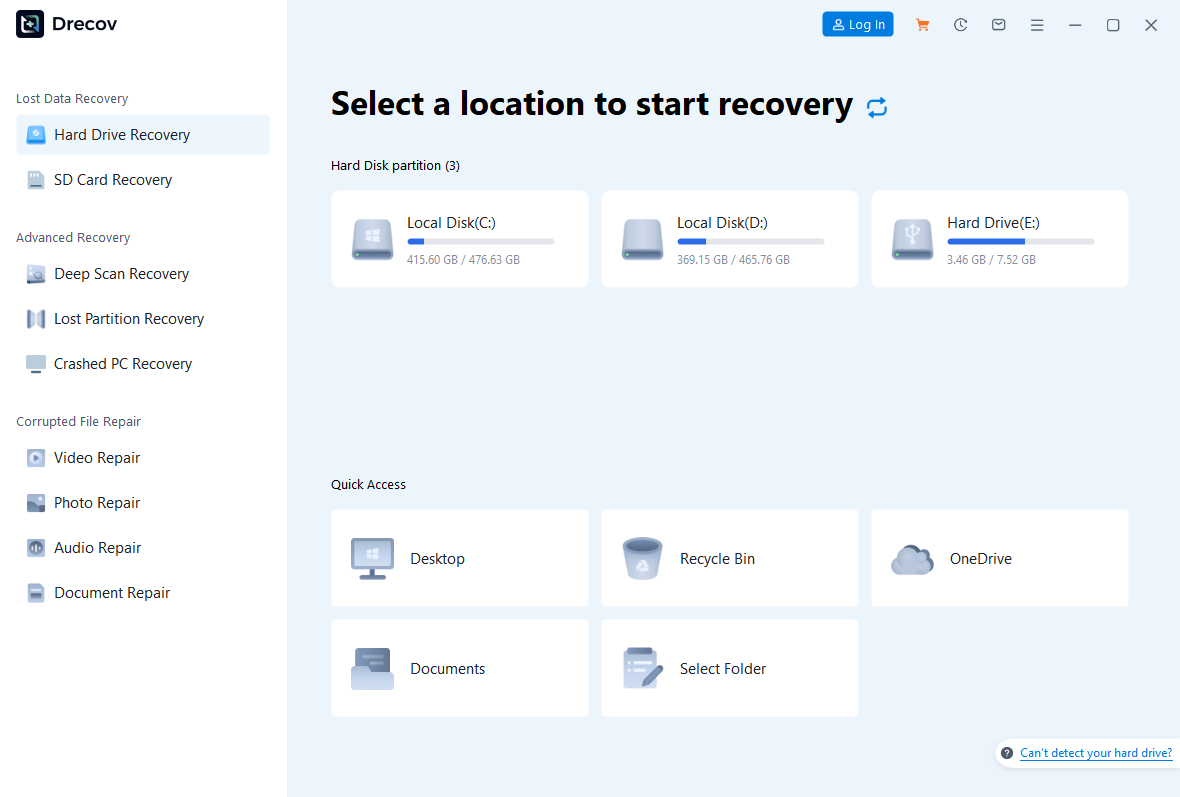
Step 1: Initiate the Deep Scan
Click the “Scan” button. The software will perform a two-stage process: a Quick Scan for recently deleted items and a Deep Scan to find fragmented data deep within the sectors of your drive.
- Key Point: You can use the “Filter” function during the scan to search specifically for
.pdf,.docx, or.xlsxfiles to save time.
Step 2: Preview and Verify
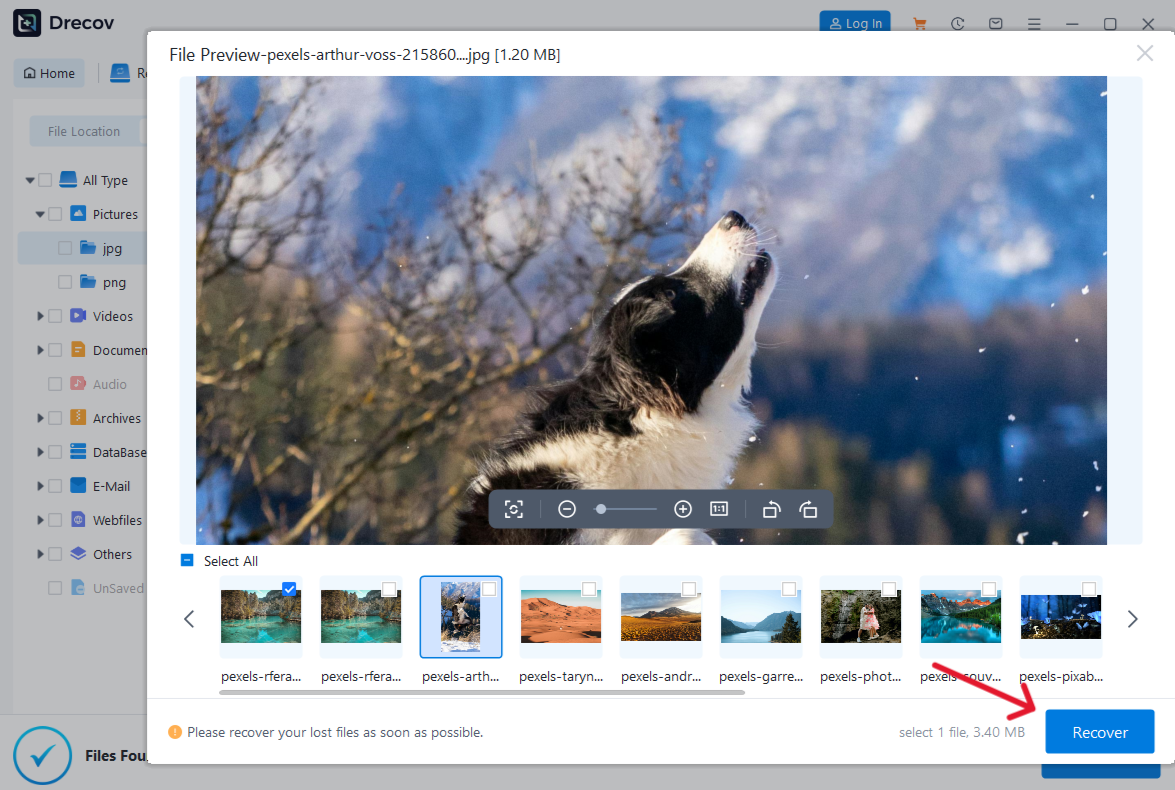
One of the best features of PandaOffice Drecov is the preview capability. Before committing to a recovery, double-click the file in the results list. If you can see the content in the preview window, the file is 100% recoverable.
Step 3: Recover and Save
Select the checkboxes next to the files you need and click the “Recover” button.
Warning: Always save the recovered files to a different drive than the one they were lost from. Saving them back to the same drive can overwrite the very data you are trying to save.
Related Data Recovery Guides
If you found this guide helpful, you might also be interested in our other expert tutorials on maintaining your digital workspace:
- How to recover a deleted draft in Outlook – Quick tips for email recovery.
- Fix LaCie hard drive not showing up on Mac – A complete guide for external drive issues.
- Where is the Firefox bookmarks location? – Find and back up your browser data instantly.
External Resources for Further Reading
To ensure you stay updated on the latest AI and data standards, you may find these resources helpful:
- OpenAI Official Status Page – Check if the servers are down.
- W3C Data Formats Standard – Understanding web-based file transfer protocols.
Advanced Technical Fixes for ChatGPT Upload Issues
If the basic steps didn’t solve the question of “why can’t I add files to ChatGPT,” we need to look deeper into the operating system and browser configurations.
Clearing Browser “State”
Sometimes a simple cache clear isn’t enough. You need to clear the “Site Data” specifically for OpenAI.
- Open Chrome and go to
chatgpt.com. - Click the Lock Icon 🔒 next to the URL.
- Select Cookies and site data > Manage on-device site data.
- Click the trash can icon next to everything listed and restart the browser.
Disabling Experimental Features
OpenAI often tests new features (Beta) that can be unstable.
- Click on your profile name in the bottom left of ChatGPT.
- Go to Settings > General.
- Look for any “Experimental” or “Beta” toggles related to file analysis and try turning them off and then back on.
The Role of Network Security and VPNs
Many users ask, “why can’t I add files to ChatGPT,” while working from a corporate office or using a VPN. Corporate firewalls often have “Deep Packet Inspection” (DPI) enabled. When you try to upload a file, the firewall sees a large stream of data leaving the network and blocks it as a security precaution.
- Solution: Try disconnecting from your VPN or switching to a mobile hotspot. If the upload works on a hotspot, your current network has a restrictive “Upload Policy.”
Summary of Solutions
To recap, if you are struggling with file uploads, follow this order of operations:
- Check your Plan: Ensure your subscription (Plus/Pro) is active.
- Verify File Size: Stay under the 512MB ChatGPT file upload limit 2026.
- Sanitize the File: Ensure no passwords or encryption are active.
- Browser Cleanse: Use Incognito mode or clear site-specific data.
- Recovery: If you lose files during the process, use PandaOffice Drecov data recovery software immediately.
Conclusion
The question “why can’t I add files to ChatGPT” usually has a logical explanation rooted in either account permissions, file size constraints, or browser interference. By understanding the ChatGPT file upload limit 2026 and knowing how to respond when ChatGPT upload failed please try again appears, you can maintain a seamless workflow.
Always remember that while the AI is powerful, your local data is the most valuable asset. Keep a tool like PandaOffice Drecov ready for those moments when technology fails, and you will never have to worry about permanent data loss again.






