







Understanding Memory Leak Issues and System Impact
What Is Memory Leak and How It Affects Performance
To understand how to fix memory leaks, it’s important to first answer a basic question: what is a memory leak? A memory leak happens when a program fails to release memory that it no longer needs. Over time, this unused memory accumulates, reducing the amount of available RAM for other applications.
In a healthy system, applications request memory when needed and release it after completing tasks. However, when a memory leak occurs, the allocated memory remains occupied even after the process ends. This leads to gradual performance degradation.
Symptoms often include slow system response, application crashes, or unusually high RAM usage even when few programs are running. In severe cases, the system may freeze or restart unexpectedly.
Another important concept is leak memory, which describes how memory resources are continuously consumed without being freed. This can affect both small applications and large enterprise systems.
Understanding what is memory leak behavior helps users identify early warning signs and take action before performance becomes critically affected.
⚠️ Warning: Ignoring persistent high memory usage may lead to system instability or data loss over time.
How Memory Leaks Develop in Windows Systems
Memory leaks can develop in various ways, especially in complex operating systems like Windows. Whether you are using older versions or trying to fix memory leak Windows 11, the underlying causes are often similar.
One major source is poorly written software. When developers fail to properly manage memory allocation, applications may continuously consume RAM without releasing it. This is common in outdated or unoptimized programs.
Another factor is long system uptime. Even well-designed applications can gradually accumulate memory issues if they run for extended periods without restarting. This is why servers and workstations sometimes require scheduled reboots.
System updates can also introduce compatibility issues. After installing updates, certain applications or drivers may not function correctly, leading to memory mismanagement.
Additionally, browser extensions and background services are frequent contributors. These processes often run continuously, making them more likely to develop memory leak problems over time.
By recognizing how these issues develop, users can better understand how to fix a memory leak before it severely impacts system performance.
Common Causes Behind Memory Leak Problems
Faulty Applications and Software Bugs
One of the most common causes of memory leak issues is buggy or poorly optimized software. Applications that fail to release memory properly can gradually consume system resources, leading to noticeable slowdowns.
For example, certain media players, browsers, or editing tools may allocate memory for tasks like caching or rendering but fail to free it afterward. Over time, this leads to increased RAM usage even when the application is idle.
Another scenario involves incompatible software updates. When applications are updated without proper testing, new bugs may introduce memory handling issues. This is especially common in beta versions or newly released software.
Understanding this cause is essential when learning how to fix memory leaks, as identifying the problematic application is often the first step toward resolving the issue.
Driver Issues and System Conflicts
Drivers play a critical role in how hardware interacts with the operating system. Outdated or corrupted drivers can lead to leak memory problems by mismanaging system resources.
Graphics drivers, in particular, are known for causing memory-related issues. When they fail to release allocated memory, the system may experience lag, screen freezing, or application crashes.
Conflicts between drivers and system updates can also create instability. For instance, after upgrading to a newer OS version, older drivers may not function correctly, leading to memory leaks.
This is why keeping drivers updated is a key step in how to fix memory leak Windows 11 and earlier versions.
⚠️ Warning: Installing incorrect drivers can worsen system instability. Always download drivers from trusted sources.
Improper Resource Management in Programs
At a deeper level, memory leaks often result from poor resource management within applications. Developers may forget to release memory after completing operations, especially in complex programs.
This issue is common in software that handles large datasets, such as video editing tools or database systems. When memory allocation is not properly controlled, unused resources accumulate quickly.
Another contributing factor is multi-threaded processing. When multiple processes run simultaneously, improper synchronization can lead to memory not being released correctly.
Understanding these technical causes helps explain why how to fix a memory leak often involves both user-level actions and software updates.
Practical Ways to Fix Memory Leak Windows 11 and Other Versions
Method 1: Use Pandaoffice Drecov to Recover Affected System Files
In some cases, memory leaks are linked to corrupted or missing system files. Using a recovery tool like Pandaoffice Drecov can help restore system stability and resolve hidden issues contributing to memory problems.
Test Environment:
- Windows 11 system
- 16GB RAM
- Frequent memory spikes and system lag
- Suspected corrupted system files
This method involves scanning the system for damaged files and restoring them to a stable state. While not a direct fix for all memory leaks, it can address underlying issues that contribute to resource mismanagement.
Steps include:
- Install and launch Pandaoffice Drecov
- Select system drive for scanning
- Run a deep scan for corrupted files
- Recover and repair detected issues
- Restart the system
This approach is particularly useful when memory issues are linked to system instability rather than specific applications.


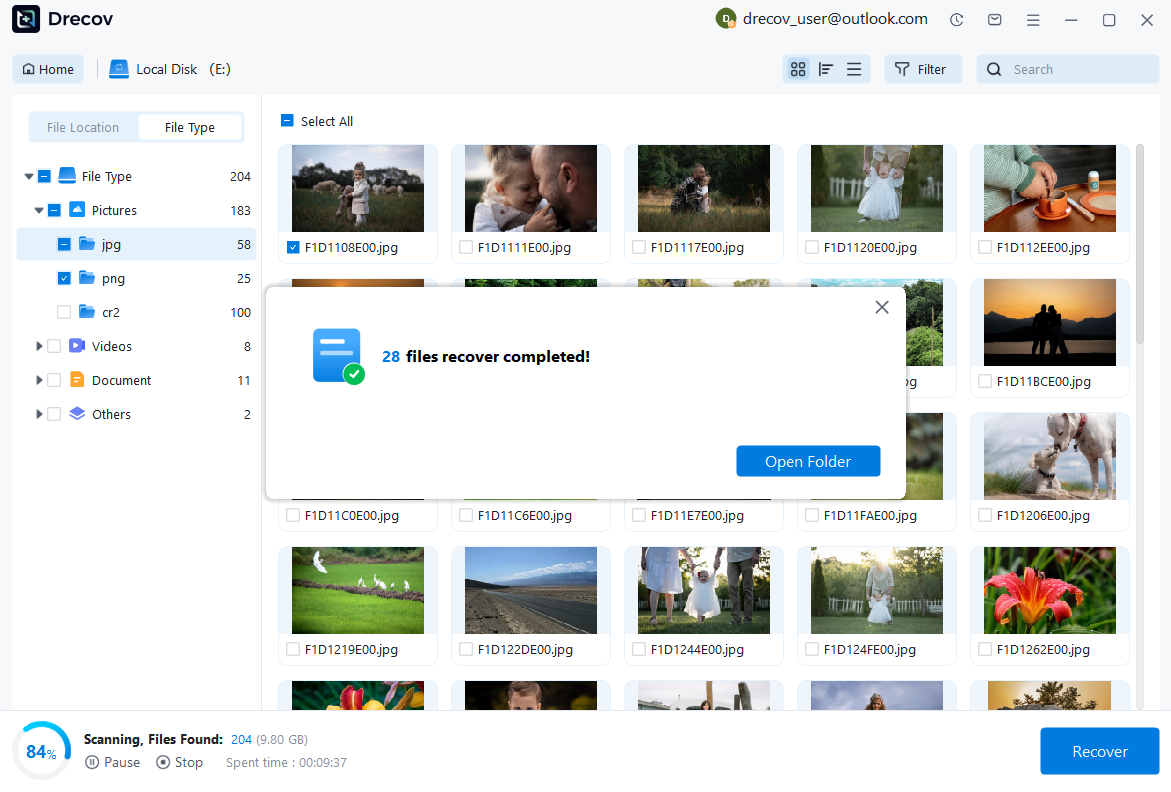
Why Choose PandaOffice Drecov Data Recovery Software?
When it comes to reliable data recovery, PandaOffice Drecov stands out as a powerful, all-in-one solution designed to handle a wide range of data loss scenarios. Whether you’re trying to perform TikTok deleted video recovery, restore files after formatting, or recover important documents, Drecov delivers fast and dependable results.
One of its biggest advantages is versatility. From format data recovery to lost partition recovery, the software can scan deeply and accurately locate files that other tools often miss. Even if your drive has been accidentally formatted or a partition has disappeared, Drecov uses advanced algorithms to reconstruct and retrieve your data with high success rates.
Drecov also supports specialized recovery needs. If you’ve lost important documents, its PDF recovery tool ensures that files retain their original structure and quality. For media users, the audio recovery feature helps restore music, recordings, and other sound files without corruption, making it ideal for both personal and professional use.
Ease of use is another key benefit. The intuitive interface allows beginners to recover files in just a few clicks, while still offering advanced options for more experienced users. Plus, it supports a wide range of storage devices, including HDDs, SSDs, USB drives, and memory cards.
In short, PandaOffice Drecov combines powerful recovery capabilities with user-friendly design, making it a trusted choice for anyone facing data loss.
Method 2: Restart and Monitor Memory Usage
A simple yet effective way to manage memory leak problems is to restart your system regularly. Restarting clears temporary memory usage and resets all running processes.
Test Environment:
- Windows 10 laptop
- 8GB RAM
- High memory usage after long uptime
After restarting, users can monitor memory usage through Task Manager. This helps identify applications that consume excessive resources over time.
Steps include:
- Restart your computer
- Open Task Manager (
Ctrl + Shift + Esc) - Navigate to the “Processes” tab
- Monitor memory usage trends
- Identify suspicious processes
This method provides a quick temporary fix and helps diagnose which applications may be causing the issue.
⚠️ Warning: Frequent restarts may indicate deeper system problems that require further investigation.
Method 3: Update Drivers and Windows System
Outdated drivers and system components are a major contributor to memory leak issues. Keeping your operating system and drivers up to date is one of the most reliable ways to maintain stable performance and prevent resource mismanagement.
Test Environment:
- Windows 11 desktop
- 32GB RAM
- Memory usage gradually increasing during normal use
- Outdated GPU and chipset drivers
When drivers are outdated, they may not properly communicate with the operating system, leading to inefficient memory handling. Updating them ensures compatibility and often includes bug fixes that resolve leak memory problems.
Steps to follow:
- Open Settings and go to “Windows Update”
- Click “Check for updates” and install all pending updates
- Open Device Manager
- Expand categories such as Display Adapters and Network Adapters
- Right-click each device and select “Update driver”
After completing updates, restart your system and monitor performance. Many users notice immediate improvements in RAM usage stability.
This method is especially effective when learning how to fix memory leak Windows 11, as newer updates frequently address performance-related bugs.
Method 4: Close Background Apps and Disable Startup Programs
Too many background processes can worsen a memory leak by continuously consuming system resources. Disabling unnecessary startup programs helps reduce memory load and improves system responsiveness.
Test Environment:
- Windows 10 laptop
- 8GB RAM
- High memory usage immediately after startup
Many applications automatically launch at startup and continue running in the background. Some of these may have hidden memory issues that contribute to long-term performance degradation.
Steps include:
- Open Task Manager
- Navigate to the “Startup” tab
- Identify unnecessary programs
- Right-click and select “Disable”
- Restart the system
Additionally, you can close unused background apps from the “Processes” tab to free up memory instantly.
This method is particularly useful for users trying to understand how to fix a memory leak caused by excessive background activity rather than a single faulty application.
⚠️ Warning: Do not disable essential system processes, as this may cause system instability.
Method 5: Increase Virtual Memory (Paging File Adjustment)
When physical RAM is insufficient, Windows uses virtual memory (paging file) as an extension. Adjusting this setting can help mitigate the effects of a memory leak by providing additional space for processes.
Test Environment:
- Windows 11 PC
- 8GB RAM
- Frequent application crashes due to high memory usage
Increasing virtual memory does not fix the root cause but can significantly improve system stability while you address the issue.
Steps to follow:
- Open Control Panel and go to “System”
- Click “Advanced system settings”
- Under Performance, select “Settings”
- Go to the “Advanced” tab and click “Change” under Virtual Memory
- Disable automatic management and set a custom size
A common recommendation is to set the paging file size to 1.5–2 times your physical RAM.
This approach is helpful when dealing with persistent leak memory issues that cannot be resolved immediately.
Method 6: Reinstall Problematic Applications
If a specific application is causing a memory leak, reinstalling it can resolve corrupted files or configuration errors.
Test Environment:
- Windows 10 system
- 16GB RAM
- Memory usage spikes when using a specific application
Applications may develop memory issues due to incomplete updates or corrupted installations. Reinstalling ensures a clean setup and removes faulty components.
Steps include:
- Open Control Panel → Programs and Features
- Locate the problematic application
- Click “Uninstall”
- Restart your system
- Download and install the latest version
After reinstalling, monitor memory usage to confirm whether the issue has been resolved.
This method is particularly effective when identifying how to fix memory leaks caused by a single application rather than system-wide issues.
Frequently Asked Questions About Memory Leak Fixes
What is a memory leak and why does it happen?
A memory leak occurs when a program uses memory but fails to release it after completing its task. Over time, this unused memory accumulates and reduces system performance.
The main causes include software bugs, outdated drivers, and improper resource management. Understanding what is memory leak behavior helps users detect issues early and apply appropriate solutions.
Can memory leaks damage my computer?
While a memory leak does not physically damage hardware, it can severely impact system performance. Continuous high memory usage may lead to crashes, freezes, or data loss.
If left unresolved, it can also shorten the lifespan of components due to increased system strain. This is why learning how to fix a memory leak is essential for maintaining a stable system.
How do I identify a memory leak in Windows?
You can identify a memory leak by monitoring RAM usage in Task Manager. If memory usage keeps increasing over time without corresponding activity, it is likely a leak.
Performance Monitor and Resource Monitor are also useful tools for tracking memory behavior in detail.
Is upgrading RAM a solution for memory leaks?
Upgrading RAM can temporarily reduce the impact of a memory leak, but it does not solve the root cause. The underlying issue must still be addressed through software fixes or updates.
Final Thoughts on Fixing Memory Leak Issues
Dealing with a memory leak can be frustrating, especially when it affects daily productivity. However, once you understand what is a memory leak and how it develops, resolving the issue becomes much more manageable.
Simple fixes like restarting your system or closing background apps can provide immediate relief. More advanced solutions, such as updating drivers or reinstalling applications, address deeper causes.
The key to long-term stability is identifying the root cause and applying targeted solutions. Whether you are trying to fix memory leak Windows 11 or earlier versions, following structured methods ensures better results.
By taking proactive steps and monitoring system performance regularly, you can prevent future issues and maintain a smooth, efficient computing experience.






