







In the modern digital landscape, efficiency is everything. However, few things are as frustrating as being in the middle of a high-stakes gaming session or a critical work project and having a system popup interrupt your flow. If you have ever pressed the Shift key several times in rapid succession, you have likely encountered the “Sticky Keys” prompt. While designed as an accessibility aid, many users find it intrusive. Mastering how to turn off sticky keys is not just about convenience; it is about preventing input errors that can, in extreme cases, lead to unintended file deletions or system errors.
In this guide, we will explore the comprehensive methods to disable this feature across all platforms and, more importantly, how to handle the data loss disasters that sometimes follow keyboard malfunctions.
Understanding Sticky Keys and Accessibility Risks
Sticky Keys is a Windows feature that allows users to press modifier keys (like Ctrl, Alt, Shift, or the Windows Logo key) one at a time rather than holding them down simultaneously. While this is a breakthrough for users with limited mobility, for the average user, it can cause the keyboard to behave unpredictably.
Imagine you are trying to select multiple files to move them to a backup drive. If Sticky Keys is active, a single accidental press of the Delete key while a modifier is “stuck” could bypass the Recycle Bin or trigger a bulk deletion you didn’t intend. Understanding how to turn off sticky keys is the first step in safeguarding your digital workspace.
How to Turn Off Sticky Keys Windows 10/11 Shortcut
The fastest way to toggle this feature is through a physical shortcut. This is often how users accidentally enable it in the first place, but it serves as the quickest exit strategy as well.
The 5-Shift Method
- Step 1: Press the Shift key rapidly five times.
- Step 2: A dialog box will appear asking, “Do you want to turn on Sticky Keys?”
- Step 3: If the feature is already on, clicking the link labeled “Disable this keyboard shortcut in Ease of Access keyboard settings” will take you directly to the menu to kill the feature for good.
Disabling the Shortcut Permanently
To ensure this never happens again, you must dive into the system settings.
- Step 1: Open the Start Menu and type “Sticky Keys.”
- Step 2: Select “Lock the Sticky Keys modifier key when pressed twice in a row” or “Keyboard accessibility settings.”
- Step 3: Toggle the switch for Sticky Keys to Off.
- Step 4: Uncheck the box that says “Allow the shortcut key to start Sticky Keys.”
For more official documentation on Windows accessibility, you can visit the Microsoft Accessibility Support page.
What to Do If You Accidentally Deleted Files Because of Sticky Keys
It happens more often than you’d think. A user is typing quickly, Sticky Keys activates, and suddenly a combination like Shift + Delete is triggered on a highlighted folder. Unlike a standard deletion, Shift + Delete bypasses the Recycle Bin entirely, making the files appear permanently lost.
When you have accidentally deleted files because of sticky keys, the most important rule is: Stop using the drive immediately. When a file is deleted, the operating system simply marks the space it occupied as “available.” If you continue to save new files or browse the web, you risk overwriting that data, making recovery impossible.
Immediate Response Checklist
- Close all programs: Prevent background processes from writing to the disk.
- Do not restart: Sometimes temporary cache files needed for recovery are cleared during a reboot.
- Prepare a recovery tool: Use a different computer to download recovery software to a USB drive if the data was lost on your primary C: drive.
When Keyboard Malfunction Lead to Data Loss
Beyond Sticky Keys, a literal keyboard malfunction lead to data loss can occur due to hardware failure. A “ghosting” keyboard or a liquid spill can cause keys to fire off commands rapidly. We have seen cases where a malfunctioning Enter key combined with a stray mouse click resulted in the formatting of an external hard drive or the deletion of massive database directories.
If your hardware is acting up:
- Step 1: Disconnect the keyboard immediately.
- Step 2: Use the On-Screen Keyboard (Windows + Ctrl + O) to safely navigate and shut down your work.
- Step 3: Check your file directories. If you notice missing folders, it is time to move from “prevention” to “recovery” mode.
Professional Recovery with PandaOffice Drecov Data Recovery Software
When standard “Undo” commands fail, you need a professional-grade tool. PandaOffice Drecov data recovery software is designed specifically for these high-stress scenarios. It utilizes deep-sector scanning technology to find bits of data that the Windows File Explorer can no longer see.
Whether the loss was due to a keyboard malfunction lead to data loss or a simple human error, here is how to use the tool effectively.
⚠ Warning: Never install the software on the same partition where the lost data was located. If you lost files on your “Documents” (C: drive), install Drecov on a D: drive or an external USB.
Step-by-Step Recovery with PandaOffice Drecov
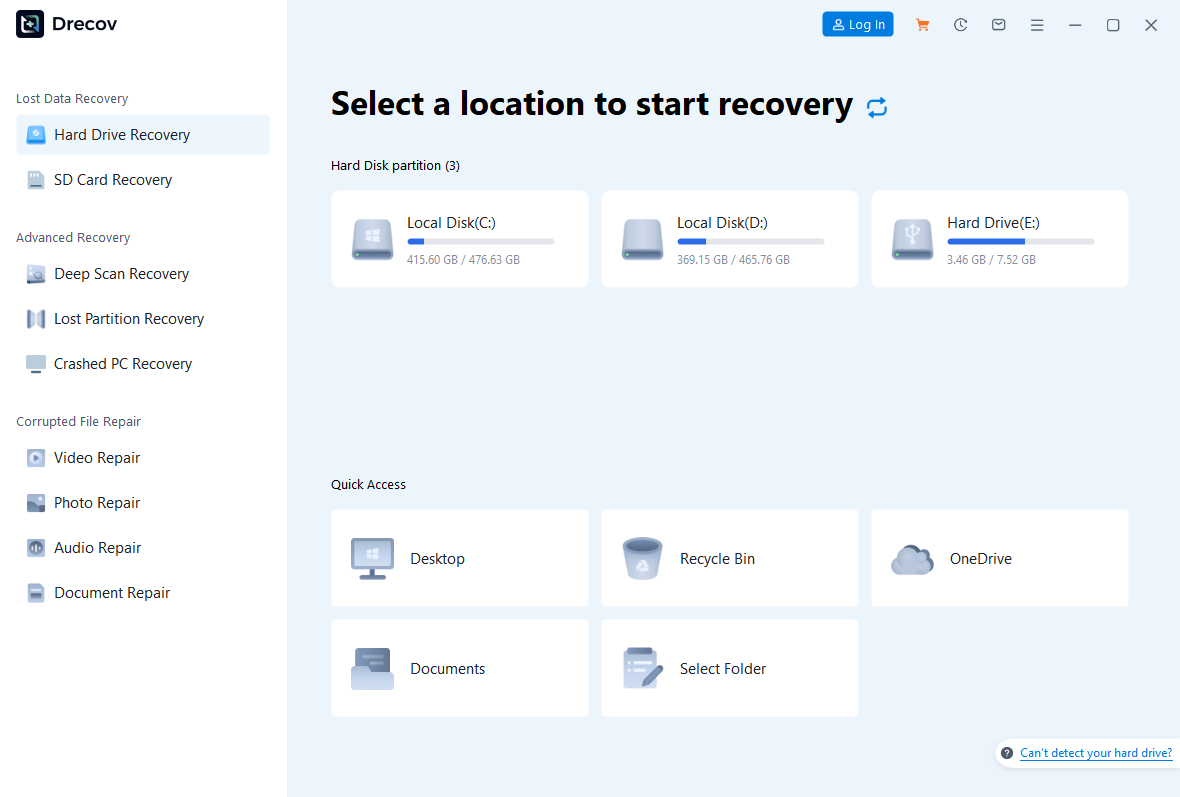
Step 1: Scan for Deleted Files
Launch the program and select the drive or specific folder where the deletion occurred. Click the “Scan” button. The software will perform a Quick Scan followed by a Deep Scan to reconstruct file headers.
Step 2: Preview the Results
One of the best features of PandaOffice Drecov is the preview window. You can view images, documents, and videos before committing to the recovery process. This ensures you are not wasting time on corrupted fragments.
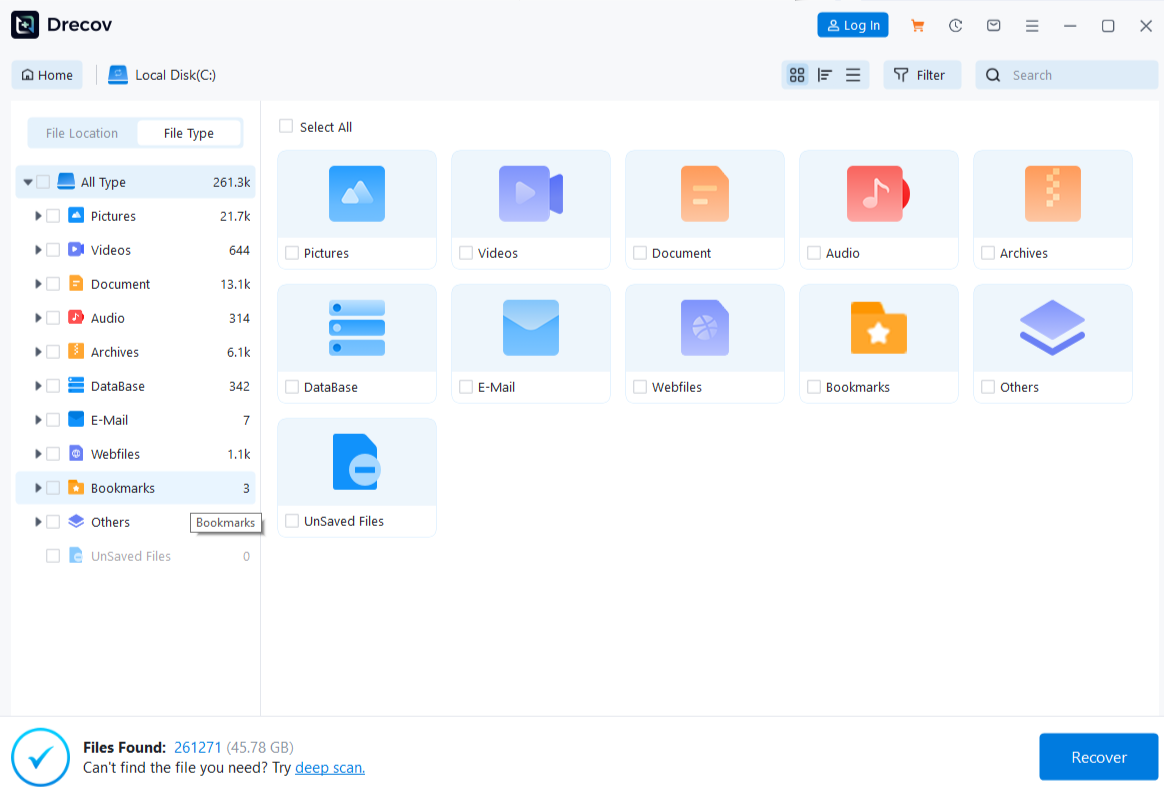
Step 3: Execute Recovery
Select the checkboxes next to the files you wish to retrieve. Click “Recover” and choose a destination path.
Warning: Always save recovered files to a different physical disk to prevent data corruption.
If you found this guide helpful for managing your system settings, you might also be interested in our other technical tutorials:
- Learn how to download video from browser Firefox (2026 Guide)
- How to get your Google Chrome bookmarks back easily
- Complete guide: How to stop Steam from opening on startup
Advanced Methods: How to Turn Off Sticky Keys via Registry
For IT professionals or users who find that Windows keeps re-enabling accessibility features after updates, the Registry Editor offers a more permanent “nuclear” option for how to turn off sticky keys.
- Step 1: Press Windows + R, type
regedit, and hit Enter. - Step 2: Navigate to the following path:
HKEY_CURRENT_USER\Control Panel\Accessibility\StickyKeys - Step 3: On the right pane, locate the string value named Flags.
- Step 4: Double-click it and change the value to 506. This specific value tells Windows to disable Sticky Keys and the shortcut trigger.
- Step 5: Navigate to the
Keyboard ResponseandToggleKeysfolders in the same directory and ensure their “Flags” are also set to “122” and “58” respectively if you wish to disable all accessibility triggers. - Step 6: Restart your computer for changes to take effect.
How to Turn Off Sticky Keys on macOS
Apple users aren’t immune to this. In macOS, the feature is tucked away in the System Settings but is equally easy to manage.
- Step 1: Click the Apple Menu and select System Settings.
- Step 2: Navigate to Accessibility in the sidebar and click on Keyboard.
- Step 3: Locate the Sticky Keys toggle and switch it to Off.
- Step 4: Click the (i) information icon next to the toggle and ensure “Press the Shift key five times to toggle Sticky Keys” is disabled.
For more on Mac-specific shortcuts, check the Official Apple Support.
Preventing Future Data Loss: A Proactive Approach
Now that you know how to turn off sticky keys and have explored PandaOffice Drecov data recovery software, the final step is building a resilient workflow. Keyboard issues are often the symptom of a larger problem—either software bloat or aging hardware.
Best Practices for 2026
- Disable Filter Keys and Toggle Keys: Like Sticky Keys, these can cause lag in your typing. Find them in the same “Ease of Access” menu.
- Regular Backups: Use the 3-2-1 backup rule (3 copies of data, 2 different media, 1 offsite).
- Keyboard Maintenance: Clean your mechanical switches. Dust can cause a key to “stick” electronically, mimicking the Sticky Keys feature and causing unintended commands.
Conclusion
Technical hiccups like Sticky Keys are a rite of passage for computer users. Whether you are a gamer looking for uninterrupted performance or a professional who accidentally deleted files because of sticky keys, there is always a solution. By keeping PandaOffice Drecov in your digital toolkit and knowing the hidden corners of your Windows or Mac settings, you can ensure that a simple keyboard malfunction lead to data loss is nothing more than a minor speed bump.
Remember, the key to a stress-free computing experience is customization. Don’t let default settings dictate your productivity. Take five minutes today to verify your accessibility settings, turn off what you don’t need, and keep your data safe.






