







Introduction to Windows Update KB5063878 and Missing Drives Issue
What Happens After Installing Windows 11 KB5063878
The windows update kb5063878 has recently triggered unexpected storage-related issues for many users. After installing windows 11 kb5063878, some systems fail to detect internal or external drives, including both SSDs and HDDs. This issue can appear suddenly after rebooting, leaving users unable to access important data.
Reports show that the kb5063878 ssd issue often presents as missing partitions, unrecognized disks in File Explorer, or drives showing up as “unallocated” in Disk Management. While the update aims to improve system security and performance, it has also introduced compatibility concerns with certain storage drivers and firmware configurations.
The problem is not limited to a specific hardware brand, which raises concerns about which ssds are affected by kb5063878. Users across different setups—from gaming PCs to office laptops—have experienced similar failures.
⚠️Warning: Avoid formatting or initializing the missing drive immediately, as it may lead to permanent data loss.
Why Windows 11 KB5063878 Causes SSD and HDD to Disappear
Driver Conflicts and Storage Controller Issues
One of the most common causes behind windows 11 kb5063878 problems is outdated or incompatible storage drivers. During the update process, Windows may overwrite existing drivers with newer versions that are not fully compatible with your SSD or motherboard chipset.
This mismatch can prevent the system from properly communicating with the drive. As a result, the disk may not appear in File Explorer or may show errors in Device Manager.
Firmware Compatibility Problems
Another key factor is firmware incompatibility. Some SSDs rely on specific firmware versions to maintain stable communication with the operating system. The windows update kb5063878 may alter how storage devices are accessed, exposing weaknesses in older firmware.
This is especially relevant when discussing which ssds are affected by kb5063878, as older models or those without recent firmware updates are more vulnerable.
Partition Table or File System Corruption
In certain cases, the update process can interfere with the partition table or file system. This can cause drives to appear as “RAW” or unallocated, even though the data still exists.
BIOS/UEFI Configuration Changes
Some users report that BIOS settings reset after installing windows 11 kb5063878, particularly storage-related configurations like AHCI or RAID modes. If these settings change unexpectedly, Windows may fail to recognize the connected drives.
How to Fix SSD/HDD Not Showing After KB5063878 Update
Method 1: Check Disk Management for Hidden or Unallocated Drives
Test Environment:
- Windows 11 system updated with windows 11 kb5063878
- SSD not visible in File Explorer but detected by BIOS
Start by verifying whether the drive is still recognized by the system.
Steps:
- Press
Win + Xand select Disk Management - Look for disks marked as “Unallocated” or without a drive letter
- Right-click the drive and choose Change Drive Letter and Paths
- Assign a new letter and confirm
If the drive appears as unallocated, avoid creating a new volume immediately. This may overwrite existing data.
This method works best when the issue is related to minor partition visibility errors rather than deeper system conflicts caused by windows 11 kb5063878 problems.
Method 2: Update or Roll Back Storage Drivers
Test Environment:
- System with Intel/AMD storage controller
- Drive missing after installing windows update kb5063878
Driver issues are a leading cause of the kb5063878 ssd problem.
Steps:
- Open Device Manager
- Expand Disk Drives and Storage Controllers
- Right-click the affected device and select Update Driver
- Choose Search automatically for drivers
If updating does not work:
- Right-click the device again
- Select Properties > Driver tab
- Click Roll Back Driver (if available)
Rolling back is especially useful when the issue started immediately after installing windows 11 kb5063878.
⚠️Warning: Restart your system after making driver changes to ensure they take effect.
Method 3: Recover Lost Data Using PandaOffice Drecov
Test Environment:
- SSD showing as RAW or unallocated
- Data inaccessible after windows 11 kb5063878 update
When your drive becomes unreadable, data recovery should be your priority. This is where PandaOffice Drecov becomes essential.
Steps:
- Install and launch PandaOffice Drecov
- Select the affected SSD or HDD
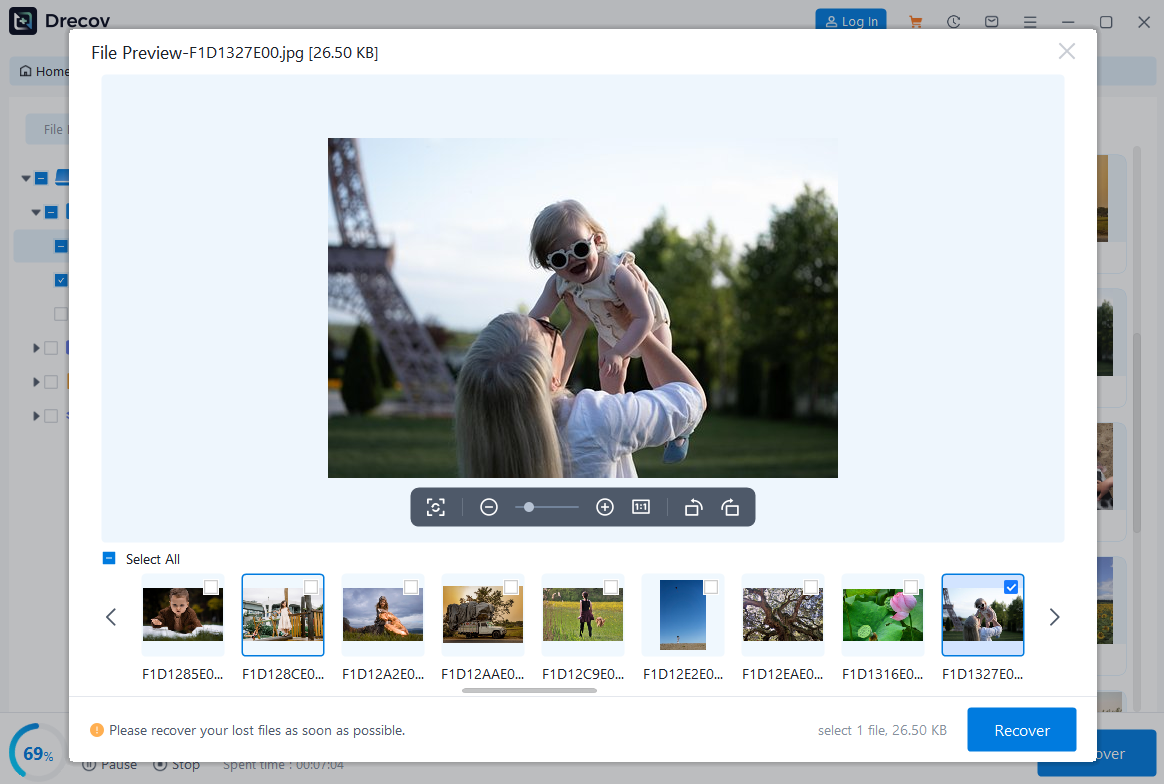
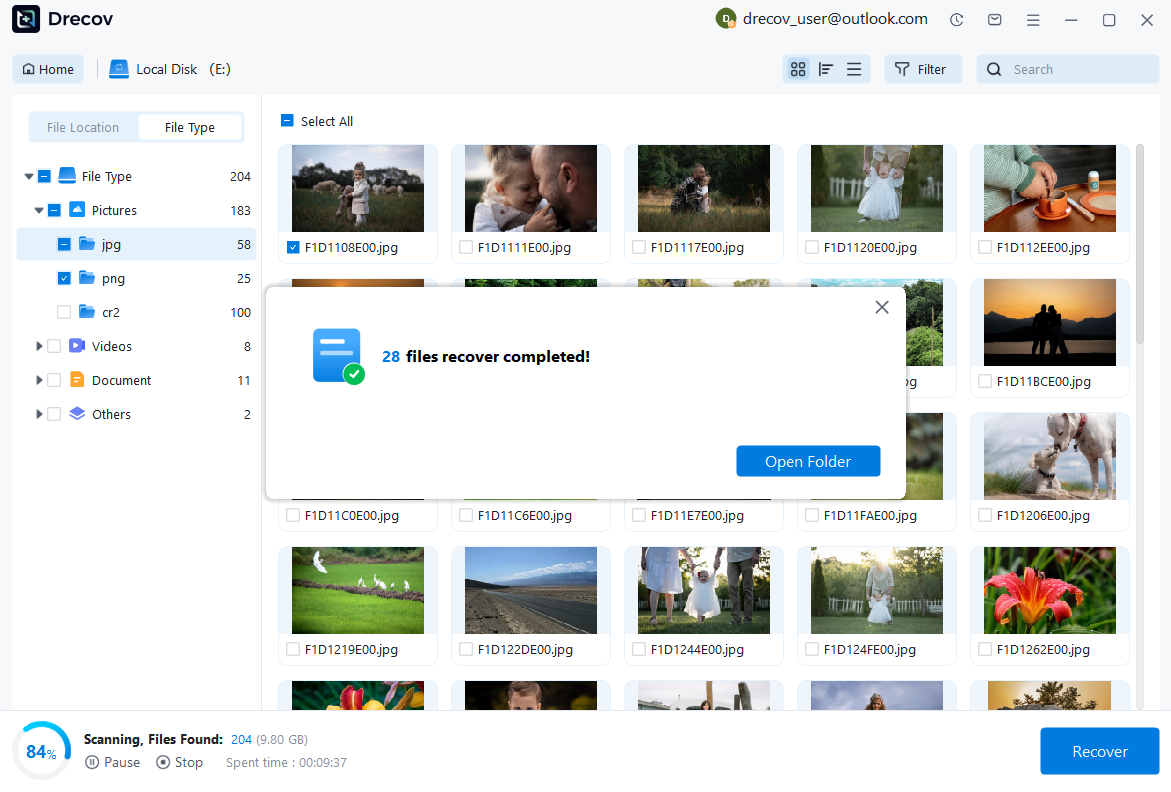
- Run a deep scan to locate lost files
- Preview recoverable data
- Save recovered files to a different storage device
This method is particularly effective when dealing with severe windows 11 kb5063878 problems, such as corrupted partitions or lost file systems.
Unlike simple fixes, this approach ensures that your data is secured before attempting further repairs.

Why Choose PandaOffice Drecov Data Recovery Software?
When it comes to reliable data recovery, PandaOffice Drecov stands out as a powerful, all-in-one solution designed to handle a wide range of data loss scenarios. Whether you’re trying to perform TikTok deleted video recovery, restore files after formatting, or recover important documents, Drecov delivers fast and dependable results.
One of its biggest advantages is versatility. From format data recovery to lost partition recovery, the software can scan deeply and accurately locate files that other tools often miss. Even if your drive has been accidentally formatted or a partition has disappeared, Drecov uses advanced algorithms to reconstruct and retrieve your data with high success rates.
Drecov also supports specialized recovery needs. If you’ve lost important documents, its PDF recovery tool ensures that files retain their original structure and quality. For media users, the audio recovery feature helps restore music, recordings, and other sound files without corruption, making it ideal for both personal and professional use.
Ease of use is another key benefit. The intuitive interface allows beginners to recover files in just a few clicks, while still offering advanced options for more experienced users. Plus, it supports a wide range of storage devices, including HDDs, SSDs, USB drives, and memory cards.
In short, PandaOffice Drecov combines powerful recovery capabilities with user-friendly design, making it a trusted choice for anyone facing data loss.
Method 4: Check BIOS/UEFI Settings
Test Environment:
- Drive not detected in Windows but visible in BIOS
- Issue occurred after windows update kb5063878 installation
Incorrect BIOS settings can prevent Windows from recognizing your drive.
Steps:
- Restart your computer and enter BIOS/UEFI (usually
F2,DEL, orESC) - Navigate to storage configuration settings
- Verify that SATA mode (AHCI/RAID) matches your previous setup
- Ensure the SSD is enabled and detected
- Save changes and exit
If the settings were altered during the update, restoring them can resolve the issue.
This is a common solution when users ask which ssds are affected by kb5063878, as the problem often lies in system configuration rather than the SSD itself.
Method 5: Uninstall Windows 11 KB5063878
Test Environment:
- Issue started immediately after installing windows 11 kb5063878
- No hardware faults detected
If none of the above methods work, removing the update may be necessary.
Steps:
- Go to Settings > Windows Update > Update History
- Click Uninstall updates
- Locate windows update kb5063878
- Select it and click Uninstall
- Restart your computer
This method is often the most effective when dealing with persistent windows 11 kb5063878 problems.
⚠️Warning: Uninstalling updates may expose your system to security vulnerabilities, so consider reinstalling once a stable patch is released.
Method 6: Run CHKDSK to Repair File System Errors
Test Environment:
- Windows 11 system with windows 11 kb5063878 installed
- SSD detected but inaccessible or showing errors
After installing windows update kb5063878, some drives may still appear in the system but cannot be opened. This usually indicates file system corruption rather than hardware failure.
Steps:
- Press
Win + Sand type Command Prompt - Right-click and select Run as administrator
- Enter the command:
chkdsk X: /f /r(replace X with your drive letter) - Press Enter and allow the scan to complete
CHKDSK will check for bad sectors and logical errors, then attempt repairs automatically. This method is effective when the kb5063878 ssd issue results in damaged file structures.
⚠️Warning: Do not interrupt the scan once it begins, as this may cause further corruption.
Method 7: Use DiskPart to Fix Disk Attributes
Test Environment:
- Disk visible but marked as read-only or not accessible
- Issue triggered after windows 11 kb5063878 installation
Disk attribute issues are another cause of windows 11 kb5063878 problems, especially when system permissions are altered during updates.
Steps:
- Open Command Prompt as administrator
- Type
diskpartand press Enter - Enter
list diskto display all drives - Identify your disk and type
select disk X - Run the command:
attributes disk clear readonly - Exit DiskPart and restart your PC
This method helps restore access when the system mistakenly locks the drive after windows update kb5063878.
⚠️Warning: Carefully select the correct disk to avoid modifying the wrong device.
Method 8: Perform System Restore to Reverse the Update
Test Environment:
- System instability after windows update kb5063878
- Restore point created before update installation
If multiple issues appear after installing windows 11 kb5063878, restoring the system to a previous state can resolve them.
Steps:
- Search for Create a restore point
- Click System Restore
- Choose a restore point before windows 11 kb5063878
- Follow the prompts to complete the process
This method is particularly useful when the kb5063878 ssd issue is part of broader system instability.
Which SSDs Are Affected by KB5063878 and Why
Understanding Which SSDs Are Affected by KB5063878
Many users are asking: which ssds are affected by kb5063878? The answer depends less on brand and more on system compatibility.
SSDs most commonly affected include:
- Older SATA SSDs with outdated firmware
- Drives using legacy AHCI configurations
- SSDs dependent on proprietary drivers
While newer NVMe drives are generally more stable, they are not immune to windows 11 kb5063878 problems.
Key Factors Behind SSD Compatibility Issues
Several technical elements determine whether a drive is impacted:
- Firmware version compatibility
- Storage controller mode (AHCI vs RAID)
- Driver updates applied during windows update kb5063878
- Motherboard BIOS/UEFI configuration
The kb5063878 ssd issue is often a result of mismatched communication between the operating system and storage hardware rather than physical damage.
⚠️Warning: Avoid assuming hardware failure before checking drivers and firmware.
Frequently Asked Questions About KB5063878 SSD Issues
Why does Windows 11 KB5063878 cause drives to disappear?
The update can introduce driver conflicts or reset system configurations, leading to detection issues. This is one of the most reported windows 11 kb5063878 problems.
Can I recover data from an SSD affected by KB5063878?
Yes, in most cases. If the drive is still detectable, recovery tools or repair utilities can restore access without formatting.
Should I uninstall Windows update KB5063878?
If none of the fixes work, uninstalling windows update kb5063878 can temporarily resolve the issue. However, it is recommended to reinstall a stable version later.
Which SSD brands are most affected by KB5063878?
There is no single brand responsible. The issue depends on compatibility factors, which is why questions like which ssds are affected by kb5063878 vary widely.
Is the KB5063878 SSD issue permanent?
No, most cases are reversible. With proper troubleshooting, the kb5063878 ssd issue can be resolved without replacing hardware.
Conclusion: Fixing Windows 11 KB5063878 Storage Issues Safely
Final Thoughts on Resolving KB5063878 SSD Problems
The windows update kb5063878 has caused unexpected drive detection issues, but these are usually fixable with structured troubleshooting. From checking Disk Management to performing System Restore, each method targets a specific cause of windows 11 kb5063878 problems.
Understanding which ssds are affected by kb5063878 helps narrow down the root cause and avoid unnecessary hardware replacement. In most cases, the problem lies in software conflicts rather than physical failure.
To prevent future issues:
- Keep firmware and drivers up to date
- Back up important data regularly
- Monitor update stability before installing
By following these practices, you can effectively manage the kb5063878 ssd issue and maintain a stable Windows environment.






