







Unexpected kernel mode trap is bug check 0x7F. Use its trap number, hardware changes, memory tests, and dumps before resetting Windows. Interpret bug check 0x7F, reverse recent hardware or overclock changes, test memory and drivers, and protect files before invasive repair. Begin with parameter one is 0x8, preserve irreplaceable local data, and change one condition at a time so the result remains meaningful. This guide explains “unexpected kernel mode trap” with practical checks that protect important files before system or storage changes.
Use Parameter One to Classify the Trap
UNEXPECTED_KERNEL_MODE_TRAP has bug check value 0x7F. Its first parameter identifies the trap number; Microsoft notes that memory corruption, hardware trouble, and software failures can contribute. Record all parameters and whether the system was overclocked, under load, resuming, or starting. RAM failure clues The fact behind parameter one is 0x8 is documented in the official source for this topic.
| Evidence | Meaning | Next decision |
|---|---|---|
| Parameter one is 0x8 | Double fault | Inspect stack, drivers, and hardware |
| Crash starts after new RAM | Compatibility or settings | Return to supported configuration |
| Only under CPU load | Thermal, power, or overclock path | Use defaults and hardware diagnostics |
| One driver repeats in dumps | Software stack clue | Rollback or supported update |
| Safe Mode also crashes | Core hardware or boot driver | Prioritize diagnostics |
| Boot becomes unreliable | Files may become inaccessible | Recover before reset |
Evidence-Based Diagnostic Walkthrough
Each observation below narrows one decision for parameter one is 0x8. Retest the original symptom after the matching action before escalating, with parameter one is 0x8 used as the comparison point.
Parameter one is 0x8
Read this result in context: double fault. Inspect stack, drivers, and hardware and record the new timing, message, or detection state. For parameter one is 0x8, preserve readable data before any test that writes, removes access, changes boot behavior, or places sustained load on the device.
Crash starts after new RAM
Treat this observation as a branch: compatibility or settings. Return to a supported configuration and compare parameter one is 0x8 after restart. For crash starts after new ram, preserve readable data before any test that writes, removes access, changes boot behavior, or places sustained load on the device.
Only under CPU load
Use this evidence to narrow the cause: thermal, power, or overclock path. Use defaults and hardware diagnostics and record the new timing, message, or detection state. For only under cpu load, preserve readable data before any test that writes, removes access, changes boot behavior, or places sustained load on the device.
One driver repeats in dumps
Let this finding limit the next action: software stack clue. Rollback or supported update and record the new timing, message, or detection state. For one driver repeats in dumps, preserve readable data before any test that writes, removes access, changes boot behavior, or places sustained load on the device.
Safe Mode also crashes
Connect this symptom to the safest test: core hardware or boot driver. Prioritize diagnostics and record the new timing, message, or detection state. For safe mode also crashes, preserve readable data before any test that writes, removes access, changes boot behavior, or places sustained load on the device.
Boot becomes unreliable
Interpret this state before changing anything: files may become inaccessible. Recover before reset, then record how parameter one is 0x8 changes afterward. For boot becomes unreliable, preserve readable data before any test that writes, removes access, changes boot behavior, or places sustained load on the device.
Protect Data Before Stress and Firmware Changes
Copy essential files while the computer can stay running. Record firmware settings before loading defaults, and keep BitLocker recovery information available. Do not combine BIOS updates, memory changes, and driver replacements in one attempt. storage stop-code boundary Define success for protect data before stress and firmware changes and identify the condition that ends DIY work. A changed message alone does not prove the underlying device, file, application, or Windows installation is healthy, with parameter one is 0x8 used as the comparison point.
Recover Files When the Kernel Trap Prevents Booting
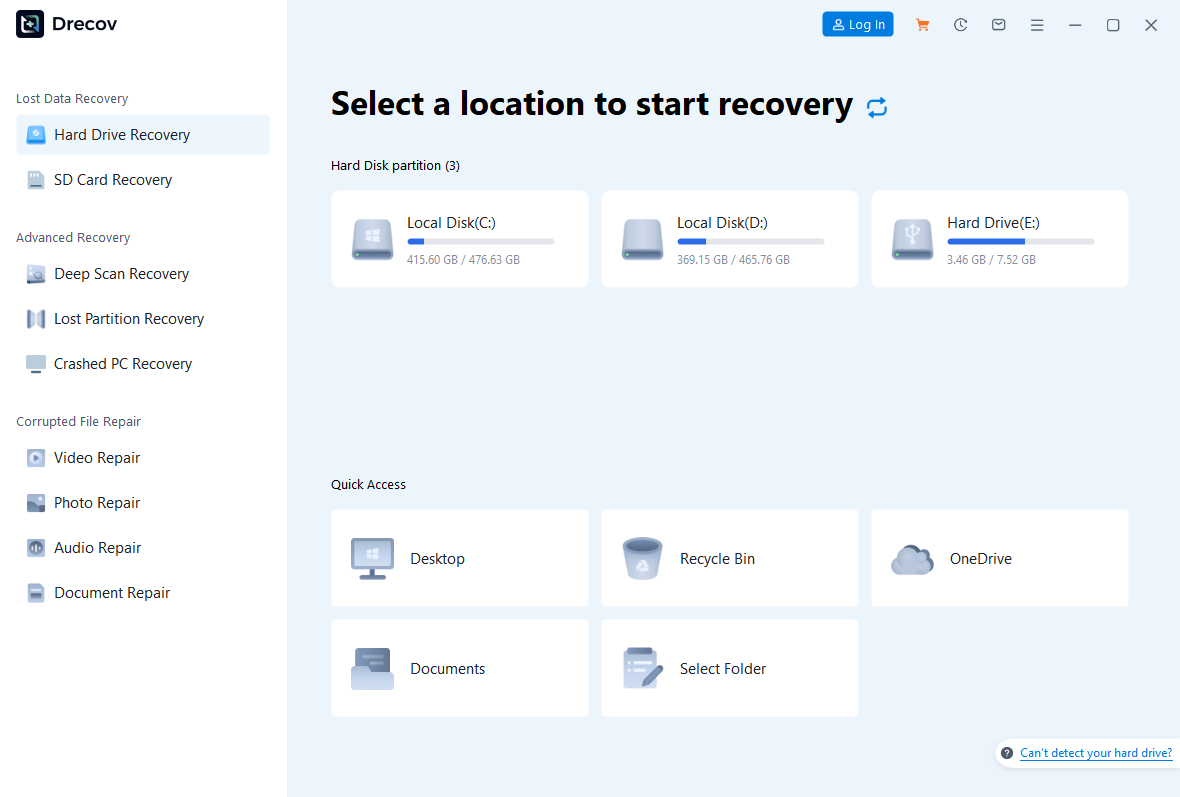
Drecov provides a data-first route only if the system disk is stable and recognized. For this parameter one is 0x8 situation, PandaOffice Drecov provides a read-only Windows recovery workflow with Quick Scan, Deep Scan, filters, supported-file preview, Lost Partition Recovery, and a selectable healthy destination. It cannot repair hardware or recreate overwritten data.
⚠ Warning: Install it on a drive different from the one where your data was lost to prevent overwriting.
Step 1: Protect With the Original Loss Location
Open PandaOffice Drecov from healthy Windows and select the original Windows disk connected to a healthy Windows system. Install and run the software away from the partition that lost data, with parameter one is 0x8 used as the comparison point. A source showing safe mode also crashes or severe instability should be imaged or referred to a professional instead of scanned repeatedly.
Step 2: Inspect From Quick Scan to Deep Scan
Use Quick Scan for recent deletion or a newly missing path. Continue to Deep Scan only if only under cpu load leaves required data absent and the device stays stable. Choose Lost Partition Recovery when a partition entry vanished; do not create a replacement volume first, with parameter one is 0x8 used as the comparison point. Locate current user data, project files, photos, documents, and archives using paths, names, types, and dates.

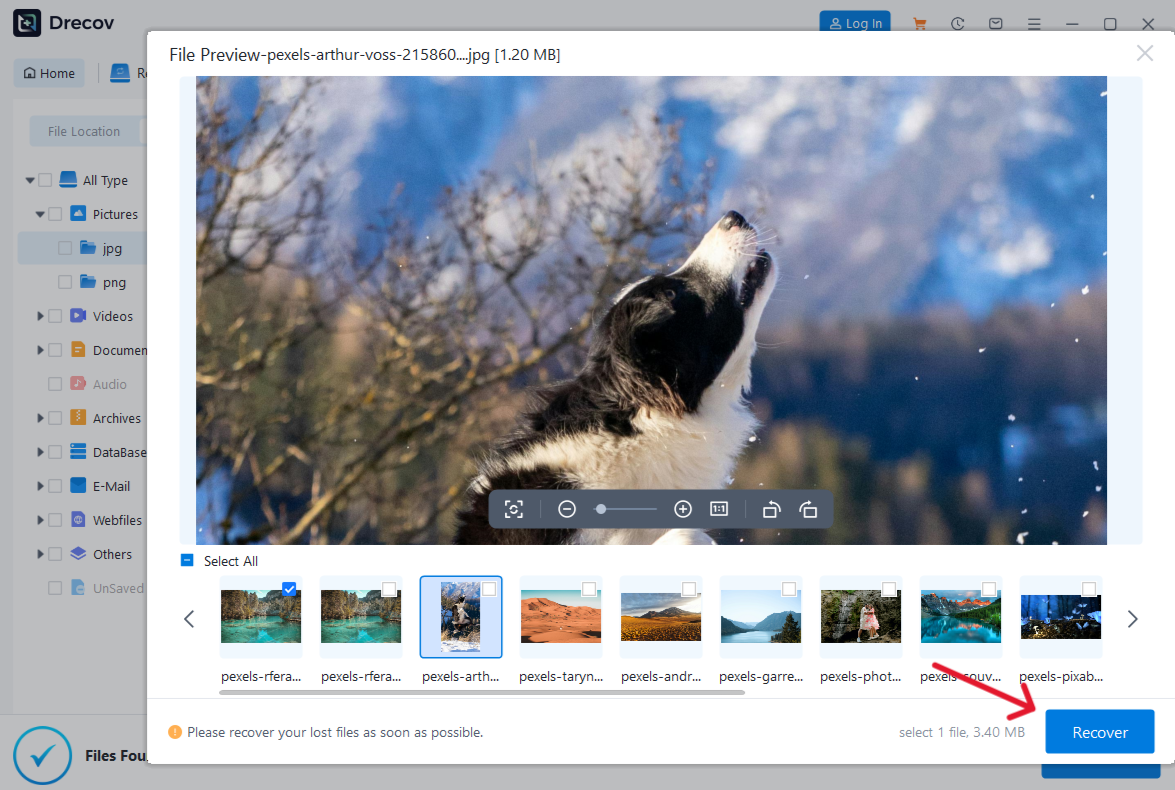
Step 3: Restore With Preview and a Separate Destination
Preview files that represent the important result set, including the types central to this topic, with parameter one is 0x8 used as the comparison point. Save the selection to another healthy physical device rather than the source, with parameter one is 0x8 used as the comparison point. When original paths cannot be reconstructed, review the Drecov folder or Recovery folder, with parameter one is 0x8 used as the comparison point. Verify recovered content before firmware work, reset, or reinstall.
Test the Highest-Value Causes in a Controlled Order
Remove Unsupported Tuning
Return CPU, memory, and voltage settings to manufacturer defaults. A stable result at defaults makes the tuning path relevant. Before remove unsupported tuning, note the starting condition and expected result. If that specific method leaves the symptom unchanged, avoid repeating it and use the new evidence to select a narrower branch, with parameter one is 0x8 used as the comparison point. Keep a log or harmless test item for remove unsupported tuning so the outcome can be compared after restart.
Reverse Recent Hardware Changes
Remove newly added compatible components one at a time when safe. Check seating, power, and vendor support rather than mixing modules. Before reverse recent hardware changes, note the starting condition and expected result. If that specific method leaves the symptom unchanged, avoid repeating it and use the new evidence to select a narrower branch, with parameter one is 0x8 used as the comparison point. Keep a log or harmless test item for reverse recent hardware changes so the outcome can be compared after restart.
Run Memory and Manufacturer Diagnostics
Use Windows Memory Diagnostic and appropriate extended tests. Hardware diagnostics should be run with stable power and recorded results. Before run memory and manufacturer diagnostics, note the starting condition and expected result. If that specific method leaves the symptom unchanged, avoid repeating it and use the new evidence to select a narrower branch, with parameter one is 0x8 used as the comparison point. Keep a log or harmless test item for run memory and manufacturer diagnostics so the outcome can be compared after restart.
Compare Dumps and Driver History
Use repeated module and stack patterns. Install only supported chipset, storage, graphics, and security drivers from trusted sources. Before compare dumps and driver history, note the starting condition and expected result. If that specific method leaves the symptom unchanged, avoid repeating it and use the new evidence to select a narrower branch, with parameter one is 0x8 used as the comparison point. Keep a log or harmless test item for compare dumps and driver history so the outcome can be compared after restart.
Check Cooling and Power Evidence
Unexpected traps under heavy load can accompany overheating or unstable power. Inspect temperatures and manufacturer diagnostics without inventing thresholds. Before check cooling and power evidence, note the starting condition and expected result. If that specific method leaves the symptom unchanged, avoid repeating it and use the new evidence to select a narrower branch, with parameter one is 0x8 used as the comparison point. Keep a log or harmless test item for check cooling and power evidence so the outcome can be compared after restart.
Verify Under the Condition That Used to Fail
After one change, repeat a controlled version of the former load and complete several cold starts. Check for new 0x7F dumps, WHEA events, and changes in parameter one. Preserve the recovery copy until stability is sustained. boot-failure recovery Repeat the original low-risk action tied to verify under the condition that used to fail. Keep the protected copy until results remain consistent and representative recovered files pass their content checks, with parameter one is 0x8 used as the comparison point.
- Treating every trap as a software bug
- Updating firmware without stable power and backups
- Running simultaneous stress tests before file protection
- Mixing unmatched memory modules
- Assuming Safe Mode stability proves hardware health
UNEXPECTED KERNEL MODE TRAP Questions
What does 0x7F mean?
The processor generated a trap that the Windows kernel did not catch.
Is parameter one important?
Yes. It identifies the trap type and changes the diagnostic direction.
Can overclocking cause it?
Unsupported or unstable settings can contribute, so return to defaults for comparison.
Will reinstalling Windows solve it?
Not if RAM, power, cooling, or another hardware component is faulty.
Can Drecov fix the trap?
No. It recovers files from stable storage before disruptive troubleshooting.
Conclusion
Unexpected kernel mode trap should be investigated through its first parameter, recent tuning or hardware changes, memory tests, and repeated dump evidence. Secure local files before firmware work or reinstall. If boot failure blocks a stable disk, Drecov can recover the data to another healthy device while the 0x7F hardware or driver cause is repaired separately.






