







An M3U file stores playlist paths, not audio. Learn M3U versus M3U8, relative and absolute paths, broken links, editing, and recovery. Inspect an M3U as text, repair relative or absolute paths, handle M3U8 encoding, locate missing media, and recover deleted playlists safely. Begin with playlist opens but tracks fail, preserve irreplaceable local data, and change one condition at a time so the result remains meaningful.
The Playlist and the Media Are Separate Files
An M3U file is a text playlist containing local paths or network addresses. It normally does not contain the song or video data. A tiny playlist can therefore reference hundreds of large media files, and copying only the M3U may produce an empty-looking library on another computer. file-extension handling The fact behind playlist opens but tracks fail is documented in the official source for this topic.
| Evidence | Meaning | Next decision |
|---|---|---|
| Playlist opens but tracks fail | Paths no longer resolve | Compare old and new folder roots |
| Only accented names fail | Encoding mismatch | Save as UTF-8 or use M3U8 |
| All entries use drive D | Absolute Windows paths | Replace the root carefully |
| Entries use ../Music | Relative paths | Keep playlist position relative to media |
| Remote streams fail | URL, authentication, or server issue | Test one trusted address |
| M3U itself was deleted | Playlist loss | Recover it and locate media separately |
Evidence-Based Diagnostic Walkthrough
Each observation below narrows one decision for playlist opens but tracks fail. Retest the original symptom after the matching action before escalating, with playlist opens but tracks fail used as the comparison point.
Playlist opens but tracks fail
Read this result in context: paths no longer resolve. Compare old and new folder roots and record the new timing, message, or detection state. For playlist opens but tracks fail, preserve readable data before any test that writes, removes access, changes boot behavior, or places sustained load on the device.
Only accented names fail
Treat this observation as a branch: encoding mismatch. Save as UTF-8 or use M3U8 and record the new timing, message, or detection state. For only accented names fail, preserve readable data before any test that writes, removes access, changes boot behavior, or places sustained load on the device.
All entries use drive D
Use this evidence to narrow the cause: absolute Windows paths. Replace the root carefully and record the new timing, message, or detection state. For all entries use drive d, preserve readable data before any test that writes, removes access, changes boot behavior, or places sustained load on the device.
Entries use ../Music
Let this finding limit the next action: relative paths. Keep playlist position relative to media and record the new timing, message, or detection state. For entries use ../music, preserve readable data before any test that writes, removes access, changes boot behavior, or places sustained load on the device.
Remote streams fail
Connect this symptom to the safest test: uRL, authentication, or server issue. Test one trusted address and record the new timing, message, or detection state. For remote streams fail, preserve readable data before any test that writes, removes access, changes boot behavior, or places sustained load on the device.
M3U itself was deleted
Interpret this state before changing anything: playlist loss. Recover it and locate media separately and record the new timing, message, or detection state. For m3u itself was deleted, preserve readable data before any test that writes, removes access, changes boot behavior, or places sustained load on the device.
Make a Copy and Inspect It as Plain Text
Duplicate the playlist before editing. Open the copy in a text editor, identify line endings and encoding, and check whether entries are relative paths, absolute paths, file URLs, or web addresses. Do not treat untrusted remote playlist links as safe media. recent deletion recovery Define success for make a copy and inspect it as plain text and identify the condition that ends DIY work. A changed message alone does not prove the underlying device, file, application, or Windows installation is healthy, with playlist opens but tracks fail used as the comparison point.
Recover a Deleted Playlist or Its Missing Local Media
Drecov can recover a deleted local M3U and lost media files from stable storage, but it cannot make dead network URLs work. For this playlist opens but tracks fail situation, PandaOffice Drecov provides a read-only Windows recovery workflow with Quick Scan, Deep Scan, filters, supported-file preview, Lost Partition Recovery, and a selectable healthy destination. It cannot repair hardware or recreate overwritten data.
⚠ Warning: Install it on a drive different from the one where your data was lost to prevent overwriting.
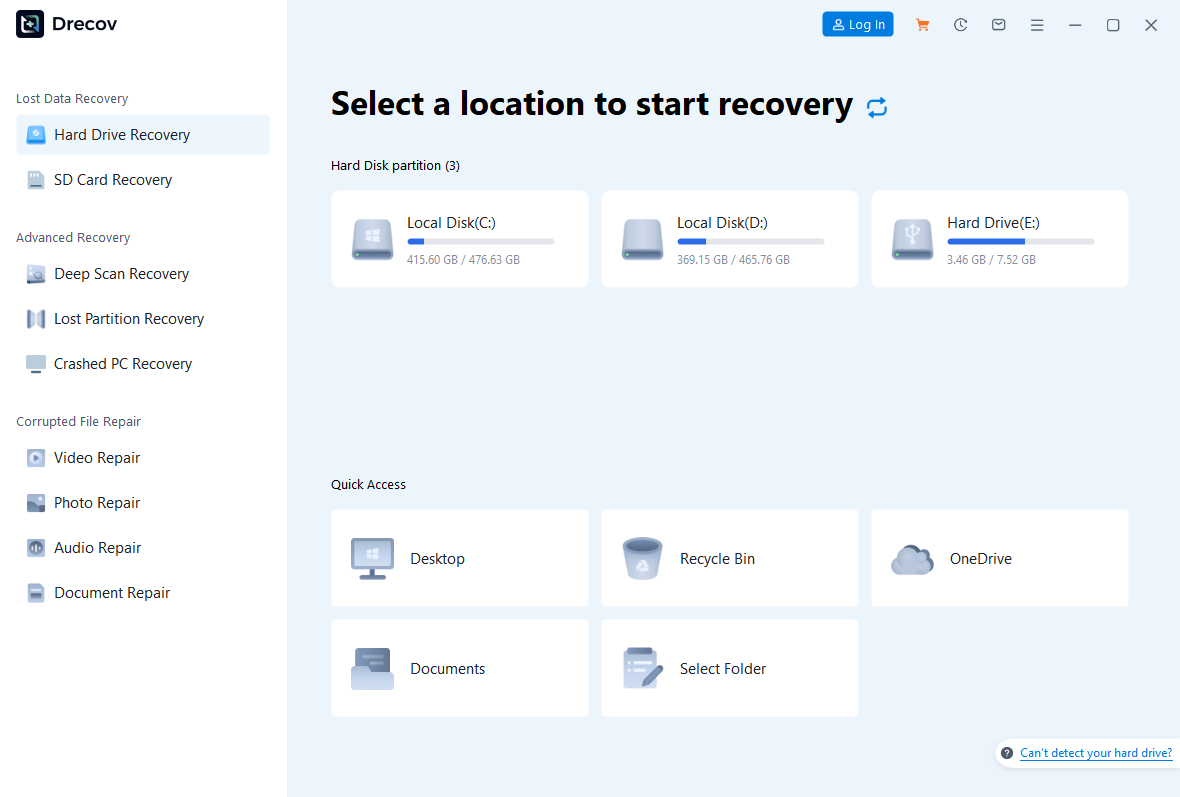
Step 1: Secure With the Original Loss Location
Open PandaOffice Drecov from healthy Windows and select the stable disk or removable device that held the playlist or referenced local media. Install and run the software away from the partition that lost data, with playlist opens but tracks fail used as the comparison point. A source showing remote streams fail or severe instability should be imaged or referred to a professional instead of scanned repeatedly.
Step 2: Discover From Quick Scan to Deep Scan
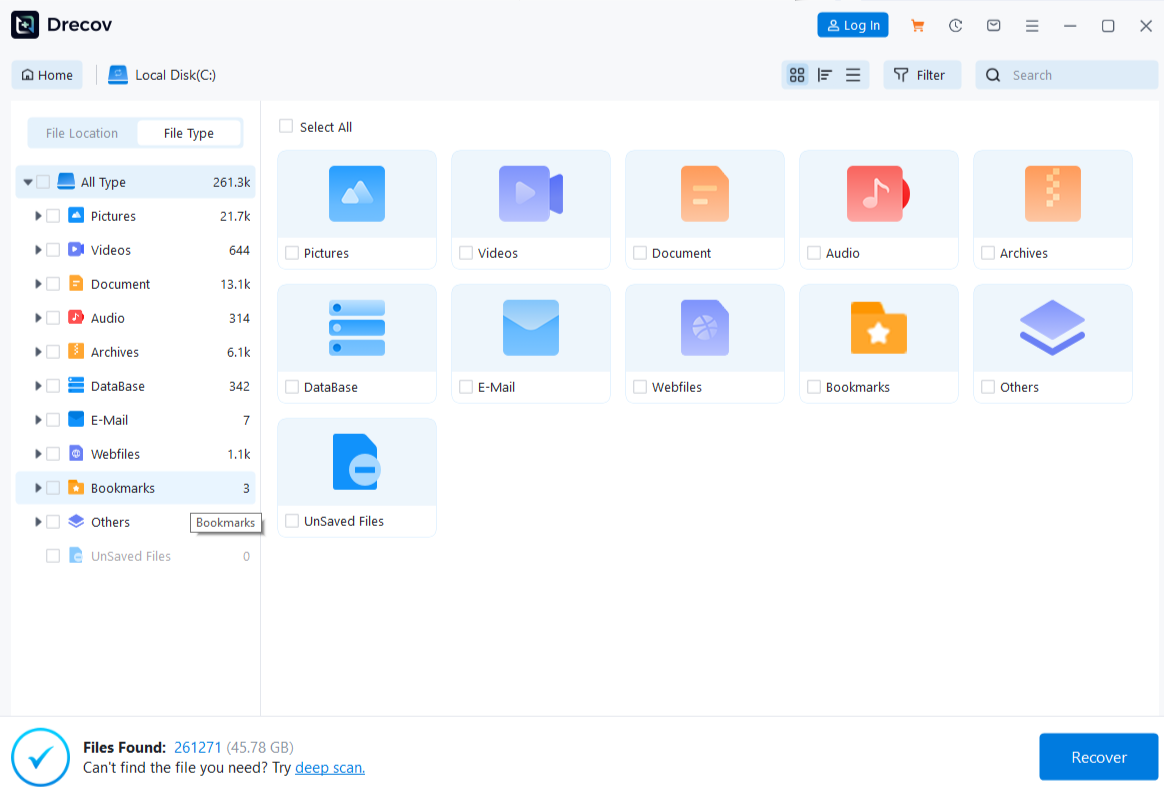
Use Quick Scan for recent deletion or a newly missing path. Continue to Deep Scan only if all entries use drive d leaves required data absent and the device stays stable. Choose Lost Partition Recovery when a partition entry vanished; do not create a replacement volume first, with playlist opens but tracks fail used as the comparison point. Search for M3U, M3U8, audio, and video types, using names, paths, and the playlist modification date.
Step 3: Verify With Preview and a Separate Destination
Preview files that represent the important result set, including the types central to this topic, with playlist opens but tracks fail used as the comparison point. Save the selection to another healthy physical device rather than the source, with playlist opens but tracks fail used as the comparison point.
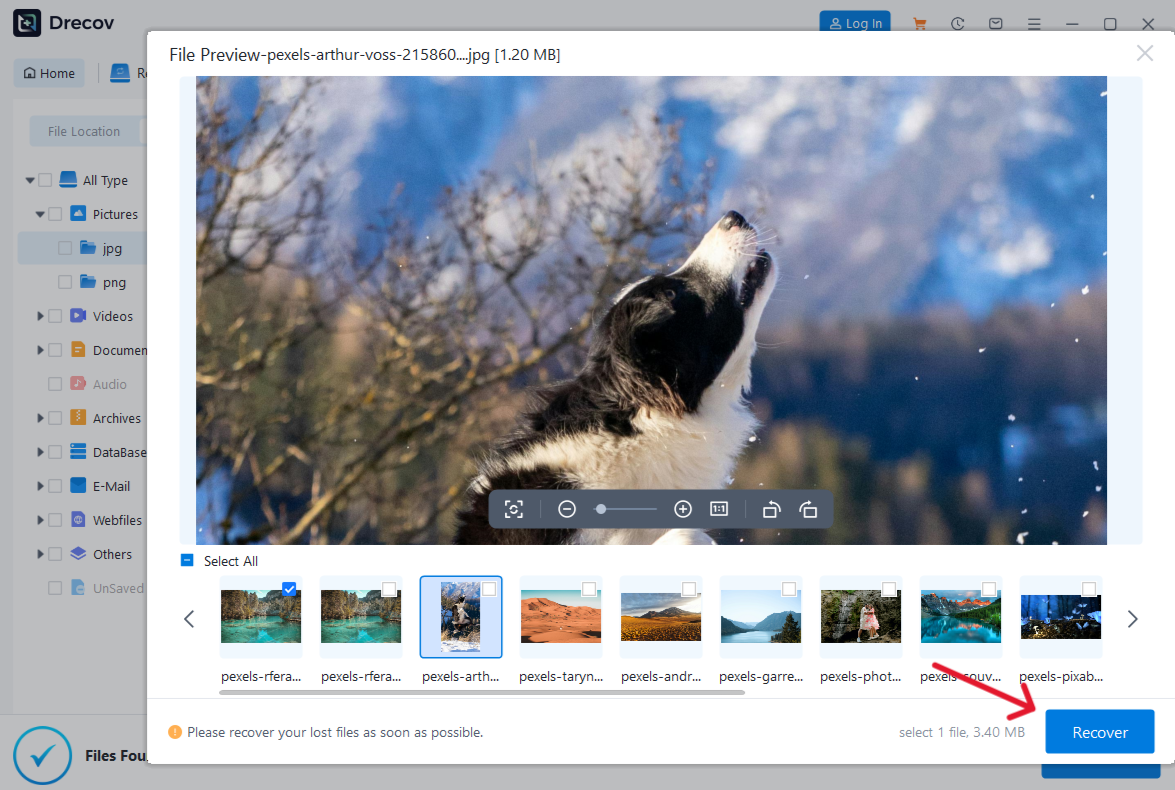
When original paths cannot be reconstructed, review the Drecov folder or Recovery folder, with playlist opens but tracks fail used as the comparison point. Open the recovered playlist as text first, then test representative media from the separate destination.
Repair Paths Without Rebuilding the Playlist Blindly
Identify Relative Paths
Relative entries are resolved from the playlist location. Keep the same folder relationship when moving the collection. Before identify relative paths, note the starting condition and expected result. If that specific method leaves the symptom unchanged, avoid repeating it and use the new evidence to select a narrower branch, with playlist opens but tracks fail used as the comparison point. Keep a log or harmless test item for identify relative paths so the outcome can be compared after restart.
Replace an Absolute Root
If every entry starts with an obsolete drive or folder, change only that verified prefix on a copy. Preserve filenames and subfolders. Before replace an absolute root, note the starting condition and expected result. If that specific method leaves the symptom unchanged, avoid repeating it and use the new evidence to select a narrower branch, with playlist opens but tracks fail used as the comparison point. Keep a log or harmless test item for replace an absolute root so the outcome can be compared after restart.
Handle M3U8 Encoding
M3U8 commonly signals UTF-8 text. Save with a compatible encoding when non-ASCII names display incorrectly. Before handle m3u8 encoding, note the starting condition and expected result. If that specific method leaves the symptom unchanged, avoid repeating it and use the new evidence to select a narrower branch, with playlist opens but tracks fail used as the comparison point. Keep a log or harmless test item for handle m3u8 encoding so the outcome can be compared after restart.
Check Extended M3U Lines
The EXTM3U header and EXTINF metadata may describe titles and durations. Do not delete them when repairing path lines. Before check extended m3u lines, note the starting condition and expected result. If that specific method leaves the symptom unchanged, avoid repeating it and use the new evidence to select a narrower branch, with playlist opens but tracks fail used as the comparison point. Keep a log or harmless test item for check extended m3u lines so the outcome can be compared after restart.
Test One Entry in Two Players
A player-specific problem can look like a broken playlist. Test a known local file and verify the path before editing hundreds of lines. Before test one entry in two players, note the starting condition and expected result. If that specific method leaves the symptom unchanged, avoid repeating it and use the new evidence to select a narrower branch, with playlist opens but tracks fail used as the comparison point. Keep a log or harmless test item for test one entry in two players so the outcome can be compared after restart.
Move the Playlist and Media as One Tested Set
Place the playlist where relative paths are expected, open it in a trusted player, and sample the beginning, middle, and end. Confirm local files exist and remote URLs are from sources you trust. Keep the untouched original during migration. checksum verification Repeat the original low-risk action tied to move the playlist and media as one tested set. Keep the protected copy until results remain consistent and representative recovered files pass their content checks, with playlist opens but tracks fail used as the comparison point.
- Assuming the M3U contains music
- Changing every slash without checking the platform
- Uploading private playlist URLs to online tools
- Opening an unknown IPTV list without reviewing addresses
- Recovering only the playlist when media files were also deleted
M3U File Questions
Is an M3U file audio?
No. It is normally a text list that points to media.
What is the difference between M3U and M3U8?
M3U8 denotes UTF-8 playlist text, while M3U encoding can vary.
Can Notepad open it?
Yes. A text editor is useful for inspecting and repairing paths.
Why does it work on one PC only?
Absolute drive letters or different relative folder layouts often cause that behavior.
Can Drecov restore the songs?
It can recover deleted local media from stable storage, but not unavailable online streams.
Conclusion
An M3U file organizes paths rather than storing the music itself. Repair it by identifying encoding and path type, preserving metadata lines, and testing representative entries. If the playlist or referenced local media was deleted, Drecov can recover files from stable storage to another healthy device; broken remote URLs and changed server access need separate correction.






