







In the fast-paced world of digital productivity, we often rely on quick reminders to keep our lives on track. Whether you are a student, a creative professional, or a system administrator, digital sticky notes have become an indispensable tool. However, a common question arises when these notes clutter our screens or accidentally vanish: can you recycle sticky notes?
In this comprehensive guide, we will bridge the gap between physical waste management and digital data recovery. We will explore how to manage your digital environment, ensure your data remains safe, and provide a deep dive into advanced recovery methods using industry-leading tools like PandaOffice Drecov.
Understanding the Lifecycle of a Digital Sticky Note
Before we dive into the technicalities of recovery, it is essential to understand how Windows handles these snippets of information. Unlike a physical piece of paper that you toss into a bin, a digital sticky note is a piece of metadata stored within a specific database file on your hard drive.
When you “delete” a note, you aren’t just moving it; often, you are telling the operating system that the space occupied by that note is now available for new data. This is where the concepts of data recovery and recycling intersect.
The Psychology of the “Delete” Key
Many users treat their digital workspace like a physical desk. When a note is no longer needed, the instinct is to hit the “X” or the delete icon. But what happens if that note contained a crucial password, a fleeting idea, or a client’s contact details? Understanding the underlying file structure is the first step toward mastering data restoration.
The Big Question: Can Sticky Notes Be Recycled?
One of the most frequent searches for office organization and digital cleanup is: can sticky notes be recycled?
Physical vs. Digital Recycling
When discussing physical office supplies, the answer is nuanced. Most traditional yellow sticky notes use a pressure-sensitive adhesive. While many modern recycling facilities can process the adhesive, some older plants find the “glue” problematic for paper pulp.
In the digital realm, “recycling” takes on a different meaning. We often refer to the Recycle Bin as the primary safety net. However, Windows Sticky Notes (specifically the modern AppX version) does not always send deleted notes to the Recycle Bin. Instead, they are often purged from the plum.sqlite database immediately. This makes the “recycling” process for digital notes much more complex than simply dragging a file to a bin icon.
Level 1: Basic Recovery Methods (Low Complexity)
If you have accidentally closed or deleted a note, do not panic. Before moving to professional software, try these built-in Windows features.
Step 1: Check the Sticky Notes List
Sometimes a note isn’t deleted; it’s just closed.
- Open the Sticky Notes app from your Start menu.
- Right-click the icon in the taskbar and select Notes List.
- Search for your missing content in the search bar. If it was only closed and not deleted, it will reappear here.
Step 2: Outlook Web App Recovery
Modern Windows Sticky Notes sync with your Microsoft Account via Outlook.
- Log in to your Outlook.com account.
- Navigate to the Deleted Items folder.
- Look for items labeled as “Notes.” If you find your deleted note, you can simply move it back to the Notes folder to restore it to your desktop.
Level 2: Intermediate Recovery (Accessing the Database)
If the basic steps fail, we must look at the hidden system files where Windows stores your data. This requires a bit more technical comfort but remains accessible for most users.
Locating the SQLite Database
Windows 10 and 11 store sticky notes in a specific folder path. To find your lost data, follow these steps:
- Step 1: Press Windows + R to open the Run dialog.
- Step 2: Paste the following path and press Enter:
%LocalAppData%\Packages\Microsoft.MicrosoftStickyNotes_8wekyb3d8bbwe\LocalState- Step 3: Look for a file named plum.sqlite. This is the heart of your sticky notes.
Warning: Never edit or move this file while the Sticky Notes app is open. Always create a backup copy of this file before attempting any recovery or “recycling” of the data within it.
Level 3: Professional Recovery with PandaOffice Drecov
When the database is corrupted, or the file itself has been deleted from the drive, standard Windows tools will not suffice. This is where PandaOffice Drecov shines. As a premier data recovery solution, it scans the raw sectors of your storage media to find fragments of the file or previous versions of your notes.
⚠ Warning: Install it on a drive different from the one where your data was lost to prevent overwriting.
How to Recover Sticky Notes Using PandaOffice Dreco
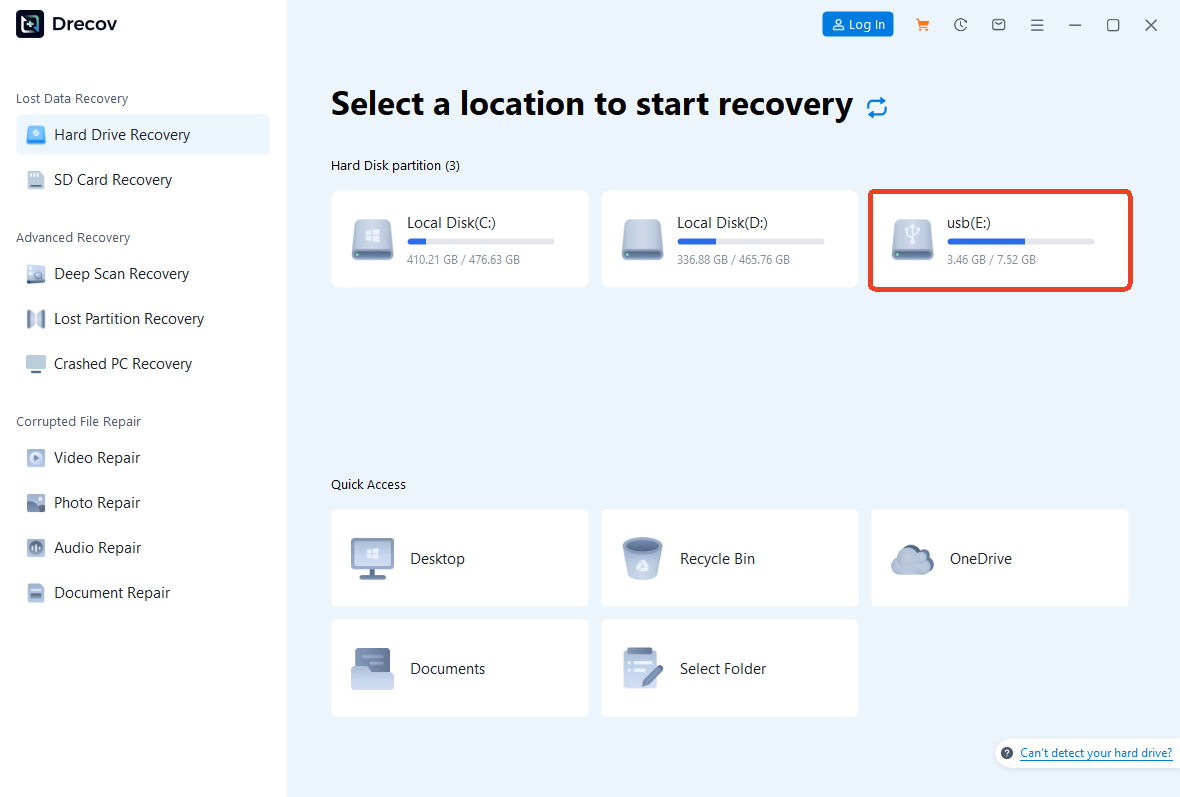
Step 1: Select the Source Drive
Launch the program. On the main interface, select the C: Drive (or whichever drive contains your Windows installation).
Step 2: Initiate Deep Scan
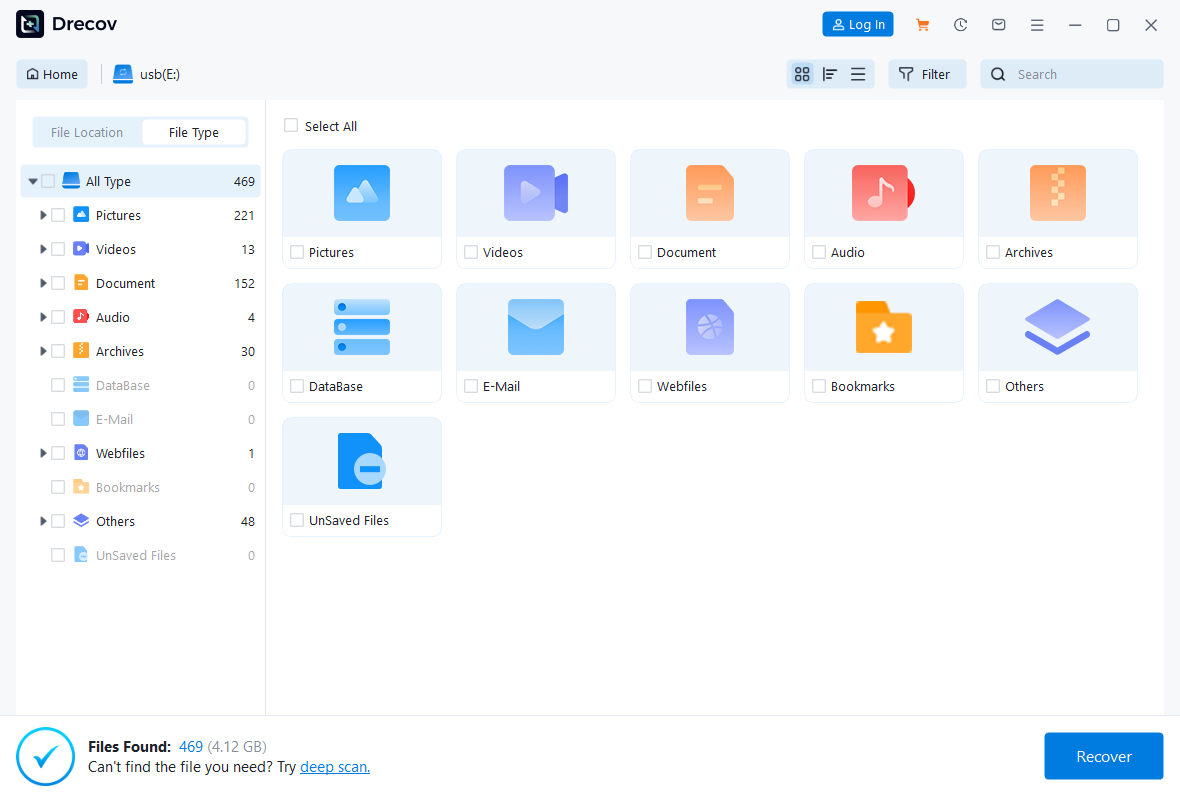
Click the Scan button. PandaOffice Drecov will begin a sector-by-sector analysis. For sticky notes, we recommend allowing the Deep Scan to complete to ensure the small SQLite fragments are located.
Step 3: Filter by File Type or Path
Once the scan is complete, use the search bar within the tool. Search for browse to the AppData path mentioned in the previous section.

Step 4: Preview and Recover
Select the found file. PandaOffice Drecov allows you to preview the file’s metadata. Click Recover and choose a safe destination folder.
Pro Tip: If the file is successfully recovered, replace the existing (empty)
plum.sqlitein your LocalState folder with this recovered version to bring your notes back to life.
Maintaining Your Digital Workspace
Once you have successfully answered the question of “can you recycle sticky notes” through recovery, it is vital to set up a system to prevent future loss.
- Regular Backups: Manually copy your
LocalStatefolder to a cloud drive once a month. - Sync Settings: Ensure you are signed into your Microsoft Account within the Sticky Notes app settings.
- Avoid System Cleaners: Some “PC Speed Up” tools identify the Sticky Notes database as “junk” and might delete it during a cleanup.
After mastering these recovery steps, you might find that your desktop is still cluttered or you are having trouble locating your core system icons. If you are looking to tidy up your interface after a successful recovery, you might want to learn how to remove the Recycle Bin from the desktop to create a more focused workspace.
If you ever lose track of where your deleted files are going, it is helpful to know where to find the Recycle Bin in Windows 10 or explore 3 quick ways to find the Recycle Bin.
For more information on professional data recovery standards, you can visit the Official Microsoft Support Page or check out the Data Recovery Professionals Association for industry insights.
Recycle Sticky Notes FAQs
1. Does Windows have a built-in “Trash” specifically for Sticky Notes?
Unlike files that go to the system Recycle Bin, the Sticky Notes app does not have its own dedicated “Trash” folder. However, if you have enabled Notes Insights or are signed into a Microsoft account, your deleted notes are often moved to the Deleted Items folder in your associated Outlook or Hotmail account. This acts as a secondary “recycling” layer for your digital data.
2. Can you recycle sticky notes if they contain sensitive or private data?
If you are referring to physical notes, you should shred them rather than recycle them if they contain passwords or private info, as the adhesive can sometimes bypass standard pulping. Digitally, simply deleting a note doesn’t “wipe” the data; it remains on the disk sectors. To truly “recycle” the space safely, you would need to use a tool like PandaOffice Drecov to identify existing fragments or a disk wiper to permanently erase them.
3. Why did my sticky notes disappear after a Windows Update?
This is a common issue where Windows updates move application data to a Windows.old folder. The system essentially “recycles” the old installation path. If your notes are gone after an update, you can usually find the plum.sqlite file located within C:\Windows.old\Users\[YourUsername]\AppData\Local\Packages.... You can then use the recovery steps mentioned earlier to restore them.
4. Is there a limit to how many notes I can “recycle” or store?
While there is no hard “count” limit for sticky notes, the performance of the app can degrade if the plum.sqlite database exceeds several gigabytes. If you have thousands of notes, it is better to “recycle” the information by archiving it into a Word document or OneNote to keep the Sticky Notes app running smoothly.
Can You Recycle Sticky Notes and Restore Lost Data?5. Can I recover sticky notes from a formatted hard drive?
Yes, but this requires professional-grade intervention. When a drive is formatted, the file system pointers are deleted, but the actual data (the sticky note database) often remains. By using PandaOffice Drecov and selecting the Deep Scan mode, the software can reconstruct the database file even if the original folder structure was “recycled” by the formatting process.
Conclusion
So, can you recycle sticky notes? In the physical world, it depends on your local facility; in the digital world, “recycling” is a matter of smart data management and knowing the right recovery tools. By understanding the location of your data and utilizing powerful software like PandaOffice Drecov, you can ensure that a single accidental click doesn’t result in the permanent loss of your most important thoughts.






