







My smartphone suddenly stopped turning on one day and I have no idea what went wrong. I have important data on it that I need for my work and personal life, so I need to find a way to recover it. I tried charging the phone, but it’s not responding at all. I’m not sure if the problem is with the battery or the software. The worst part is that I don’t have any backup on my computer. I need some guidance on steps I can take to recover data from phone that won’t turn on?—from Microsoft Store
Overview of Broken Phone Data Recovery
Understanding Broken Phone Recovery
Smartphones are central to our daily lives, holding valuable data such as photos, messages, and contacts. When a device becomes damaged—due to a cracked screen, water exposure, or system failure—accessing stored data becomes a challenge. Broken phone data recovery refers to the methods and tools used to retrieve such information safely.
The process typically requires data recovery software for broken phone devices. Advanced tools can scan the internal storage, even when the screen is unresponsive, to extract files without causing further damage. Common goals include broken phone photo recovery, retrieving documents, videos, and application data.
Modern recovery methods often support Android devices across brands and versions. Whether the phone fails to boot or the screen is shattered, recovery solutions provide options to access and restore lost information securely.
Why Data Loss Occurs on Broken Phones
Hardware Damage
Physical damage is a major reason users require data recovery from broken phone devices. Common issues include:
- Cracked screens preventing touch input
- Water damage causing circuit failures
- Battery or motherboard malfunctions
Such hardware failures can prevent normal access, making software-based broken phone data recovery software essential.
Test Environment:
- Device: Samsung Galaxy S10
- Damage: Cracked screen with unresponsive touch
- Condition: Device still powers on
System Errors and Software Crashes
A broken phone may also fail due to software corruption. System crashes, failed updates, or corrupted storage partitions can make data inaccessible. Users attempting broken phone recovery may encounter boot loops or unresponsive OS screens.
⚠️ Warning: Avoid trying to power cycle multiple times, as this may worsen storage corruption.
Accidental Deletion or Formatting
In some cases, users lose data accidentally during troubleshooting or system restoration attempts. Even when the device appears physically intact, data recovery software for broken phone can restore files that were deleted or formatted unintentionally.
Test Environment:
- Device: OnePlus 8T
- Condition: User performed a factory reset by mistake
Step-by-Step Methods for Broken Phone Data Recovery
Method 1: Use Official Android Recovery Tools
Test Environment:
- Device: Pixel 6
- Condition: Phone stuck on boot screen
Steps:
- Connect the device to a computer via USB.
- Enter recovery mode (usually via Volume + Power buttons).
- Select “Repair / Recover” if available.
- Use ADB or fastboot commands to access storage.
This method allows users to recover some files without additional software, but success depends on the device’s hardware condition.
Method 2: Extract Data via SD Card or External Storage
Test Environment:
- Device: Samsung Galaxy A52
- Condition: Broken internal storage inaccessible, microSD card present
Steps:
- Remove the SD card carefully from the phone.
- Insert the card into a card reader connected to a PC.
- Copy all accessible files to a safe location.
⚠️ Warning: Avoid writing new data to the SD card until recovery is complete.
This method works for devices where media is stored externally, enabling broken phone photo recovery and file retrieval without complex software.
Method 3: Recover Data Using USB OTG and OTG Adapter
Test Environment:
- Device: LG V60
- Condition: Screen unresponsive but phone powers on
Steps:
- Connect a mouse or keyboard via USB OTG.
- Navigate the phone interface without touch input.
- Backup important files to cloud storage or external drive.
This is effective for partially functional devices and helps complete broken phone recovery when touch controls fail.
Method 4: Use Cloud Backups and Google Account Sync
Test Environment:
- Device: Xiaomi Mi 11
- Condition: Phone cannot boot but Google account active
Steps:
- Access the Google account on another device.
- Check Google Photos, Drive, and Gmail for synced data.
- Download important files from the cloud.
Using cloud-based broken phone data recovery options is safe and avoids additional risk to local storage.
Method 5: Recover Lost Data Using PandaOffice Drecov
Download DrecovTest Environment:
- Device: Broken Android device connected via USB
- Scenario: Device powers on but storage inaccessible
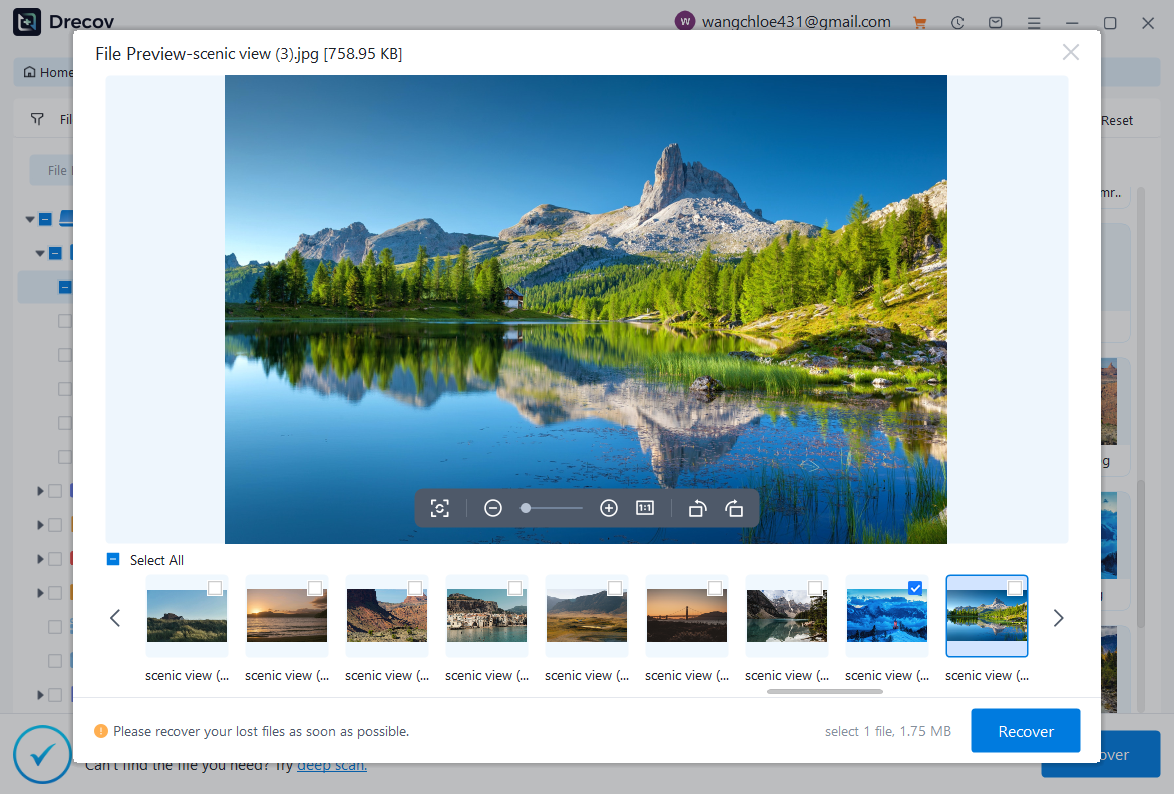
When the device’s internal storage is damaged or inaccessible through standard methods, PandaOffice Drecov can scan and recover lost data directly from the phone’s memory.
Steps:
- Install PandaOffice Drecov on a Windows PC.
- Connect the broken Android device via USB.
- Select the internal storage or device partition to scan.
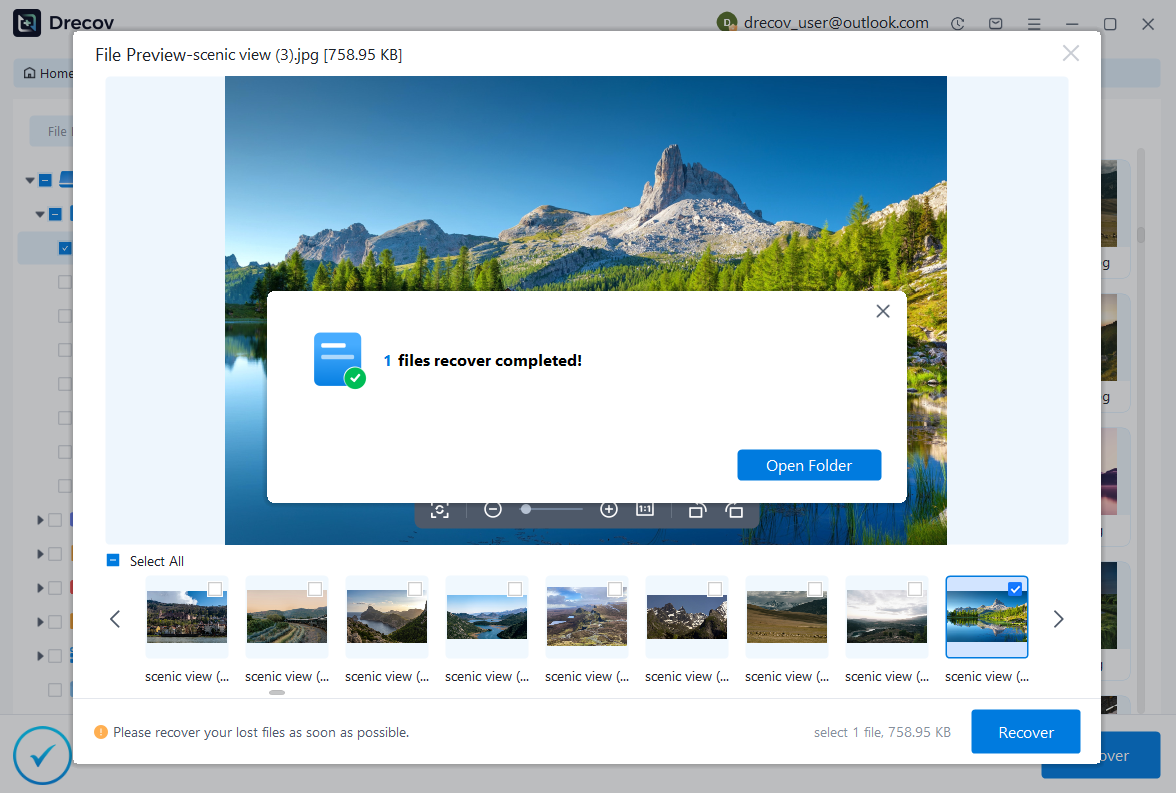
- Preview and recover lost photos, videos, messages, and other files.
This is especially useful for broken phone photo recovery and other critical data recovery tasks where manual methods fail.

Why Choose PandaOffice Drecov?
When it comes to reliable file data recovery, PandaOffice Drecov offers a balanced combination of performance, ease of use, and broad compatibility. Whether you’ve lost important business files or personal memories, it provides an efficient way to restore data from various loss scenarios, including system crashes, accidental deletion, and formatted drives.
For users looking for advanced Photo Data Recovery Software, PandaOffice Drecov supports a wide range of image formats and storage devices. It can recover high-quality photos from SD cards, cameras, and internal drives while preserving original resolution and file structure. This makes it especially useful for photographers and everyday users alike.
If you are dealing with storage device issues, its external hard drive recovery capability ensures that data can be retrieved from USB drives, HDDs, and SSDs with minimal effort. The software performs deep scans to locate hidden or lost files, even in complex situations like partition loss.
In addition, PandaOffice Drecov excels in Document Recovery, helping users restore essential files such as Word, Excel, and PDFs. It also supports powerpoint recovery, allowing you to retrieve unsaved or deleted presentation files quickly—ideal for professionals working under tight deadlines.
⚠️ Warning: Ensure the device remains powered during the scan to prevent further data loss.
Method 6: Recover Data from Non-Responsive Phones Using ADB
Test Environment:
- Device: Samsung Galaxy S20
- Condition: Phone powers on but screen is black/unresponsive
Steps:
- Enable Developer Options on the device (if previously done).
- Connect the phone to a PC via USB.
- Use Android Debug Bridge (ADB) to pull data: adb pull /sdcard/ C:\Backup\
- Verify recovered files on your computer.
This method allows data recovery from broken phone devices that cannot be navigated via touch but still respond to USB commands.
Method 7: Use Safe Mode for App Conflict Resolution
Test Environment:
- Device: OnePlus 9
- Condition: Downloads or files inaccessible due to app conflicts
Steps:
- Boot the phone into Safe Mode (usually press Volume Down while booting).
- Uninstall recently installed apps that may interfere with file access.
- Attempt file recovery from internal storage or cloud sync.
Booting into Safe Mode prevents third-party apps from running, improving the chance of successful broken phone data recovery.
Method 8: Recover Files from Water-Damaged Phones
Test Environment:
- Device: Pixel 5
- Condition: Submerged in water, powers on but touch unresponsive
Steps:
- Power off the phone immediately and dry using silica gel packs.
- Connect the device to a PC via USB after careful drying.
- Use data recovery software for broken phone like PandaOffice Drecov or alternative official tools.
- Scan and extract important files such as photos, contacts, and messages.
⚠️ Warning: Avoid charging or powering on a wet device, as it may cause permanent damage.
Method 9: Extract Data from Corrupted Internal Storage
Test Environment:
- Device: LG G8
- Condition: Phone boots but storage inaccessible due to partition corruption
Steps:
- Connect the device to a PC with USB debugging enabled.
- Use recovery software or ADB to scan internal partitions.
- Preview and recover lost data, including broken phone photo recovery and documents.
This method works even when the system cannot mount the internal storage normally, making broken phone recovery possible.
Method 10: Use SD Card for Recovery of Media Files
Test Environment:
- Device: Samsung Galaxy A72
- Condition: Internal storage inaccessible, SD card present
Steps:
- Remove the SD card and insert it into a card reader.
- Copy all accessible files to a computer.
- Scan the SD card using broken phone data recovery software if needed.
This method is safe and avoids further risk to the phone’s internal storage.
Preventive Measures to Avoid Future Data Loss
- Enable Cloud Backups: Use Google Photos, Drive, or other cloud services to automatically backup important files.
- Regularly Export Data: Export contacts, messages, and media periodically.
- Use Protective Cases: Physical protection reduces risk of hardware damage.
- Avoid Unauthorized Repairs: Improper repairs may worsen storage corruption.
- Keep Software Updated: System updates fix bugs that could lead to crashes.
Frequently Asked Questions
Can I recover photos from a completely broken phone?
Yes. With broken phone photo recovery software or tools like PandaOffice Drecov, it’s often possible to recover images even if the screen or touch is non-functional.
Is broken phone data recovery software safe to use?
Most reputable tools are safe if used correctly. Always connect the phone to a trusted PC and avoid writing new data to the device during recovery.
What if my phone won’t power on at all?
In cases where the phone does not power on, recovery becomes hardware-dependent. Repairing the battery or motherboard may be necessary before attempting data recovery from broken phone.
Can I recover deleted messages from a broken Android phone?
Yes. Advanced software can scan internal storage and extract SMS, WhatsApp, and other messaging app data, even from damaged or unresponsive devices.
Does PandaOffice Drecov work on all Android phones?
It supports most Android devices, but success may vary depending on storage condition, device encryption, and type of damage.
⚠️ Warning: Always ensure the software targets the correct device to prevent accidental data overwriting.
Conclusion: Key Takeaways for Broken Phone Recovery
Use the Right Tools for Recovery
For effective broken phone data recovery, choose trusted software or official methods. Manual recovery may work for minor issues, but damaged storage often requires tools like PandaOffice Drecov.
Prioritize Data Safety
Avoid powering on severely damaged devices without proper precautions. Backup existing data whenever possible and do not write new files to affected storage.
Combine Multiple Recovery Approaches
Successful recovery often involves a combination of:
- Official Android recovery modes
- SD card extraction
- USB OTG or ADB methods
- Data recovery software
This ensures the highest chance of restoring lost photos, videos, and other files.
Final Advice
Broken phones do not necessarily mean lost data. By understanding broken phone recovery techniques, using proper tools, and acting promptly, users can retrieve critical information safely and efficiently.






