







This is possibly the most annoying gmail recovery I’ve ever experienced in my life. I recently was able to semi-recover an old email of mine, however whenever I try to authenticate my recovery options it keeps prompting me to use my old recovery phone number. Keep in mind my old phone number was originally my only way of recovering my email. I was able to not only log in to my old email but also update my phone number to my current, add a recovery email, and my address has been in the original email before this as well, however whenever I try to go further or confirm my email I keep being asked to confirm it with the code from my previous number. Keep in mind, I was able to log in to FOUR different devices, INCLUDING my phone with the ORIGINAL phone number; but because this phone doesn’t have cellular data anymore I can’t receive/give texts or calls on it. Please if anyone knows how to fix this or how to temporarily turn back texts on my original phone I’d appreciate it so much, I have been losing actual hours of sleep trying to fix this issue.—from Reddit
Introduction to Google Account Recovery
Why Google Account Recovery Is Important
A Google account is the core of many online activities, including email communication, file storage, and account synchronization across devices. Losing access can disrupt work, personal communication, and even access to third-party services. This is why understanding google account recovery is essential.
Google provides an official recovery system through google.com/account/recovery, which allows users to verify their identity and regain access. This process is designed to be both secure and user-friendly.
Platforms such as recovery accounts google com and accounts google com recovery guide users through verification steps, ensuring that only legitimate users can regain control of their accounts.
This guide explains the causes of account issues, recovery mechanisms, and effective solutions. By following these methods, users can improve their chances of successfully restoring access.
Common Causes of Google Account Access Problems
Forgotten Passwords and Login Issues
Forgetting passwords is one of the most common reasons users lose access. Many people rely on saved credentials, making it difficult to recall passwords manually. When this happens, google account/account/recovery becomes the primary solution.
Entering incorrect passwords multiple times may also trigger temporary account restrictions. Google may require additional verification before allowing further attempts.
Loss of Recovery Email or Phone Number
Recovery options such as backup email and phone numbers are essential for account access. If these are outdated or inaccessible, recovery becomes more complex.
Without these options, users must rely on alternative verification methods through google recovery account, which may involve additional steps and longer processing time.
Account Lock Due to Suspicious Activity
Google monitors login behavior and may lock accounts if unusual activity is detected. This includes logging in from unfamiliar devices or locations.
In such cases, users must go through google com accounts recovery to confirm ownership.
⚠️ Warning: Avoid repeated login attempts after a lock, as it may delay recovery.
How Google Account Recovery Works
Verification Process and Security Checks
When using google.com/account/recovery, Google evaluates multiple factors:
- Previously used devices
- Login locations
- Password history
- Linked recovery information
Users may be asked to enter a previous password, receive a verification code, or confirm activity on a trusted device.
Providing accurate and consistent information increases the likelihood of successful recovery.
Official Recovery Channels Explained
Google offers several official recovery portals:
- accounts google com recovery
- recovery accounts google com
- google com accounts recovery
These platforms are interconnected and designed to securely verify user identity.
⚠️ Warning: Avoid fake websites claiming to provide google account recovery software, as they may steal personal data.
Step-by-Step Methods to Recover a Google Account
Method 1: Recover via Official Recovery Page
Test Environment:
- Device: Windows 10 PC
- Browser: Chrome
- Network: Home Wi-Fi
Visit google.com/account/recovery, enter your email, and follow the instructions. You may need to provide:
- Last remembered password
- Verification code
- Device confirmation
This is the most reliable recovery method.
Method 2: Verify Using a Trusted Device
Test Environment:
- Device: Android smartphone
- OS: Android 13
- Network: Mobile data
If Google recognizes your device, it may send a prompt asking you to confirm the login attempt. Approving it verifies your identity quickly.
Using a trusted device improves success when using google account/account/recovery.
Method 3: Recover Without Phone Number
Test Environment:
- Device: MacBook
- Browser: Safari
- Condition: No phone access
Select alternative verification options such as:
- Backup email
- Security questions
- Device recognition
Recovery through accounts google com recovery may take longer in this case.
⚠️ Warning: Too many failed attempts may temporarily block recovery.
Method 4: Recover Using Backup Email
Test Environment:
- Device: Windows laptop
- Browser: Edge
Choose email verification via google com accounts recovery. Enter the received code and reset your password.
This method is fast and effective when backup email is available.
Method 5: Recover Lost Account-Related Data with PandaOffice Drecov
Test Environment:
- Device: Windows 11 PC
- Scenario: System crash with lost browser data and saved credentials
- Tool: PandaOffice Drecov
If your Google account access issue is caused by lost local data—such as saved passwords, exported browser credentials, or backup files—you can use PandaOffice Drecov to recover that information and assist with google account recovery.
Step 1: Install and Launch PandaOffice Drecov
Download and install PandaOffice Drecov on your computer. Open the program and select the drive where your data was lost (for example, system drive C: or a specific folder location).

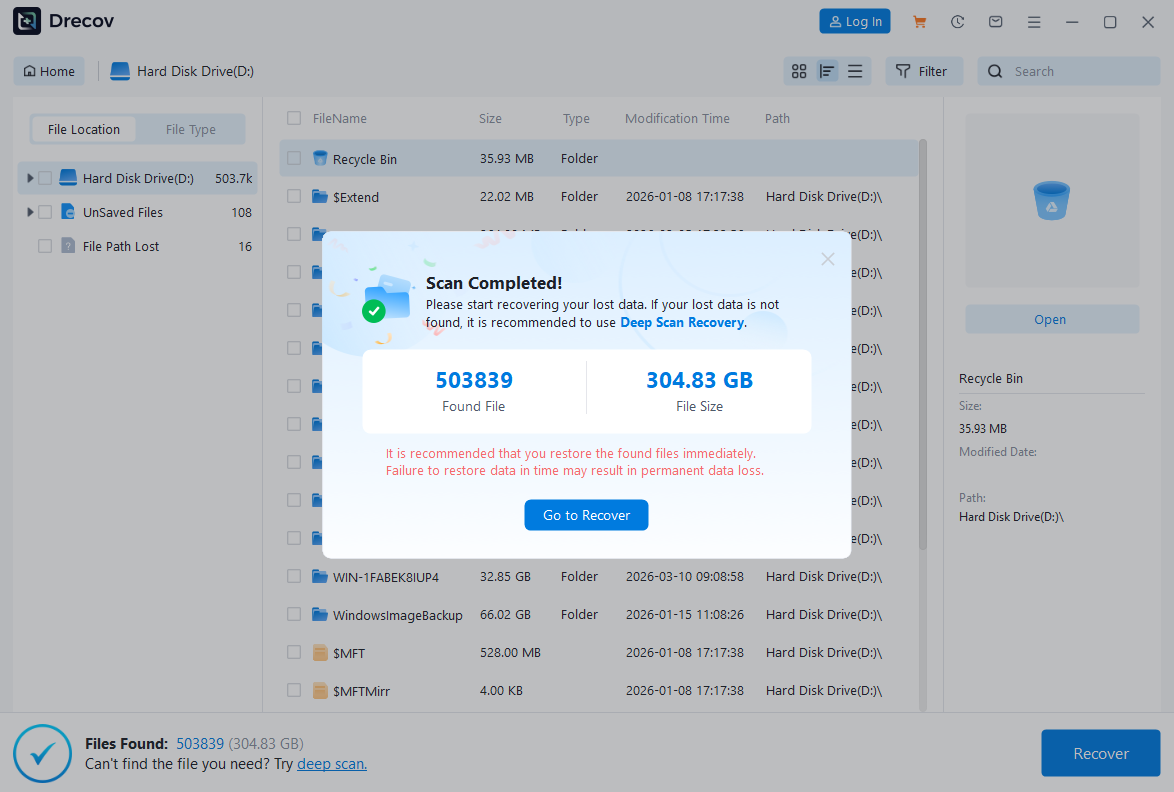
Step 2: Start a Deep Scan
Click the scan button to begin searching for lost files. The software will perform both a quick scan and a deep scan to locate deleted or inaccessible data.
You can pause or filter results during scanning if you are looking for specific file types such as browser data or backup files.
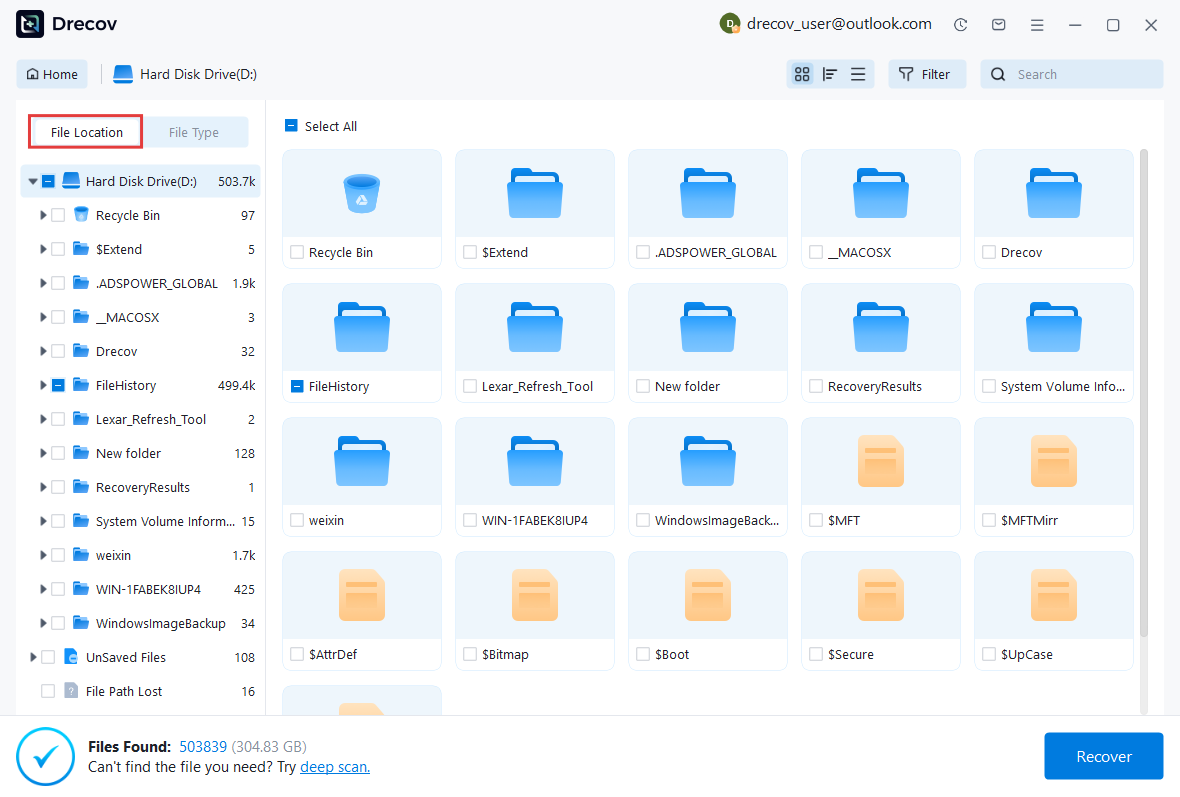
Step 3: Filter and Locate Relevant Files
After scanning, use filters like:
- File type (e.g., documents, database files)
- File path (browser folders such as Chrome or Edge)
- Keywords (e.g., “login”, “account”, “password”)
This helps you quickly identify files related to your account credentials.
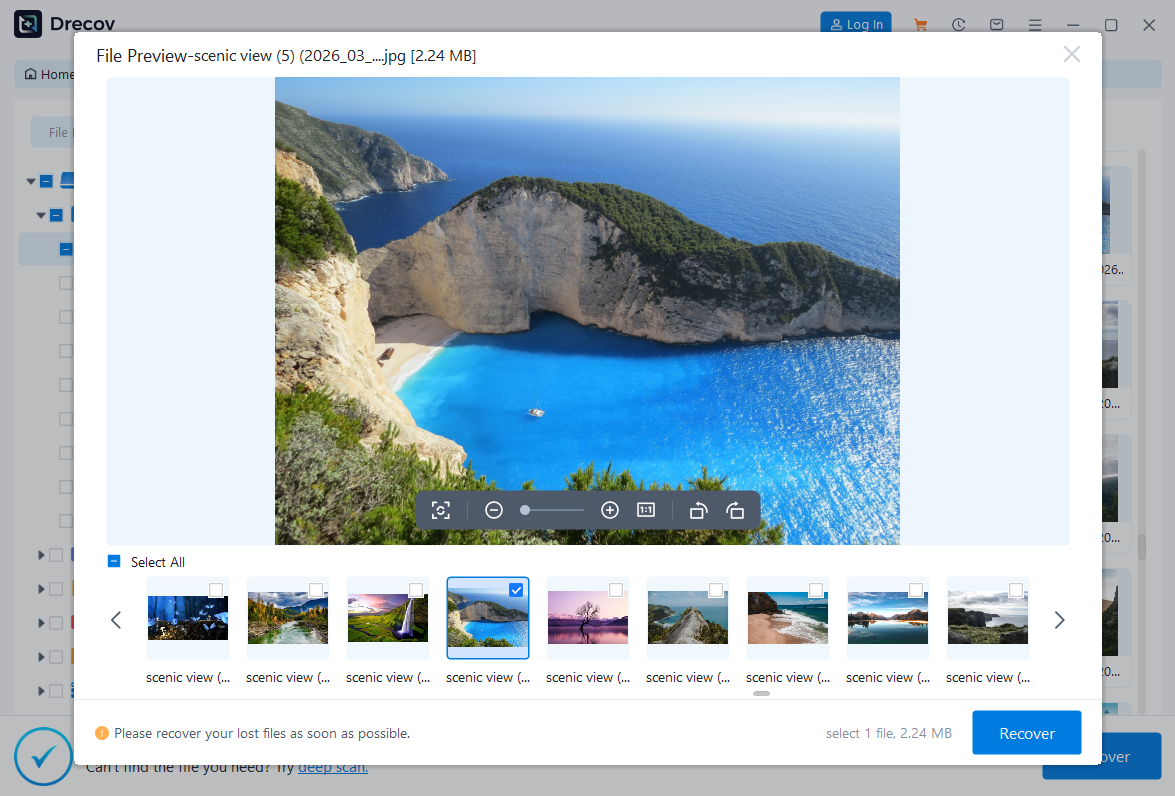
Step 4: Preview and Recover Files
Preview the files to confirm they are relevant. Then select the files you need and click “Recover” to restore them to a safe location.
Avoid restoring files to the original drive to prevent overwriting data.
Step 5: Use Recovered Data for Account Recovery
Once recovered, use the retrieved information (such as saved passwords or backup files) to complete the recovery process via google.com/account/recovery.
This method is especially helpful when:
- Browser data has been deleted
- System crashes caused data loss
- Backup files were accidentally removed
⚠️ Warning: Recovered files may contain sensitive information. Store them securely and delete unnecessary copies after use.
Advanced Google Account Recovery Scenarios
Recovering Accounts with Two-Step Verification Enabled
Two-step verification enhances security but may complicate google account recovery. When accessing google.com/account/recovery, users are often required to enter a verification code sent to a registered device.
If the device is unavailable, Google provides alternatives such as:
- Backup codes
- Trusted device confirmation
- Recovery email verification
Users should always keep backup codes stored securely to avoid delays during recovery.
Test Environment:
- Device: Android phone
- Condition: 2FA enabled, no access to primary device
Recovering a Disabled Google Account
Google may disable accounts due to suspicious activity, policy violations, or unusual login patterns. In such cases, standard accounts google com recovery steps may not immediately restore access.
Users must submit an appeal request including:
- Identity verification details
- Explanation of account usage
- Supporting information
The review process may take time depending on the case complexity.
Test Environment:
- Device: Windows PC
- Browser: Firefox
- Condition: Account disabled
⚠️ Warning: Submitting multiple appeals repeatedly may delay resolution.
Resolving Recovery Failures Due to Device or Location Changes
Google analyzes login behavior during google account/account/recovery. If recovery attempts are made from unfamiliar locations or devices, verification may fail.
To improve success:
- Use a previously logged-in device
- Connect to a familiar network
- Avoid VPN usage
Test Environment:
- Device: Laptop
- Network: Public Wi-Fi vs. home Wi-Fi
Recovering an Account After Long Inactivity
Accounts that have not been accessed for a long time may require additional verification. Google may not recognize the device or login pattern, making recovery more difficult.
Users should:
- Try older passwords
- Use original recovery email
- Attempt recovery from a previously used location
Test Environment:
- Device: Desktop
- Condition: Account inactive for over 1 year
Tips to Improve Google Account Recovery Success
Provide Accurate and Consistent Information
When using recovery accounts google com, consistency is critical. Even small details such as password patterns or login timing can help.
Avoid random guessing, as repeated incorrect inputs may reduce success chances.
Update Recovery Information Regularly
Keeping your recovery email and phone number updated ensures smoother access to google recovery account tools.
Users should review account settings periodically to avoid outdated information.
Use Familiar Devices and Networks
Recovery attempts made from trusted devices are more likely to succeed. Google uses device recognition to verify identity.
Test Environment:
- Device: Personal laptop vs shared computer
Be Patient and Follow Recovery Timing Guidelines
If recovery fails, wait before retrying. Immediate repeated attempts can trigger additional security restrictions.
Using google com accounts recovery carefully improves long-term success rates.
Frequently Asked Questions About Google Account Recovery
How long does Google account recovery take?
Recovery time varies. With access to recovery email or phone, it may take minutes. Without them, the process may take several days.
Using accounts google com recovery with accurate details speeds up the process.
Can I recover my account without any recovery options?
Yes, but it is more difficult. Google relies on behavioral signals when using google com accounts recovery without backup information.
Is there official Google account recovery software?
Google does not offer standalone google account recovery software. All recovery must be done via google.com/account/recovery.
Why does recovery keep failing?
Recovery may fail due to:
- Incorrect information
- Unrecognized device
- Suspicious login patterns
Retry after 24–48 hours using recovery accounts google com.
⚠️ Warning: Avoid third-party services promising instant recovery.
Conclusion: Key Takeaways
Prepare for Account Recovery in Advance
Understanding google account recovery helps users act quickly when issues arise. Using official portals like google.com/account/recovery ensures a secure process.
Rely Only on Official Recovery Channels
Always use:
- accounts google com recovery
- google com accounts recovery
- recovery accounts google com
These are the only trusted solutions.
Final Thoughts
Account access issues can be stressful, but most cases are recoverable with the right steps. Keep your information updated, use trusted devices, and follow official procedures to successfully complete your google recovery account process.






