







Discovering a blank screen with the message reboot and select proper boot device when starting your computer is a frustrating experience. This issue completely halts your workflow because your system cannot locate the operating system files required to launch. Consequently, you are left unable to access your critical files, applications, and personal documents.
Fortunately, you can resolve this problem without sacrificing your valuable information. This comprehensive technical guide will walk you through the root causes of the reboot and select proper boot device error and provide actionable solutions. We will also demonstrate how to use PandaOffice Drecov data recovery software to protect and recover your files during the troubleshooting process.
Understanding the Basics of Reboot and Select Proper Boot Device
The operating system relies on a seamless handoff between the basic input output system BIOS or unified extensible firmware interface UEFI and the storage drive. When you turn on your machine, the firmware scans the hardware to find the boot sector on your hard drive or solid state drive. If the firmware fails to communicate with the drive, or if the boot files are missing, the system displays the reboot an select proper boot device prompt.
Several underlying hardware and software issues commonly trigger this specific failure:
- Loose Storage Drive Cables: Data or power cables connected to your storage drive may detach slightly due to physical movement or computer vibrations.
- Incorrect Boot Priority Settings: The BIOS firmware might be attempting to boot from an empty secondary storage drive, a connected USB flash drive, or an optical disc drive.
- Corrupted Boot Sector Files: The Master Boot Record MBR or the GUID Partition Table GPT system data can become corrupted because of malware attacks or sudden power outages.
- Physical Drive Failure: Bad sectors can develop on the disk platters or flash memory modules, rendering the critical boot sectors unreadable.
If you encounter this issue, you must act carefully to avoid permanent data loss. Utilizing advanced tools like PandaOffice Drecov data recovery software ensures that you can extract your information safely before attempting invasive system repairs.
Comprehensive Solutions to Reboot and Select Proper Boot Device Issues
Resolving this error requires a systematic approach. Below are the most effective technical methods to get your computer up and running again.
Method 1: Verify Hardware Connections and Adjust BIOS Boot Priority
Before modifying any software configurations, you must ensure that your hardware is properly connected and that the motherboard knows where to look for the operating system.
- Step 1: Turn off your computer completely and disconnect the power cable from the wall outlet.
- Step 2: Open your computer chassis and firmly reseat the SATA data cables and power connectors attached to your primary storage drive.
- Step 3: Plug the power cable back in, turn on the machine, and immediately tap the designated BIOS setup hotkey.
- Technical Note: The setup key varies by manufacturer. Common hotkeys include F2 for Dell laptops, F10 for HP systems, Del for ASUS motherboards, and F12 for Lenovo computers.
- Step 4: Navigate to the Boot tab using the arrow keys on your keyboard.
- Step 5: Modify the boot order list so that the storage drive containing your operating system sits at the very top of the hierarchy.
- Step 6: Save your changes and exit by pressing F10, then allow the system to restart normally.
Method 2: Recover Data Using PandaOffice Drecov Data Recovery Software
When your system fails to boot, structural disk damage might be preventing the operating system from loading. In these situations, your absolute priority should be securing your data before trying destructive command line repairs. You can easily complete this task by creating a bootable recovery medium on a working computer using PandaOffice Drecov data recovery software.
This versatile data recovery tool supports multiple file structures, including NTFS, FAT32, exFAT, and APFS. It safely bypasses system errors to read raw data from drives experiencing logical corruption, accidental formatting, or partition loss. For instance, if you encounter storage corruption while managing web browser configurations, you can learn where are Firefox bookmarks stored on your PC to target specific recovery directories.
⚠ Warning: Install it on a drive different from the one where your data was lost to prevent overwriting.
Follow these step by step instructions to salvage your files:
- Step 1: Insert an empty USB flash drive with at least 8 gigabytes of storage space into the working computer.
- Step 2: Launch the application, select the bootable media creation module from the main interface, and choose your USB drive to write the recovery environment.
- Step 3: Safely eject the newly created USB recovery drive and connect it to the unbootable computer displaying the reboot and select proper boot device screen.
- Step 4: Power on the broken computer and press your boot menu key, which is usually F12 or F8, to force the machine to boot directly from the USB drive.
- Step 5: Select your internal hard drive or solid state drive from the software interface once the recovery environment loads.
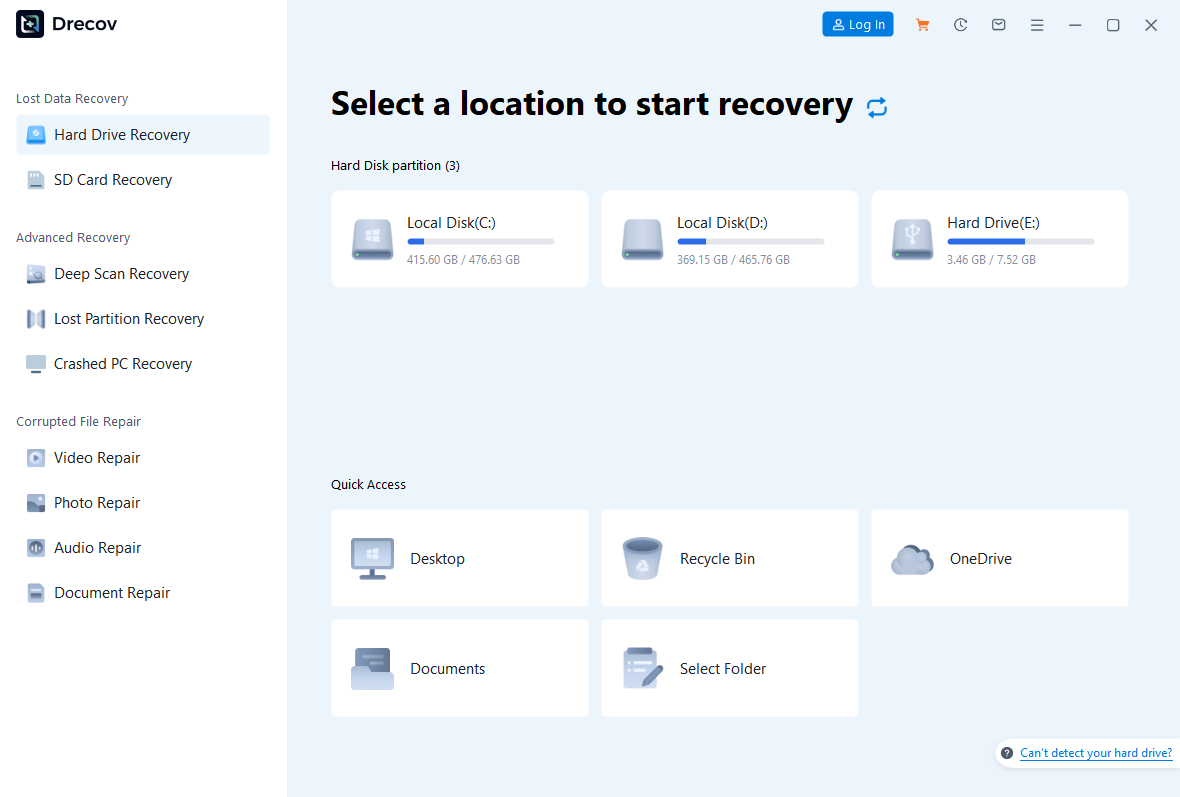
- Step 6: Click the Scan button to initiate a deep logical analysis of the file system.
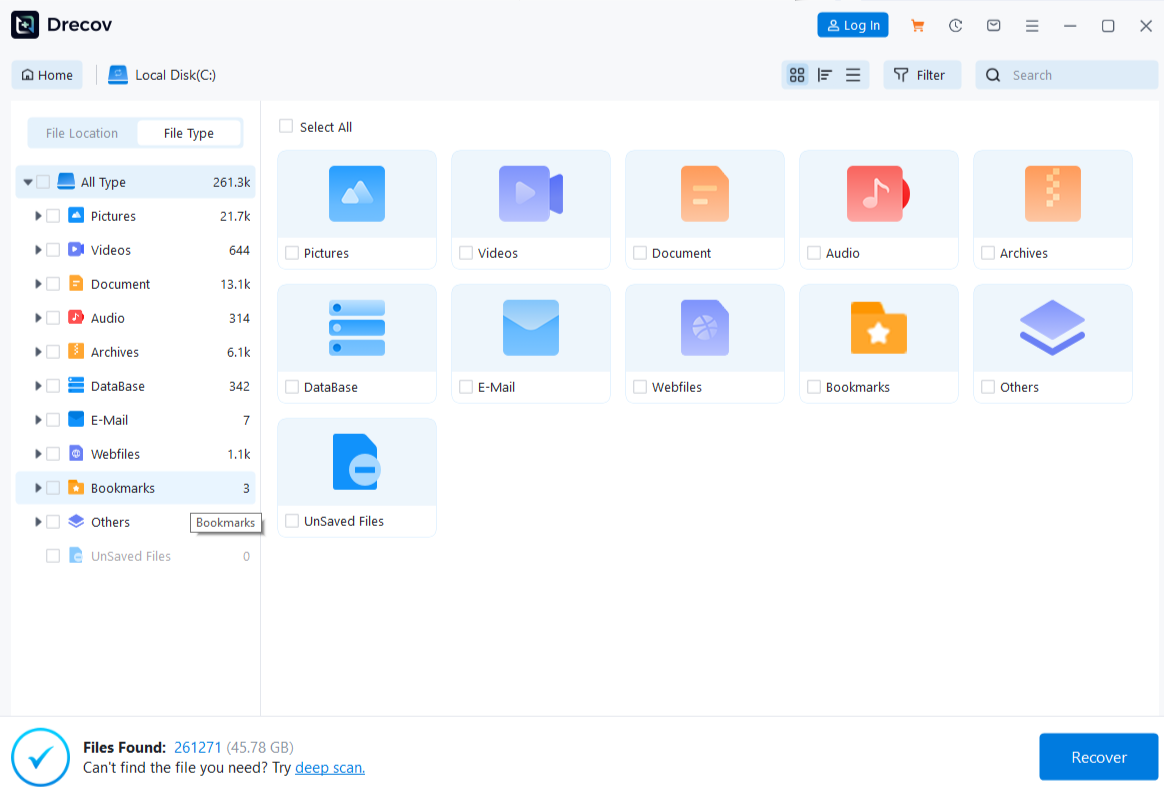
- Step 7: Browse through the discovered files, check the boxes next to the folders you wish to salvage, and click Recover to save them onto an external storage device.
Method 3: Repair the Master Boot Record and Boot Configuration Data
If your physical hardware is healthy but the system files are damaged, you can rebuild the boot infrastructure using a Windows installation disc or a recovery drive.
- Step 1: Insert your Windows installation media into the computer and restart the system.
- Step 2: Press any key when prompted to boot from the disc or flash drive.
- Step 3: Choose your language, time zone, and keyboard layout, and then click Next.
- Step 4: Click the Repair your computer link located in the bottom left corner of the screen.
- Step 5: Navigate through the troubleshooting menus by selecting Troubleshoot, then Advanced Options, and finally Command Prompt.
- Step 6: Type the following command into the console and press Enter to repair the master boot record:
- DOS
bootrec /fixmbr
- Step 7: Type the next command to repair the boot sector of the active partition and press Enter:
- DOS
bootrec /fixboot
- Step 8: Rebuild the entire boot configuration data store by executing this final command:
- DOS
bootrec /rebuildbcd
- Step 9: Close the command line interface, remove the installation media, and restart your computer to see if the operating system loads successfully.
Alternative or Complementary Methods
If the standard command line utilities do not clear the select and reboot proper boot device message, you can try alternative recovery and troubleshooting strategies.
Manual Hardware Swapping and Testing
You can remove the internal storage drive from the malfunctioning computer and connect it to a secondary PC using a SATA to USB adapter cable. This approach allows you to verify whether the drive appears within the secondary computer’s disk management console. If the secondary computer reads the drive perfectly, your original motherboard, SATA controller chip, or data cable is likely broken.
Automated System Repair Alternatives
Windows includes an Automated Startup Repair utility accessible through the installation media interface. This tool automatically scans system registries, partition tables, and driver configurations for errors, attempting fixes without requiring manual command inputs. However, this feature frequently fails if the underlying partition tables suffer from severe structural damage.
Comparison of Methods
| Method | Advantages | Disadvantages |
| BIOS Order Adjustment | Quick to execute, requires no extra tools, completely free | Only works if the settings were accidentally changed |
| PandaOffice Drecov Software | Safely extracts data, handles severe file system corruption | Requires access to a second working computer |
| Command Prompt Bootrec | Fixes deep structural system file errors directly | Incorrect commands can damage remaining partitions |
| SATA to USB Adapter Test | Isolates whether hardware or software is broken | Requires extra physical tools and technical handling |
Tips & Best Practices for Data Management
Safeguarding your information requires consistent maintenance habits. Implement these strategies to prevent system boot errors from compromising your files:
- Establish a Robust Backup Routine: Use the 3-2-1 backup strategy. Keep three copies of your data. Store them across two different media types. Always keep one copy completely offsite.
- Monitor Drive Health Frequently: Use reliable storage monitoring tools. These programs check SMART attributes on your drive. Regular checks help you spot early signs of hardware failure. Pay close attention to reallocated sector counts and uncorrectable sector errors.
- Handle Storage Errors Safely: If a flash drive fails, do not write new data to it. Instead, learn how to repair corrupted USB flash drive without losing data to keep your files intact.
- Use High Quality Components: Avoid cheap data cables and unbranded power supplies. Unstable power delivery can corrupt partition tables during write cycles.
- Maintain Manufacturer Guidelines: Review comprehensive technical documentation when working with specific hardware brands. For example, read a complete guide to Toshiba hard disk data recovery to understand vendor specific recovery nuances.
FAQs Regarding Boot Device Errors
Why does my computer randomly show the select reboot proper boot device error?
This behavior often points to a failing storage drive or a loose internal cable. As the computer warms up or vibrates, the physical connection can temporarily drop, causing the motherboard to lose track of the boot drive.
Can a malware infection cause the reboot and select proper boot device error?
Yes, certain types of rootkits and boot sector malware deliberately overwrite the Master Boot Record to hijack or lock your system. If this occurs, you must clean the drive and rebuild the boot files using installation media.
What should I do if my BIOS does not show my hard drive at all?
When the storage drive vanishes from the BIOS menu, the drive is either not receiving power or its internal controller controller board has failed. Check the physical connections inside the computer case or test the drive on another machine.
Is it safe to run the chkdsk command when facing boot errors?
You should only run checking utilities after backing up your critical files. If the drive is suffering from physical hardware degradation, the intense reading and writing movements performed by repair tools can cause total mechanical failure.
Will resetting my BIOS clear the boot device error?
Resetting the BIOS to factory defaults can fix the problem if a corrupted setting or an incorrect fast boot configuration caused the glitch. However, if your system requires specific UEFI or Legacy boot modes to run, resetting might require you to reconfigure those options manually.
Conclusion
Encountering the how to fix reboot and select proper boot device dilemma can be daunting, but it is a manageable issue. By systematically checking your internal hardware connections, verifying BIOS configurations, and utilizing built in recovery tools, you can regularly restore your system to working order.
Furthermore, you must always prioritize protecting your digital assets during any system repair process. Relying on professional recovery applications like PandaOffice Drecov data recovery software allows you to secure your photos, documents, and business files before making major changes to your operating system.






