







Understanding SD Card Encryption and Data Protection
What Does It Mean When an SD Card Is Encrypted?
As portable storage devices become increasingly common, protecting the information stored on them has become more important than ever. Many users carry sensitive photos, videos, business documents, and personal files on memory cards without considering the risks associated with loss or theft. This is where SD card encryption comes into play.
When an encrypted SD card is created, its contents are transformed into unreadable data using a cryptographic algorithm. Only users who possess the correct password, PIN, security key, or authorized device can access the information stored on the card. Without proper authentication, the files remain inaccessible.
Encryption works by converting ordinary files into encoded data. Even if someone removes the memory card and inserts it into another computer, the information cannot be viewed without the required credentials. This provides an additional layer of protection beyond standard file permissions.
Many modern smartphones, tablets, cameras, and computers support encryption technologies. Some operating systems allow users to encrypt an entire storage device, while others only encrypt selected files or folders.
For individuals handling confidential information, encryption significantly reduces the risk of data exposure. Whether the card is misplaced, stolen, or accessed by unauthorized users, the stored content remains protected. Understanding how encryption works is the first step toward maintaining stronger digital security.
How Encryption Protects Files Stored on SD Cards
Encryption serves as a powerful defense against unauthorized access. Unlike traditional passwords that simply restrict access through software, encryption transforms the actual file data into a format that cannot be understood without a decryption key.
When encryption is enabled, every file written to the memory card is automatically encoded. During normal use, the operating system decrypts the information in the background whenever an authorized user accesses it. This process is typically seamless and does not require additional effort after initial setup.
One of the main benefits is protection against physical theft. If someone removes the card from a device and attempts to access it elsewhere, the files remain unreadable. This is especially valuable for professionals who store client information, financial records, or business documents on removable media.
Encryption also helps organizations comply with privacy regulations and internal security policies. Many industries require sensitive information to be protected both during transmission and while stored.
In addition, encrypted storage can reduce the consequences of accidental loss. A misplaced memory card may be inconvenient, but encryption prevents others from viewing its contents.
⚠️ Warning: Encryption protects data from unauthorized access but does not prevent accidental deletion, corruption, or physical damage to the SD card.
Common Devices That Support SD Card Encryption
Support for memory card encryption varies by device and operating system. Fortunately, many modern platforms include built-in encryption capabilities.
Android smartphones have offered SD card encryption features on various models for years. Depending on the manufacturer and Android version, users can encrypt storage directly through security settings.
Windows computers may use BitLocker or BitLocker To Go to secure removable drives, including memory cards connected through card readers. This provides enterprise-grade encryption for portable storage devices.
Mac users can encrypt removable media through Disk Utility or Finder-based encryption features. Apple’s encryption framework integrates closely with the operating system and provides strong protection.
Some enterprise mobile devices include advanced security management tools that automatically encrypt external storage. Certain cameras and specialty equipment may also support encrypted storage solutions, though implementation varies significantly between manufacturers.
Before encrypting a memory card, users should confirm device compatibility. Encryption methods created on one platform may not function properly when the card is moved to another device. Understanding these limitations helps avoid future access problems and compatibility issues.
Why Encrypt an SD Card for Better Security
Protecting Personal and Business Information
Portable storage devices often contain valuable information that users may not realize requires protection. Family photos, identification documents, tax records, business presentations, contracts, and customer information can all become targets if an SD card falls into the wrong hands.
Encryption ensures that stored data remains private even when physical control of the card is lost. This level of protection is especially important for professionals who travel frequently or work remotely.
Business users often rely on removable storage for transferring files between devices. Without encryption, anyone who gains access to the card can potentially view confidential information. Encryption significantly reduces this risk.
Consumers also benefit from stronger privacy protection. Personal media files, saved passwords, financial records, and private documents can all be safeguarded through proper encryption practices.
As cyber threats continue to evolve, physical security alone is no longer sufficient. Encrypting removable storage provides an additional safeguard against unauthorized access while helping users maintain control over sensitive information.
Losing a smartphone, camera, laptop, or memory card can happen unexpectedly. In many cases, the financial value of the device is far less important than the information stored on it.
An SD card encrypted with a strong password can help prevent data breaches following loss or theft. Even if someone physically possesses the card, they cannot access the protected files without proper credentials.
This protection becomes particularly valuable for devices frequently carried outside the home or office. Travelers, photographers, students, and field workers often transport important information using removable storage media.
Encryption also reduces risks associated with improper disposal. When storage devices are discarded, sold, or recycled, encrypted data remains protected even if remnants of files remain on the media.
Many security professionals recommend encryption as part of a broader data protection strategy. Combined with strong passwords, backups, and secure storage practices, encryption creates a robust defense against unauthorized access.
⚠️ Warning: Losing the encryption password may permanently prevent access to encrypted files unless a recovery method was configured beforehand.
Risks of Using an Unprotected Memory Card
Using a memory card without encryption exposes stored data to multiple security risks. Anyone with physical access to the card can potentially view, copy, modify, or distribute the information stored on it.
One common threat involves lost devices. A misplaced memory card can quickly become a source of data leakage if confidential files are stored without protection.
Malicious actors may also use stolen data for identity theft, fraud, or unauthorized disclosure. Personal information, financial documents, and private communications are particularly vulnerable.
Another concern involves shared devices. Memory cards transferred between multiple systems may expose sensitive files to users who were never intended to access them.
Furthermore, certain malware strains target removable storage devices. While encryption does not eliminate malware risks, it can help prevent unauthorized users from directly viewing stored content.
Understanding these risks highlights why encryption has become a recommended security practice for both individuals and organizations. Properly secured storage helps reduce exposure while improving overall data protection.
How to Encrypt an SD Card on Different Devices
Method 1: Encrypt an SD Card on Android Devices
Android provides one of the most convenient ways to encrypt removable storage.
Test Environment
- Samsung Galaxy S24
- Android 15
- 128GB microSD card
- Fully charged battery
The exact menu names may vary depending on the device manufacturer and Android version.
General steps include:
- Insert the memory card into the device.
- Open Settings.
- Navigate to Security or Biometrics and Security.
- Locate Encryption or Encrypt SD Card options.
- Review the encryption information displayed.
- Confirm the operation.
- Wait for the process to complete.
Encryption time depends on card capacity and the amount of stored data. Larger cards may require considerably more time.
Once completed, the card becomes linked to the encryption environment established by the device. In many cases, the encrypted card can only be accessed through the same phone unless properly decrypted first.
Users should maintain adequate battery power throughout the process to avoid interruption.
⚠️ Warning: Do not remove the memory card or power off the device during encryption, as doing so may cause data corruption.
Method 2: Encrypt an SD Card Using Windows BitLocker
Windows users can protect removable storage devices through BitLocker To Go. This built-in encryption technology allows users to secure memory cards, USB drives, and external storage devices with strong encryption algorithms.
Test Environment
- Windows 11 Pro 24H2
- USB SD card reader
- 64GB SanDisk SD card
- BitLocker enabled
Before starting, ensure the SD card is properly connected and recognized by Windows.
Steps to Encrypt an SD Card with BitLocker
- Insert the SD card into the computer.
- Open File Explorer.
- Locate the SD card drive.
- Right-click the SD card.
- Select Turn on BitLocker.
- Choose a password to unlock the drive.
- Save the recovery key to a secure location.
- Select the preferred encryption mode.
- Start the encryption process.
- Wait until Windows finishes encrypting the card.
After completion, the encrypted SD card will require authentication whenever it is connected to a Windows system.
One major advantage of BitLocker is the recovery key feature. If the password is forgotten, users may still regain access through the recovery key stored during setup.
BitLocker encryption is particularly useful for business users who frequently transfer sensitive files between devices.
However, compatibility should be considered. Some non-Windows systems may not fully support BitLocker-protected storage devices.
Method 3: Encrypt an SD Card on Mac Computers
Apple provides several methods for encrypting removable storage devices. The most common approach uses Disk Utility, which integrates directly with macOS security features.
Test Environment
- macOS Sequoia
- MacBook Pro
- USB-C card reader
- 128GB SD card
Before encryption, ensure all important files are backed up.
Steps to Encrypt an SD Card on macOS
- Connect the SD card to the Mac.
- Open Disk Utility.
- Select the SD card from the sidebar.
- Choose Erase if necessary.
- Select an encrypted file system format.
- Create a strong password.
- Verify the password.
- Confirm the operation.
- Allow macOS to complete the encryption process.
Once finished, the card remains protected by the password selected during setup.
Mac users should store the encryption password securely. Unlike standard login credentials, encrypted storage passwords may be difficult or impossible to recover if forgotten.
This method offers strong security while maintaining seamless integration with the macOS ecosystem.
⚠️ Warning: Formatting during encryption may erase existing data. Always create backups before proceeding.
Method 4: Recover Important Files Before Encrypting an SD Card with PandaOffice Drecov
Before encrypting storage media, it is wise to verify that all important files remain accessible and recoverable. Existing file system issues or hidden corruption may become more difficult to address after encryption is applied.
Test Environment
- Windows 11 Pro
- 256GB microSD card
- PandaOffice Drecov latest version
- Mixed photo, video, and document files
Steps to Scan and Recover Files Before Encryption
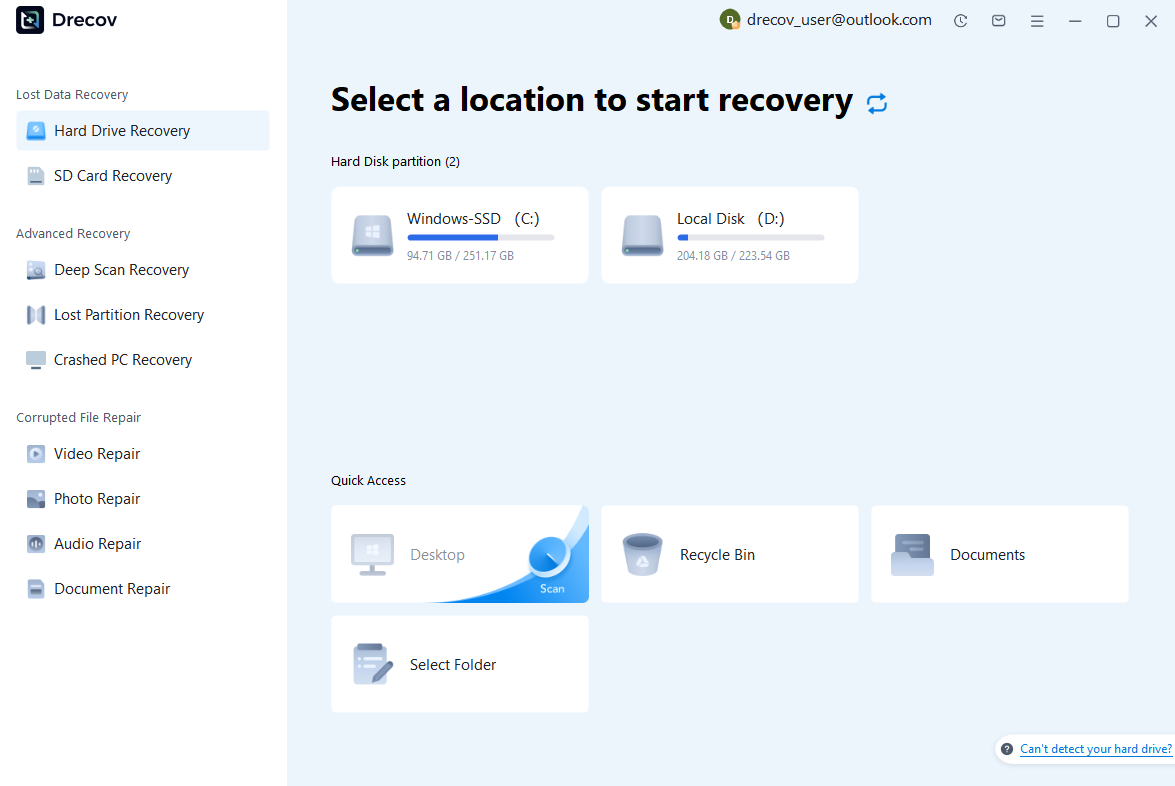
Step 1: Scan the Storage Device (SD Card / Hard Drive / USB)
Connect your device (SD card, HDD/SSD, or USB drive) to your computer and launch PandaOffice Drecov. Select the target device and start the scan. The software will perform a quick scan and deep scan to detect lost or deleted data.
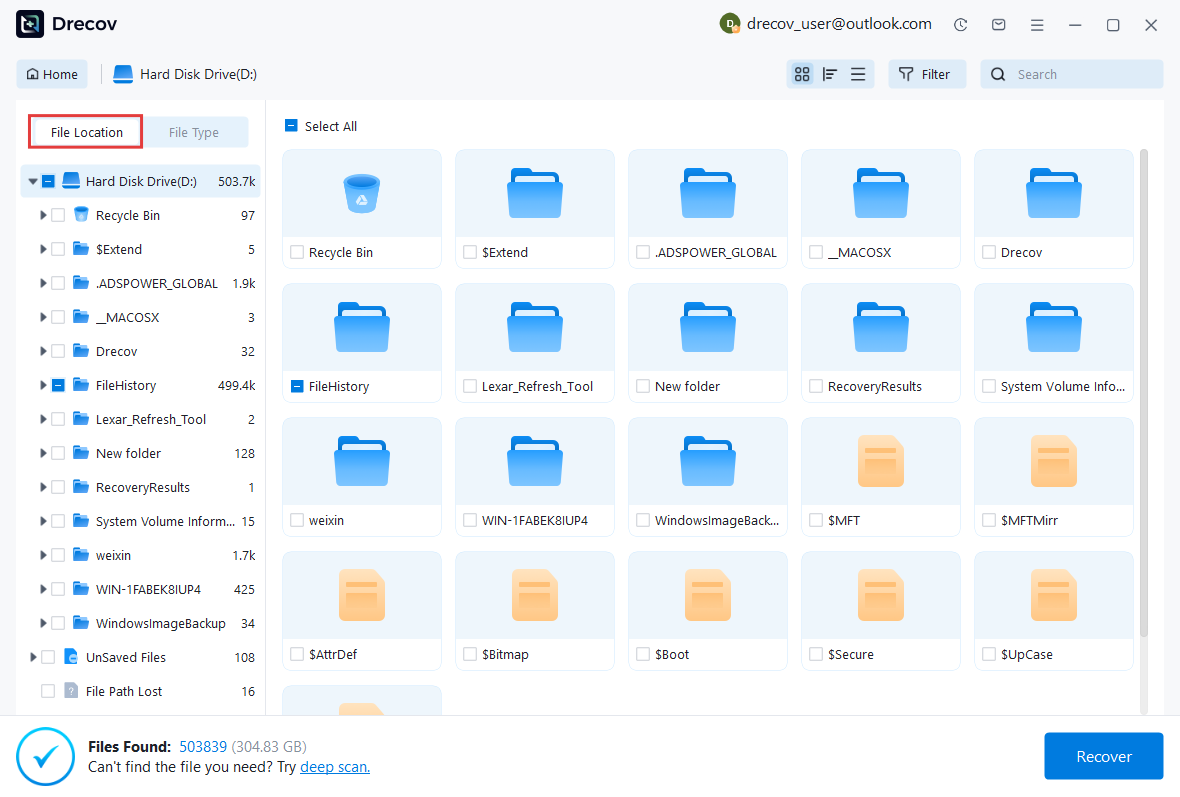
Step 2: Locate and Preview Lost Files
After scanning, browse the detected files and use the preview feature to check recoverable data. You can preview documents (Word, Excel, PDF), photos, and videos to ensure file integrity before recovery.
Step 3: Recover and Save to a New Location
Select the files you want to restore and click recover. Save all recovered data to a different drive or location (not the original device) to avoid overwriting lost data.

Why Choose PandaOffice Drecov Recovery Software?
PandaOffice Drecov offers a fast, secure, and user-friendly solution for recovering lost files across multiple scenarios. Whether you need email recovery, ZIP File Recovery, format data recovery, or help to recover deleted drafts Outlook, the software provides reliable recovery performance for both personal and business users.
PandaOffice Drecov supports recovery from formatted hard drives, SSDs, USB drives, SD cards, and external storage devices. Its advanced scanning engine can locate deleted archives, damaged ZIP files, lost Outlook drafts, and accidentally removed documents with high accuracy. For users searching for how to find deleted messages in Teams, PandaOffice Drecov can also help recover exported chat files, attachments, and related local cache data when available.
Key advantages include:
- Deep scan technology for complex data loss situations
- Support for emails, archives, videos, photos, and office documents
- Recovery from accidental deletion, formatting, corruption, and system crashes
- Easy preview before restoring files
- Compatible with Windows and multiple storage devices
Unlike complicated enterprise recovery tools, PandaOffice Drecov keeps the recovery process simple. Users can scan, preview, and restore files in just a few steps without technical expertise.
Whether you are dealing with lost Outlook drafts, corrupted ZIP archives, formatted drives, or missing communication data, PandaOffice Drecov provides an efficient and practical recovery experience designed to minimize downtime and protect important files.
Disk imaging ensures that even partially corrupted drives can be preserved. This is often the safest approach before attempting any aggressive repair operations for fix bad sectors on hard drive situations.
This approach helps users identify hidden file system issues before enabling encryption. If accidental deletions or corruption already exist, recovery is often easier before encryption modifies storage structures.
For users handling valuable photos, business documents, or archived media, performing a recovery scan beforehand can provide additional peace of mind.
How to Manage and Decrypt Encrypted SD Cards
Checking Whether an SD Card Is Encrypted
Sometimes users insert a memory card into a new device and discover they cannot access the stored files. In such situations, it is important to determine whether the storage media is encrypted.
Several signs may indicate encryption:
- Password prompts appear when opening the drive.
- The device reports restricted access.
- Files appear unreadable.
- Storage displays unusual file structures.
- Error messages indicate security protection.
In Windows, users can check BitLocker status through File Explorer or Control Panel. On Android devices, encryption information may appear in storage or security settings. macOS users can verify encryption through Disk Utility.
If the system indicates the SD card is encrypted, users should avoid formatting or modifying the card until the encryption status is fully understood.
Determining the encryption method is important because different platforms use different technologies. Accessing the card often requires the original password, recovery key, or source device.
Understanding the encryption status helps prevent accidental data loss and supports proper troubleshooting procedures.
How to Remove Encryption Safely
There may be situations where encryption is no longer required. Users upgrading devices, changing storage strategies, or improving compatibility may choose to remove encryption.
Before decryption begins, ensure that:
- The correct password is available.
- Important files are backed up.
- The device remains connected to power.
General decryption process:
- Connect the memory card.
- Unlock the encrypted storage.
- Open the encryption management tool.
- Locate the decryption option.
- Confirm the operation.
- Wait for the process to complete.
- Verify file accessibility afterward.
The time required depends on storage capacity and the amount of encrypted content.
After decryption, files return to normal readable form. However, they also lose the protection previously provided by encryption.
Users should carefully evaluate security requirements before permanently removing encryption from portable storage devices.
⚠️ Warning: Interrupting the decryption process may result in file corruption or temporary inaccessibility.
What to Do If the SD Card Is Encrypted and Inaccessible
A common problem occurs when users move encrypted storage between devices. They may suddenly discover that the card cannot be opened.
If the SD card is encrypted and inaccessible, consider the following troubleshooting steps:
- Return the card to the original device.
- Verify the password or PIN.
- Locate any recovery keys.
- Check device security settings.
- Confirm operating system compatibility.
- Update storage drivers if necessary.
- Attempt access through the original encryption platform.
Many Android-encrypted cards can only be read by the phone that created the encryption. Similarly, BitLocker-protected cards often require Windows authentication.
If credentials are unavailable, recovery options may be limited. Encryption is specifically designed to prevent unauthorized access, which unfortunately includes access after password loss.
Maintaining secure backups and recovery keys remains the most effective strategy for avoiding permanent data loss.
Frequently Asked Questions About SD Card Encryption
Can I Access an Encrypted SD Card on Another Device?
It depends on the encryption method used.
Some encrypted cards can be unlocked on compatible devices if the correct password is available. Others become tied to the original hardware and cannot be easily transferred.
Android device encryption often creates stronger device-specific dependencies. BitLocker and macOS encryption generally offer greater flexibility when compatible software is available.
Before moving encrypted storage between systems, verify cross-platform compatibility requirements.
What Happens If I Forget the Encryption Password?
Password loss represents one of the biggest risks associated with encrypted storage.
Without the password, access may only be possible through:
- Recovery keys
- Backup authentication methods
- Enterprise recovery systems
- Device-specific recovery features
If no recovery mechanism exists, the data may become permanently inaccessible.
This is why security professionals strongly recommend storing recovery credentials in a secure location.
Why Does My Device Say the SD Card Is Encrypted?
Several situations may trigger this message:
- Encryption was enabled intentionally.
- A previous device encrypted the card.
- Enterprise security policies applied encryption automatically.
- System settings changed after a software update.
When a device reports that the SD card encrypted status is active, avoid formatting the card until you determine how the encryption was created.
Identifying the original device often simplifies the recovery process.
Can Encrypted Files Be Recovered After Formatting?
Recovery may be possible under certain circumstances, but results vary significantly.
Factors affecting recovery include:
- Whether new data has overwritten the card.
- The encryption method used.
- File system condition.
- Availability of decryption credentials.
In many cases, encrypted data must first be recovered and then decrypted using the correct password or recovery key.
Success rates generally improve when recovery attempts begin immediately after data loss occurs.
Final Thoughts on Encrypting SD Cards
Best Practices for Secure SD Card Usage
Encryption provides one of the most effective methods for protecting information stored on removable media. However, security involves more than simply enabling encryption.
Recommended best practices include:
- Creating regular backups.
- Storing recovery keys securely.
- Using strong passwords.
- Updating operating systems regularly.
- Avoiding untrusted devices.
- Scanning storage media for errors before encryption.
- Verifying recovery procedures periodically.
Combining these practices with encryption helps create a comprehensive data protection strategy.
Users should also test access procedures before relying on encrypted storage for critical information. Familiarity with recovery methods can prevent future complications.
Key Takeaways About SD Card Encryption
Encrypting removable storage significantly improves privacy and security. Whether protecting personal files, business documents, or confidential records, encryption helps prevent unauthorized access after loss or theft.
Throughout this guide, we explored how an encrypted SD card works, why users may encounter situations where an SD card is encrypted, and how different platforms support encryption technologies.
By understanding encryption methods, compatibility considerations, password management, and recovery planning, users can confidently secure their data while minimizing future access issues.
When implemented correctly, SD card encryption remains one of the most valuable tools for safeguarding information in today’s increasingly mobile digital environment.





