







You can retrieve deleted videos on Samsung by checking Gallery Trash, Google Photos, OneDrive, Secure Folder, My Files, and SD card storage in that order. Do not record new videos, clear Gallery cache, or reset the phone before checking these places. If the deleted video was on a microSD card, remove the card and scan it from a computer.
Samsung video recovery is different from general Android recovery because Samsung Gallery can sync with OneDrive, Secure Folder has separate storage, and screen recordings may sit outside the normal camera album. This guide walks through each practical location.
Check Samsung Gallery Trash First
Samsung Gallery Trash is the safest first stop. Open Gallery, tap Menu, and check Trash or Recycle Bin. If the missing video appears, restore it and then copy it to another location. Do not empty Trash until you confirm that the restored video plays from start to finish.
If Gallery Trash is empty, check Google Photos Trash and OneDrive Recycle Bin from a browser. Samsung users often enable Gallery sync with OneDrive during setup, so a cloud copy may exist even when the local album no longer shows the video.
Samsung Video Recovery Checklist
- Camera videos: Check DCIM/Camera, Gallery Trash, Google Photos, and OneDrive.
- Screen recordings: Check Movies, Screen recordings, and My Files search.
- Edited videos: Check Samsung video editor, CapCut, TikTok drafts, and export folders.
- Private videos: Open Secure Folder and check its own Gallery and My Files apps.
- SD card videos: Stop using the card and scan it from a computer.
Method 1: Retrieve Videos From Samsung Cloud And OneDrive
Best For: Videos synced before deletion or removed from Gallery recently.
Tool Used: Samsung Gallery, OneDrive, Google Photos, and browser-based cloud Trash.
Steps
- Open Samsung Gallery and check Trash.
- Open OneDrive in a browser and check Recycle Bin.
- Open Google Photos and check Trash, Archive, and albums.
- Restore the video from the service that still has it.
- Download the restored video to a computer.
- Play the file completely to confirm the recovery.
Risk Level: Low. Cloud restore avoids raw storage changes.
Method 2: Use My Files And Secure Folder
Best For: Videos hidden from Gallery, private videos, app exports, and screen recordings.
Tool Used: Samsung My Files, Secure Folder, video editor apps, and app export folders.
Steps
- Open My Files and search for MP4, MOV, MKV, 3GP, and WEBM.
- Sort by date and size to find recently created or deleted-looking clips.
- Check DCIM, Movies, Download, Screen recordings, WhatsApp Video, and Telegram Video.
- Open Secure Folder and repeat the same checks inside its separate storage.
- Copy found videos to a computer or cloud folder.
- Keep the original copy unchanged until you verify playback.
Samsung video files sometimes disappear from albums because thumbnails or indexes fail. My Files can still show the actual video even when Gallery cannot.
Method 3: Retrieve Deleted Samsung SD Card Videos With PandaOffice Drecov
Use this method only when the missing Samsung videos were stored on a readable microSD card. PandaOffice Drecov is useful for scanning removable storage, previewing recoverable video files, and saving them to another drive.
Best For: Deleted Samsung videos, missing camera folders, screen recordings, and SD card video files.
Tool Used: PandaOffice Drecov.
Test Environment:
Operating System: Windows 11
Device Type: Samsung microSD card through card reader
File System: FAT32 / exFAT
Problem Scenario: Deleted Samsung videos on removable storage
Tool Used: PandaOffice Drecov
Steps
- Power off the Samsung phone and remove the SD card.
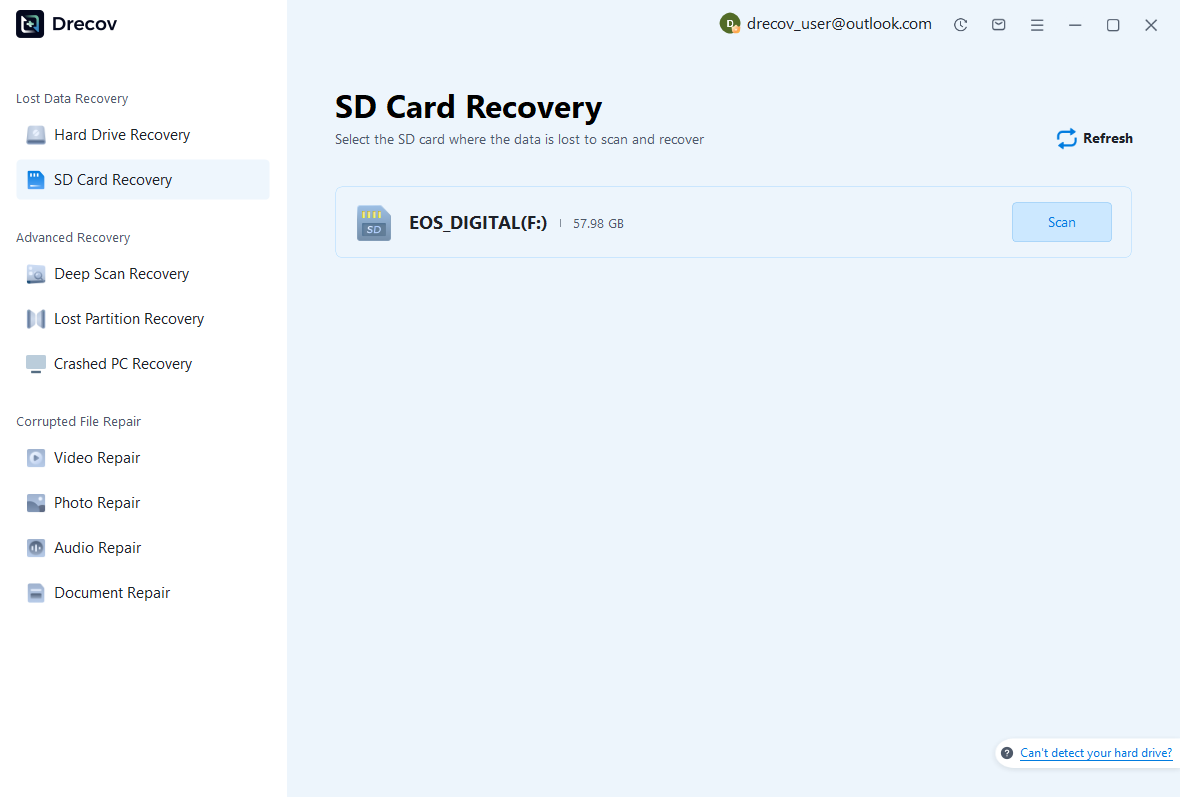
- Connect the SD card to a Windows computer with a card reader.
- Open PandaOffice Drecov and select the card.
- Run the scan and wait for video results.
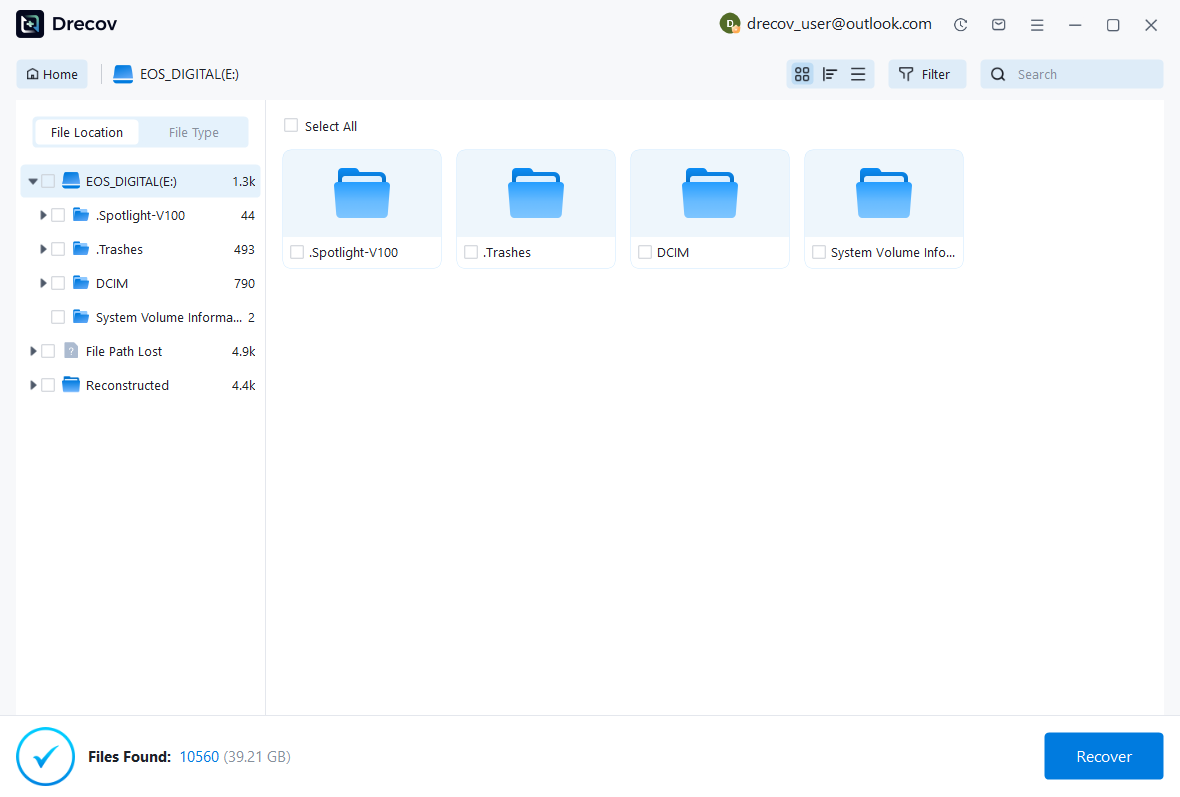
- Filter by MP4, MOV, 3GP, MKV, or original folder path.
- Preview recoverable clips when possible.
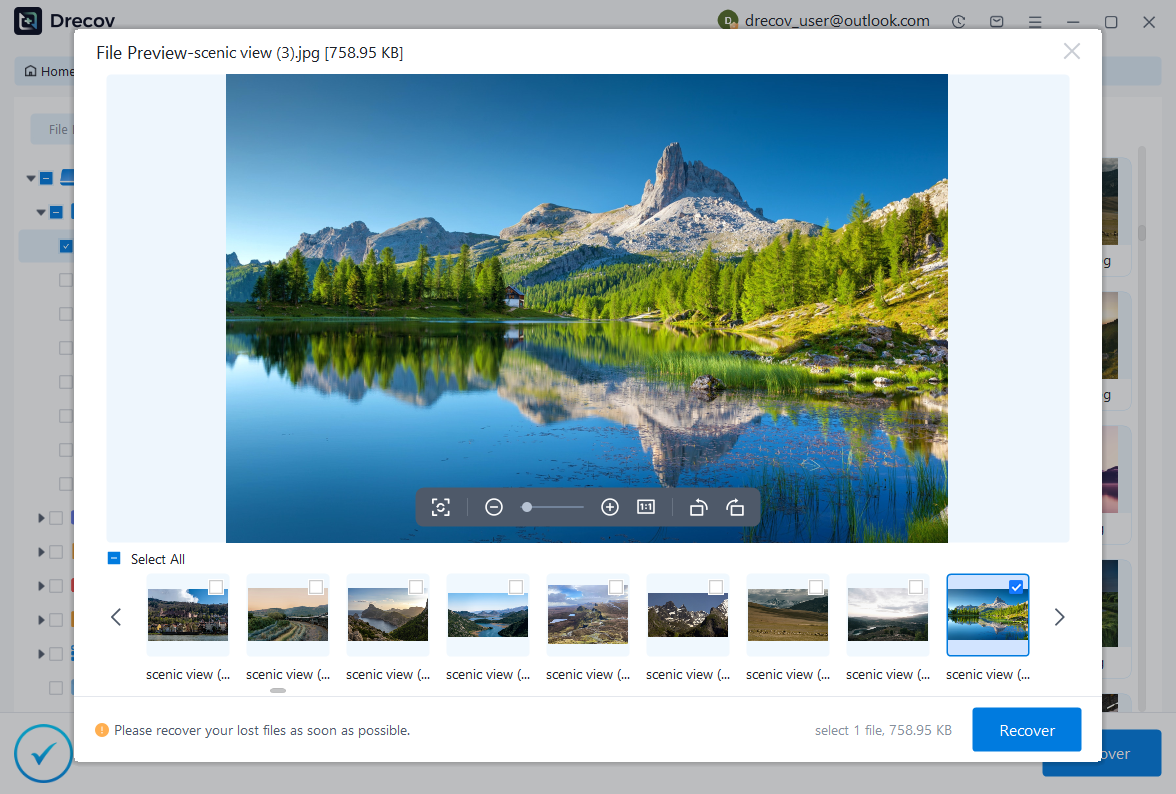
- Save recovered videos to the computer, not back to the original SD card.
Risk Level: Low when the card is no longer used in the phone before recovery.
Voice Messages And Voicemails Are Different
Some users search for deleted Samsung videos and deleted voice messages in the same recovery session. Voice messages from chat apps may live in WhatsApp Voice Notes, Telegram audio folders, recorder apps, or cloud backups. Deleted voicemails usually depend on the Phone app or carrier voicemail system.
Check voicemail quickly because retention windows can be short. Open the Phone app, carrier voicemail app, and any visual voicemail service. If the message is not there, contact the carrier before changing the phone.
How To Test Recovered Samsung Videos
- Copy the recovered video to a computer.
- Play the full video, not only the thumbnail.
- Jump to the middle and final minute.
- Check audio sync and resolution.
- Keep the original recovered file before editing or converting it.
A recovered video can show a thumbnail even when the file is incomplete. Full playback testing prevents you from deleting the only good copy too early.
Related Recovery Guides
If the deleted clip came from TikTok, use this TikTok video recovery guide.
For design project recovery on a computer, see this Illustrator file recovery guide.
If you need to save recovered videos to a Mac external drive, this LaCie drive not showing up guide may help.
For Windows rollback and restore point questions, read how to restore a computer to an earlier date on Windows.
FAQ
Can Samsung Retrieve Deleted Videos After Trash Is Empty?
Sometimes. Check OneDrive, Google Photos, Secure Folder, app folders, and SD card storage. Internal storage recovery is less certain.
Where Are Samsung Screen Recordings Stored?
They may appear in Gallery, Movies, Screen recordings, or My Files search results. Search by MP4 and date.
Can Mobile Phone Data Recovery Software Recover Every Samsung Video?
No. Recovery depends on storage source, encryption, overwrite activity, and whether a backup or SD card copy exists.
Conclusion
To retrieve deleted videos on Samsung, start with Gallery Trash, OneDrive, Google Photos, Secure Folder, and My Files. If the videos were on an SD card, remove the card and scan it from a computer before the phone writes new data.





