







Cloud Sync allows you to back up your data in real-time and provides options for data encryption, minimizing the impact of sudden disasters and keeping your data secure. This article guides you through backing up your Google Drive data to your Synology NAS by using Cloud Sync.—from synology
Understanding Google Drive Cloud Sync and How It Works
What Is Google Drive Cloud Sync and Why It Matters
In today’s digital environment, managing files across multiple platforms requires reliable synchronization. Google drive cloud sync allows users to automatically keep files updated between local storage, NAS devices, and cloud services. This ensures that any change made in one location is reflected everywhere.
Cloud synchronization is especially useful for businesses and individuals who need real-time access to files. Instead of manually uploading and downloading data, cloud sync google drive automates the process, saving time and reducing errors.
For users with NAS systems like Synology or QNAP, integrating cloud sync creates a hybrid storage system. This setup combines the flexibility of cloud storage with the control of local storage.
Understanding how synchronization works is the first step toward building a reliable file management system. Whether you’re handling personal photos or business data, proper sync ensures consistency and accessibility.
Why You Should Sync NAS and Cloud Storage
Key Benefits of Cloud and NAS Integration
Combining NAS devices with cloud services offers several advantages. Many users explore google drive cloud sync to improve data accessibility, backup reliability, and collaboration efficiency.
One major benefit is redundancy. Files stored on both NAS and cloud platforms are protected against hardware failure or accidental deletion. This significantly reduces the risk of data loss.
Another advantage is remote access. With cloud sync google drive, users can access files from anywhere without needing direct access to the NAS device.
Additional benefits include:
- Automated file updates
- Simplified collaboration
- Scalable storage options
For enterprise users, integrating systems like synology cloud sync google drive ensures seamless workflow across teams.
Common Challenges When Syncing Cloud and NAS
Despite its advantages, cloud synchronization can present challenges. Users attempting synology cloud sync google shared drive or similar setups may encounter issues such as sync conflicts or slow transfer speeds.
Common problems include:
- File version conflicts
- Network interruptions
- Incorrect sync configurations
- Storage limitations
Understanding these challenges helps users implement better solutions. For example, selecting the correct sync mode (one-way vs two-way) can prevent data overwriting.
⚠️ Warning: Incorrect sync settings may overwrite important files without notice.
How to Set Up Google Drive Cloud Sync on NAS
Method 1: Sync QNAP NAS with Google Drive
Test Environment:
QNAP TS-251+, QTS 5.0, Google Drive account connected, stable Ethernet connection
QNAP NAS provides built-in tools to enable google drive cloud sync. This method is ideal for users who want direct integration without third-party tools.
Steps:
- Log in to QNAP NAS interface
- Open Hybrid Backup Sync (HBS)
- Create a new sync job
- Select Google Drive as destination
- Configure sync direction (one-way or two-way)
- Choose folders to sync
- Start synchronization
This method allows automatic updates between NAS and cloud storage. It is widely used for backup and collaboration.
⚠️ Warning: Ensure sufficient cloud storage space before starting sync to avoid interruptions.
Method 2: Use Synology Cloud Sync with Google Drive
Test Environment:
Synology DS220+, DSM 7.1, Cloud Sync package installed, Google account authorized
For Synology users, setting up synology cloud sync google drive is straightforward using the built-in Cloud Sync application.
Steps:
- Install Cloud Sync from Package Center
- Launch the application
- Select Google Drive as cloud provider
- Authorize your account
- Choose local and remote folders
- Configure sync direction and rules
- Start syncing
This method supports advanced features such as encryption, bandwidth control, and scheduling.
Users working in teams can also configure synology cloud sync google shared drive to sync shared folders across multiple users.
Method 3: Sync Samsung Cloud with Google Drive
Test Environment:
Samsung Galaxy S22, One UI 5.1, Google account linked, Wi-Fi connection
Many users want to know how to sync samsung cloud with google drive for better integration across devices.
While direct syncing is limited, you can manually transfer data between services.
Steps:
- Back up data to Samsung Cloud
- Download files to your device
- Upload files to Google Drive
- Organize folders for syncing
Although not fully automated, this method helps bridge the gap between platforms.
This approach answers common questions like sync samsung cloud with google drive when native integration is unavailable.
⚠️ Warning: Manual transfers may result in duplicate files if not managed carefully.
Alternative Ways to Sync Google Drive Across Systems
Method 4: Use Desktop Sync Tools for Google Drive
Test Environment:
Windows 11 PC, Google Drive for Desktop installed, SSD storage
Another way to enable cloud sync google drive is by using desktop applications. Google Drive for Desktop allows automatic syncing between your computer and cloud storage.
Steps:
- Install Google Drive for Desktop
- Sign in to your account
- Select folders to sync
- Choose mirror or stream mode
- Monitor sync status
This method is ideal for users who prefer working directly from their PC instead of NAS systems.
Method 5: Recover Lost Files After Sync Errors Using Pandaoffice Drecov
Test Environment:
Windows 10 Pro, 16GB RAM, synced Google Drive folder with deleted files
Sometimes, sync errors or misconfigurations can lead to accidental file deletion. If files are lost during google drive cloud sync, recovery tools can help.
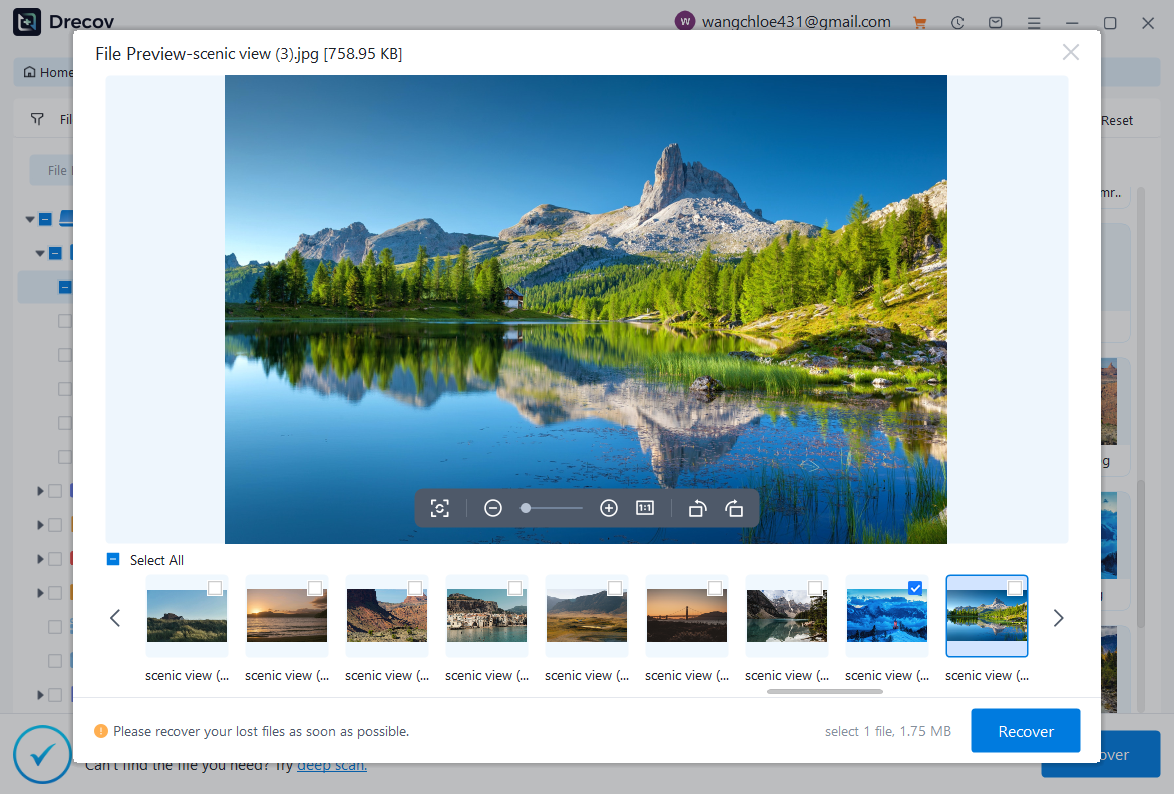
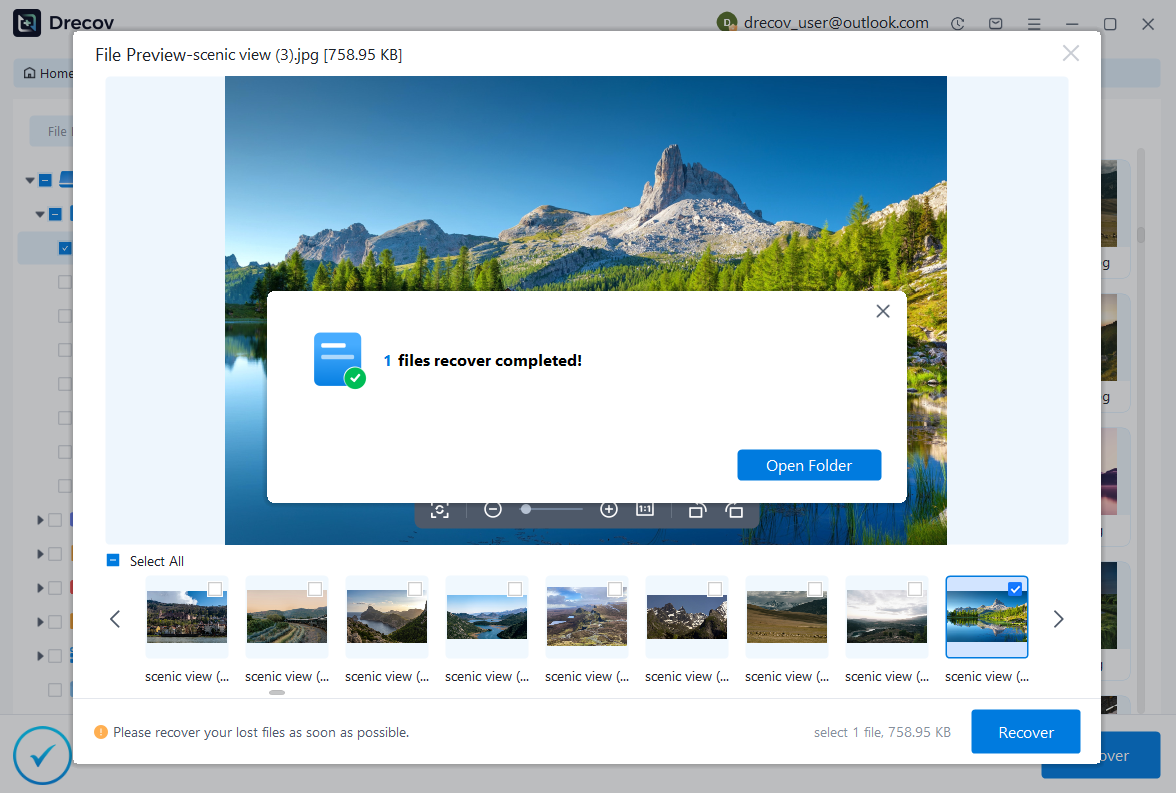
Pandaoffice Drecov is designed to recover lost or deleted files from local drives, including synced folders.
Steps:
- Install Pandaoffice Drecov
- Select the synced folder location
- Run a deep scan
- Preview recoverable files
- Restore files to a secure location
This method is useful when users experience data loss due to incorrect sync settings or conflicts.

Why Choose PandaOffice Drecov?
PandaOffice Drecov is a versatile and reliable solution for recovering a wide range of lost or inaccessible files. Whether you need audio recovery, video recovery, or excel recovery files, PandaOffice Drecov provides fast and efficient results, ensuring your important data is safely restored.
For creative professionals, it supports file recovery Illustrator projects, allowing designers to retrieve unsaved or accidentally deleted artwork without compromising file integrity. Businesses and individuals can also benefit from its restore Windows previous date feature, which helps recover documents or spreadsheets that were lost due to system errors or accidental deletions.
When external storage devices fail, such as a Lacie hard drive not showing up, PandaOffice Drecov can detect and restore files from these drives, ensuring you do not lose critical data. Even deleted files in the recycle bin can be recovered using its advanced recycle bin recovery software capabilities.
Additionally, the software supports recovering data from lost partitions, making lost partition recovery straightforward and reliable. Its intuitive interface allows users to perform audio recovery, video recovery, and excel recovery effortlessly, even for large or complex files.
⚠️ Warning: Avoid saving new files to the affected folder to prevent overwriting recoverable data.
Comparing Different Google Drive Sync Methods
Which Sync Method Is Right for You
Choosing the best method depends on your setup and needs. NAS users benefit from built-in sync tools, while individual users may prefer desktop applications.
For example:
- QNAP sync: best for enterprise storage
- Synology sync: ideal for advanced control
- Desktop sync: simple and user-friendly
If you’re unsure about how to sync samsung cloud with google drive, manual methods remain the most practical option.
Each method offers unique advantages, so selecting the right one ensures efficient and secure synchronization.
Method 6: Set Up Two-Way and One-Way Sync Modes
Test Environment:
Synology DS920+, DSM 7.2, Cloud Sync configured, stable 1Gbps network
When configuring google drive cloud sync, choosing the right sync mode is critical. Two-way sync ensures that changes made in either location are reflected everywhere, while one-way sync sends data in a single direction only.
Steps:
- Open your sync application (Cloud Sync or HBS)
- Select the sync job you created
- Choose sync direction (upload, download, or bidirectional)
- Apply settings and restart the sync process
Two-way sync is ideal for collaboration, while one-way sync is better for backups. Users working with synology cloud sync google drive often prefer two-way sync for real-time updates.
However, improper configuration may cause file conflicts or accidental overwrites.
⚠️ Warning: Always test sync settings with sample files before applying them to critical data.
Method 7: Schedule Cloud Sync Tasks for Better Performance
Test Environment:
QNAP TS-453D, Hybrid Backup Sync scheduler enabled, mixed file sizes
Scheduling sync tasks helps optimize performance and bandwidth usage. Instead of syncing continuously, users can define specific times for updates.
Steps:
- Access sync task settings
- Enable scheduling options
- Set preferred sync intervals (hourly, daily, weekly)
- Save and monitor performance
This is particularly useful for large-scale cloud sync google drive operations, where constant syncing may slow down the network.
Scheduled sync also reduces the risk of interruptions during peak usage hours.
Method 8: Use Selective Sync to Control File Transfers
Test Environment:
Windows 11 PC, Google Drive Desktop, 512GB SSD, large media library
Selective sync allows users to choose which files or folders should be synchronized. This prevents unnecessary data transfer and saves storage space.
Steps:
- Open sync settings
- Select folders to include or exclude
- Apply changes
- Monitor sync status
This method is highly effective when working with limited storage or large datasets. Users managing synology cloud sync google shared drive environments often rely on selective sync to control data flow.
Troubleshooting Google Drive Cloud Sync Issues
Fix Sync Conflicts and Duplicate Files
Test Environment:
Synology NAS + Google Drive, duplicate file scenario simulated
Sync conflicts occur when the same file is modified in multiple locations. This is a common issue in google drive cloud sync setups.
Steps to resolve:
- Identify conflicting files
- Compare versions manually
- Keep the correct version
- Delete duplicates
Proper naming conventions and version control can help prevent future conflicts.
Resolve Slow Sync Speed Problems
Test Environment:
QNAP NAS, 100 Mbps network, large file transfers
Slow syncing can affect productivity, especially when dealing with large files.
Possible solutions:
- Check internet speed
- Limit bandwidth usage in sync settings
- Schedule sync during off-peak hours
- Reduce file size or quantity
Users working with cloud sync google drive systems should optimize their network for better performance.
Fix Authentication and Connection Errors
Test Environment:
Google account re-authentication scenario, browser-based login
Sometimes sync fails due to expired credentials or connection issues.
Steps:
- Reconnect your Google account
- Verify login credentials
- Check firewall or security settings
- Restart sync service
This is especially important for users managing synology cloud sync google drive, where secure connections are required.
⚠️ Warning: Incorrect account permissions may prevent access to shared drives.
Best Practices for Secure and Efficient Cloud Sync
Protect Your Data with Encryption and Permissions
Test Environment:
Synology NAS, encrypted sync enabled, shared team access
Security should always be a priority when using google drive cloud sync. Many NAS systems allow encryption during data transfer.
Best practices include:
- Enable encryption for sensitive files
- Set access permissions carefully
- Use strong passwords and two-factor authentication
This is particularly important for organizations using synology cloud sync google shared drive environments.
Maintain Regular Backup Alongside Sync
Test Environment:
Hybrid setup with NAS + external HDD + Google Drive
Sync is not the same as backup. While cloud sync google drive keeps files updated, it does not protect against accidental deletion.
To ensure full protection:
- Keep separate backups
- Use external storage devices
- Schedule periodic backups
This reduces the risk of data loss and complements sync functionality.
Monitor Sync Activity and Logs
Test Environment:
QNAP NAS dashboard, sync logs enabled
Monitoring sync logs helps identify issues early. Users can track file transfers, errors, and system performance.
Steps:
- Open sync application dashboard
- Access logs or history
- Review recent activity
- Fix any detected errors
This is essential for maintaining stable google drive cloud sync operations.
FAQ About Google Drive Cloud Sync
Can I Sync NAS Directly with Google Drive?
Yes, most NAS systems like QNAP and Synology support direct integration. Tools like HBS and Cloud Sync make it easy to set up google drive cloud sync.
How to Sync Samsung Cloud with Google Drive Automatically?
Currently, there is no fully automatic solution. Users must manually transfer files. This answers the common question how to sync samsung cloud with google drive.
What Is the Difference Between Sync and Backup?
Sync keeps files updated across locations, while backup creates a separate copy for recovery. Both are important for data protection.
Yes, using Cloud Sync, you can configure synology cloud sync google shared drive to synchronize shared folders across teams.
Why Are My Files Not Syncing Properly?
Possible reasons include:
- Network issues
- Incorrect settings
- Storage limitations
- Authentication errors
Checking these factors can resolve most sync problems.
Conclusion: Key Takeaways for Google Drive Cloud Sync
Setting up google drive cloud sync between NAS devices and cloud platforms is a powerful way to manage and protect your data. By combining local storage with cloud services, users can achieve better accessibility, redundancy, and efficiency.
Throughout this guide, we explored multiple methods, including QNAP and synology cloud sync google drive setups, as well as manual approaches for syncing different platforms. We also addressed common challenges and provided practical solutions to improve performance.
If you’ve been searching for:
- cloud sync google drive
- sync samsung cloud with google drive
- how to sync samsung cloud with google drive
You now have a clear roadmap to implement and optimize your sync strategy.
Remember that synchronization is only one part of data management. Combining sync with proper backups and monitoring ensures maximum data safety.
⚠️ Warning: Always verify your sync settings before applying them to important data to avoid accidental loss.






