







In the modern digital landscape, the versatility of the USB-C port has revolutionized how we interact with our workstations. Whether you are a creative professional trying to extend your display or a casual user wanting to stream high-definition content, knowing how to run video through usb-c on pc is a fundamental skill. However, this convenience often comes with technical hurdles—ranging from hardware compatibility issues to the devastating loss of data during failed connections.
This comprehensive guide will walk you through the intricacies of USB-C video output, troubleshooting common connection errors, and utilizing professional tools like PandaOffice Drecov to safeguard your digital assets.
Understanding the Basics of USB-C Video Transmission
Before diving into the “how-to,” we must address a common misconception: not all USB-C ports are created equal. While the physical connector looks the same on every device, the underlying technology varies significantly. To successfully understand how to run video through usb-c on pc, you must understand “Alt Mode” (Alternate Mode).
Alt Mode allows the USB-C cable to carry non-USB signals, such as DisplayPort or HDMI. Without this specific hardware capability, your port will only transfer data and power, leaving your monitor blank.
Does my usb-c port support video output windows 11?
This is the most critical question you need to answer before purchasing cables or adapters. If your hardware doesn’t support the DisplayPort over USB-C standard, no amount of software tweaking will make the video appear.
Step 1: Check the Physical Symbols
Manufacturers often print small icons next to the USB-C port.
- Thunderbolt Icon (Lightning Bolt): If you see this, your port supports video, high-speed data, and charging.
- DisplayPort Icon (“D” shape): This indicates the port supports DisplayPort Alt Mode.
- USB Icon with “PD”: This indicates Power Delivery; it might support video, but you need to check the manual.
Step 2: Use the Windows Device Manager
- Right-click the Start button and select Device Manager.
- Expand the Universal Serial Bus controllers section.
- Look for “Billboard Device.” If you see this while a monitor is plugged in, it often means the port does not support the video signal you are trying to send.
- Look for “Thunderbolt(TM) Controller.” Its presence is a green light for video output.
Step 3: Consult the Manufacturer’s Specification Sheet
Search for your specific laptop model on the official manufacturer’s website (e.g., Dell Support or HP Customer Support). Look for the “Ports” or “Connectivity” section. It must explicitly state “DisplayPort 1.4” or “HDMI” support via USB-C.
How to Run Video Through USB-C on PC: A Step-by-Step Setup
Once you have confirmed compatibility, follow these steps to establish a stable connection.
Step 1: Choose the Right Cable
Many users fail because they use a standard charging cable. You require a “Full Featured” USB-C 3.2 Gen 2 cable or a Thunderbolt 4 cable. These cables have the necessary wiring to handle the high bandwidth of 4K or 8K video.
Step 2: Connect the Hardware
Plug one end into your PC and the other into the monitor. Ensure the connection is firm. If you are using an adapter (USB-C to HDMI), ensure the adapter itself supports the resolution and refresh rate of your monitor.
Step 3: Configure Windows Display Settings
- Press Windows + I to open Settings.
- Navigate to System > Display.
- Click Detect if the monitor doesn’t appear automatically.
- Under “Multiple displays,” choose Extend these displays or Duplicate these displays.
Troubleshooting: usb-c monitor no signal but charging
It is a frustratingly common scenario: you plug in your monitor, your laptop starts charging, but the screen remains black. This indicates that the Power Delivery (PD) pins are working, but the high-speed data lanes for video are not.
Step 1: Perform a “Cold Boot” of the Monitor
Sometimes the handshake between the PC and the monitor fails. Unplug the monitor from the power outlet, wait 30 seconds, and plug it back in while it is still connected to the PC.
Step 2: Update the Graphics Drivers
Outdated drivers are a primary culprit for signal failure.
- Go to the Intel Graphics or NVIDIA Driver website.
- Download the latest drivers for your GPU.
- Restart your PC after installation.
Step 3: Check the USB Selective Suspend Setting
Windows might be “sleeping” your USB port to save power.
- Open Control Panel > Power Options.
- Click Change plan settings next to your active plan.
- Click Change advanced power settings.
- Expand USB settings > USB selective suspend setting and set it to Disabled.
Data Risks During Display Troubleshooting
When we struggle with hardware connections, we often resort to “hard resets” or repeatedly plugging and unplugging external drives and monitors. This can lead to file system corruption or accidental data loss, especially if an external storage device was sharing a hub with your monitor.
If you find that your files have disappeared or your USB drive is suddenly unreadable after a display mishap, you need a professional recovery solution.
Recovering Lost Files with PandaOffice Drecov data recovery software
PandaOffice Drecov is a premier data recovery tool designed to handle the complexities of modern storage, including USB-C drives, SD cards, and internal SSDs. Whether your data was lost due to a sudden power surge during a video connection or accidental formatting, this software provides a high success rate.
⚠ Warning: Install it on a drive different from the one where your data was lost to prevent overwriting.
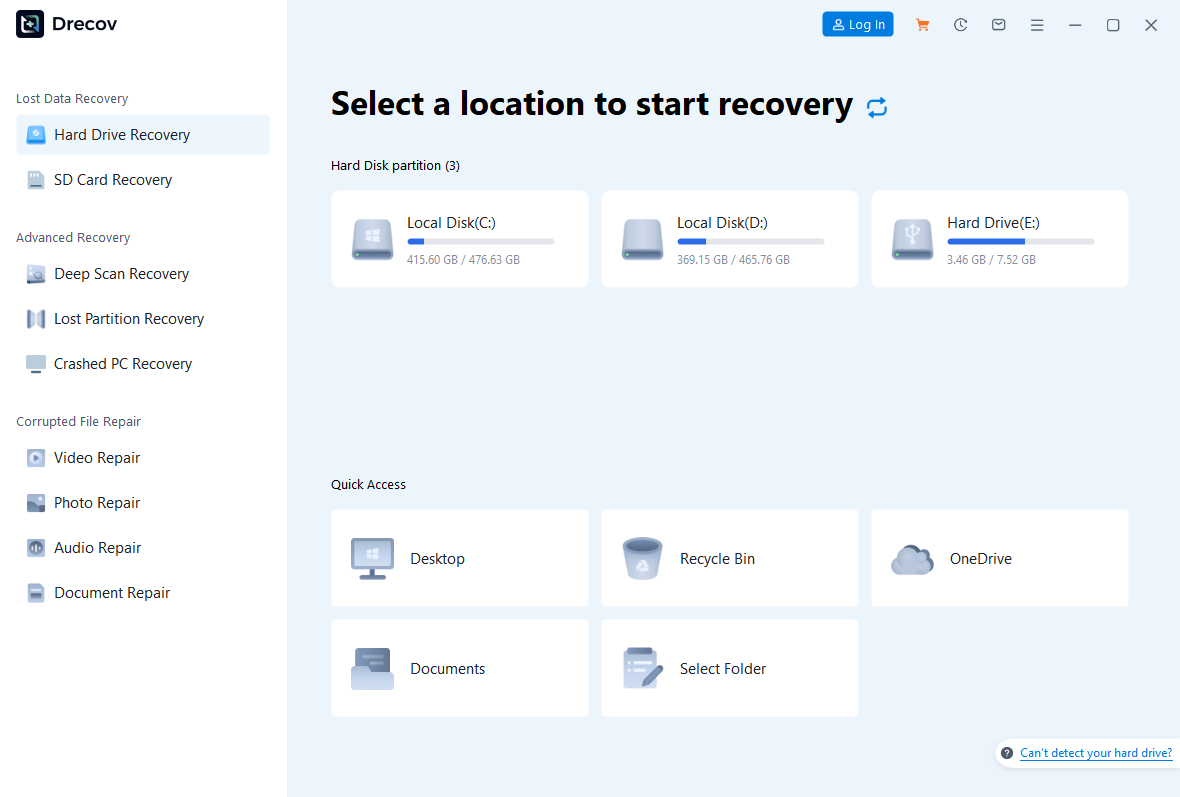
Step 1: Select the Target Drive
Launch the application. You will see a clean interface listing all connected drives. Select the USB drive or the local partition where the data was originally stored.
Warning: If your USB drive is physically hot or making clicking sounds, stop immediately and consult a hardware specialist. Software recovery is for logical errors and accidental deletions.
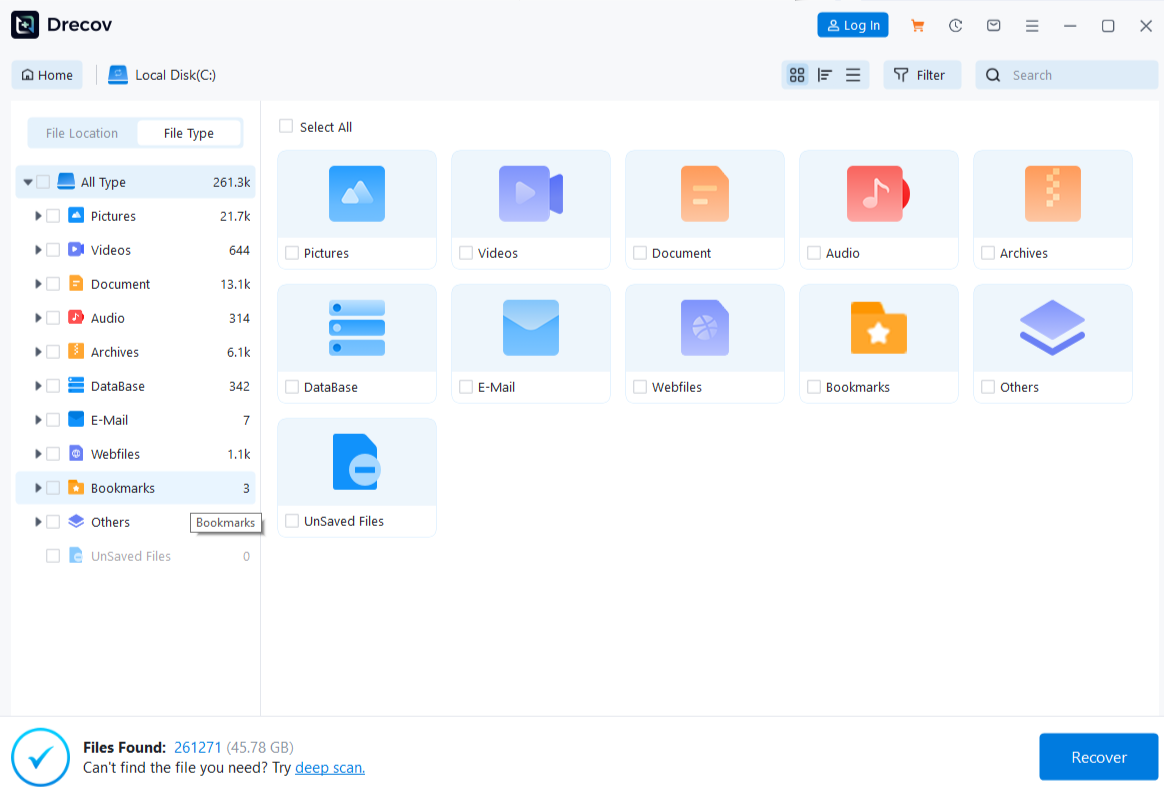
Step 2: Deep Scan Initiation
Click the Scan button. PandaOffice Drecov will perform a dual-layered scan. First, a Quick Scan identifies recently deleted files. Then, it automatically transitions into a Deep Scan, which reconstructs files based on raw data patterns.
Step 3: Preview and Filter
One of the best features of PandaOffice Drecov is the preview function. You can view photos, documents, and even some video snippets before committing to the recovery. Use the filter sidebar to search for specific file types (e.g., .mp4, .jpg, .docx).
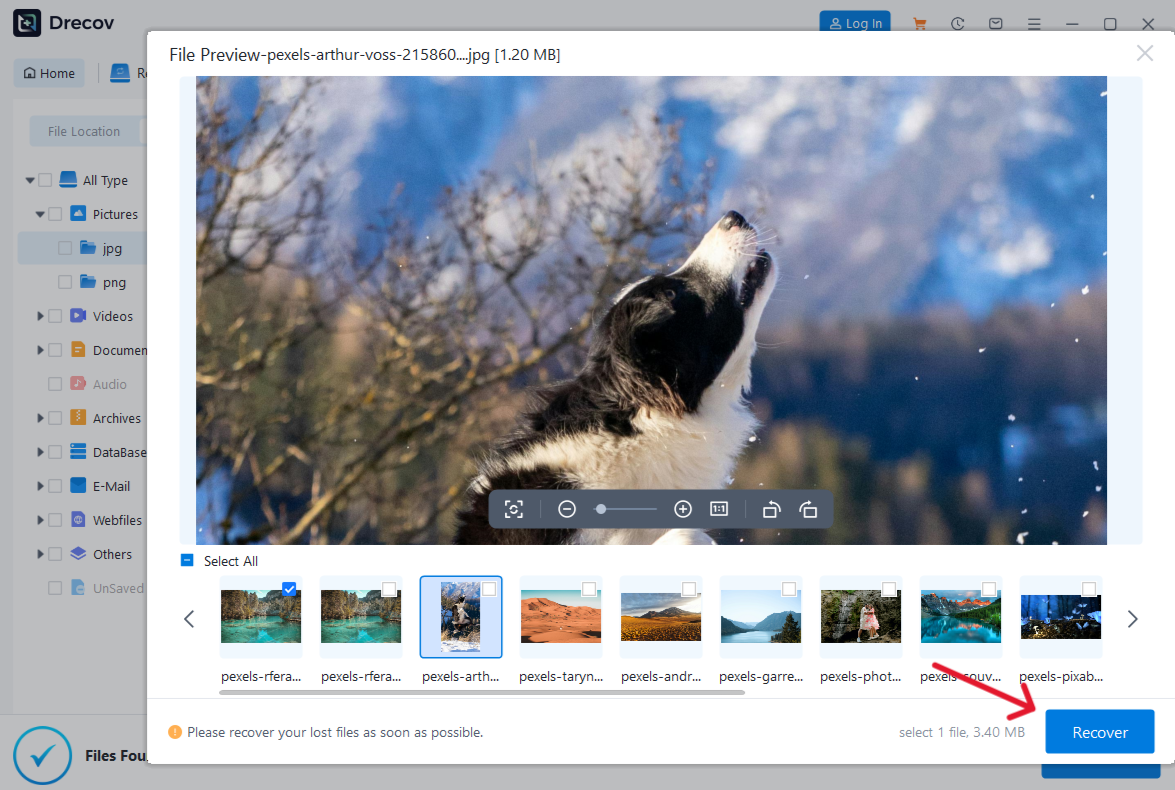
Step 4: Execute Recovery
Select the files you wish to keep and click Recover. Choose a safe destination on your computer’s internal hard drive or a cloud storage service.
Internal Resources for Continued Success
To further master your hardware and data management, explore our specialized guides:
- Troubleshoot adapters: Learn how to install drivers for USB 3.0 to HDMI adapter on Windows 11
- Fix Drive Errors: How to repair USB drive and recover data step-by-step
- Handle Corruption: Repair corrupted USB flash drives without losing your precious data
- Media Management: The 2026 master guide to transferring photos to USB drives
Run Video Through USB-C on PC FAQs
1. Why does my USB-C video connection flicker when I move the laptop?
This is usually caused by a physical connection issue or EMI (Electromagnetic Interference). USB-C connectors are small, and even a tiny amount of dust or a loose port housing can interrupt the high-frequency video signal.
- Solution: Clean the port with compressed air and ensure you are using a high-quality, shielded cable. If you are using a long cable (over 2 meters), the signal may degrade unless it is an “active” cable.
2. Can I run two monitors from a single USB-C port on my PC?
Yes, but it depends on your PC’s support for MST (Multi-Stream Transport). Most Windows 11 laptops with DisplayPort Alt Mode support MST, allowing you to daisy-chain monitors or use a USB-C docking station.
- Note: macOS does not natively support MST for extended displays over USB-C; it will only mirror the image. For Windows users, ensure your dock’s bandwidth matches your resolution needs (e.g., a 10Gbps port for dual 4K).
3. If I use a USB-C to HDMI adapter, will it affect my data recovery options?
Directly, no. However, cheap, unbranded adapters can cause power surges or “back-feed” electricity into your motherboard. This can lead to the “port reset” errors that cause external drives to disconnect unexpectedly. If a drive disconnects while you are editing a video on an external screen, use PandaOffice Drecov data recovery software immediately to check for partition table errors.
4. How do I know if my cable is for charging only or supports 4K video?
Standard charging cables included with smartphones usually only support USB 2.0 data speeds (480 Mbps), which is insufficient for video.
- The Test: Look for a “SuperSpeed” (SS) logo or a “40Gbps” mark on the cable head. If the cable is thin and very flexible, it is likely a charging cable. Video-capable cables are generally thicker due to the additional shielding required for high-speed data lanes.
5. Can I recover video files that were “cut and pasted” but disappeared?
Yes. The “Cut” command in Windows removes the file from the source directory only after it is successfully written to the destination. If the USB-C connection fails during the “Paste” phase (perhaps due to a usb-c monitor no signal but charging error that resets the bus), the file can hang in a “limbo” state.
- Recovery Tip: Do not write any new data to either the source or destination. Run a deep scan using PandaOffice Drecov on the source drive; the file entries are often still marked as “available space” and can be fully reconstructed.
Conclusion
Mastering how to run video through usb-c on pc is about more than just plugging in a cable; it is about understanding the synergy between hardware protocols and software drivers. By verifying your port capabilities, using high-quality cables, and keeping PandaOffice Drecov in your digital toolkit, you ensure a seamless and safe computing experience.
Always remember to eject your USB devices safely. While USB-C is designed for “hot-swapping,” the file system on your drive is still vulnerable to corruption if interrupted during a write cycle. Stay informed, keep your drivers updated, and enjoy the beauty of a multi-monitor setup.






