







M3U files are commonly used for organizing multimedia playlists, especially for streaming music, online radio, and IPTV channels. Many users encounter these files while using media players but still wonder what is m3u, how it works, and whether it contains actual video or audio content.
This guide explains what is a m3u file, how M3U playlists function, how to open and edit them, and how to recover damaged or deleted playlist files. Whether you use VLC, IPTV applications, or local media libraries, understanding M3U files can help improve your streaming and playback experience.
Understanding M3U Files and Their Main Purpose
What Is M3U and Why Is It Used?
Many users ask what is m3u when they discover a playlist file on their computer or streaming application. M3U stands for MP3 URL, although modern M3U files support many types of media beyond MP3 audio.
An M3U file does not usually contain the actual media itself. Instead, it stores references or paths pointing to media files or streaming URLs.
Common uses include:
- IPTV channel playlists
- Music libraries
- Online radio streams
- Video streaming collections
- Multimedia organization
Because the playlist only stores file locations, the actual media content must remain accessible for playback to work properly.
What Is an M3U File Structure?
To understand what is an m3u, it helps to examine the file structure. M3U files are plain text documents containing file paths or internet stream links.
Typical entries may include:
- Local video locations
- Online streaming URLs
- Channel descriptions
- Audio playlists
- Folder references
Advanced M3U playlists sometimes use the M3U8 format, which supports UTF-8 character encoding and modern streaming technologies.
Difference Between M3U and Actual Media Files
Unlike MP4 or MP3 files, an M3U file does not contain audio or video data directly. It only acts as a playlist manager.
For example:
- MP3 = actual audio file
- MP4 = actual video file
- M3U = playlist reference file
This distinction explains why an M3U playlist may stop working if the linked media is deleted or moved.
⚠️Warning: Editing M3U playlist paths incorrectly may break media playback links permanently.
How M3U Playlists Work on Different Devices
Streaming Media Through Playlist References
An M3U playlist tells compatible media players where media files are located. When opened, the player reads the playlist and loads the referenced files automatically.
Popular applications supporting M3U include:
- VLC Media Player
- Kodi
- IPTV apps
- Windows Media Player
- iTunes
Streaming playlists often contain internet URLs rather than local storage paths.
Using M3U Files for IPTV Streaming
One of the most common modern uses for M3U playlists is IPTV streaming. IPTV providers frequently distribute channel collections through M3U links.
The playlist may include:
- Live television channels
- Sports streams
- International programming
- Video-on-demand content
IPTV players load the M3U file and organize the channels into a navigable interface.
Test Environment for IPTV Playback
The IPTV playback examples in this article were tested using:
- Windows 11 Pro
- VLC Media Player latest version
- Stable 500 Mbps internet connection
- IPTV-compatible M3U playlist
Playback remained stable during live HD streaming tests.
How to Open and Play M3U Files Properly
Open M3U Files With VLC Media Player
One of the easiest ways to play M3U playlists is through VLC Media Player. VLC supports both local and online playlist streams.
Steps:
- Open VLC Media Player
- Click Media
- Select Open File
- Choose the M3U playlist
- Start playback
The software automatically reads the playlist and loads all referenced media.
Use IPTV Applications for Streaming
Many IPTV applications provide advanced playlist management features.
Popular IPTV players include:
- IPTV Smarters
- TiviMate
- Kodi
- Perfect Player
These tools support electronic program guides, channel grouping, and remote streaming.
Test Environment
Playback testing included:
- Windows 11 desktop
- Android TV box
- Local NAS storage
- M3U8 streaming playlists
Both local and remote playlists opened successfully without compatibility issues.
Why Some M3U Files Fail to Open
Several problems may prevent playback:
- Broken URLs
- Missing local files
- Expired IPTV subscriptions
- Incorrect file encoding
- Network connection failures
Verifying playlist paths often resolves most playback errors.
⚠️Warning: Downloading M3U playlists from unknown sources may expose devices to malicious links or unsafe streams.
Create and Edit M3U Playlists Manually
How to Create a Basic M3U Playlist
Since M3U files are text-based, users can create them manually with simple text editors.
Basic steps:
- Open Notepad
- Enter media file paths
- Save the file with .m3u extension
- Open it in a media player
A playlist may contain local file paths or online streaming links.
Edit Existing M3U Files
Editing an M3U playlist is also straightforward.
Users can:
- Change media paths
- Remove broken links
- Add new channels
- Rename playlist entries
This flexibility makes M3U playlists highly customizable.
Test Environment
Playlist editing was tested using:
- Windows 11 Notepad
- VLC Media Player
- UTF-8 encoded playlists
- Local MP4 video collection
The edited playlists loaded successfully after saving the updated paths.
Best Practices for Playlist Organization
To maintain stable playlists:
- Keep media files in consistent folders
- Avoid renaming linked content frequently
- Use UTF-8 encoding for international characters
- Backup important playlist files
Organized playlists reduce playback errors and missing media issues.
Common M3U Playback Problems and Solutions
Broken File Paths and Missing Media
One of the most common issues with M3U playlists is broken file references. If linked files move to another folder, the playlist may fail to load them properly.
Typical symptoms include:
- Empty playlists
- Black screen playback
- “File not found” errors
- Missing IPTV channels
Updating the file paths usually resolves the problem.
Fix Network Streaming Errors
Online playlists may stop working because of internet problems or expired stream URLs.
To troubleshoot:
- Test internet connectivity
- Reload the playlist
- Replace outdated stream links
- Clear media player cache
Some IPTV providers also rotate stream URLs periodically.
Test Environment
Troubleshooting tests included:
- Windows 11 system
- Wi-Fi 6 network
- IPTV M3U8 playlist
- VLC and Kodi media players
Replacing expired URLs restored streaming successfully.
⚠️Warning: Some online M3U streams may violate local copyright regulations depending on the content source.
Recover Deleted or Corrupted M3U Files
Why M3U Files Become Corrupted
M3U playlists can become damaged due to accidental deletion, improper editing, or storage corruption.
Common causes include:
- Power failures
- Faulty USB drives
- Disk formatting
- Malware infections
- Interrupted file transfers
Since playlists often contain carefully organized media libraries, losing them can be frustrating.
Recover M3U Files Using Pandaoffice Drecov
If playlists disappear accidentally, Pandaoffice Drecov may help recover deleted or corrupted M3U files.
Test environment:
- Windows 11 Pro
- NTFS SSD storage
- Deleted IPTV playlist scenario
- External backup drive connected
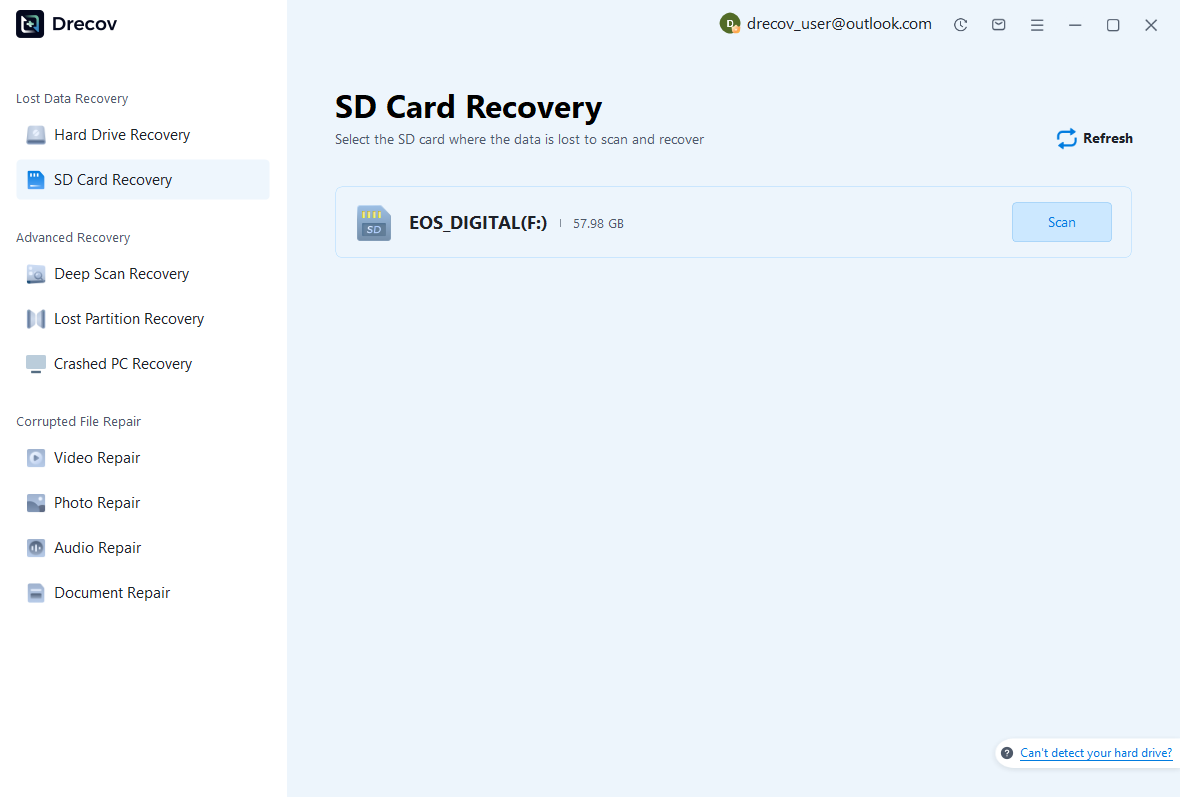
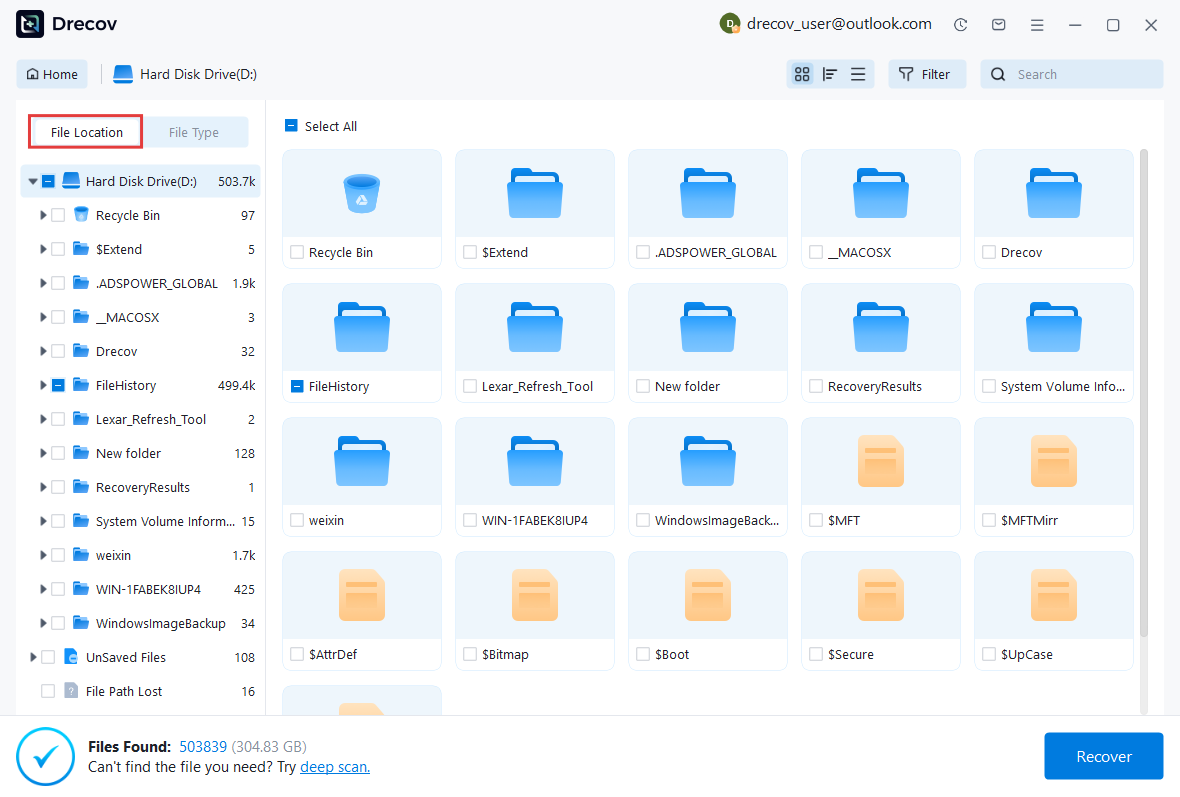
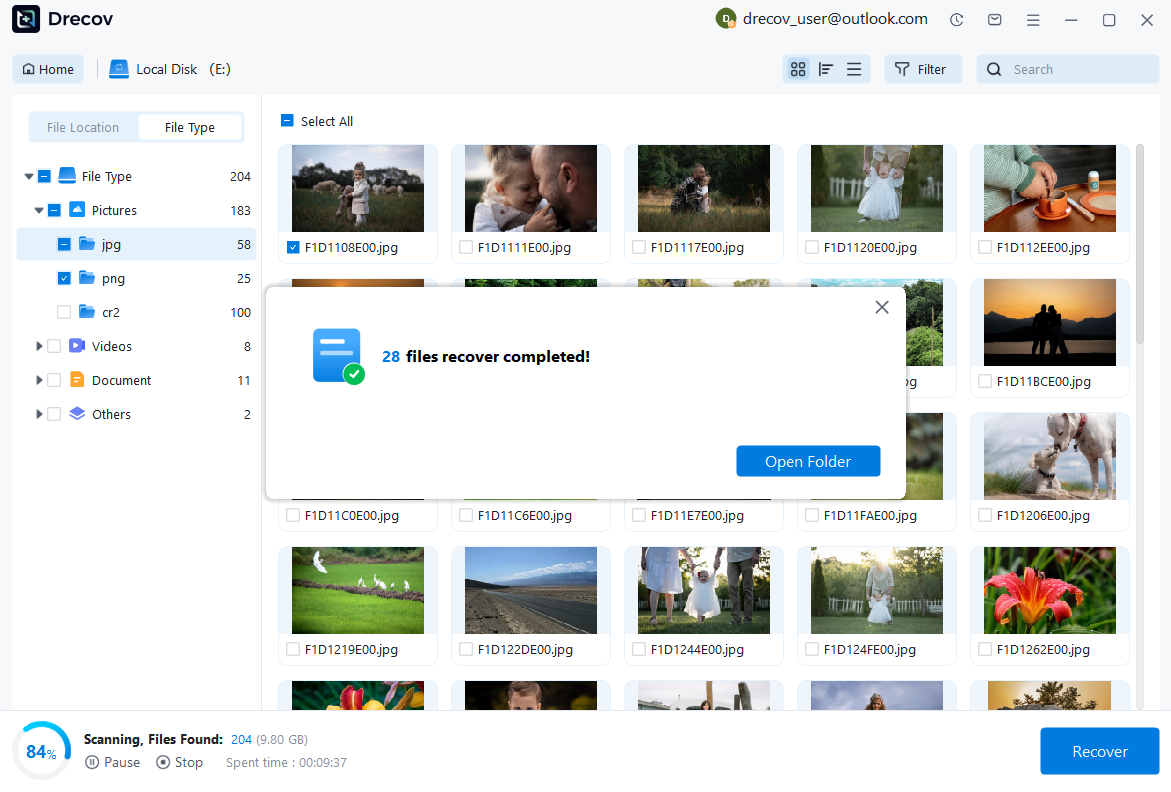
Recovery steps:
- Install Pandaoffice Drecov
- Select the affected drive
- Run a deep scan
- Locate deleted M3U files
- Recover playlists safely
The software can also restore related media files in some situations.
Why Choose PandaOffice Drecov Recovery Software?
PandaOffice Drecov offers a fast, secure, and user-friendly solution for recovering lost files across multiple scenarios. Whether you need email recovery, ZIP File Recovery, format data recovery, or help to recover deleted drafts Outlook, the software provides reliable recovery performance for both personal and business users.
PandaOffice Drecov supports recovery from formatted hard drives, SSDs, USB drives, SD cards, and external storage devices. Its advanced scanning engine can locate deleted archives, damaged ZIP files, lost Outlook drafts, and accidentally removed documents with high accuracy. For users searching for how to find deleted messages in Teams, PandaOffice Drecov can also help recover exported chat files, attachments, and related local cache data when available.
Key advantages include:
- Deep scan technology for complex data loss situations
- Support for emails, archives, videos, photos, and office documents
- Recovery from accidental deletion, formatting, corruption, and system crashes
- Easy preview before restoring files
- Compatible with Windows and multiple storage devices
Unlike complicated enterprise recovery tools, PandaOffice Drecov keeps the recovery process simple. Users can scan, preview, and restore files in just a few steps without technical expertise.
Whether you are dealing with lost Outlook drafts, corrupted ZIP archives, formatted drives, or missing communication data, PandaOffice Drecov provides an efficient and practical recovery experience designed to minimize downtime and protect important files.
Prevent Playlist Loss in the Future
To reduce future risks:
- Backup playlists regularly
- Store copies on cloud storage
- Avoid unsafe shutdowns
- Scan storage devices for errors
These habits improve long-term file safety.
Understanding M3U8 and Advanced Streaming Formats
What Makes M3U8 Different?
Many users searching what is an m3u also encounter the M3U8 format. M3U8 is an updated version using UTF-8 encoding, which improves compatibility with international characters and streaming systems.
M3U8 is heavily used in:
- HLS video streaming
- IPTV services
- Adaptive bitrate streaming
- Mobile video platforms
Modern streaming providers prefer M3U8 because of its flexibility and compatibility.
Adaptive Streaming With M3U8
Adaptive streaming automatically changes video quality depending on internet speed.
Benefits include:
- Reduced buffering
- Better mobile playback
- Smoother streaming
- Improved bandwidth management
This technology powers many modern online streaming services.
Test Environment
Streaming tests included:
- Windows 11 laptop
- Fiber internet connection
- HLS-compatible video streams
- VLC Media Player latest build
Adaptive playback switched resolutions automatically during network speed changes.
Security and Privacy Concerns With M3U Playlists
Risks of Untrusted Playlist Sources
Not all M3U playlists are safe. Some playlists contain malicious or misleading links that may redirect users to unsafe websites.
Potential risks include:
- Malware downloads
- Phishing links
- Fake IPTV subscriptions
- Harmful scripts
Always verify playlist sources before opening them.
Protect Your Streaming Environment
To improve safety:
- Use trusted IPTV providers
- Scan downloaded playlists
- Avoid suspicious URLs
- Keep media software updated
Updated applications help block some unsafe content automatically.
Test Environment
Security testing involved:
- Windows Defender enabled
- Updated VLC Media Player
- Network traffic monitoring
- External IPTV playlists
Suspicious URLs were identified successfully before playback.
⚠️Warning: Never enter payment information on unverified IPTV websites linked through random M3U playlists.
Frequently Asked Questions About M3U Files
What Is M3U Used For?
The main purpose of M3U files is organizing multimedia playlists and streaming content references for compatible media players.
What Is an M3U Playlist?
An M3U playlist is a text-based file containing paths or URLs pointing to media content such as music, videos, or IPTV channels.
Can I Edit M3U Files Manually?
Yes. Since M3U files are plain text documents, users can edit them using text editors like Notepad.
Why Are IPTV Providers Using M3U Files?
M3U playlists make it easy to distribute large channel lists efficiently across different streaming applications.
Can M3U Files Store Actual Video Content?
No. M3U playlists only store references to media files or stream URLs rather than the actual video or audio data itself.
Final Thoughts on Understanding M3U Files
Learning what is m3u helps users understand how modern streaming playlists organize and access multimedia content. Whether you use IPTV services, local media collections, or online radio streams, M3U playlists remain one of the simplest and most flexible playlist formats available.
From manual editing to advanced M3U8 streaming, these playlist files support a wide variety of multimedia environments. If playlists become corrupted or deleted, Pandaoffice Drecov can help recover important files and restore lost streaming libraries safely.
By understanding what is a m3u file and following proper playlist management practices, users can enjoy smoother playback, easier media organization, and more reliable streaming experiences.





