







Introduction to Synology C2 Cloud Services
What Is Synology C2 and Why Is It Popular?
Synology C2 is a cloud-based platform developed by Synology to help individuals and businesses store, protect, and manage digital data online. Many NAS users rely on this ecosystem because it integrates directly with Synology devices and provides secure remote backup features without requiring complex configurations.
Unlike traditional public cloud drives, c2 synology services are optimized specifically for Synology NAS hardware. This allows users to synchronize files, create automated backups, protect system snapshots, and recover important information when hardware failures or ransomware attacks occur.
The platform includes several cloud solutions, including backup management, file synchronization, password protection, and disaster recovery tools. One of the biggest advantages is centralized management combined with encrypted storage.
The demand for synology c2 storage has increased significantly among remote workers and small businesses because of the growing need for secure off-site backups. Instead of depending only on local drives, users can maintain multiple copies of critical files in geographically distributed data centers.
⚠️Warning: Storing data only on a local NAS device increases the risk of permanent data loss during hardware failure, theft, or fire damage.
Main Services Included in the C2 Ecosystem
The cloud ecosystem contains multiple services tailored for different workloads. The most commonly used feature is synology c2 backup, which allows users to back up NAS folders, computers, servers, and cloud applications.
Other services include:
- C2 Storage for cloud-based NAS backup
- C2 Identity for secure authentication
- C2 Password for password management
- C2 Transfer for secure file sharing
- C2 Object Storage for enterprise-scale workloads
Most users begin with cloud backup because it works directly with Synology Hyper Backup and Active Backup tools. Once configured, the backup process runs automatically according to scheduled tasks.
Another reason people choose Synology C2 is data encryption. Files are encrypted before transmission and remain protected while stored in remote servers. This improves privacy and reduces risks associated with unauthorized access.
The system is also scalable. Users can expand storage capacity as data grows instead of purchasing additional physical drives immediately.
How Synology C2 Storage Works
Cloud Backup Infrastructure Explained
Synology c2 storage operates using remote cloud data centers that receive encrypted backup copies from local devices. When users connect a Synology NAS to the service, the system creates secure communication channels and begins transmitting backup data incrementally.
Incremental backups only upload modified files instead of re-uploading the entire dataset every time. This reduces bandwidth usage and improves synchronization speed.
The infrastructure supports:
- File versioning
- Multi-version retention
- Data deduplication
- End-to-end encryption
- Automatic integrity checks
For home users, the system provides an easy way to create disaster recovery plans without needing enterprise-level IT experience.
Test Environment
- Device: Synology DS923+
- DSM Version: DSM 7.2
- Internet Speed: 500 Mbps fiber connection
- Backup Size: 2TB multimedia library
During testing, the first full backup required several hours because all data needed uploading. However, later incremental updates completed much faster because only changed files were synchronized.
Benefits of Off-Site Cloud Protection
One major advantage of synology c2 backup is geographic separation. Even if a local NAS becomes damaged or stolen, files remain accessible through the cloud backup portal.
This approach supports the popular 3-2-1 backup strategy:
- 3 copies of data
- 2 different storage media
- 1 off-site backup copy
Businesses often use this strategy to protect customer records, financial files, and collaborative documents.
Another important benefit is ransomware recovery. If encrypted malware affects a NAS system, users can restore earlier backup versions from the cloud instead of paying ransom demands.
⚠️Warning: Disabling version history may reduce your ability to recover files after ransomware attacks.
In addition, cloud storage simplifies remote work. Employees can recover files from different locations without physically accessing the office NAS device.
Key Features of Synology C2 Backup Services
Automated Backup Scheduling
The most important capability within synology c2 backup is automatic scheduling. Users can define daily, weekly, or continuous backup plans depending on workload requirements.
Hyper Backup and Active Backup applications allow administrators to customize:
- Backup frequency
- Retention periods
- Compression settings
- Encryption methods
- Bandwidth limits
Automation minimizes the possibility of human error because backups occur without manual intervention.
Test Environment
- Device: Synology DS1522+
- Backup Tool: Hyper Backup
- Cloud Plan: 5TB C2 Storage Plan
- Backup Frequency: Daily incremental backup
Testing showed stable synchronization with minimal CPU impact on the NAS during nighttime backup operations.
Versioning and File Recovery
Version history is another important feature of c2 synology services. Multiple versions of modified files remain available for recovery.
For example, if a document becomes corrupted accidentally, users can restore an earlier version within minutes.
The recovery process includes:
- Opening Hyper Backup Explorer
- Selecting restore points
- Browsing backup versions
- Recovering specific files or folders
This granular recovery system is especially useful for collaborative work environments where files change frequently.
⚠️Warning: Reducing retention policies too aggressively may permanently remove older recovery points.
Disaster Recovery Capabilities
Large organizations often use Synology C2 to maintain business continuity plans. If physical servers fail, cloud-stored backups can restore operations quickly.
Disaster recovery helps minimize downtime after:
- RAID failures
- NAS corruption
- Accidental deletion
- Natural disasters
- Cyberattacks
Because backups remain stored remotely, businesses gain an additional safety layer beyond local RAID protection.
Synology C2 Pricing and Subscription Plans
Personal and Business Subscription Tiers
One of the most searched topics related to the platform is synology c2 pricing. Pricing varies according to storage capacity, service type, and region.
Most plans are divided into:
- Personal backup plans
- Business backup plans
- Enterprise cloud storage options
Home users typically select lower-capacity plans for photos, documents, and personal media. Businesses often require larger backup volumes and longer retention periods.
Factors affecting pricing include:
- Total storage space
- Number of devices
- Retention duration
- Advanced management features
Test Environment
- Plan Tested: 1TB personal backup plan
- Region: Asia-Pacific data center
- Connected Devices: 2 PCs and 1 NAS
The testing environment showed stable upload performance and predictable monthly billing without hidden usage fees.
Monthly vs Annual Billing
Most synology c2 pricing plans support both monthly and yearly payment models. Annual subscriptions usually offer lower overall costs compared with monthly billing.
Businesses often prefer annual plans because:
- Budget forecasting becomes easier
- Long-term costs decrease
- Service continuity improves
Smaller users may initially choose monthly subscriptions while testing storage requirements.
The platform also occasionally offers trial periods for new accounts. These trials allow users to evaluate synchronization speed, recovery options, and interface usability before committing to paid plans.
Storage Scalability and Cost Efficiency
A major advantage of synology c2 storage is scalability. Users can increase cloud capacity without replacing physical hard drives.
This is especially beneficial for:
- Video production teams
- Surveillance archives
- Photo libraries
- Large project backups
Instead of purchasing multiple NAS expansions immediately, cloud scaling provides flexible growth.
⚠️Warning: Uploading extremely large media libraries may consume significant bandwidth during initial synchronization.
How to Set Up Synology C2 Backup
Method 1: Configure Hyper Backup for Cloud Sync
The most common method for enabling synology c2 backup is using Hyper Backup inside DSM.
Steps to Configure Backup
- Install Hyper Backup from Package Center
- Open the application
- Select “Create Data Backup Task”
- Choose Synology C2 Storage
- Sign into your Synology account
- Select folders and applications
- Configure encryption and retention
- Start the initial backup
The setup wizard is relatively beginner-friendly and supports advanced encryption settings.
Test Environment
- NAS: DS920+
- DSM Version: 7.2.1
- Storage Volume: RAID 5
- Backup Target: C2 Storage 2TB plan
The setup process required approximately 15 minutes before data upload began automatically.
Method 2: Use Active Backup for Business
Business users often rely on Active Backup for centralized workstation and server protection.
This method supports:
- Windows PC backup
- Physical server backup
- VMware backup
- Microsoft 365 protection
Compared with simple file synchronization, Active Backup provides more advanced recovery flexibility.
Administrators can perform:
- Bare-metal recovery
- File-level restore
- Virtual machine recovery
This makes the platform suitable for professional environments with larger infrastructure requirements.
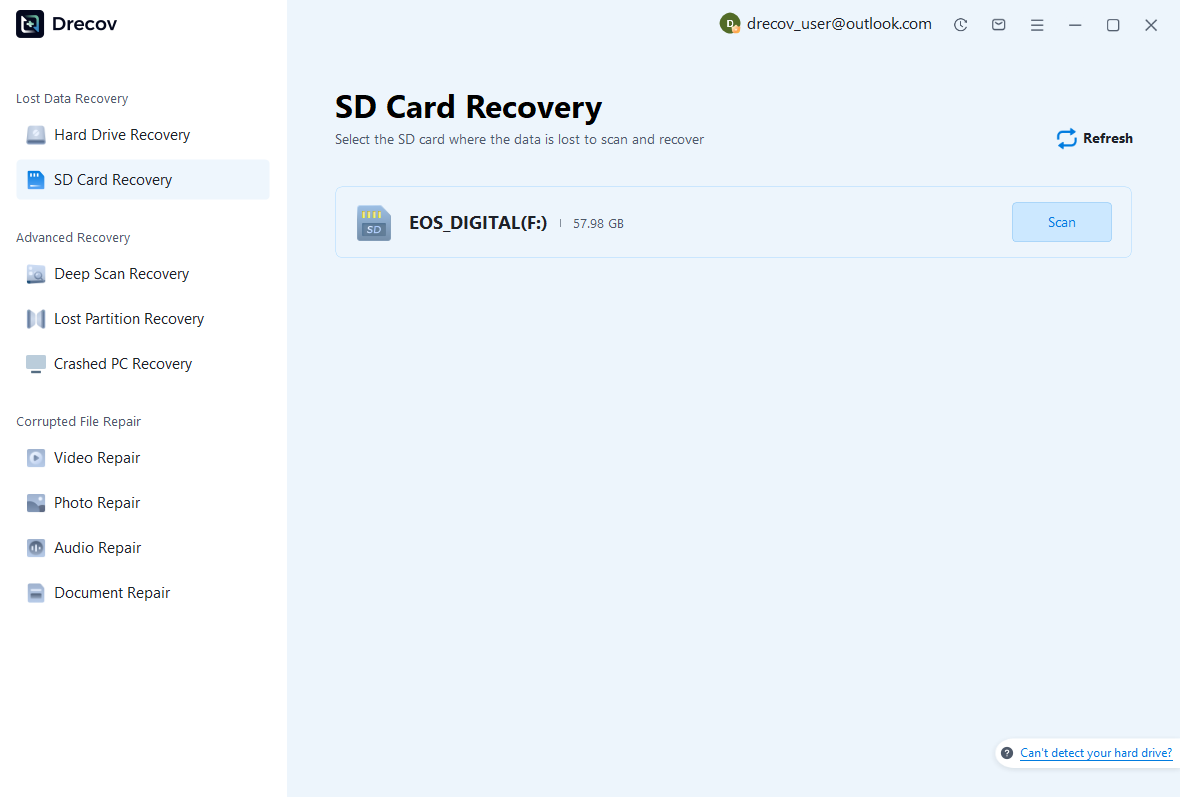
Method 3: Repair Lost Backup Files with Pandaoffice Drecov
In some situations, backup tasks fail because of corrupted local files or damaged storage sectors. When important files disappear before synchronization finishes, users may need specialized recovery tools.
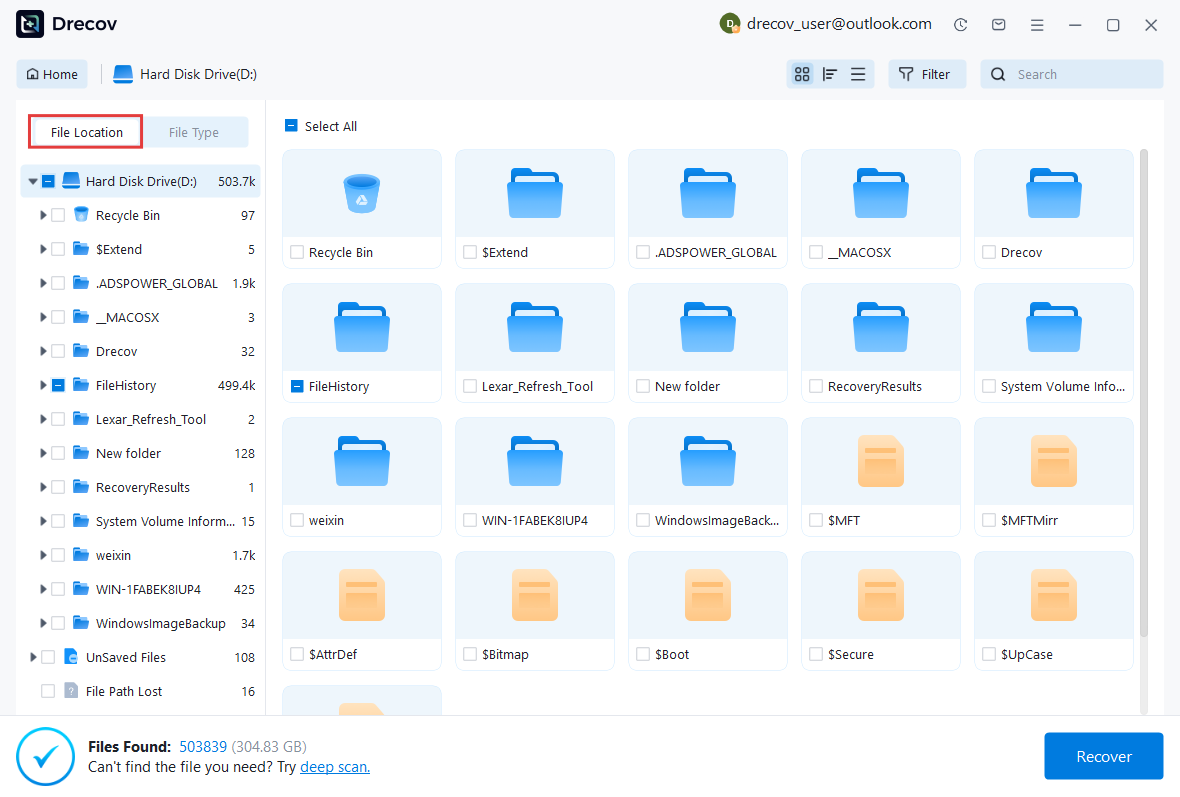
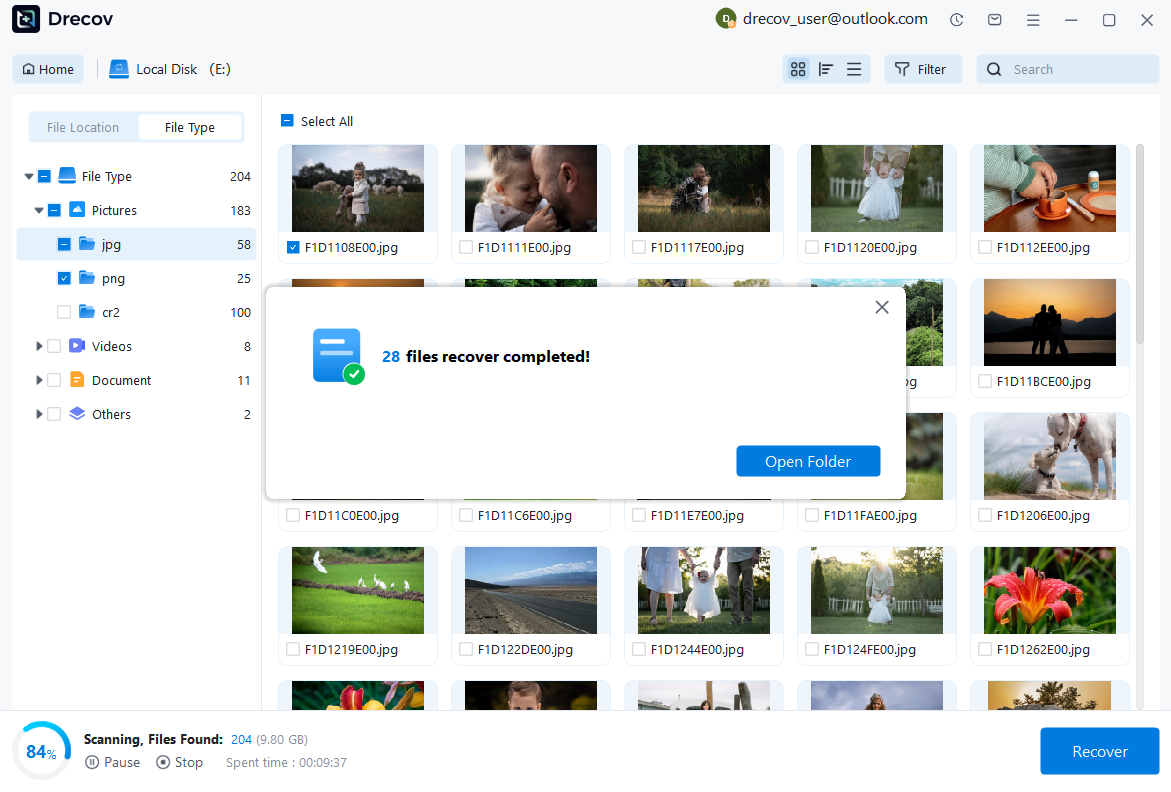
Pandaoffice Drecov provides data recovery features that help retrieve deleted or inaccessible files before rebuilding backup tasks.
The software can recover:
- Accidentally deleted NAS exports
- Corrupted external drive files
- Lost documents before cloud upload
- Formatted storage partitions
Test Environment
- Operating System: Windows 11
- Recovery Source: External USB backup drive
- Lost Data Size: 120GB
During testing, the software successfully restored multiple deleted archive files prior to re-uploading them to Synology C2 cloud storage.
Why Choose PandaOffice Drecov Recovery Software?
PandaOffice Drecov offers a fast, secure, and user-friendly solution for recovering lost files across multiple scenarios. Whether you need email recovery, ZIP File Recovery, format data recovery, or help to recover deleted drafts Outlook, the software provides reliable recovery performance for both personal and business users.
PandaOffice Drecov supports recovery from formatted hard drives, SSDs, USB drives, SD cards, and external storage devices. Its advanced scanning engine can locate deleted archives, damaged ZIP files, lost Outlook drafts, and accidentally removed documents with high accuracy. For users searching for how to find deleted messages in Teams, PandaOffice Drecov can also help recover exported chat files, attachments, and related local cache data when available.
Key advantages include:
- Deep scan technology for complex data loss situations
- Support for emails, archives, videos, photos, and office documents
- Recovery from accidental deletion, formatting, corruption, and system crashes
- Easy preview before restoring files
- Compatible with Windows and multiple storage devices
Unlike complicated enterprise recovery tools, PandaOffice Drecov keeps the recovery process simple. Users can scan, preview, and restore files in just a few steps without technical expertise.
Whether you are dealing with lost Outlook drafts, corrupted ZIP archives, formatted drives, or missing communication data, PandaOffice Drecov provides an efficient and practical recovery experience designed to minimize downtime and protect important files.
Common Problems and Troubleshooting Tips
Slow Upload Speeds During Backup
One common issue with c2 synology synchronization is reduced upload performance.
Possible causes include:
- Limited ISP upload bandwidth
- High CPU usage on NAS
- Encryption overhead
- Background applications
- Large first-time uploads
Solutions may involve:
- Scheduling backups overnight
- Enabling bandwidth throttling
- Using incremental backup modes
- Splitting extremely large backup jobs
Test Environment
- NAS CPU Usage: 75%
- Initial Backup Size: 5TB
- Connection Speed: 100 Mbps upload
Performance improved significantly after enabling incremental synchronization and nighttime scheduling.
Authentication and Login Problems
Some users experience login failures caused by expired sessions or account verification issues.
Potential fixes include:
- Updating DSM firmware
- Resetting account credentials
- Synchronizing system time
- Checking firewall configurations
Two-factor authentication may also interfere with older DSM versions if compatibility issues exist.
Backup Task Failure Errors
Backup interruptions sometimes occur because of:
- Insufficient storage quota
- Network disconnections
- Corrupted local files
- Permission conflicts
Checking Hyper Backup logs usually helps identify the exact cause.
Users should also verify available cloud storage capacity because exceeding quota limits prevents further synchronization.
Frequently Asked Questions About Synology C2
Is Synology C2 Safe for Sensitive Files?
Yes, Synology C2 includes encryption features that help protect sensitive information during upload and storage. Users can enable client-side encryption so data remains inaccessible without the encryption key.
This security model is commonly used for:
- Business documents
- Financial records
- Medical archives
- Personal photo libraries
However, users should securely store encryption keys because losing them may prevent future recovery access.
Can Synology C2 Replace External Drives?
Cloud storage offers strong redundancy, but many professionals still combine local and cloud backups together.
A hybrid approach remains safer because:
- Local recovery is faster
- Internet outages may interrupt cloud access
- Large restores can require significant download time
For this reason, many users combine external drives with synology c2 storage rather than replacing them entirely.
How Much Storage Do Most Users Need?
Storage requirements depend heavily on data type.
Typical estimates include:
- Documents only: 100GB–500GB
- Photo libraries: 1TB–3TB
- Video archives: 5TB+
Before selecting a plan, users should calculate expected future growth rather than current usage alone.
Final Thoughts on Synology C2 Cloud Backup
Strong Integration with Synology NAS Systems
The popularity of Synology C2 comes largely from its seamless integration with Synology NAS hardware. Instead of manually configuring third-party cloud systems, users receive native compatibility directly inside DSM.
The platform combines:
- Automated backup scheduling
- Secure cloud encryption
- Remote disaster recovery
- Multi-version restoration
- Flexible scalability
These features make it attractive for both personal and professional environments.
Choosing the Right Backup Strategy
Selecting the best backup strategy depends on budget, storage growth, and recovery requirements.
For many users, combining:
- Local NAS protection
- RAID redundancy
- External drives
- synology c2 backup
creates a balanced disaster recovery plan.
Cloud storage alone cannot eliminate every risk, but it greatly improves resilience against hardware failure and accidental deletion.
Key Takeaways Before Getting Started
Before using c2 synology services, users should:
- Estimate long-term storage growth
- Enable encryption
- Configure backup retention properly
- Test restore procedures regularly
- Monitor cloud quota usage
A properly configured backup strategy can dramatically reduce the likelihood of permanent data loss while improving business continuity and remote accessibility.





